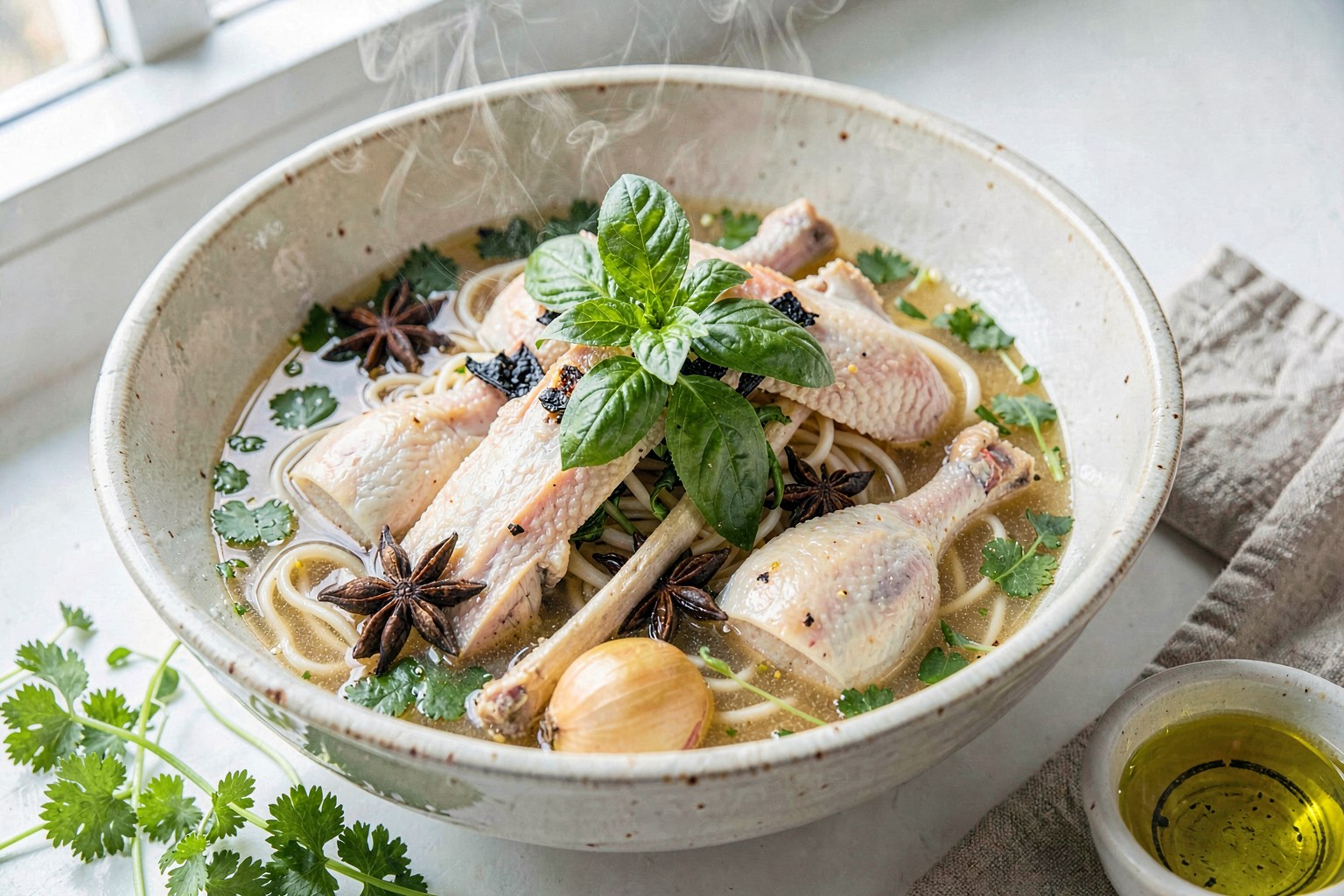
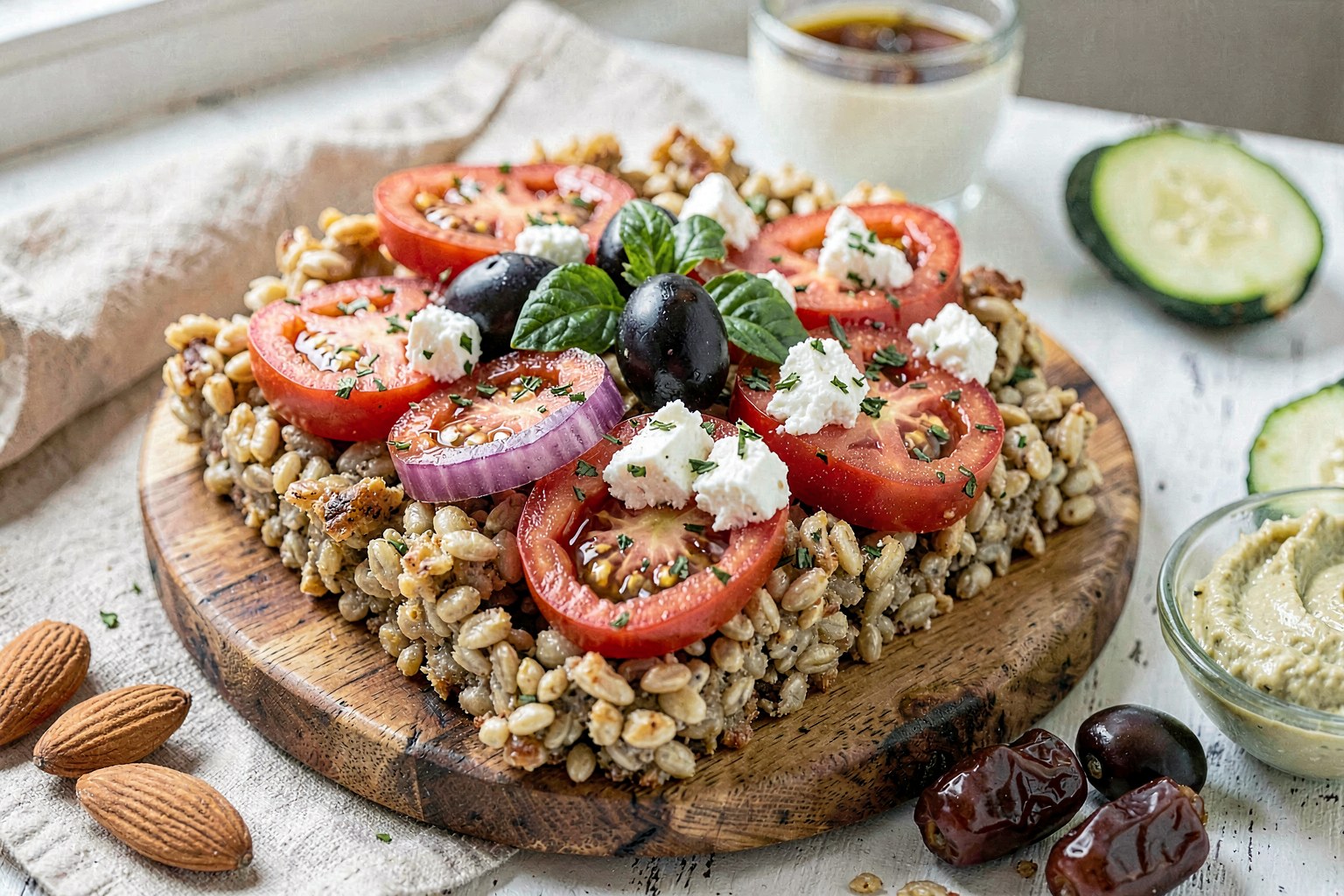
Goi Cuon — Shrimp & Herb Summer Rolls with Almond-Herb Dipping Sauce
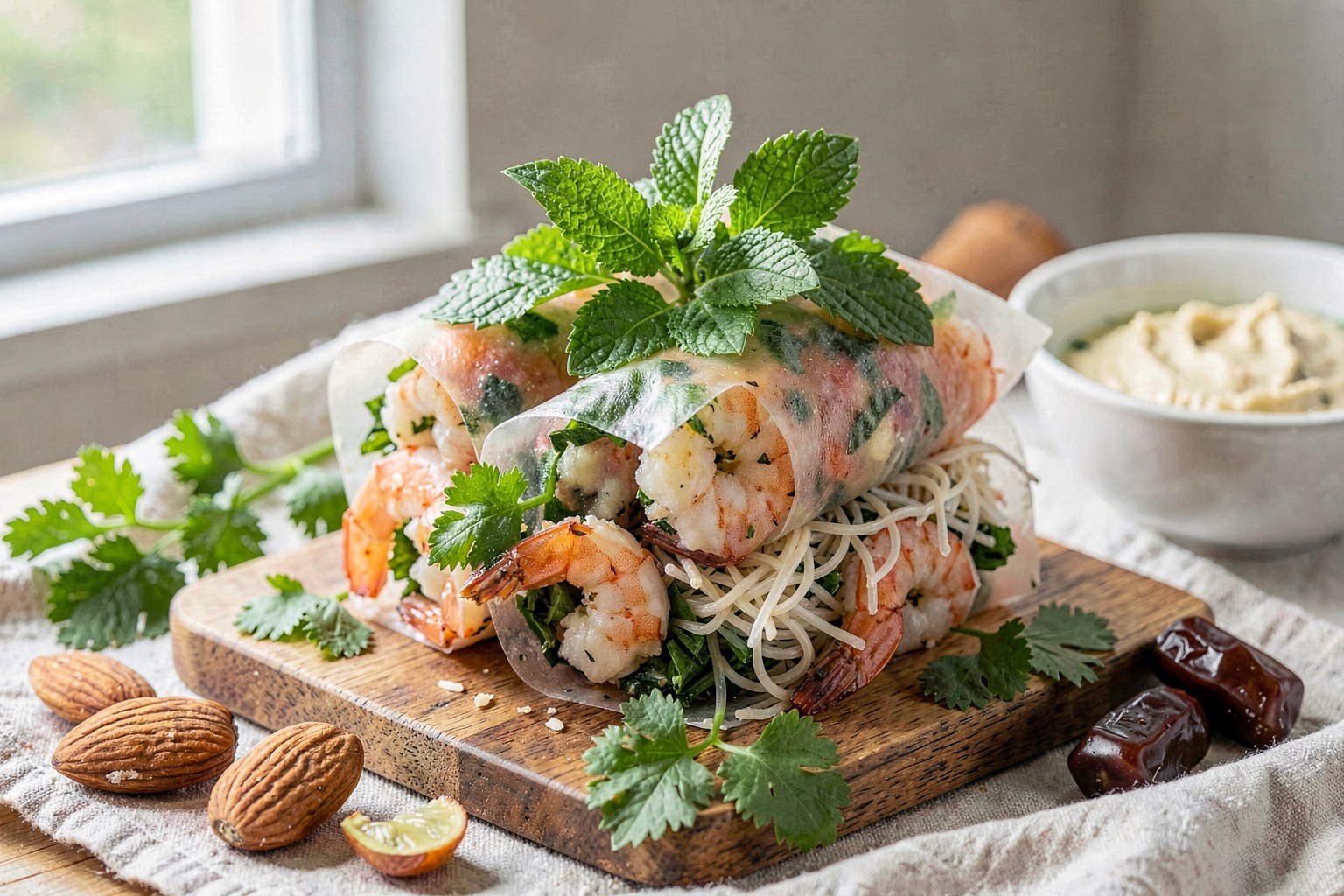
These translucent rice paper rolls are packed with wild-caught shrimp, springy vermicelli, and a vibrant explosion of raw herbs like mint, cilantro, and perilla. Served with a creamy, nutrient-dense almond-butter sauce sweetened only by whole dates, this dish delivers a refreshing, polyphenol-rich bite without the refined sugar or seed oils found in traditional versions.
A little context
Goi Cuon, or fresh spring rolls, are a staple of Vietnamese cuisine traditionally served as a light appetizer or snack. While classic recipes often rely on sugar-laden hoisin sauce and sometimes include processed shrimp, this version honors the spirit of the dish by prioritizing the freshness of the herbs and the purity of the protein. We have swapped the refined sugar in the dipping sauce for whole Medjool dates and eliminated seed oils, ensuring the dish aligns with longevity-focused eating without sacrificing the bright, aromatic profile essential to the cuisine.
Method
- 01
Prepare the Shrimp
Bring a pot of water to a gentle simmer. Add the wild-caught shrimp and cook for 2-3 minutes until they turn opaque and pink. Immediately transfer to an ice bath to halt cooking and preserve the tender texture. Drain and pat dry.
- 02
Hydrate the Noodles
Place the rice vermicelli in a large bowl and cover with hot (not boiling) water. Let soak for 5-8 minutes until tender but still firm (al dente). Drain thoroughly and rinse with cold water to stop the cooking process. Toss with a tiny drizzle of extra-virgin olive oil to prevent sticking.
- 03
Make the Dipping Sauce
In a high-speed blender, combine the soaked pitted dates, raw almond butter, lime juice, extra-virgin olive oil, minced garlic, grated ginger, sea salt, and warm filtered water. Blend on high for 60 seconds until completely smooth and creamy. Taste and adjust lime or salt if needed. The sauce should be pourable but thick; add more water if too dense.
- 04
Prepare the Rolling Station
Lay out a clean, damp kitchen towel on your workspace. Arrange the cooked shrimp (halved lengthwise), noodles, herbs, and sliced radicchio in separate piles for easy access. Fill a shallow bowl with lukewarm water.
- 05
Dip and Hydrate the Rice Paper
Take one rice paper sheet and dip it into the water for 3-5 seconds until just pliable but still slightly firm in the center. Lay it flat on the damp towel and let it rest for 30 seconds; it will soften further from the residual heat.
- 06
Fill and Roll
Place a small bundle of noodles and a few leaves of each herb in the lower third of the wrapper. Top with two halves of shrimp, ensuring the pink side faces down so it shows through the translucent wrapper. Fold the sides of the wrapper over the filling, then roll tightly from the bottom up. The roll should be snug but not so tight that it bursts.
- 07
Serve Immediately
Arrange the rolls on a serving platter, seam-side down. Serve immediately with the almond-herb dipping sauce. If preparing ahead, cover tightly with a damp cloth to prevent drying, but note that the texture is best within 1 hour.
Pro tips
- ✦Source perilla leaves (tía tô) from an Asian market; if unavailable, Thai basil provides a similar anise note, but mint alone lacks the depth of the traditional herb profile.
- ✦Do not over-soak the rice paper; if it becomes too soft, it will tear during rolling. It should feel like a stiff wet napkin when you lift it.
- ✦For the best flavor, let the garlic and ginger sit in the sauce mixture for 10 minutes before blending to maximize the bioavailability of their anti-inflammatory compounds.
- ✦When buying wild-caught shrimp, look for a firm texture and a clean, oceanic smell; avoid any with a strong ammonia scent or black spots on the shell.
Shop this recipe
As an Amazon Associate we earn from qualifying purchases.
Substitutions
- wild-caught shrimp → wild-caught scallops or grilled chicken breast (scalloops should be seared briefly; chicken must be fully cooked and cooled)
- almond butter → tahini (sesame paste) (adds a different polyphenol profile; ensure it is pure sesame with no added oils)
- rice vermicelli → shirataki noodles (konjac) (for a near-zero calorie, low-glycemic alternative, rinse thoroughly to remove the packaging odor)
Storage
Store assembled rolls in a single layer in an airtight glass container with a damp paper towel on top for up to 24 hours. The sauce can be stored in a glass jar in the refrigerator for up to 5 days. Do not freeze assembled rolls as the rice paper will become mushy upon thawing.
What to serve with it
- Hot sencha green tea to complement the herbal notes
- Sparkling water with a wedge of fresh lime and a pinch of sea salt
- A dry, low-sugar kombucha with ginger flavor
FAQ
Can I make these ahead of time for a party?+
Yes, but assemble them no more than 2-3 hours before serving. Keep them covered with a damp cloth to prevent the rice paper from drying out and cracking. The sauce can be made days in advance; flavors often improve as the garlic and ginger mellow.
Why is my sauce too thick?+
Almond butter varies in consistency. Add warm water one tablespoon at a time while blending until you reach a creamy, dipping consistency. Avoid adding cold water as it can seize the fats.
Share this recipe
Notes from the community
Sign in to leave a note.
No notes yet — be the first.