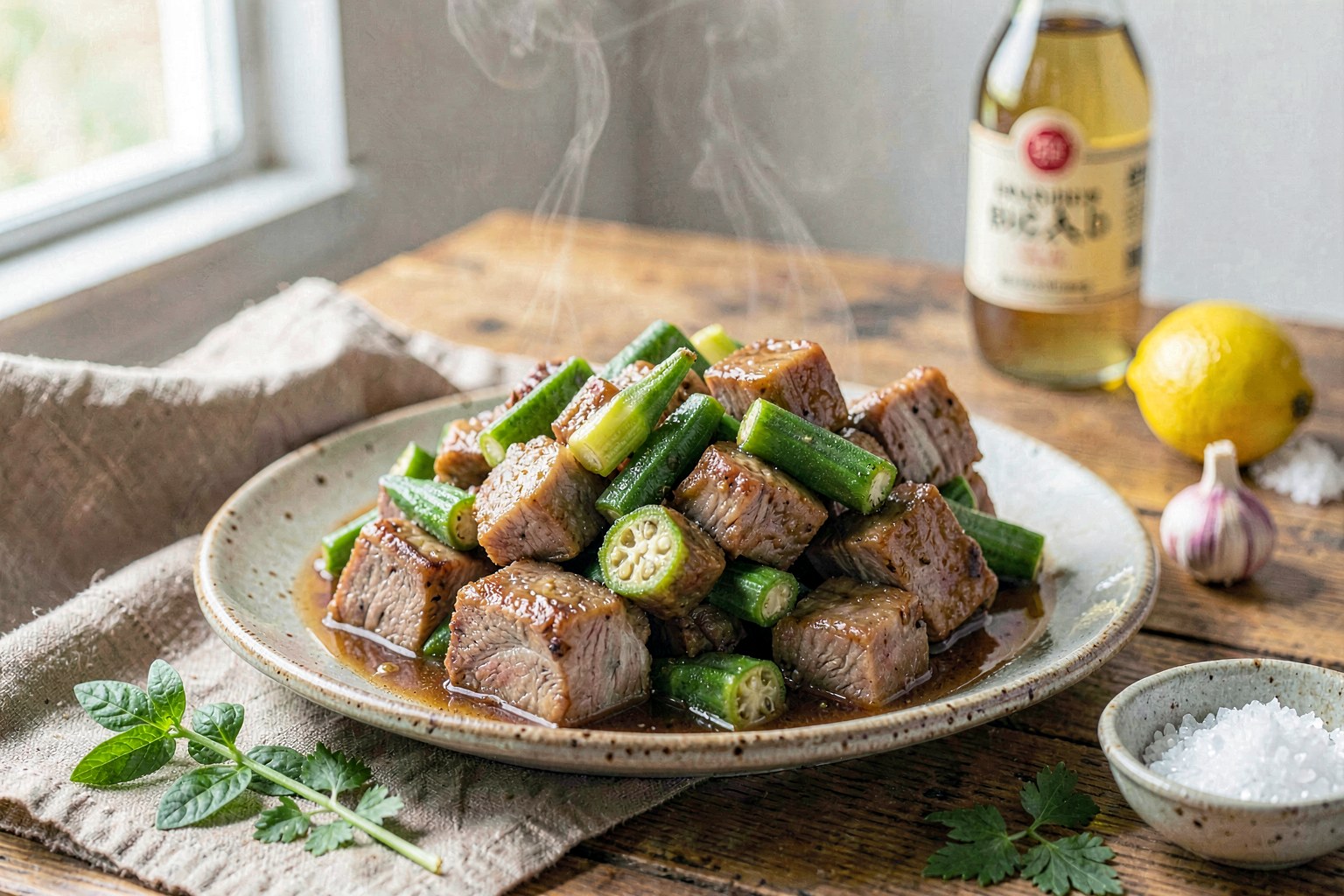
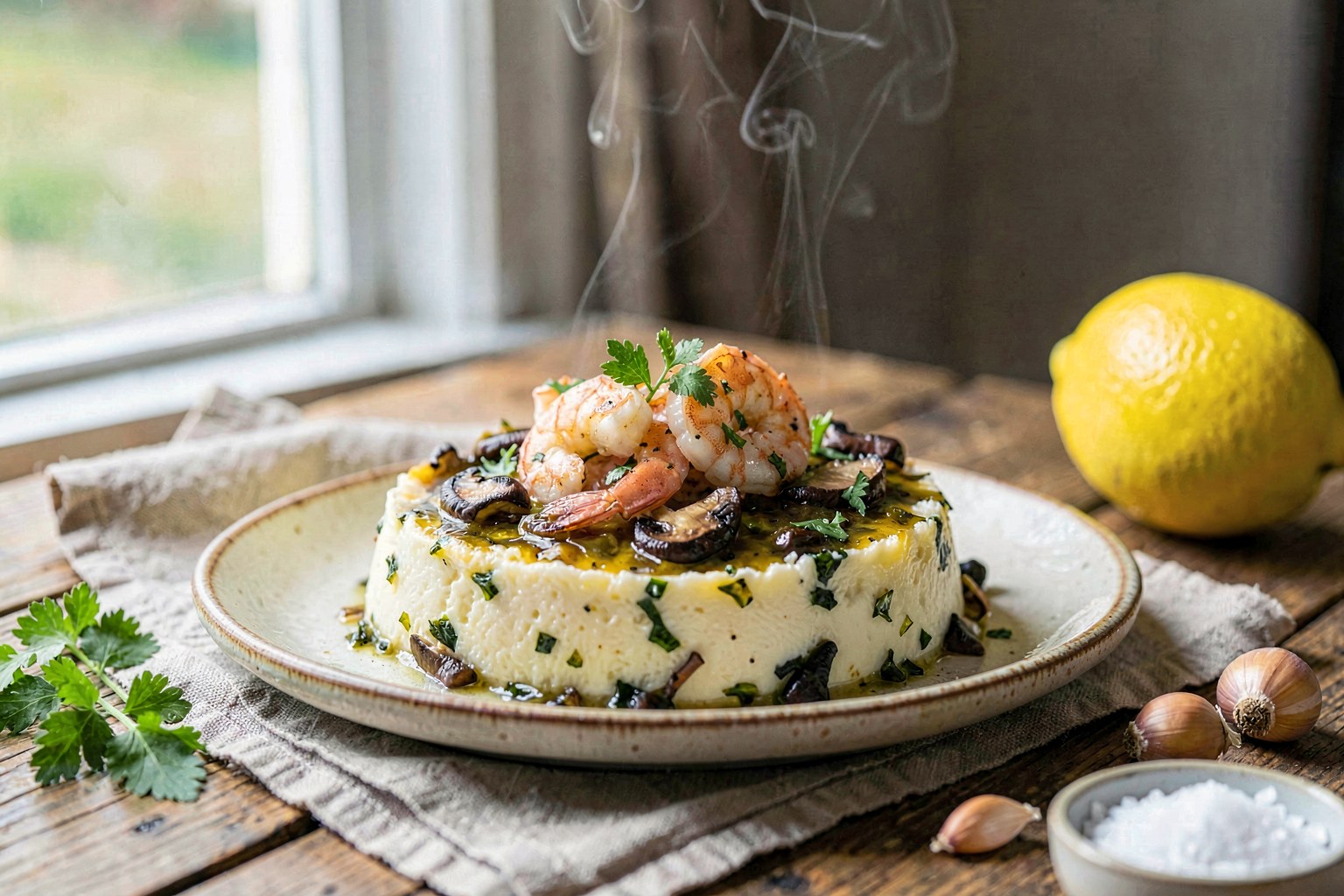
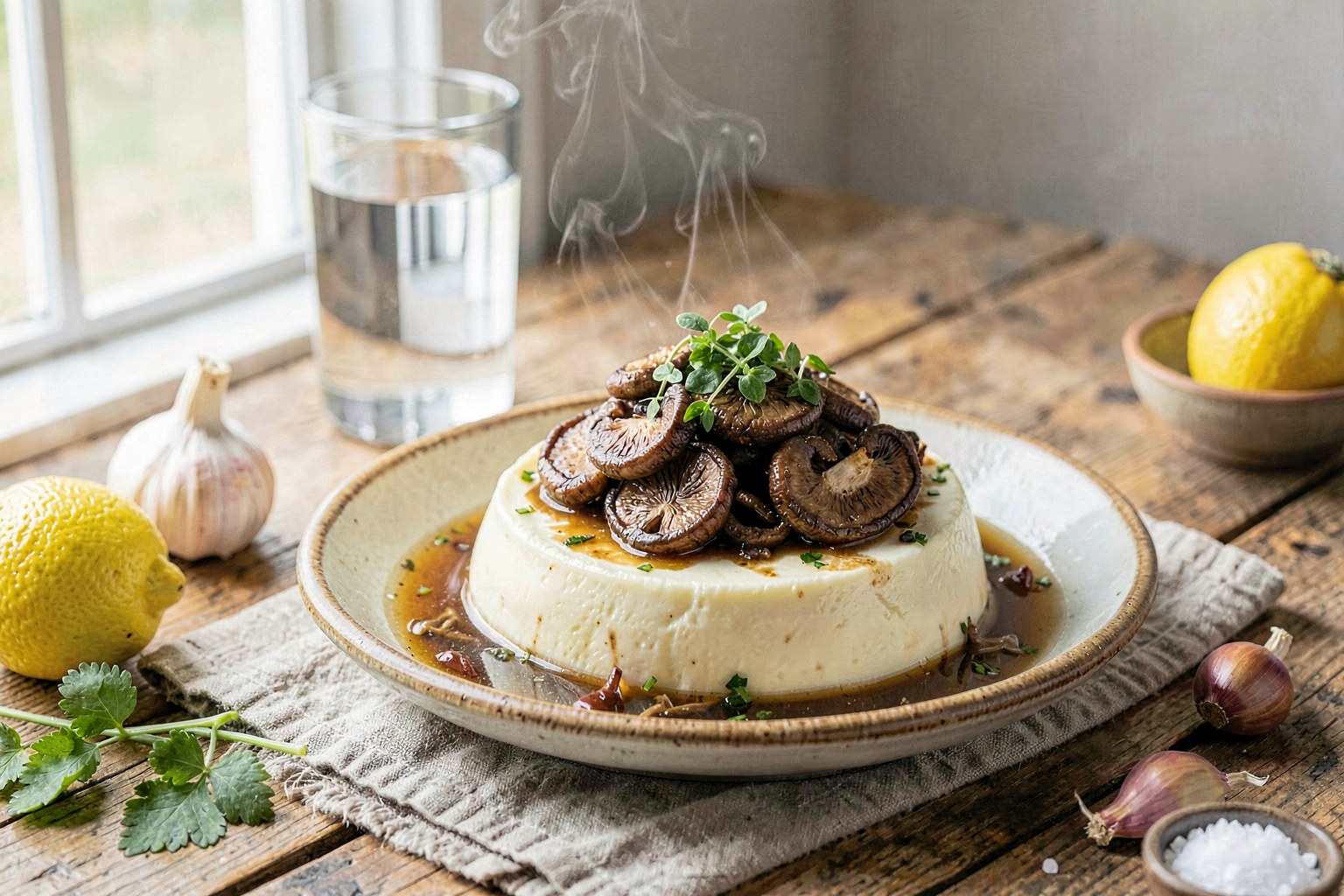
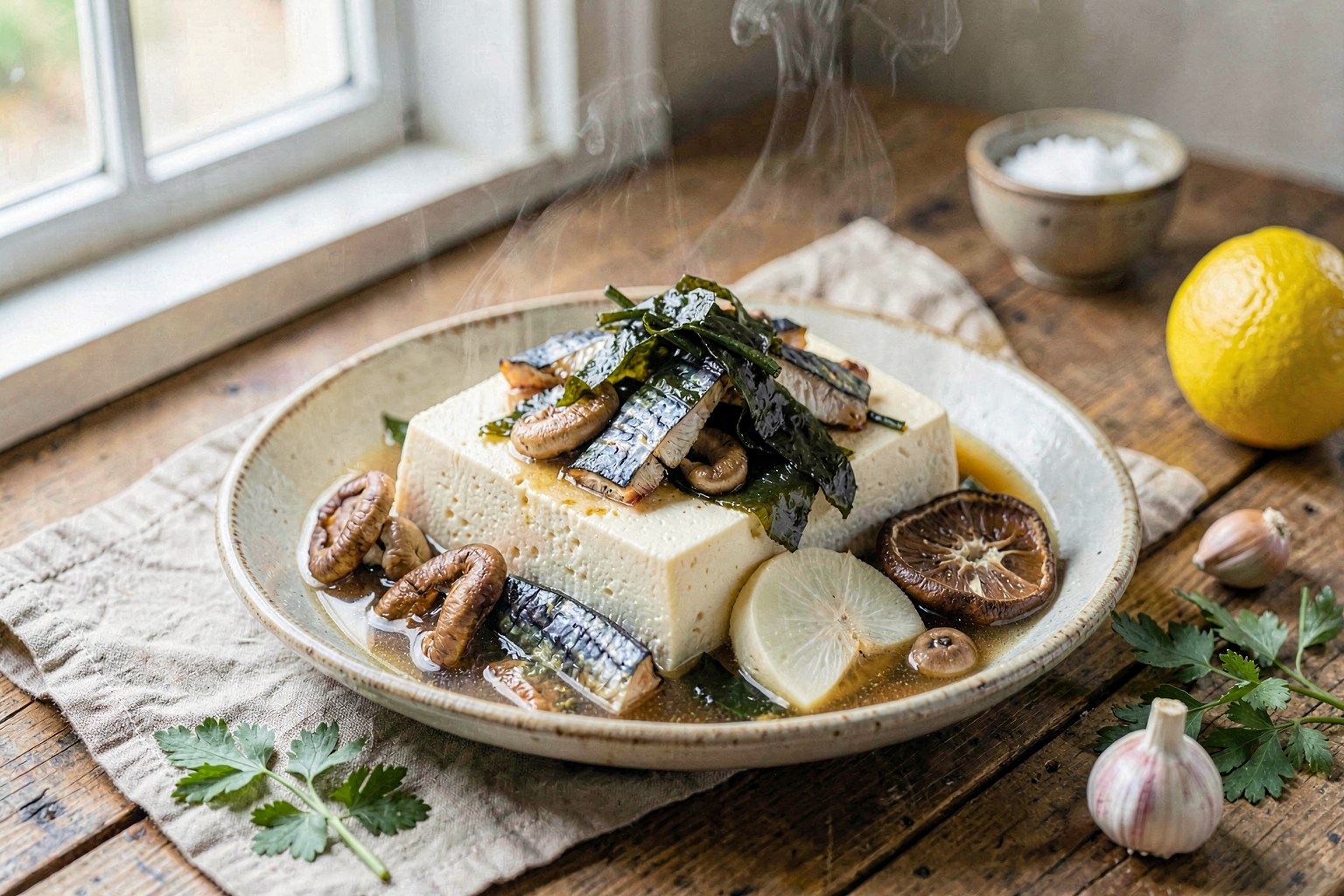
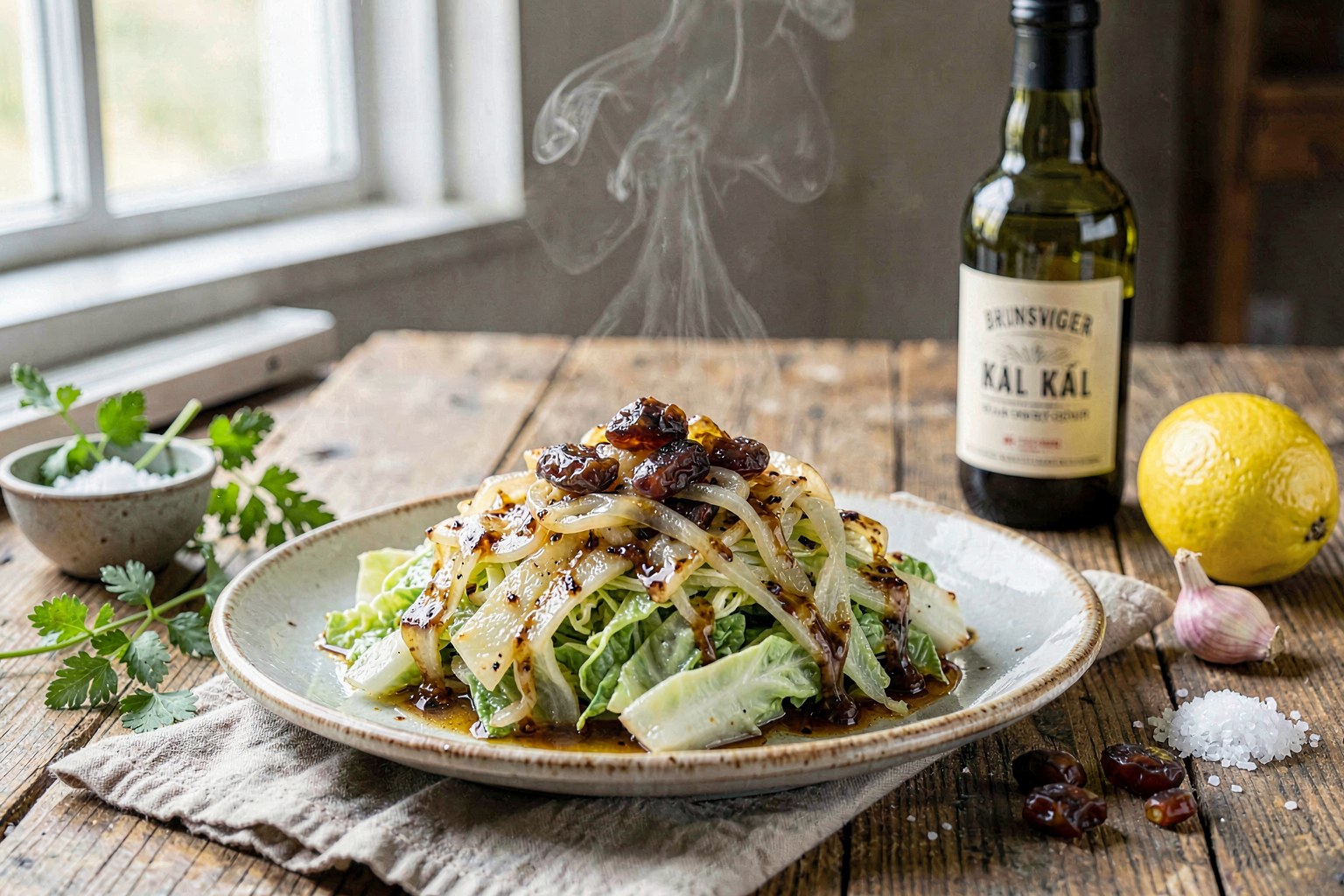
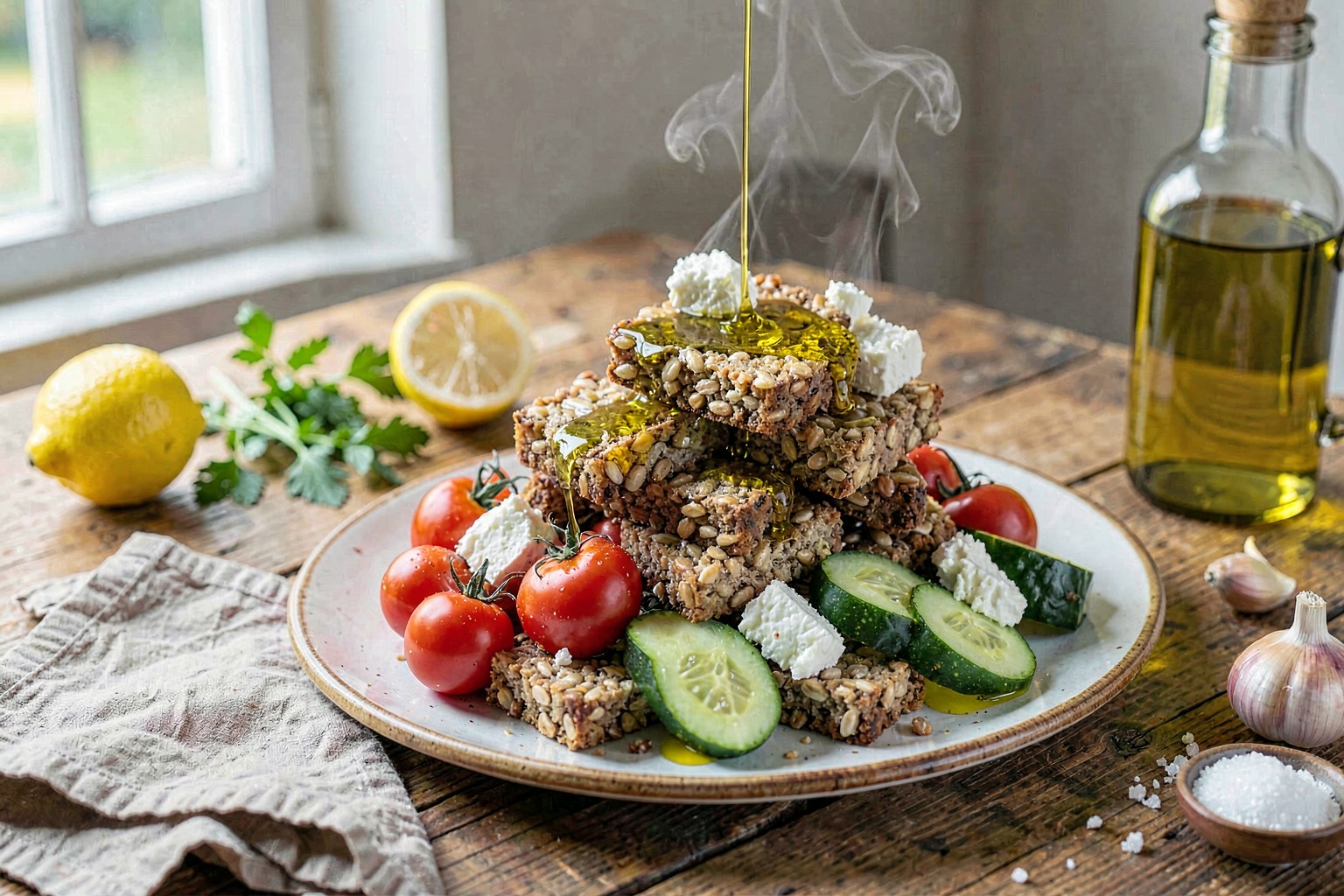
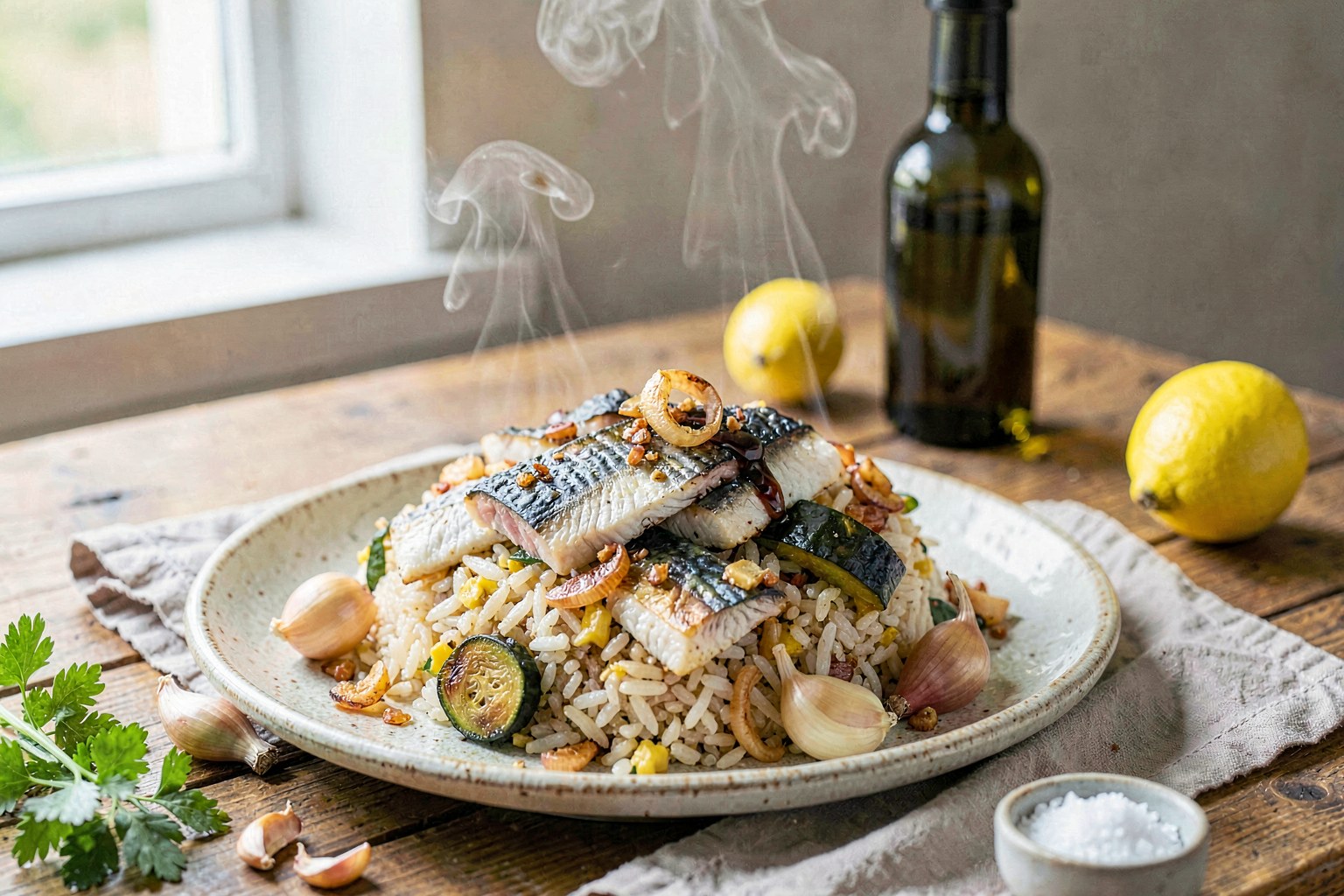
Goya-Chiri: Bitter Melon Rice with Fried Shallots and Clean Soy
A vibrant, nutrient-dense rice dish featuring charred bitter melon, wild-caught mackerel, and caramelized shallots, all bound by the savory depth of clean soy sauce. This version honors the Okinawan tradition of Goya-Chiri while eliminating refined sugars and seed oils, replacing them with the natural sweetness of ripe dates and the anti-inflammatory power of extra-virgin olive oil.
A little context
Originating from Okinawa, Japan—a region renowned for its Blue Zones longevity—the traditional Goya-Chiri often includes a touch of sugar and fried in seed oil. We have honored the spirit of the dish by using organic, whole dates to mimic the caramelized sweetness of traditional mirin and sugar, and by frying the shallots in extra-virgin olive oil to preserve the integrity of the fats. This adaptation maintains the complex savory-bitter-sweet balance essential to Washoku cuisine while aligning with strict longevity protocols.
Method
- 01
Prepare the Rice
Rinse the rice until the water runs clear. Soak for 30 minutes, then drain. Cook according to package instructions (typically a 1:1.2 ratio of rice to water) in a small saucepan. Once cooked, fluff with a fork and keep covered.
- 02
Make the Date Glaze
In a small blender, combine the pitted Medjool dates with 2 tablespoons of water. Blend until completely smooth, scraping down the sides as needed. Set aside.
- 03
Fry the Shallots
Heat 2 tablespoons of extra-virgin olive oil in a small skillet over medium heat. Add the sliced shallots and fry, stirring frequently, until golden brown and crisp (about 5-7 minutes). Do not burn. Remove with a slotted spoon, drain on paper towels, and set aside. Reserve the infused oil.
- 04
Sear the Mackerel
Pat the wild-caught mackerel cubes dry and season lightly with sea salt. In the large cast-iron skillet, heat 1 tablespoon of the reserved shallot oil over medium-high heat. Add the fish cubes and sear for 2 minutes per side until just opaque. Remove fish and set aside on a plate.
- 05
Sauté the Bitter Melon
In the same skillet, add the remaining 1 tablespoon of oil. Add the prepared bitter melon slices. Sauté for 5-7 minutes, stirring occasionally, until they are tender and have developed dark brown char marks. The melon should still have a slight bite to it.
- 06
Combine and Simmer
Return the seared mackerel to the skillet with the bitter melon. Pour in the tamari and the blended date paste. Stir gently to coat everything in the glaze. Add 60 ml (1/4 cup) of water, reduce heat to low, and simmer for 5 minutes to allow the flavors to meld and the sauce to thicken slightly.
- 07
Fold in the Rice
Add the cooked rice to the skillet. Gently fold the rice into the fish and vegetable mixture until evenly distributed and heated through. Be careful not to mash the rice or break up the fish too much.
- 08
Serve
Scoop into warm bowls. Top generously with the reserved crispy shallots and fresh chopped shiso or cilantro. Serve immediately while hot.
Pro tips
- ✦When selecting bitter melon, look for firm, bright green skin with prominent 'warts'; yellowing indicates over-ripeness and excessive bitterness.
- ✦To reduce bitterness without losing nutrients, salt the sliced melon and let it sit for 10 minutes, then rinse thoroughly, rather than boiling it.
- ✦Ensure your extra-virgin olive oil is stored in a dark bottle and used within 6 months of opening to maximize polyphenol content.
- ✦If the mackerel is very fresh, you can sear it for just 1 minute per side to keep the center tender; if it's been frozen, ensure it is fully cooked through.
- ✦Save the crispy shallot oil for dressing salads or drizzling over steamed vegetables for an added layer of flavor.
Substitutions
- wild-caught mackerel → wild-caught sardines or wild Arctic char (sardines add more calcium; char is milder but has a similar fat profile)
- gluten-free tamari → coconut aminos (slightly sweeter, ensures a completely grain-free option)
- short-grain rice → cauliflower rice or quinoa (to make the dish grain-free or lower carb; adjust cooking time for cauliflower rice (sauté only))
Storage
Store in an airtight glass container in the refrigerator for up to 3 days. The flavors often improve overnight. Freeze portions for up to 2 months; thaw overnight in the fridge before reheating gently on the stove with a splash of water.
What to serve with it
- Hot sencha green tea to aid digestion and add catechins
- Unsweetened kombucha with ginger for gut health
- Sparkling water with a wedge of yuzu or lemon
- A small glass of dry, low-sulfite red wine like Pinot Noir
FAQ
Is this dish too bitter for those who dislike bitter melon?+
The date paste and the frying process significantly mellow the bitterness, leaving a pleasant, earthy depth. If you are new to bitter melon, ensure you salt and rinse it well before cooking.
Can I use regular soy sauce?+
Traditional soy sauce often contains wheat and sometimes added sugar. For a Blueprint-aligned version, we recommend organic gluten-free tamari or coconut aminos to avoid inflammatory grains and hidden sugars.
Why use olive oil instead of sesame oil?+
While sesame oil is traditional, we use extra-virgin olive oil as the primary cooking fat for its superior stability and high polyphenol count. A few drops of toasted sesame oil can be added at the very end for aroma if desired.
Share this recipe
Notes from the community
Sign in to leave a note.
No notes yet — be the first.
You might also like