Steamed Kinako Mochi with Roasted Soy Flour and Sweet Azuki
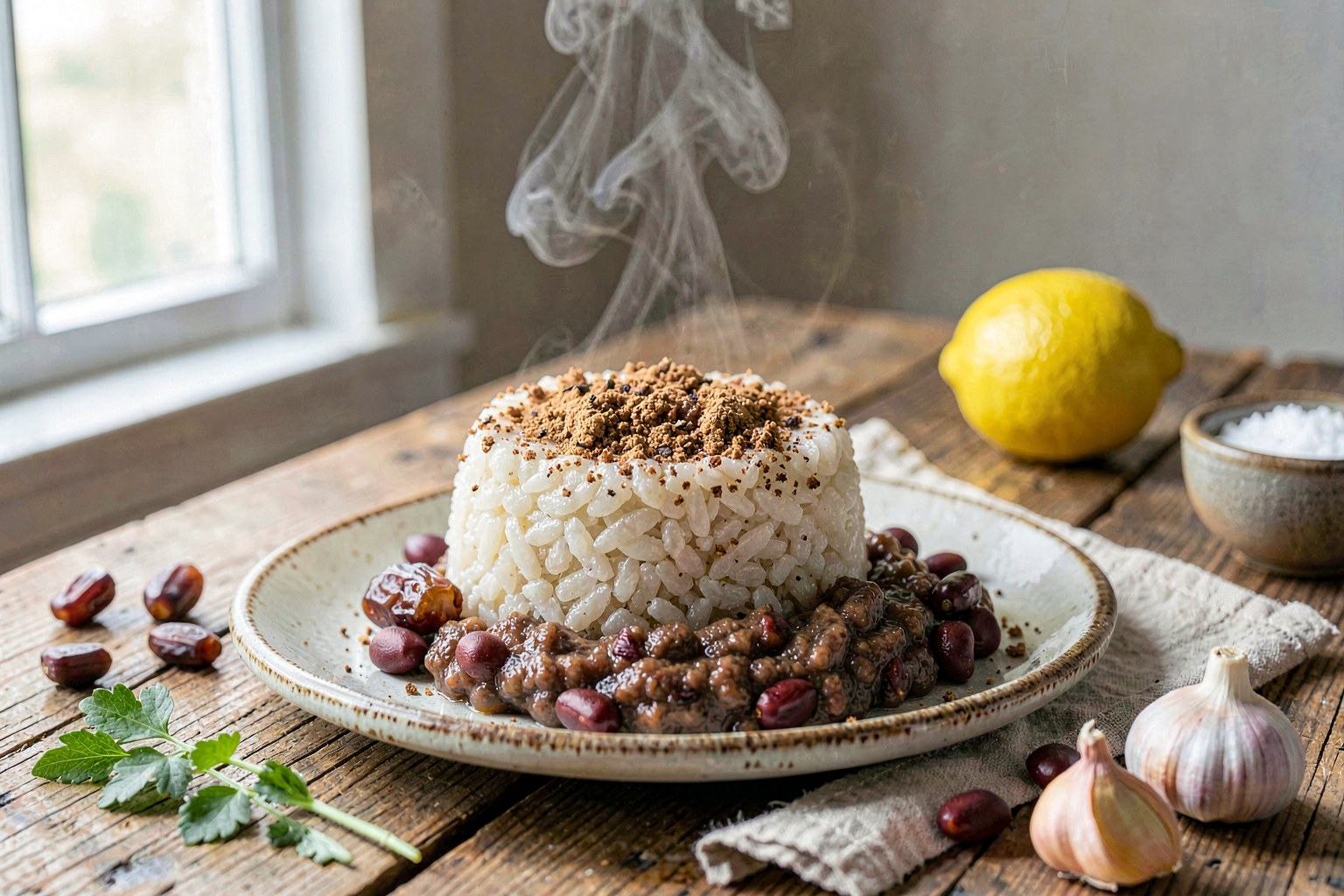
Chewy, steamed glutinous rice cakes dusted generously with nutty, roasted soy flour and served alongside a warm, fiber-rich sweet azuki bean paste. This dish delivers the comforting texture of traditional wagashi while relying entirely on the natural sweetness of whole dates and the complex polyphenols of roasted soybeans, creating a satisfying, plant-based dinner that honors the Japanese tradition of mindful eating.
A little context
In traditional Japanese confectionery, kinako-mochi is often dusted with sugar or served with sweetened bean paste. We honor this Washoku tradition by roasting the soybeans to develop deep, toasty notes naturally, eliminating the need for added refined sugar. The azuki paste is prepared from scratch using only dates and a touch of maple syrup, stripping away the ultra-processed syrups and preservatives found in commercial versions while maintaining the authentic, earthy flavor profile.
Method
- 01
Roast the Soybeans
Heat a dry cast-iron skillet over medium-low heat. Add the 100g of organic soybeans. Roast for 15-20 minutes, shaking the pan frequently, until the beans turn a deep golden brown and emit a strong, nutty aroma. Do not burn them, or the flavor will turn bitter. Transfer immediately to a plate to cool.
- 02
Grind the Kinako
Once cooled, place the roasted soybeans in a high-speed blender or food processor. Pulse until they form a fine, sandy flour. Sift through a fine-mesh sieve to remove any large skins or chunks. You should have approximately 1 cup of fragrant kinako. Set aside 3/4 cup for dusting and keep the rest for the paste if desired, or use extra soy flour in the paste.
- 03
Prepare the Azuki Paste
Drain the soaked azuki beans. Place them in a pot with fresh water (covering by 5cm) and bring to a boil. Reduce heat and simmer for 45-60 minutes until the beans are tender enough to mash easily. Drain, reserving 120ml of the cooking liquid. Return beans to the pot over low heat. Add the pitted dates, maple syrup, and a pinch of salt. Mash with a potato masher or blend gently with the reserved liquid until a smooth, thick paste forms. Remove from heat.
- 04
Mix the Mochi Dough
In a heat-proof bowl, whisk the 400g glutinous rice flour with the 480ml warm water until a smooth, lump-free batter forms. The consistency should be similar to thick pancake batter.
- 05
Steam the Mochi
Line your steamer basket with cheesecloth or a damp cotton tea towel (do not use paper liners as they may stick). Pour the batter into the cloth-lined basket. Cover and steam over boiling water for 25-30 minutes. The mochi is done when it becomes translucent and pulls away from the sides of the cloth. It should be firm but jiggly.
- 06
Shape and Dust
While the mochi is still hot, lightly dust a silicone mat or parchment paper with a generous layer of the reserved kinako. Quickly turn the steamed mochi out onto the dusted surface. Dust the top liberally with more kinako. Using wet hands or a knife dipped in water and kinako, cut the mochi into 4 equal squares or rectangles. The texture will be incredibly chewy and elastic.
- 07
Plate and Serve
Serve the warm mochi squares immediately on small plates. Top each portion with a generous dollop of the sweet azuki paste. If the mochi cools and hardens, microwave for 10 seconds to restore the chewy texture. Dust with a final pinch of sea salt to balance the sweetness.
Pro tips
- ✦Sourcing matters: Buy organic, non-GMO soybeans and azuki beans. Look for beans with a uniform color and no cracks, which indicates proper storage and freshness.
- ✦Roasting technique: The soybeans must be roasted slowly. If they brown too fast, they will be bitter. You want a deep, toasted nuttiness, not a char.
- ✦Texture control: If the mochi is too sticky to handle, your hands are dry. Dip your fingers in water mixed with a little kinako flour to create a non-stick barrier.
- ✦Storage: Mochi hardens quickly at room temperature. If not eating immediately, wrap individually in plastic wrap and freeze. Reheat in the microwave for 15 seconds before serving.
- ✦Sweetness balance: Taste your dates before making the paste. If they are very dry, soak them in warm water for 10 minutes before mashing to ensure a smooth consistency.
Substitutions
- Medjool dates → 100% pure date syrup or whole dried figs (Dates provide the best fiber-to-sweetness ratio, but figs offer a different mineral profile if out of season.)
- Glutinous rice flour (mochiko) → Brown rice flour blend (with tapioca starch) (This will alter the texture significantly, making it less chewy. Traditional mochi texture relies on the specific amylopectin content of glutinous rice.)
Storage
Store leftover mochi in an airtight glass container in the fridge for up to 2 days (will harden). The azuki paste keeps for 5 days in the fridge. Both freeze well for up to 1 month; thaw at room temperature and microwave briefly to restore texture.
What to serve with it
- Hot genmaicha (green tea with roasted brown rice) to complement the nutty kinako
- Unsweetened matcha to enhance the polyphenol intake
- Sparkling water with a slice of yuzu or lemon to cut the richness
- A small side of fermented pickled vegetables (tsukemono) to aid digestion
FAQ
Is this recipe truly gluten-free?+
Yes, provided you use certified gluten-free glutinous rice flour. While 'glutinous' refers to the sticky texture, not gluten, cross-contamination can occur in facilities that process wheat.
Can I use canned azuki beans?+
You can, but you must rinse them thoroughly to remove the sodium and any added sugars or preservatives often found in commercial cans. The texture will be softer and less authentic.
Why is the mochi so hard after cooling?+
This is natural starch retrogradation. Mochi is designed to be eaten warm. Reheating it gently restores the gelatinized starch structure. Do not store it at room temperature for long periods.
Share this recipe
Notes from the community
Sign in to leave a note.
No notes yet — be the first.
You might also like