Golden Reset Kitchari: Mung Dal & Basmati with Turmeric and Pastured Ghee
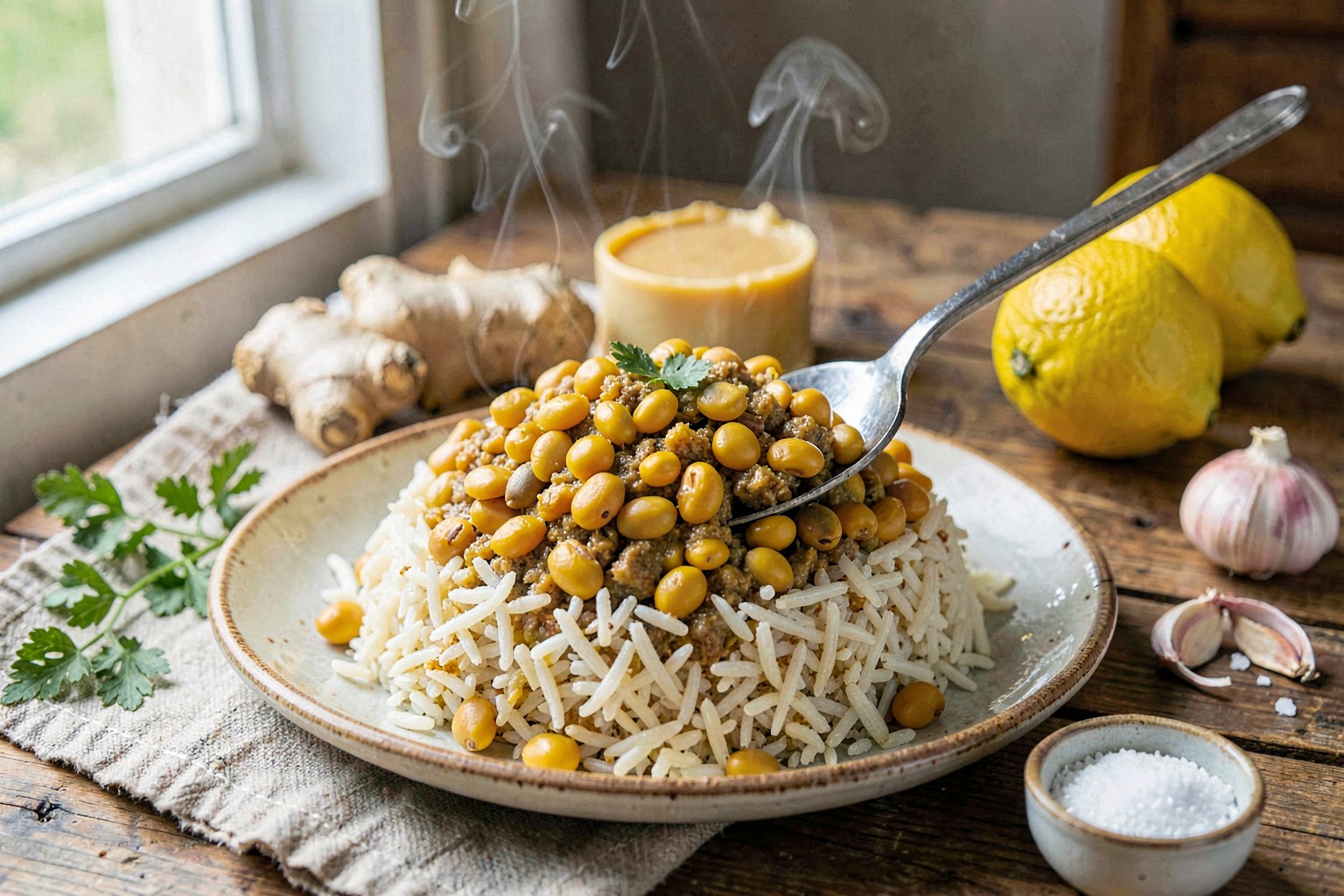
This is the ultimate Ayurvedic reset meal: split mung beans and basmati rice simmered until velvety with turmeric, ginger, and cumin, finished with a generous spoon of pastured ghee. It tastes earthy, warming, and deeply comforting, offering a gut-healing texture that is easy to digest while delivering a powerhouse of anti-inflammatory compounds.
A little context
Kitchari is the cornerstone of Ayurvedic cleansing traditions, historically prepared with ghee and whole spices to balance the doshas. We honor this by strictly using organic, sprouted, or high-quality split mung beans and traditional basmati rice, eliminating the modern shortcuts of refined oils or canned spice pastes. Any traditional sweetness (rare in savory kitchari) is omitted entirely, relying instead on the natural depth of caramelized onions and the richness of grass-fed ghee.
Method
- 01
Rinse and Soak
Rinse the split mung beans and basmati rice together in a fine-mesh sieve under cold running water until the water runs completely clear. Soak them together in a bowl of water for 20 minutes to reduce phytic acid and ensure even cooking.
- 02
Temper the Spices
In your Dutch oven, melt 30g (2 tbsp) of the pastured ghee over medium heat. Add the cumin seeds and let them sizzle for 30 seconds until fragrant. Add the crushed garlic, grated ginger, fresh turmeric, black pepper, and asafoetida (if using). Sauté for 2 minutes until the onions soften but do not brown.
- 03
Sauté Aromatics
Add the finely diced yellow onion to the spice mixture. Cook for 5-7 minutes, stirring frequently, until the onions are translucent and soft. Do not let them caramelize too darkly, as we want a clean, healing flavor profile.
- 04
Combine Base Ingredients
Drain the soaked mung beans and rice. Add them directly to the pot with the aromatics. Stir gently for 2 minutes to coat every grain and bean in the spiced ghee. This step is crucial for flavor distribution.
- 05
Simmer
Pour in the 1200ml (5 cups) of hot filtered water and add the sea salt. Bring to a boil, then immediately reduce the heat to low. Cover with a tight-fitting lid and simmer gently for 30-40 minutes. Stir occasionally to prevent sticking, adding a splash of warm water if it becomes too thick.
- 06
Check Texture
The kitchari is ready when the mung beans have completely broken down and the rice is soft, creating a creamy, porridge-like consistency. If using a pressure cooker, cook on high pressure for 8-10 minutes and allow natural pressure release.
- 07
Fold in Greens
Remove the pot from the heat. Stir in the chopped spinach or kale and the remaining 30g (2 tbsp) of pastured ghee. The residual heat will wilt the greens perfectly while preserving their nutrients and bright color.
- 08
Rest and Serve
Let the kitchari rest, covered, for 5 minutes to allow the flavors to meld. Garnish generously with fresh cilantro. Serve warm in ceramic bowls.
Pro tips
- ✦Sourcing matters: Buy split mung beans (dhuli) specifically, not whole mung beans, as the skin is removed making them hypoallergenic and easier to digest.
- ✦Fresh turmeric root stains everything; wear gloves or wash hands immediately after grating. The flavor is brighter and less earthy than dried powder.
- ✦For a deeper flavor profile, toast the cumin seeds in the dry pan for 30 seconds before adding the ghee.
- ✦If the kitchari feels too thick after resting, stir in a splash of hot water or unsalted bone broth to loosen it before serving.
- ✦This dish improves in flavor and digestibility if made a day ahead; reheat gently with a little extra ghee.
Shop this recipe
As an Amazon Associate we earn from qualifying purchases.
Substitutions
- fresh turmeric root → high-quality organic turmeric powder (Use 2 teaspoons of powder; add with the cumin seeds.)
- basmati rice → brown basmati or short-grain organic rice (Increase water by 1/2 cup and cooking time by 10-15 minutes if using brown rice.)
- pastured ghee → extra-virgin coconut oil or pastured butter (Coconut oil adds a subtle sweetness; butter requires a lower heat to prevent burning.)
- spinach/kale → chard or arugula (Add chard stems earlier in the cooking process; arugula should be tossed in at the very end.)
Storage
Store in airtight glass containers in the refrigerator for up to 4 days. Freezes exceptionally well for up to 3 months; thaw overnight in the fridge and reheat with a splash of water and a pat of ghee.
What to serve with it
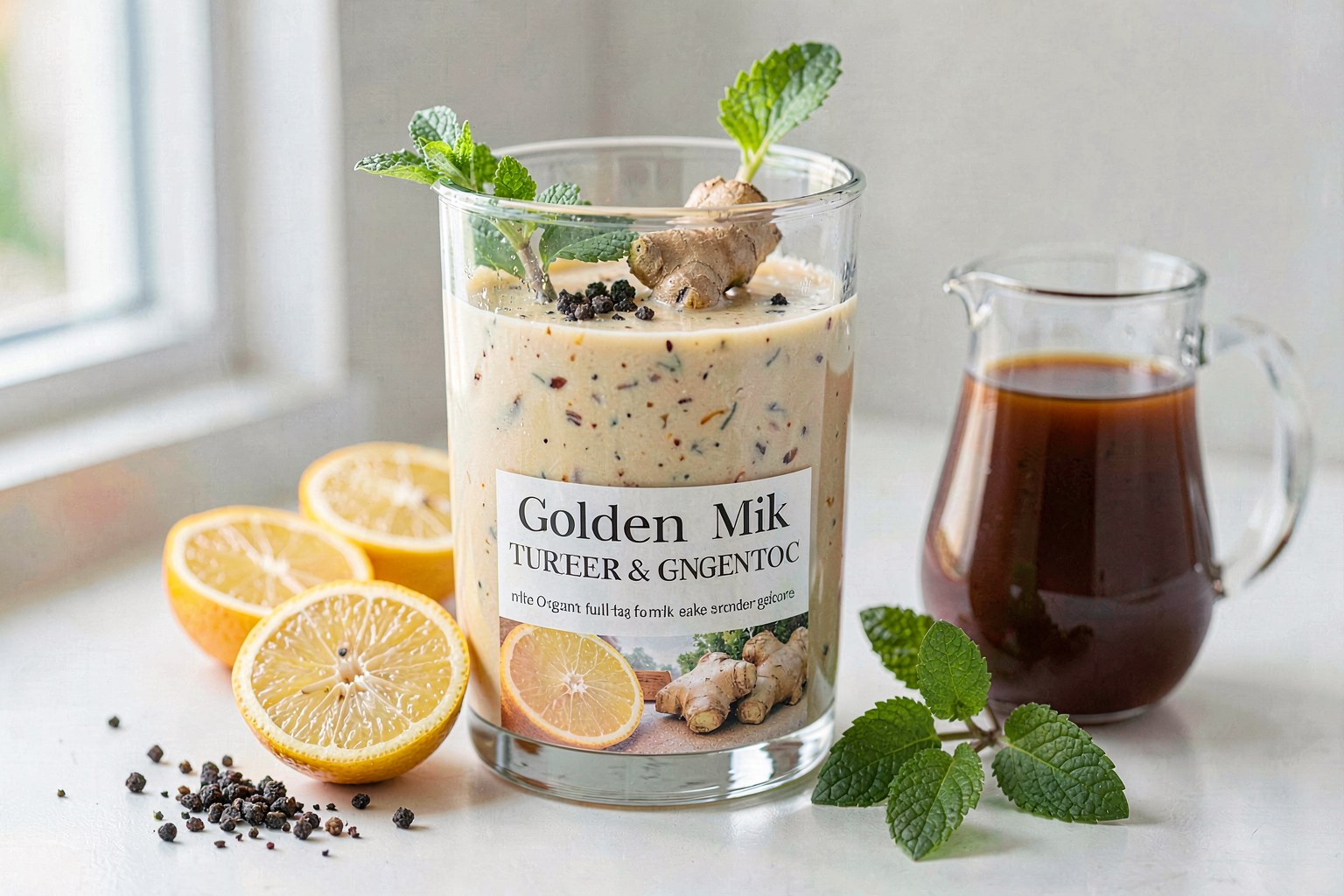
- A cup of warm ginger-turmeric tea with a slice of lemon
- Raw unsweetened coconut yogurt with a sprinkle of hemp seeds
- Freshly pressed green juice (celery, cucumber, apple, lemon)
- Warm water with a squeeze of lime and a pinch of salt
FAQ
Why do I need to soak the mung beans and rice?+
Soaking reduces phytic acid and enzyme inhibitors, making the nutrients more bioavailable and the dish significantly easier to digest, which is the core principle of Ayurvedic cooking.
Can I make this vegan?+
Yes, simply substitute the pastured ghee with extra-virgin coconut oil or avocado oil. The dish remains anti-inflammatory and gut-friendly.
Is this suitable for a strict low-carb diet?+
While it is low-glycemic due to the fiber and protein, it does contain rice and legumes. For strict keto, reduce the rice by half and increase the mung beans or add more low-starch vegetables like zucchini.
Share this recipe
Notes from the community
Sign in to leave a note.
No notes yet — be the first.
You might also like