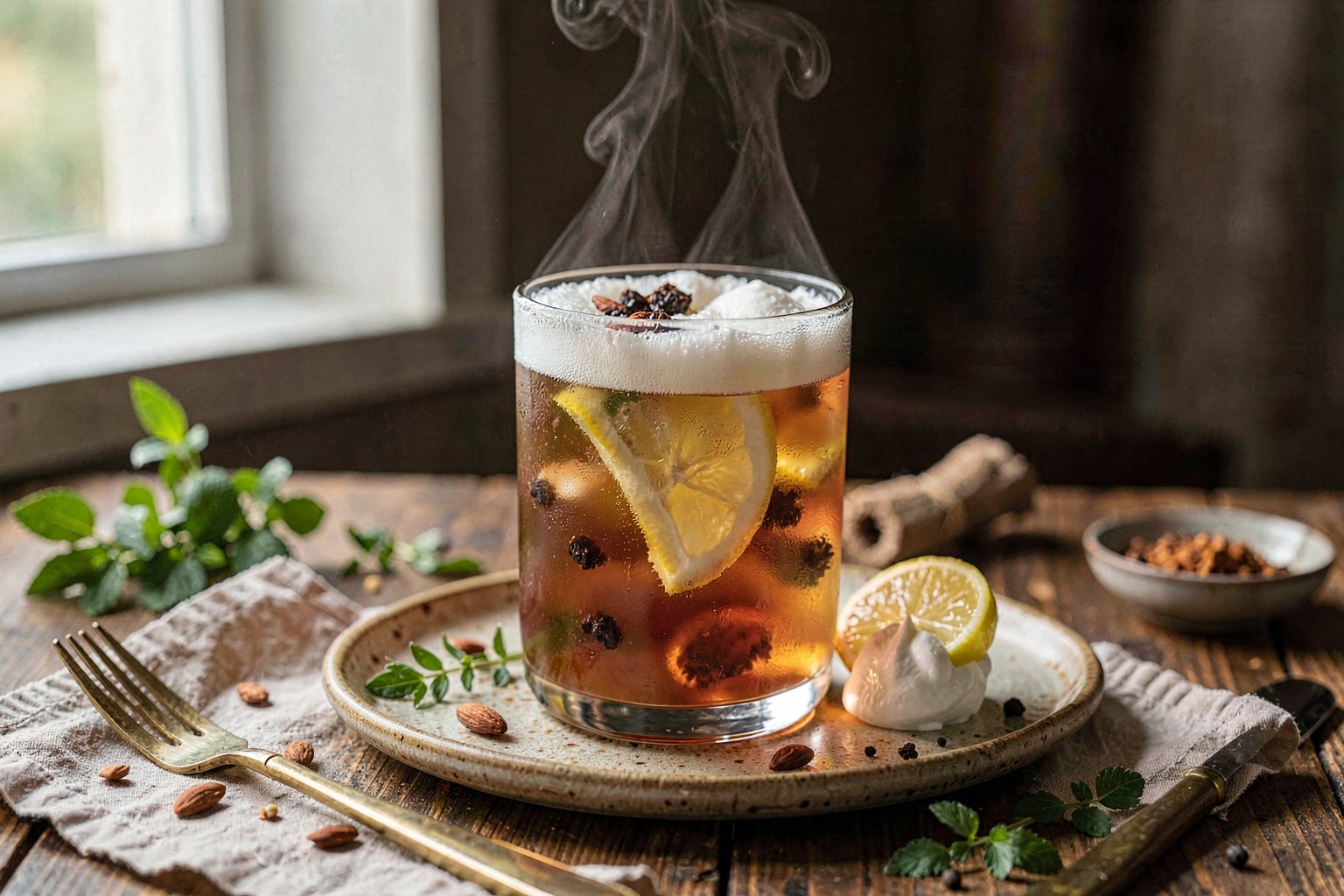
Traditional Hungarian Pálinka (Apricot Brandy)
This is a traditional Hungarian fruit brandy made by fermenting and distilling fresh apricots or plums until they reach a potent, aromatic spirit. It offers a warm, intense fruit flavor with a smooth, fiery finish, typically served as a digestif after a hearty dinner.
A little context
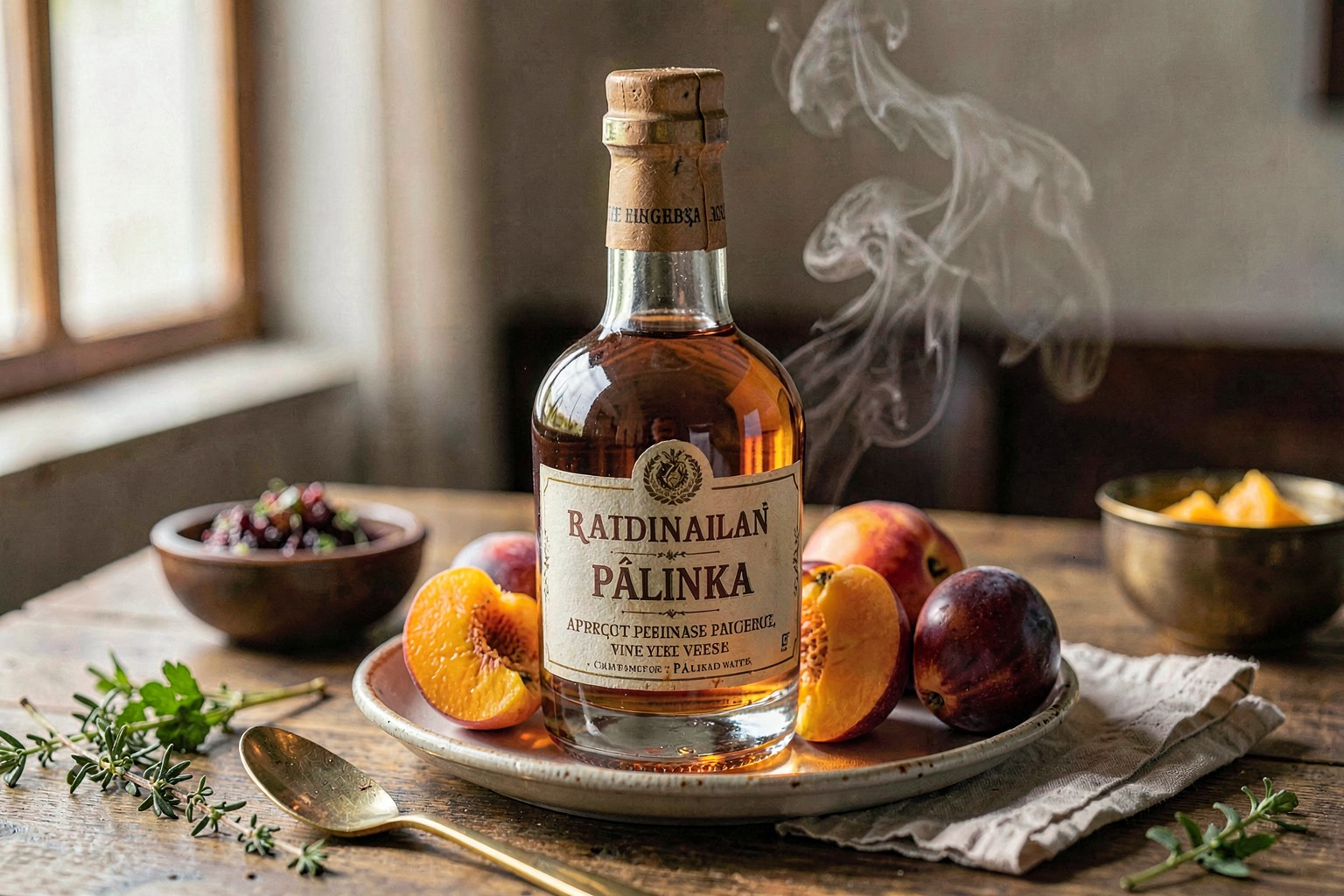
Pálinka is a protected spirit of Hungary and Austria, traditionally distilled in small copper pot stills in rural villages. Historically, it was made in late summer or autumn when seasonal fruits like apricots (barackpálinka) or plums (szilvapálinka) were ripe and abundant. Authentic Pálinka is never made from concentrates or added sugars; it relies solely on the natural sugars of the fruit. It is deeply woven into Hungarian social life, served as a gesture of welcome, a celebration of harvest, and a traditional palate cleanser after rich meals.
Method
- 01
Prepare the Fruit
Gently crush the pitted apricots (or plums) in a large bowl. Do not use metal tools that might react with the fruit; use wooden or plastic implements. If using pectinase enzyme, mix it in now according to the package instructions.
- 02
Inoculate the Mash
Transfer the fruit mixture into the fermentation vessel. Add water only if the fruit is very dry. Stir in the rehydrated wine yeast. Cover the vessel loosely with a clean cloth to let it sit for 24 hours before sealing.
- 03
Ferment
Seal the vessel with the airlock. Store in a dark place at 20-25°C (68-77°F). Fermentation will take 10-14 days. The mixture will bubble actively for the first week, then slow down. It is ready when bubbling stops and the liquid is clear.
- 04
Strain the Wash
Once fermentation is complete, strain the liquid through cheesecloth into a clean container to remove all fruit solids. The resulting liquid is the 'wash' ready for distillation.
- 05
First Distillation (Heads)
Set up your copper pot still. Pour the wash into the still. Heat gently. The first 50-100 ml (2-3 oz) is the 'heads,' containing volatile compounds and methanol. Discard this portion safely.
- 06
Distill the Hearts
Collect the 'hearts,' the clear, aromatic spirit that follows. This is the true Pálinka. Collect it until the alcohol content drops below 40% (measured by hydrometer). The flavor will begin to taste watery or like burnt fruit; stop collecting here.
- 07
Separate the Tails
The remaining liquid is the 'tails,' containing heavier, oily compounds that can cause a hangover. Discard or save for the next batch's re-distillation. Do not mix tails with the hearts.
- 08
Dilute to Serving Strength
The collected hearts will likely be 60-70% ABV. Slowly add distilled water to reach the desired strength, typically 40-50% ABV (80-100 proof). Stir gently to avoid oxidation.
- 09
Rest and Bottle
Pour the Pálinka into clean glass bottles. Seal tightly. While it can be drunk immediately, resting for 2-4 weeks in a cool, dark place allows the flavors to mellow and integrate.
Pro tips
- ✦Always discard the 'heads' (first 5%) to avoid methanol and harsh solvents.
- ✦Use only ripe, sweet fruit; sour or underripe fruit produces vinegar instead of brandy.
- ✦Clean your still thoroughly with hot water and a brush before every use to prevent off-flavors.
- ✦Distillation is illegal in many countries without a license; ensure you check local laws before building a still.
- ✦For the smoothest result, double distill the hearts: distill the collected hearts a second time and keep only the middle 70%.
Shop this recipe
As an Amazon Associate we earn from qualifying purchases.
Substitutions
- apricots → plums (specifically Hungarian Blue or Damson) (produces Szilvapálinka, the other most famous variety)
- wine yeast → wild yeast (natural fermentation) (riskier, slower, and less predictable; requires strict hygiene)
Storage
Store in a cool, dark place in sealed glass bottles. Pálinka has an indefinite shelf life if sealed properly and does not spoil, though flavor may evolve slightly over years.
What to serve with it
- Sipped neat as a digestif after a heavy goulash or stuffed cabbage dinner
- Served ice-cold in small tulip glasses
- Accompanied by a slice of dark chocolate or dried fruit
- Used as a base for traditional Hungarian fruit cocktails (though purists prefer it straight)
FAQ
Is Pálinka made with added sugar?+
No. Authentic Hungarian Pálinka forbids added sugar or flavorings. The alcohol comes entirely from the natural sugars of the fruit.
Can I make this without a still?+
No. Pálinka is defined by the distillation process. Without a still, you can only make fermented fruit wine or 'pálinka wine,' which is not Pálinka.
Why does my homemade Pálinka taste harsh?+
This is usually due to collecting too much 'heads' or 'tails,' or using fruit that wasn't fully ripe. Proper separation of fractions is key.
Share this recipe
Notes from the community
Sign in to leave a note.
No notes yet — be the first.