Soupe à l'Oignon Mistrézienne
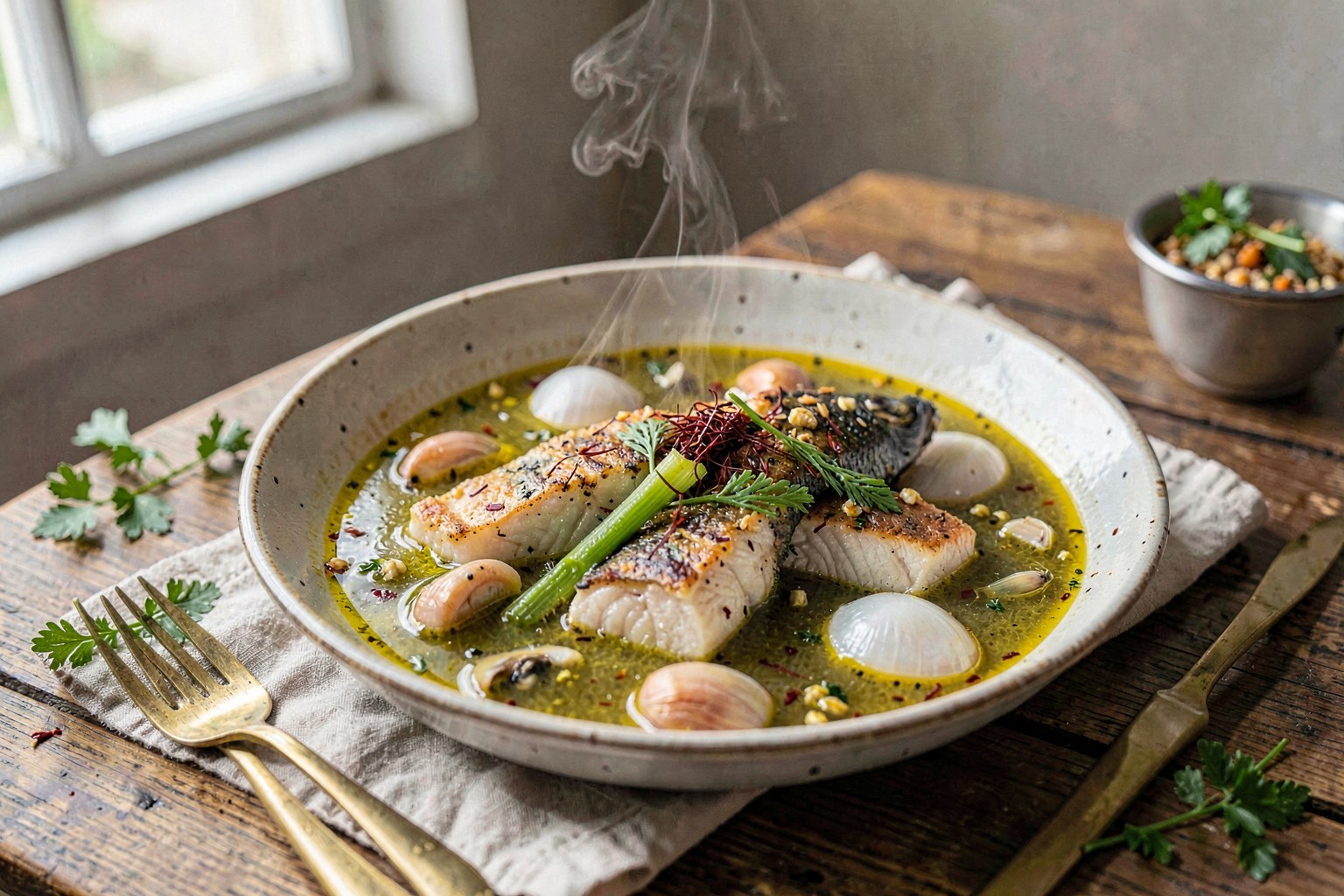
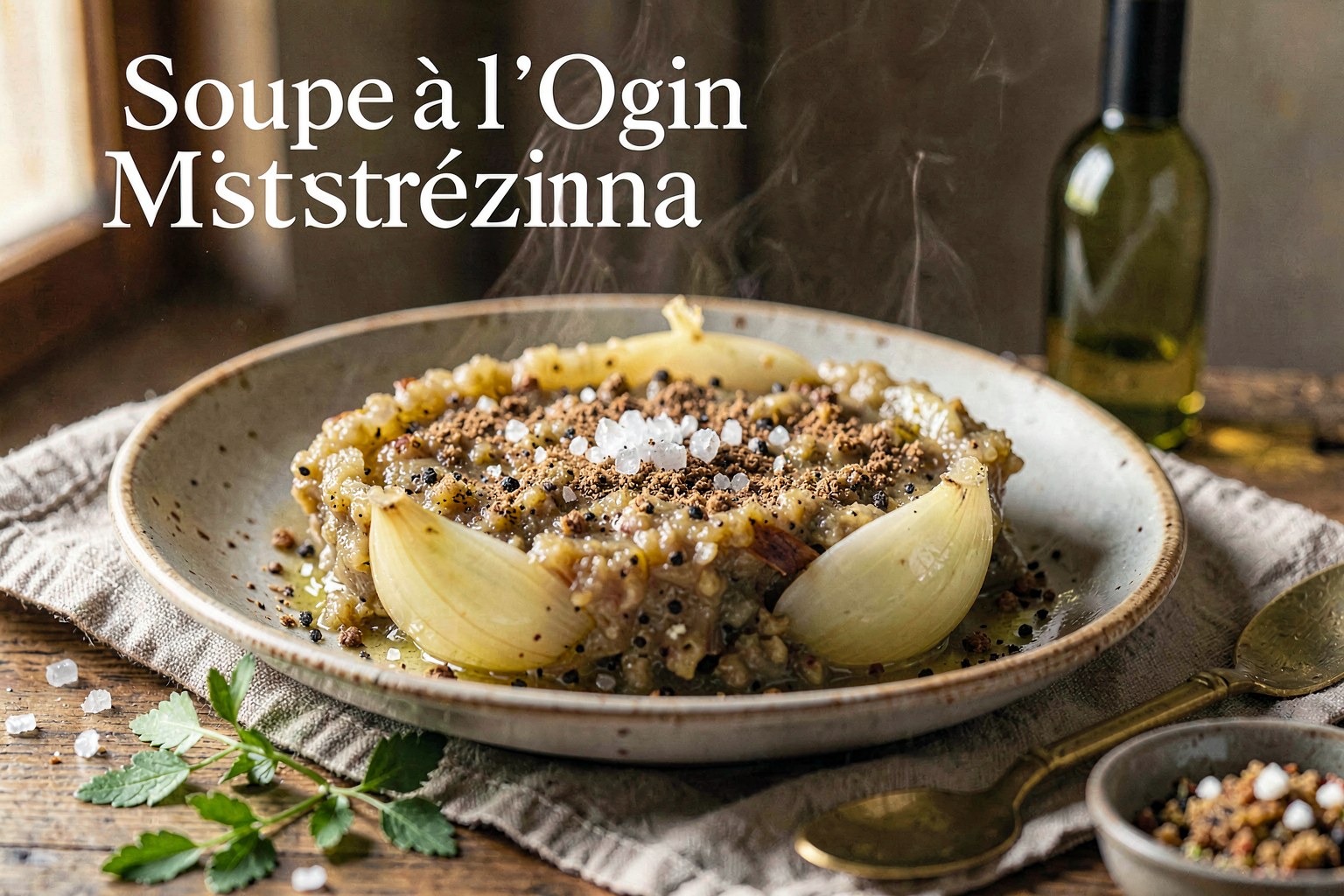
A rustic Provençal onion soup distinct from the classic Parisian version, featuring a savory depth from cumin and a thick, grainy texture achieved by blending the slow-cooked onions with toasted breadcrumbs. This earthy, aromatic dish balances the sweetness of caramelized onions with the warmth of spices and the richness of extra virgin olive oil.
A little context
Originating from the Mistral region of Provence, this soup reflects the area's agricultural heritage where onions, olive oil, and grains were staples. Unlike the cheese-topped French onion soup of Paris, the Mistrézienne style avoids dairy and relies on the texture of the onions and bread thickener for body. It is traditionally a humble, warming winter dish, often served at the end of the harvest or during cold winds from the Mistral. The inclusion of cumin distinguishes it from northern French recipes, hinting at the historical spice trade routes that influenced Provençal cuisine.
Method
- 01
Caramelize the onions
Heat 60 ml (1/4 cup) of the olive oil in the Dutch oven over medium-low heat. Add the sliced onions, salt, and pepper. Cook gently, stirring occasionally, for 25–30 minutes until the onions are deeply golden brown and soft. Do not rush this step; the depth of flavor comes from slow caramelization.
- 02
Toast and spice
Push the onions to the side of the pot. Add the remaining 60 ml (1/4 cup) olive oil to the center. Add the cumin and stir for 30 seconds until fragrant. Mix the cumin oil into the onions.
- 03
Deglaze and simmer
Pour in the hot vegetable broth, scraping up any browned bits from the bottom of the pot. Bring to a boil, then reduce heat to low. Cover and simmer for 15 minutes to allow the flavors to meld.
- 04
Prepare the bread thickener
While the soup simmers, place the torn bread pieces in a small dry skillet over medium heat. Toast for 2–3 minutes, stirring frequently, until the bread is golden and crisp. This prevents the soup from becoming too gummy.
- 05
Blend to texture
Remove the soup pot from heat. Add the toasted bread to the soup. Using an immersion blender, pulse the soup 3–5 times. You want a thick, rustic consistency where some onion strands remain visible, rather than a completely smooth purée. Alternatively, use a food mill for a more traditional grainy texture.
- 06
Final adjustment and serve
Return the pot to low heat for 2 minutes to warm through. Taste and adjust salt if needed. Ladle into deep bowls, drizzle with a tiny extra drop of raw olive oil if desired, and garnish with fresh thyme. Serve immediately while hot.
Pro tips
- ✦Use yellow onions rather than white or red for the best balance of sugar content and structural integrity during long cooking.
- ✦If the soup becomes too thick after blending, simply whisk in a splash of hot water or broth until the desired consistency is reached.
- ✦The toasted bread acts as a starch thickener; ensure it is well-toasted so it dissolves but doesn't make the soup gluey.
- ✦For a deeper flavor, add a bay leaf during the simmering step and remove it before blending.
- ✦This soup tastes even better the next day as the cumin and onion flavors continue to mellow and integrate.
Shop this recipe
As an Amazon Associate we earn from qualifying purchases.
Substitutions
- ground cumin → 1 tsp grated fresh ginger + 1/4 tsp turmeric (changes the flavor profile to be more earthy and slightly citrusy, but maintains the rustic warmth.)
- rustic bread → gluten-free sturdy bread or cooked quinoa (quinoa adds a different grainy texture; ensure it is cooked and cooled before adding.)
Storage
Store in an airtight container in the refrigerator for up to 4 days. The soup will thicken significantly as it cools; reheat gently with a splash of water or broth. Freezes well for up to 3 months; thaw overnight in the fridge before reheating.
What to serve with it
- A crisp, dry Rosé from Provence
- Simple green salad with a lemon vinaigrette
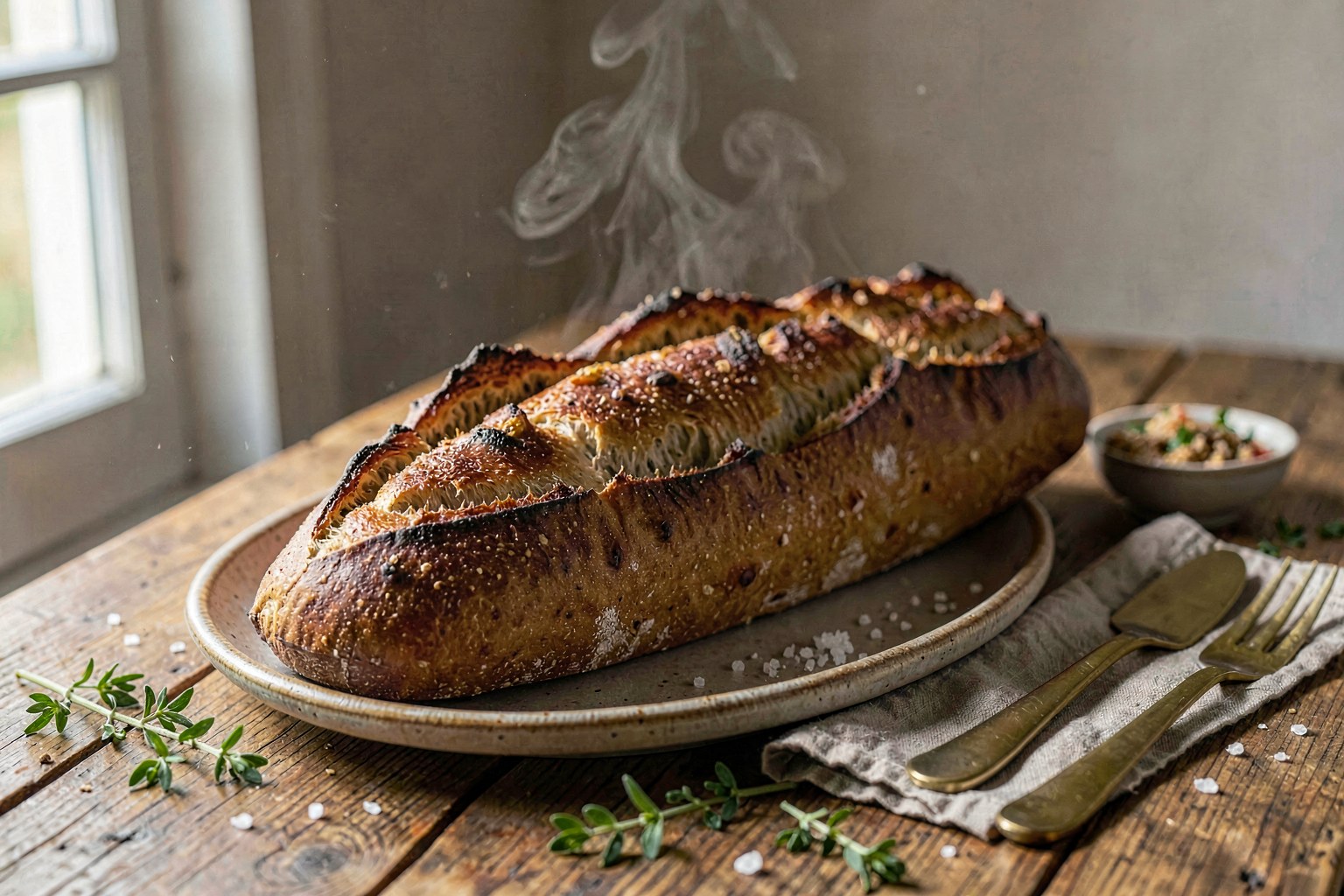
- Crusty baguette (if gluten is not an issue)
- Roasted root vegetables
FAQ
Why is this soup grainy instead of smooth?+
The 'Mistrézienne' style specifically relies on the texture of the toasted bread and partially blended onions to create a rustic, hearty mouthfeel, distinguishing it from the smooth purées of other regions.
Can I make this ahead of time?+
Yes, this dish is ideal for make-ahead meals. The flavors develop beautifully overnight. Just remember to add a little liquid when reheating as the bread thickener will have absorbed more broth.
Share this recipe
Notes from the community
Sign in to leave a note.
No notes yet — be the first.