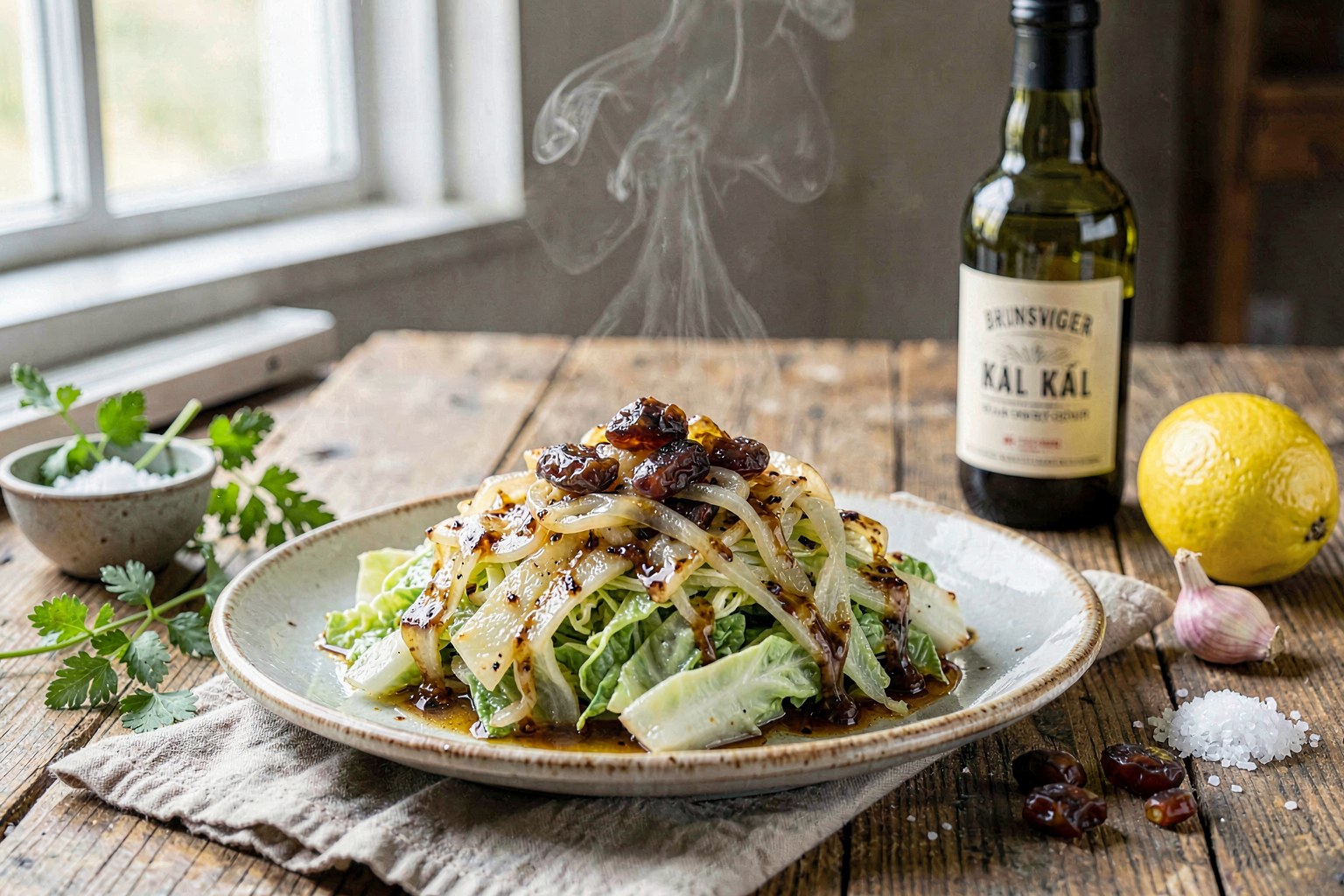
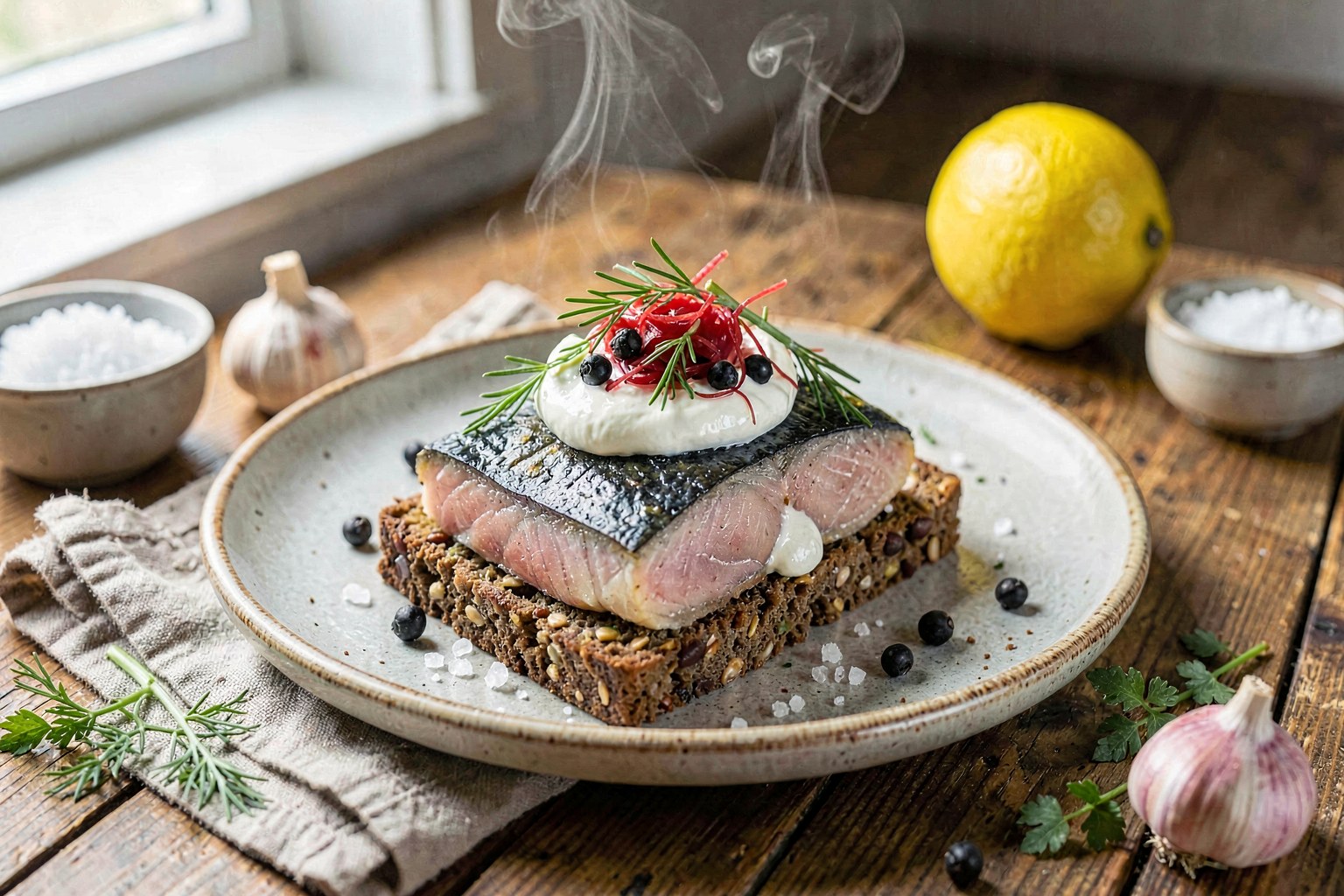
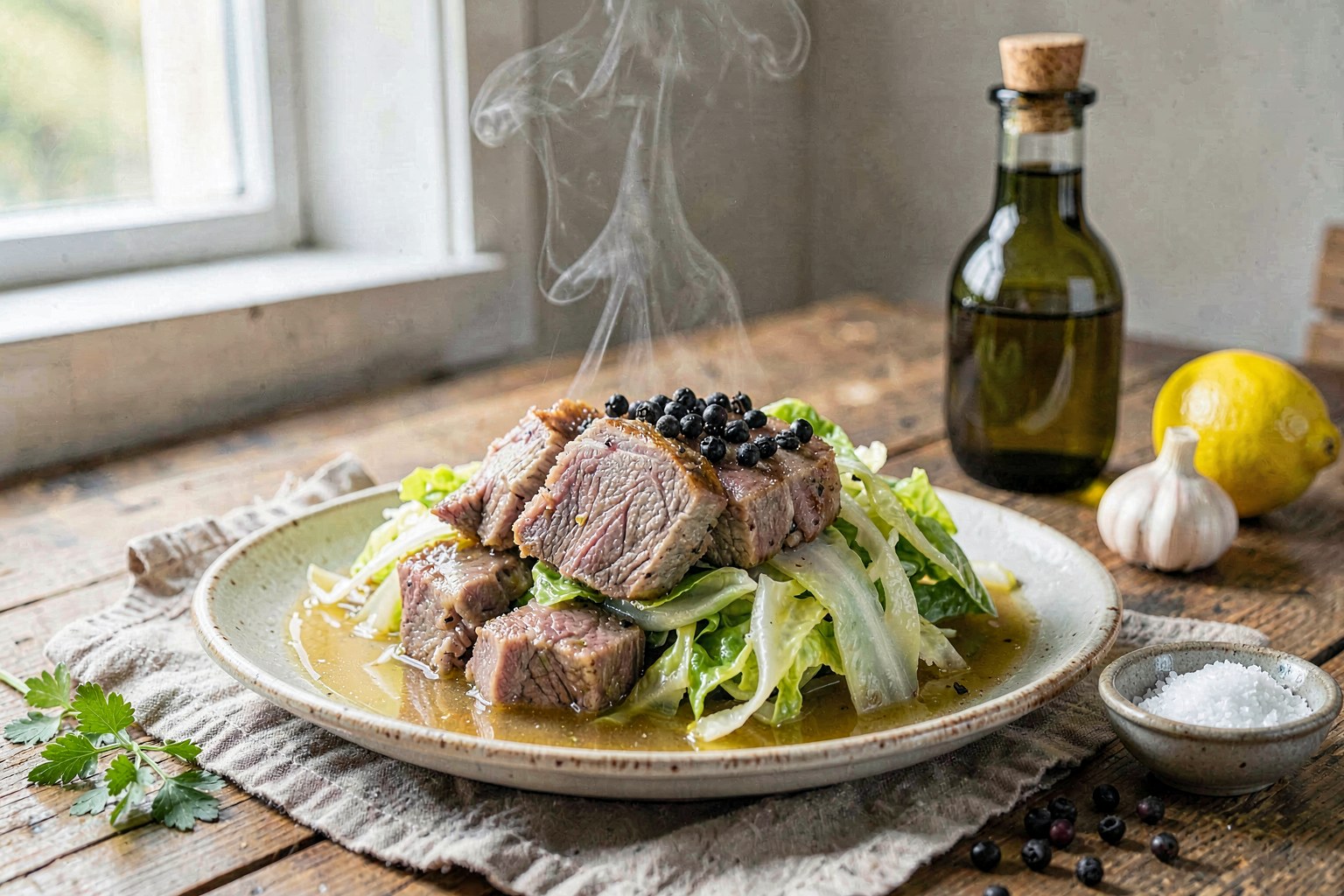
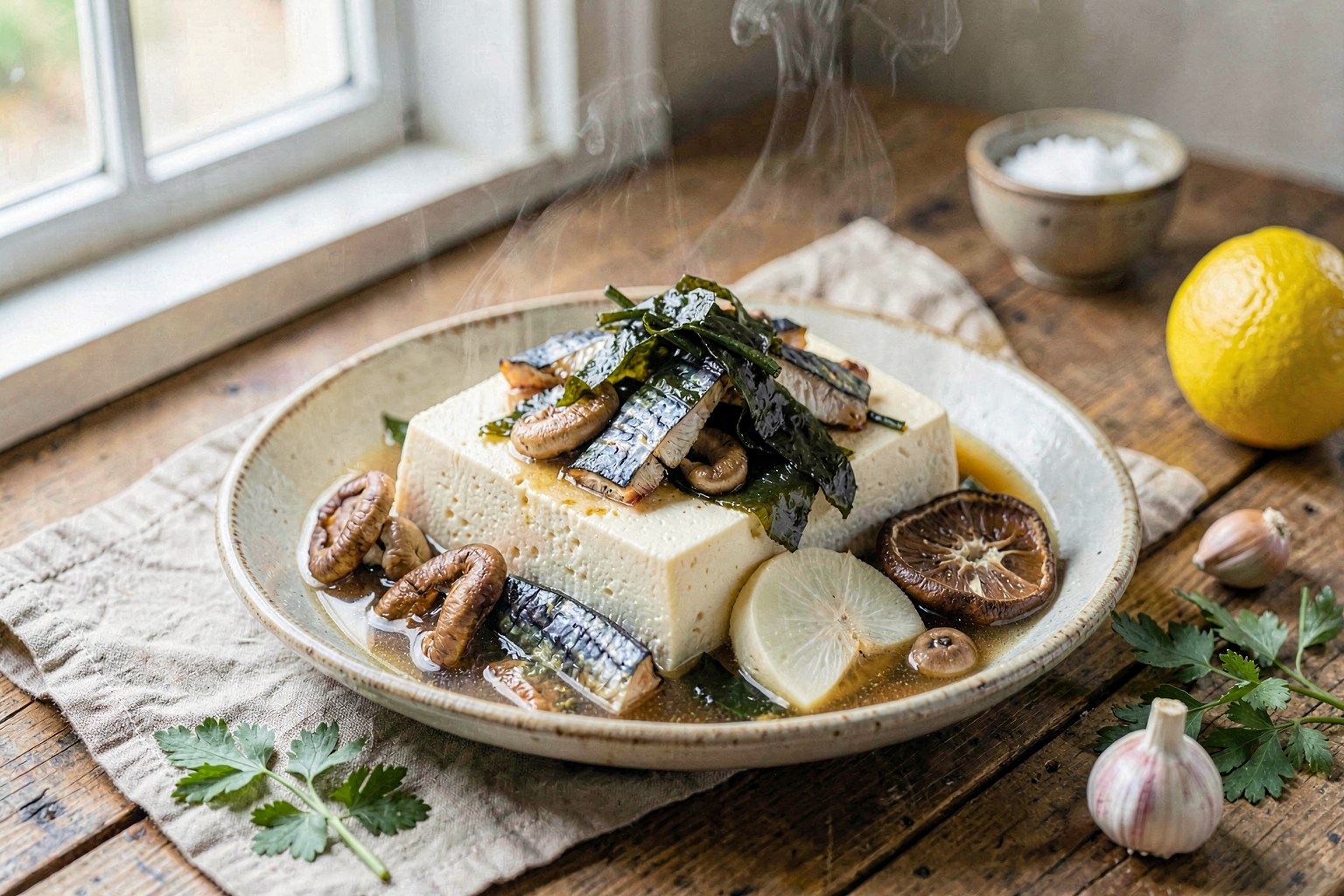
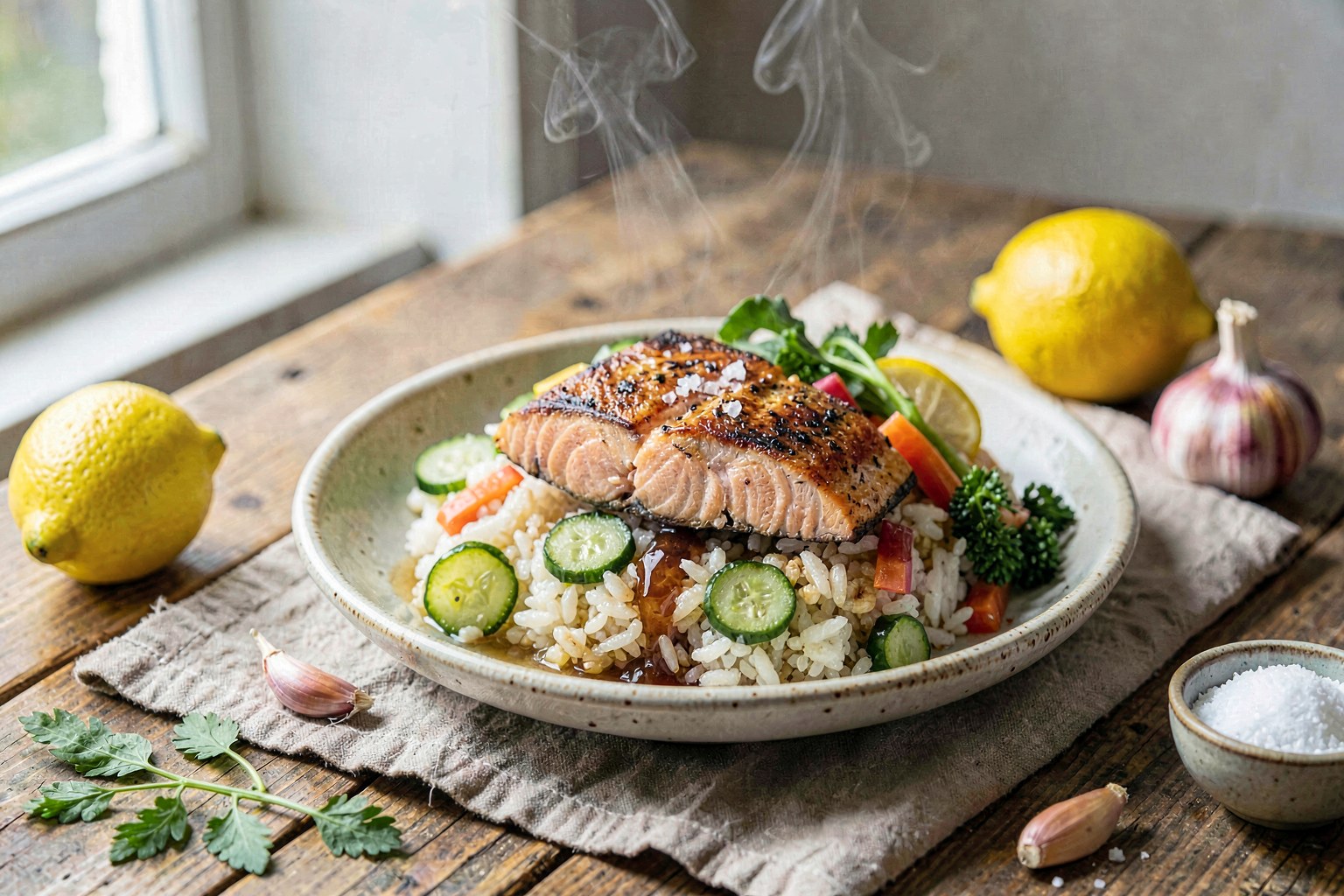
Surströmming in Dill (Nordic Clean Tradition)
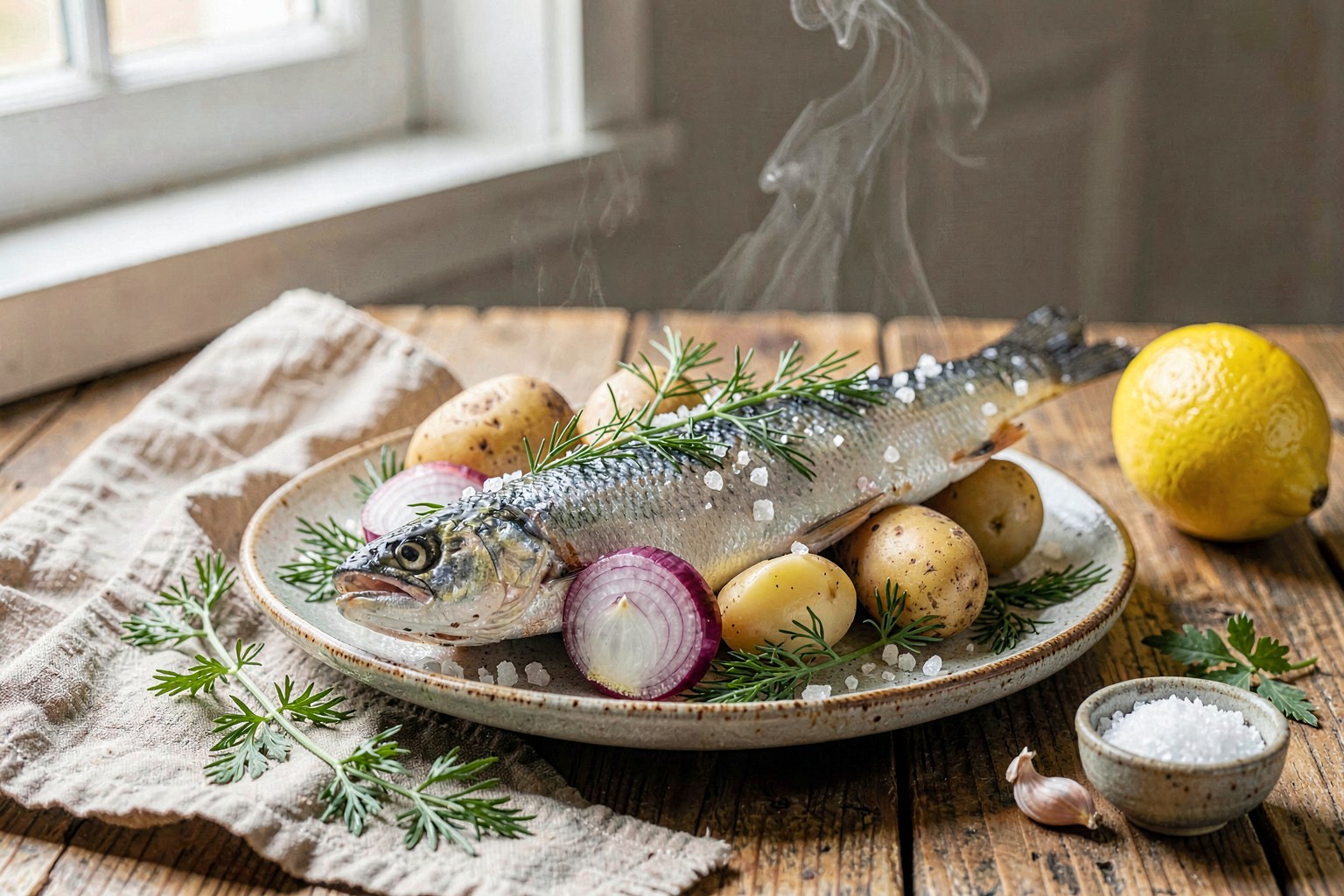
A safe, home-cured adaptation of the Swedish classic, featuring wild-caught herring cured with fresh dill and sea salt. Served with boiled new potatoes, red onion, and extra-virgin olive oil, this dish delivers deep umami flavor without refined sugar or industrial canning.
A little context
This dish honors the Swedish tradition of preserving Baltic herring, a staple for winter survival. We have stripped out the industrial canning, added sugar, and excessive sodium often found in commercial surströmming. Instead, we use a safe, short-term salt cure with wild-caught fish to maintain the probiotic and textural integrity while prioritizing longevity.
Method
- 01
Prepare the herring
Pat the wild-caught herring fillets completely dry with paper towels. Ensure all pin bones are removed using tweezers.
- 02
Mix the cure
In a small bowl, combine the coarse sea salt and chopped fresh dill (including the delicate stems).
- 03
Apply the cure
Place one fillet skin-side down in the glass dish. Rub the salt-dill mixture generously over the flesh side. Top with the second fillet, flesh-side down, to form a sandwich.
- 04
Press and cure
Place a plate on top of the fish and weigh it down with a filled jar or curing weights. Refrigerate for 24 to 48 hours. Turn the fish once after 24 hours.
- 05
Boil the potatoes
While the fish cures, place the scrubbed potatoes in a pot. Cover with cold water and a pinch of salt. Bring to a boil, then simmer for 20-25 minutes until tender.
- 06
Rinse and slice
Remove the fish from the fridge. Rinse the fillets under cold water to remove excess salt and dill. Pat dry and slice diagonally into thin strips.
- 07
Prepare the onion
Soak the sliced red onion in ice water for 10 minutes to mellow the sulfur compounds, then drain well.
- 08
Assemble the plate
Serve the cured herring over or beside the warm boiled potatoes. Top with the red onion slices and a generous drizzle of extra-virgin olive oil.
- 09
Final garnish
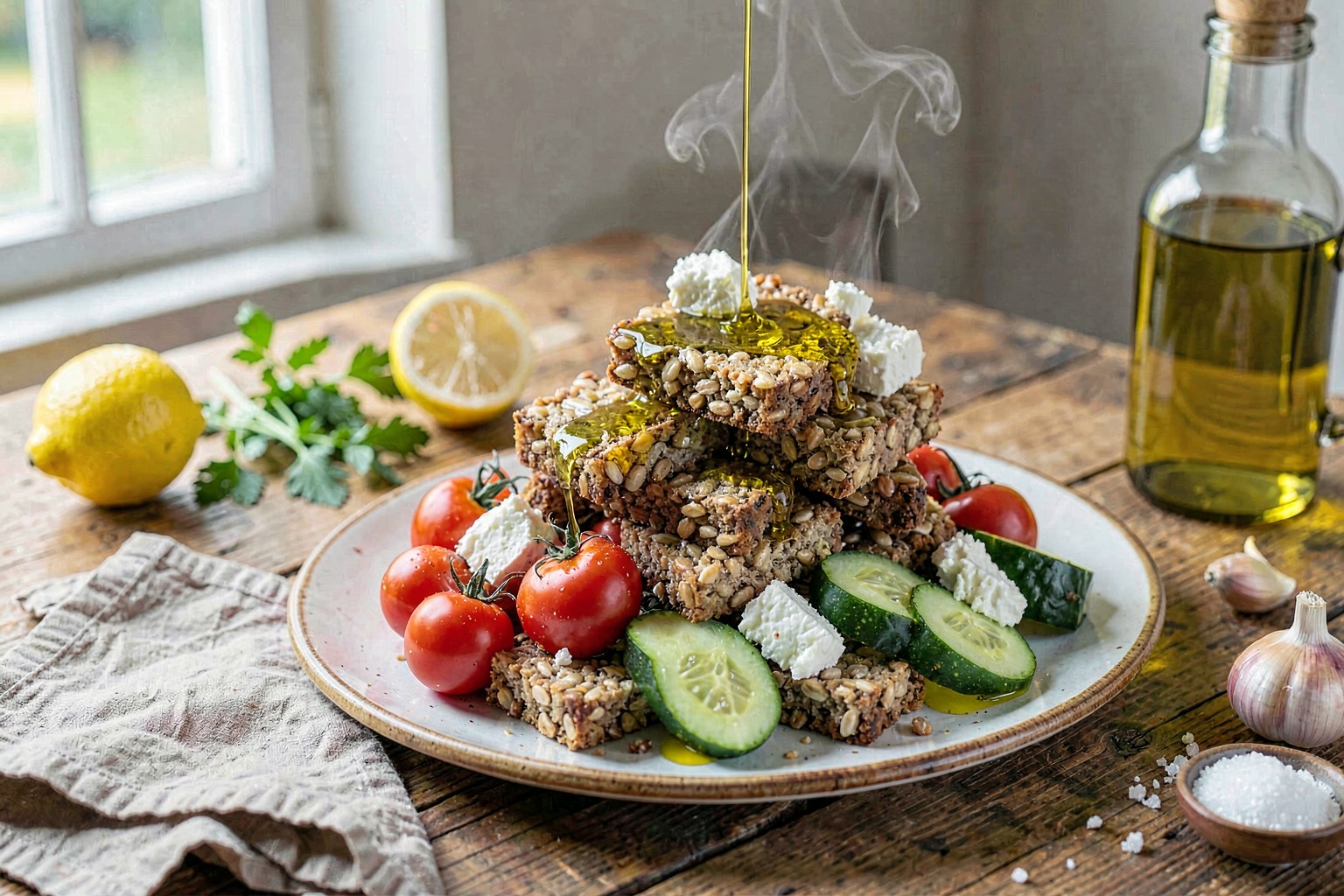
Add fresh dill fronds and serve immediately with the sprouted rye crispbread on the side.
Pro tips
- ✦Ventilate your kitchen well when opening the cured fish; the aroma is potent even in this clean version.
- ✦Sourcing is critical: Ensure your herring is wild-caught and not farm-raised to maximize omega-3 density and minimize contaminants.
- ✦Do not skip the rinsing step; surströmming style is salty, but we want controlled sodium levels for blood pressure health.
- ✦Select dill that is vibrant green with no yellowing; this indicates higher polyphenol content and better flavor.
- ✦If you prefer less salt, reduce the curing time to 24 hours; for more intensity, extend to 48 hours.
Substitutions
- wild-caught Atlantic herring → wild-caught mackerel or sardines (similar fat profile and texture, adjust cure time to 24 hours)
- sprouted rye crispbread → gluten-free seed crackers (ensure no seed oils or refined flours are used)
Storage
Store cured fish in a glass container in the fridge for up to 5 days. Potatoes are best served fresh but can be reheated in a steamer.
What to serve with it
- Dry Swedish aquavit (in moderation)
- Sparkling water with lemon and fresh mint
- Green tea (ceremonial grade)
- Pinot Noir (low sulfite)
FAQ
Is this safe to make at home?+
Yes, this recipe uses a controlled salt cure (gravlax style) rather than traditional fermentation in a can, which eliminates botulism risks associated with home surströmming.
Can I use farmed herring?+
We do not recommend it. Farmed fish often have lower omega-3 levels and may be fed grain-based diets. Wild-caught is essential for the nutrient profile.
Share this recipe
Notes from the community
Sign in to leave a note.
No notes yet — be the first.
You might also like