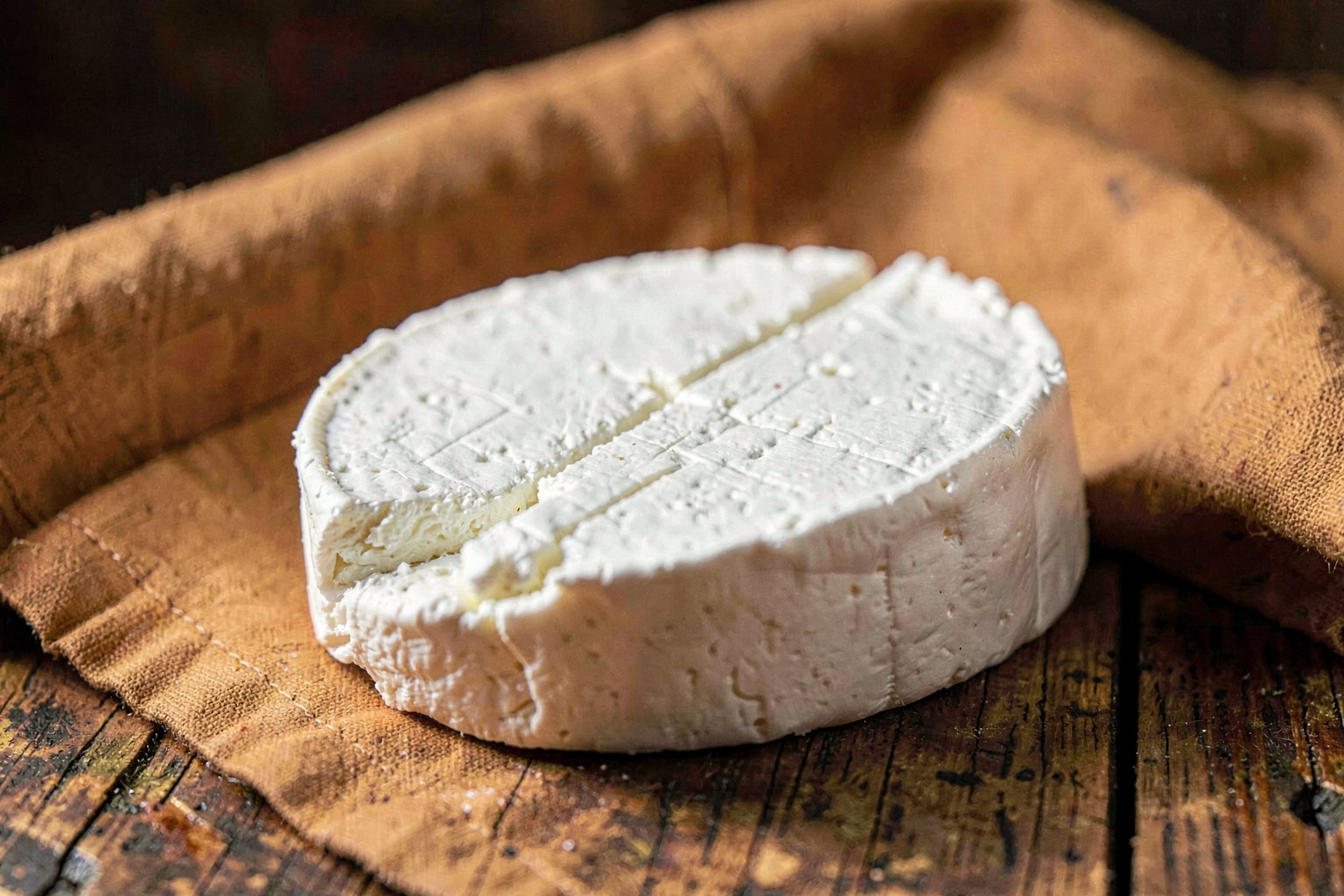
Feta
A brined, crumbly cheese made primarily from sheep's milk with a sharp, salty, and tangy flavor profile.
What it is
Authentic Feta holds a Protected Designation of Origin (PDO) status, meaning it must be produced in specific regions of Greece using a minimum of 70% sheep's milk, with goat's milk making up the remainder. The curds are salted and aged in wooden barrels or tin cans submerged in brine for at least two months. This process develops the cheese's signature tang and preserves it without refrigeration until opened. Texture ranges from creamy and spreadable when young to dry and crumbly when aged. The flavor profile is intensely salty and acidic with a sharp finish that cuts through rich fats. While American "feta" often uses cow's milk and lacks complexity, traditional blocks retain a moist, yielding structure that resists melting, making them ideal for warm applications.
How to buy
Prioritize packages labeled "Made in Greece" with the PDO logo to ensure sheep's milk content. Avoid pre-crumbled feta, which contains anti-caking agents like potato starch that dry out the cheese and mute the flavor. Instead, buy a solid block in brine and crumble it yourself for maximum freshness. Check the expiration date, but also inspect the brine clarity; cloudy liquid with sediment is normal, but a slimy texture on the cheese indicates spoilage. Find authentic brands at Greek delis, cheese counters, or specialty grocers. Mainstream supermarkets often carry cow's milk imitations that lack the necessary acidity.
Storage
Keep the cheese submerged in its original brine inside an airtight container in the coldest part of your refrigerator. Stored this way, Feta can last up to three months beyond the printed date. If the brine evaporates, top it off with fresh salted water. Discard the cheese if it develops pink or green mold, becomes slimy, or smells distinctly sour or ammonia-like.
How to use
Do not cook Feta at high heat for extended periods, as it will release too much water and become rubbery. For salads, crumble it cold to maintain its shape. If the cheese is too salty for your taste, soak it in milk or water for 15 minutes before use. It excels in baked applications like spanakopita where it provides moisture without dissolving completely. Use it generously in grain bowls or roasted vegetable medleys to add a sharp contrast to earthy flavors.
Where it comes from
Feta is a pillar of Greek daily life, regulated by strict EU laws to protect its heritage. It appears in every meal, from breakfast with bread and honey to dinner in village salads. The cheese represents the pastoral history of the Greek islands, where sheep and goats thrive on rocky terrain, producing milk high in fat and protein essential for the cheese's texture.
Substitutions
- Sheep's Milk Queso Fresco — Milder and less crumbly, but similar texture
- Cotija — Drier and saltier; best for garnishing hot dishes