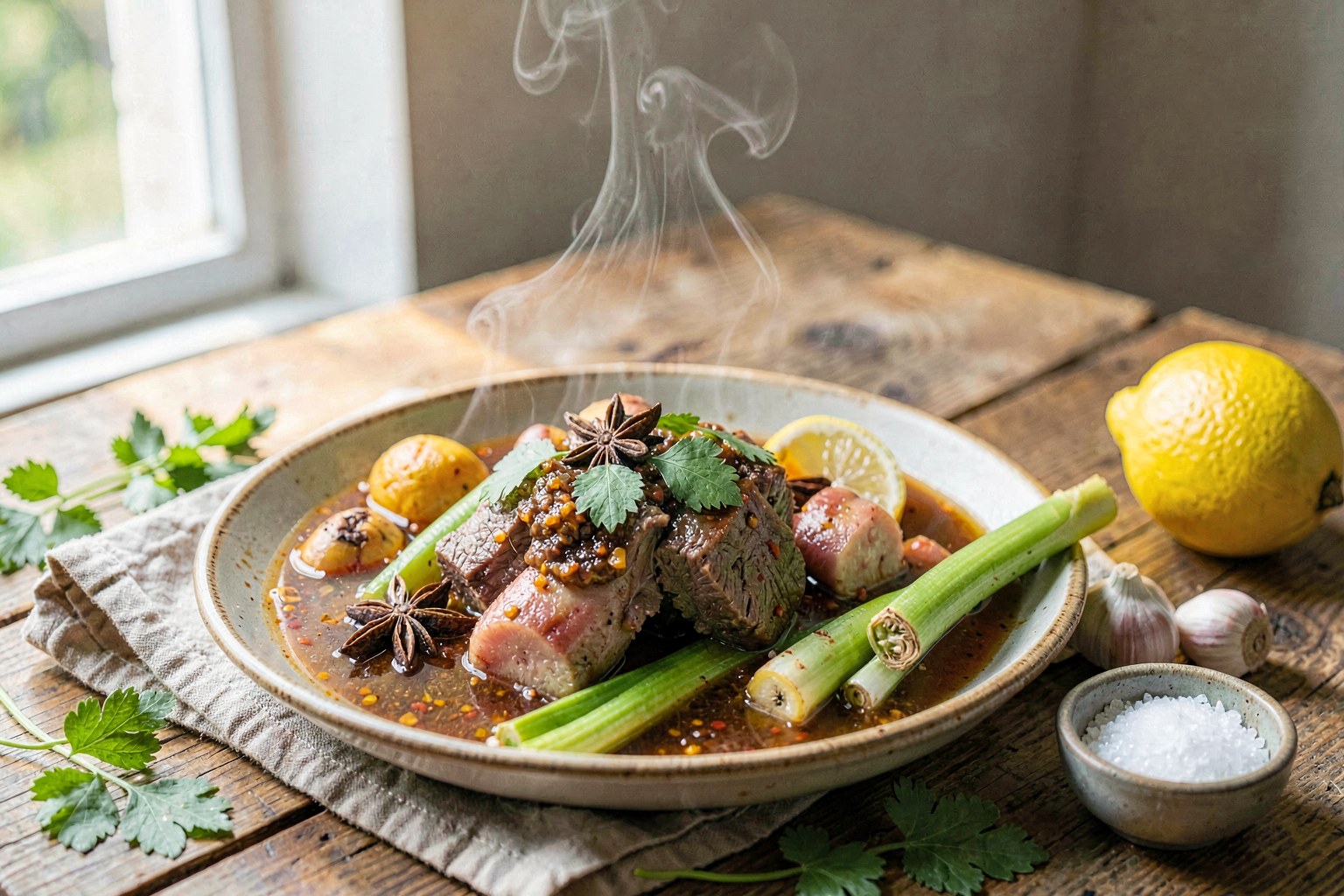
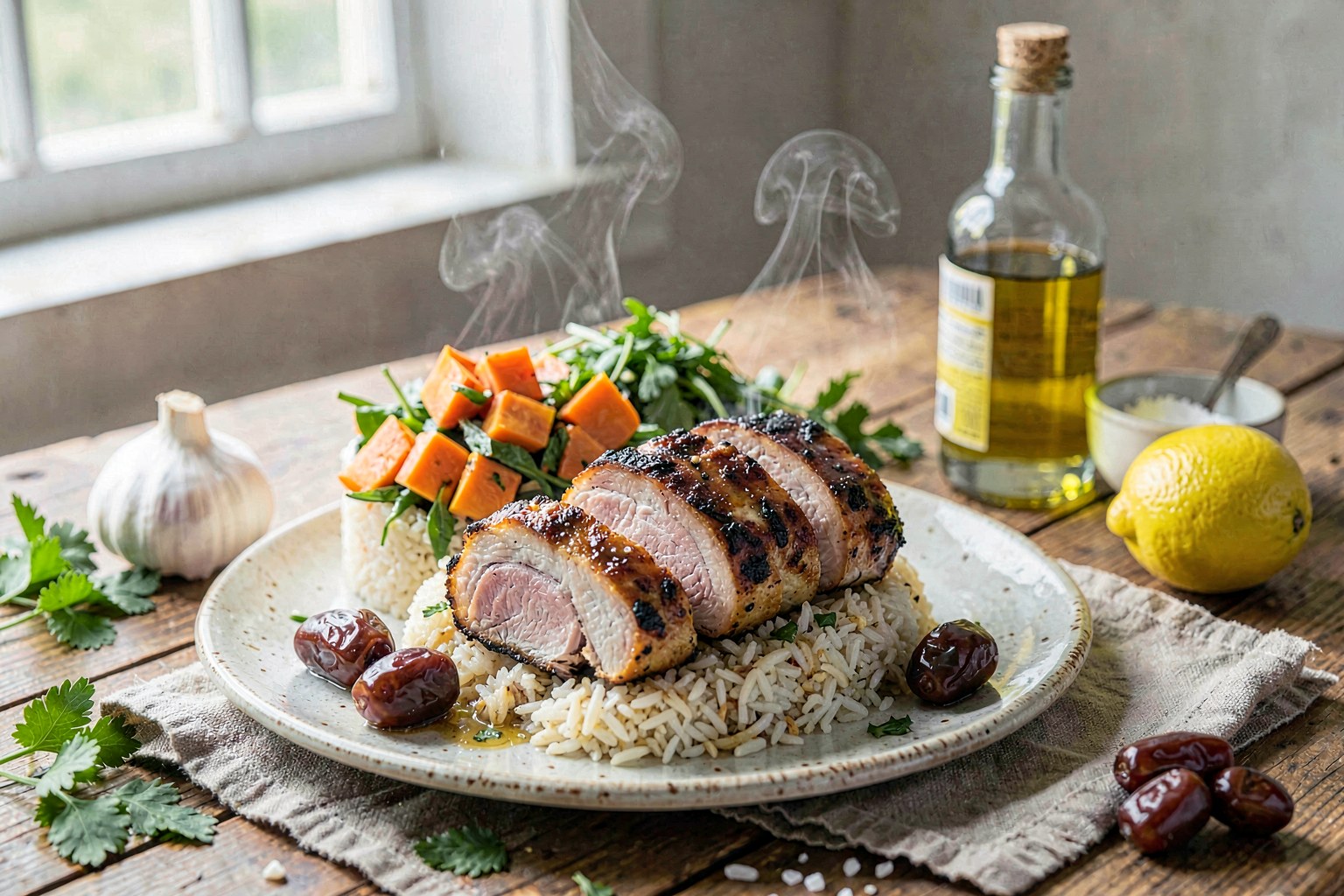
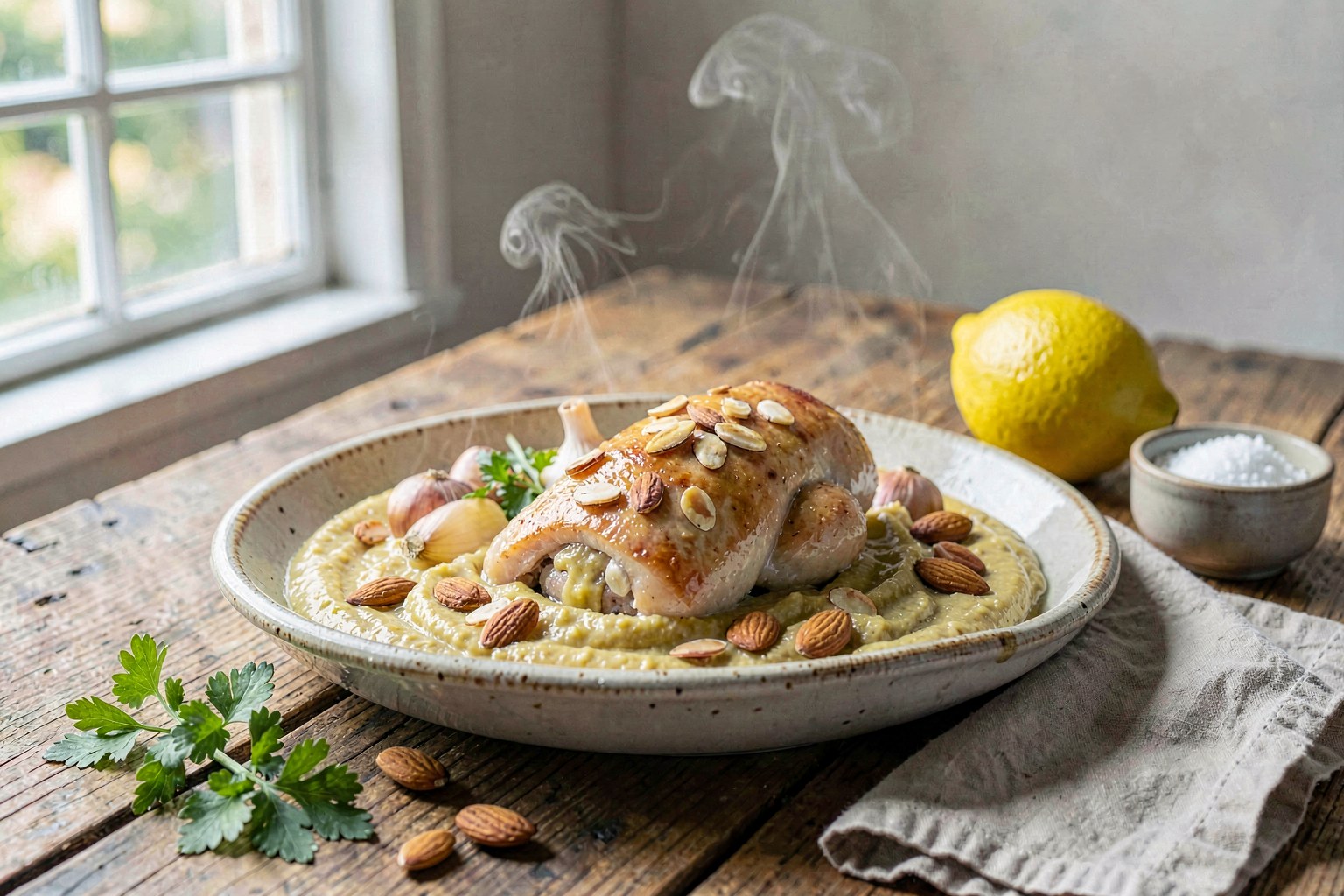
Andean Creamy Aji de Gallina with Pastured Chicken and Toasted Almonds
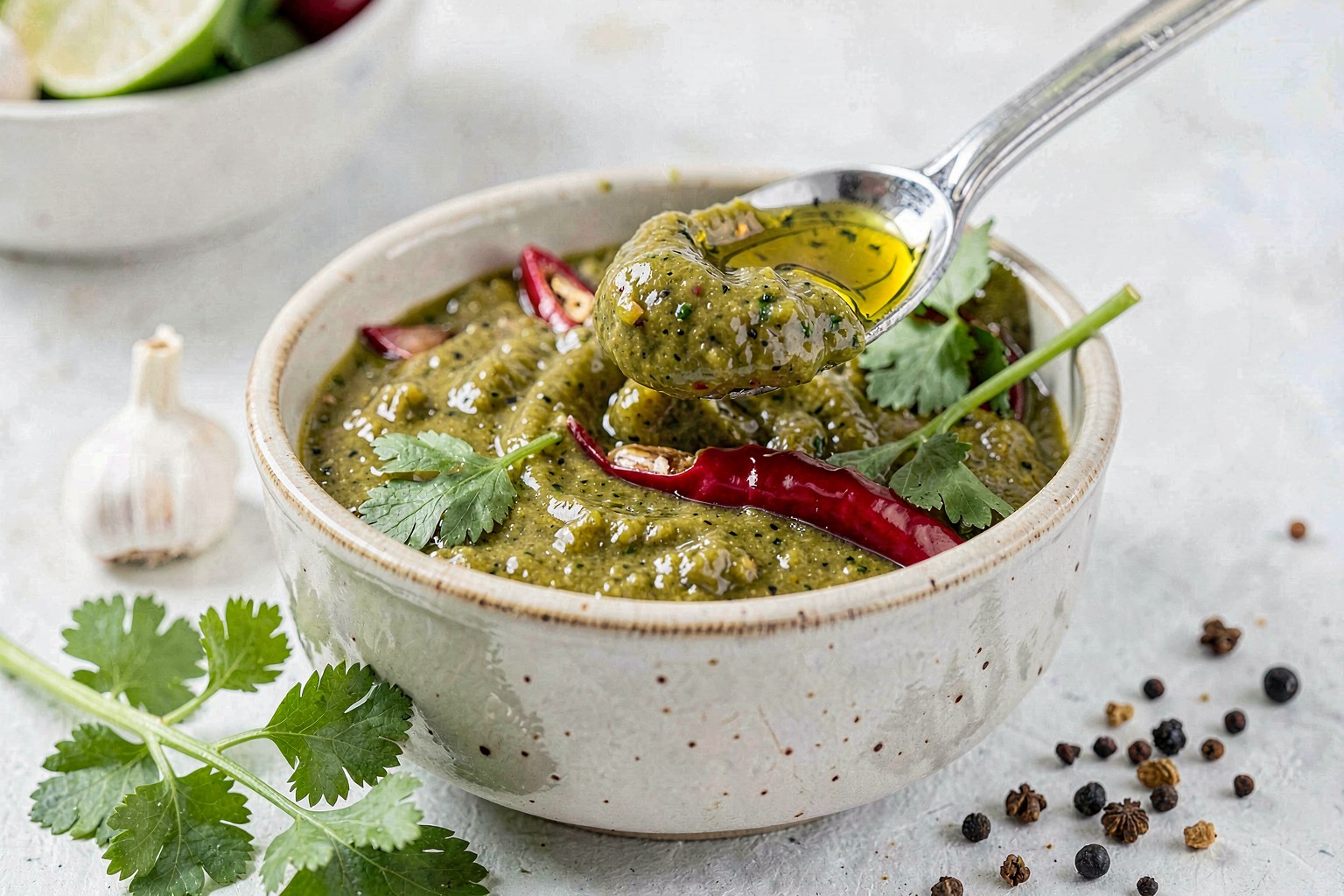
This farm-fresh interpretation of Peru's national comfort food replaces industrial seed oils and processed milk with a velvety emulsion of toasted almonds, grass-fed butter, and aji amarillo peppers. The dish delivers a gentle, warming spice and deep umami from slow-simmered pasture-raised chicken, creating a nutrient-dense stew that honors the Andes while adhering to strict longevity protocols.
A little context
Aji de Gallina is a beloved Peruvian staple traditionally made with bread, milk, and vegetable oil; we honor this heritage by utilizing sprouted or gluten-free bread, raw milk (or unsweetened almond milk), and high-quality EVOO. We have eliminated the refined sugar often added to balance the heat, relying instead on the natural sweetness of caramelized onions and a touch of raw honey if absolutely necessary. The core technique of toasting the nuts and peppers to build a complex, spicy-savory sauce remains untouched, preserving the soul of the dish.
The longevity story
The health profile of this stew relies on the polyphenol density of extra-virgin olive oil and the anthocyanins in the aji amarillo peppers, which support vascular health. Toasted almonds provide a source of vitamin E and healthy monounsaturated fats, replacing the inflammatory omega-6s found in traditional versions using vegetable oil. The use of pasture-raised chicken ensures a superior fatty acid profile with higher omega-3s compared to grain-fed birds, while the slow-cooking method preserves the collagen and amino acids essential for gut lining integrity.
Method
- 01
Poach the Chicken
Place the pasture-raised chicken thighs in a large pot, cover with water, and add a pinch of salt. Bring to a gentle simmer and cook for 25–30 minutes until the meat is tender and easily pulls from the bone. Reserve 250 ml (1 cup) of the rich chicken broth, then remove the chicken, let it cool, shred it into bite-sized pieces, and discard the skin and bones.
- 02
Toast the Almonds
In a dry skillet over medium heat, toast the raw almonds for 3–5 minutes until they are fragrant and lightly golden. Be careful not to burn them, as this will make the sauce bitter. Transfer to a plate to cool completely.
- 03
Sauté the Aromatics
Heat 30 ml (2 tbsp) of the extra-virgin olive oil and the grass-fed butter in the Dutch oven over medium heat. Add the finely diced onions and a pinch of salt, cooking for 8–10 minutes until soft and translucent. Add the minced garlic and cook for another minute until fragrant.
- 04
Build the Spice Base
Stir in the aji amarillo paste and ground turmeric, cooking for 2 minutes to awaken the flavors and remove any raw edge. The paste should turn a vibrant yellow-orange color.
- 05
Create the Emulsion
In the high-speed blender, combine the toasted almonds, torn bread, the remaining 30 ml olive oil, the reserved chicken broth, and the whole milk. Blend on high for 60 seconds until the mixture is completely smooth and creamy. If the mixture is too thick, add a splash more milk or broth.
- 06
Simmer and Thicken
Pour the almond-milk emulsion into the Dutch oven with the onion and aji mixture. Stir well to combine. Bring to a very gentle simmer (do not boil vigorously) and cook for 10–15 minutes, stirring frequently, until the sauce thickens to a rich, gravy-like consistency.
- 07
Combine and Finish
Add the shredded chicken to the sauce. Reduce heat to low and simmer for another 5 minutes to allow the chicken to absorb the flavors. Taste and adjust seasoning with sea salt. The consistency should be thick enough to coat the back of a spoon.
- 08
Serve
Serve hot in shallow bowls, topped with a slice of hard-boiled egg, a generous sprinkle of fresh chopped parsley, and a side of steamed white rice or boiled yellow potatoes (traditional accompaniments). A drizzle of high-quality EVOO on top adds a final polyphenol boost.
Nutrition facts
Per serving · 1 of 4- — Saturated
- 22 g
- — Polyunsaturated
- 19 g
- Carbohydrates
- 79 g
- — Fiber
- 7 g
- — Sugars
- 27 g
- Cholesterol
- 221 mg
- Sodium
- 2601 mg
- Potassium
- 1264 mg
Estimated from USDA FoodData Central for matched ingredients (85% ingredient coverage). Values vary with brand, preparation, and exact measurements.
Pro tips
- ✦Source aji amarillo paste carefully: many commercial brands add sugar or seed oils; look for organic brands with only peppers, oil, and salt, or make your own by roasting fresh aji peppers.
- ✦Toasting the almonds is non-negotiable; it releases the oils and creates the deep, nutty backbone of the sauce that raw almonds cannot provide.
- ✦For the smoothest texture, pass the blended sauce through a fine-mesh sieve before adding it to the pot to remove any almond skins or bread lumps.
- ✦If the sauce becomes too thick upon reheating, thin it with a splash of warm chicken broth rather than water to maintain the savory depth.
Shop this recipe
As an Amazon Associate we earn from qualifying purchases.
Substitutions
- whole milk → unsweetened almond milk or oat milk (ensures the dish remains dairy-free while maintaining creaminess)
- sprouted white bread → gluten-free sprouted bread or 60g cooked white rice (traditional Peruvian cooks often use rice to thicken if bread is unavailable)
- pasture-raised chicken thighs → wild-caught salmon fillet (for a pescatarian version, poach the salmon gently and fold in at the end to prevent overcooking)
Storage
Store in an airtight glass container in the refrigerator for up to 4 days. The sauce may thicken when cold; reheat gently on the stove with a splash of broth. Freezing is not recommended as the dairy and almond emulsion may separate upon thawing.
What to serve with it
- Steamed white rice or boiled yellow potatoes (papa amarilla)
- Fresh green tea or a glass of water with lemon
- A crisp, dry Pinot Noir or a light Andean chicha morada (made without sugar)
- Simple green salad with arugula and EVOO vinaigrette
FAQ
Is this dish spicy?+
Aji amarillo provides a distinct, fruity heat that is mild to moderate. If you are sensitive to spice, you can reduce the amount of paste by half or remove the seeds before making the paste.
Can I make this ahead of time?+
Yes, this stew actually tastes better the next day as the flavors meld and the sauce thickens. Reheat gently to preserve the emulsion.
Why use EVOO instead of butter for sautéing?+
While butter is used for richness, EVOO has a higher smoke point and adds significant polyphenols. We use a combination to balance flavor and stability.
Share this recipe
Notes from the community
Sign in to leave a note.
No notes yet — be the first.
You might also like