Sardinian Fava al Purgatorio (Blue Zone Style)
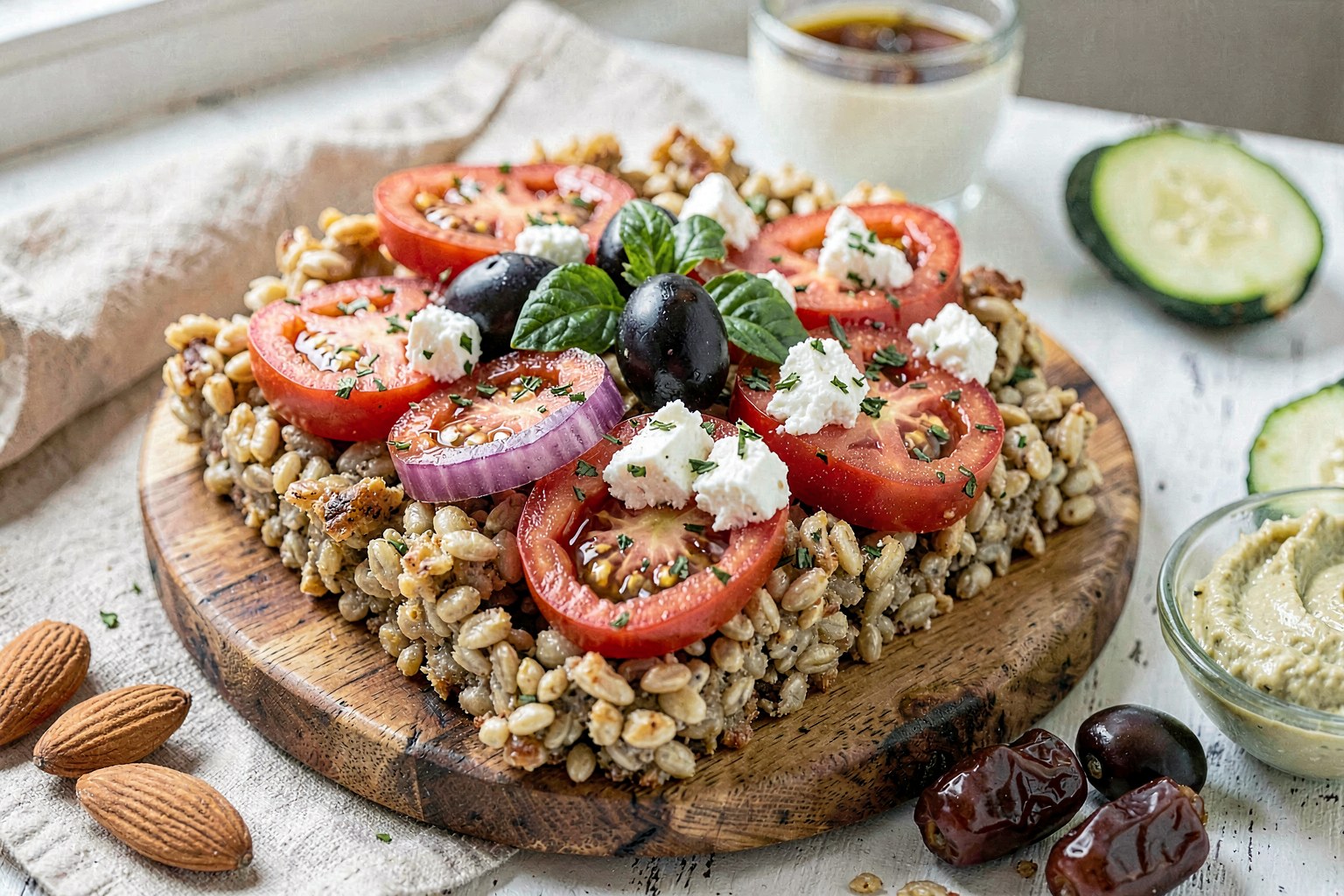
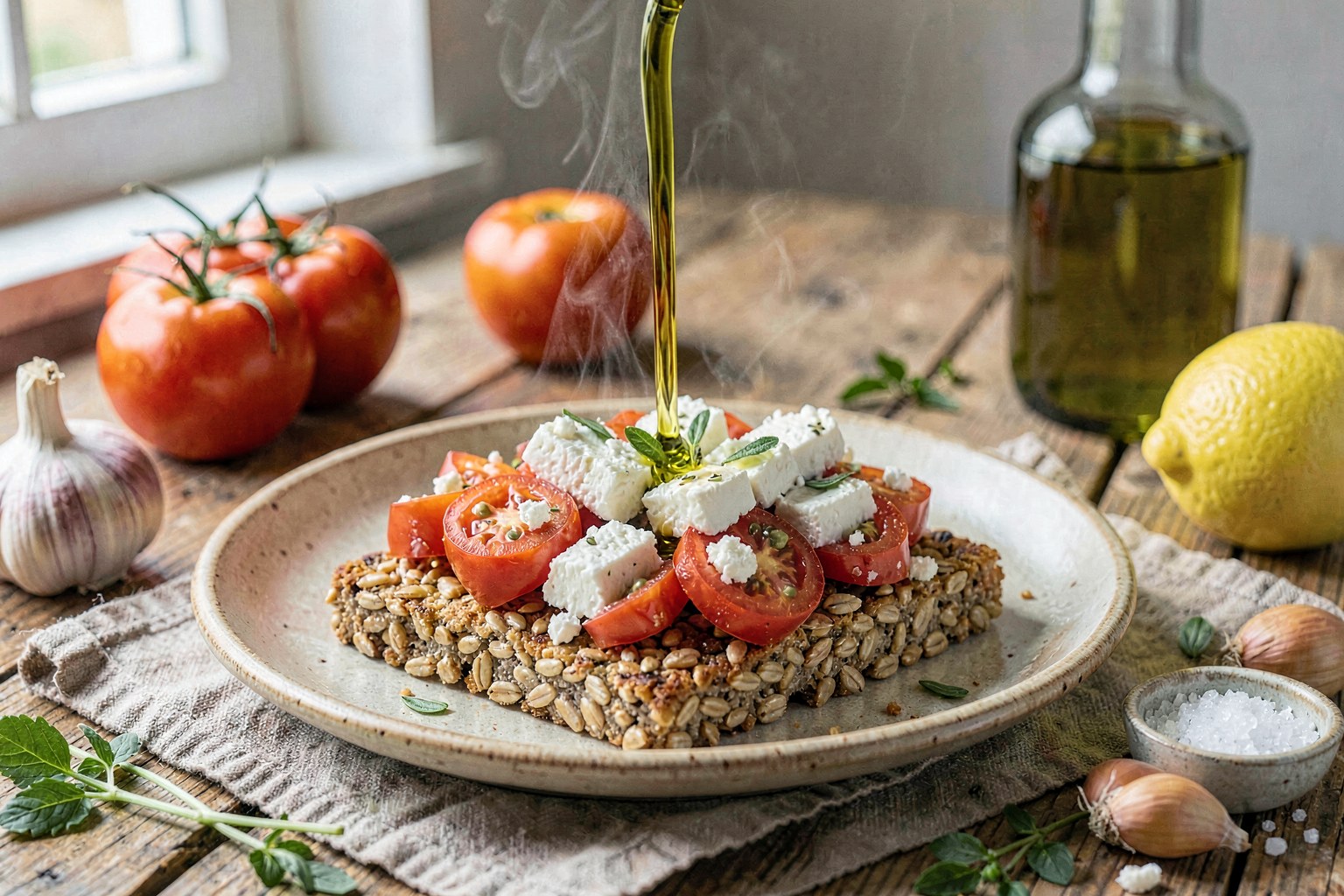
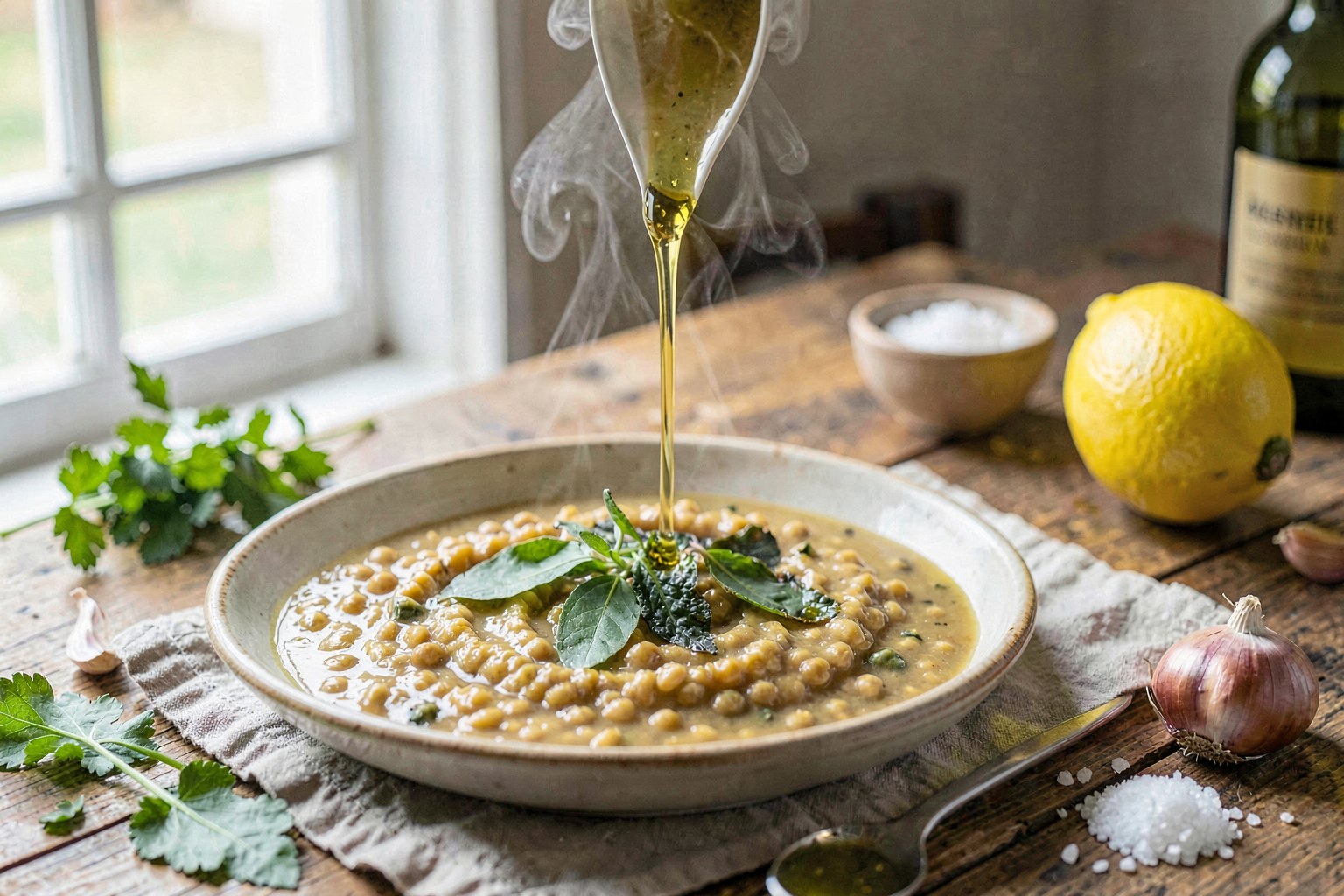
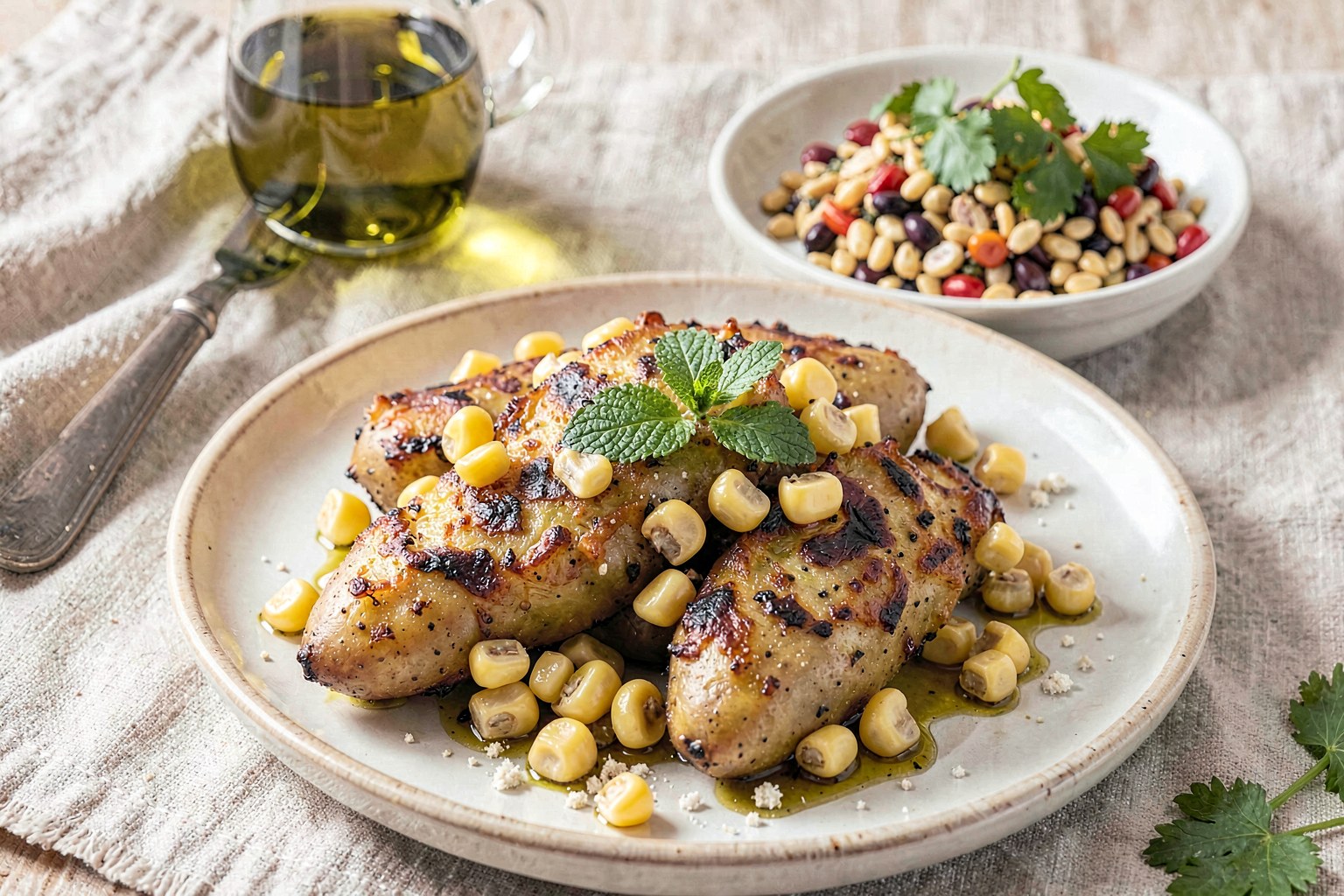
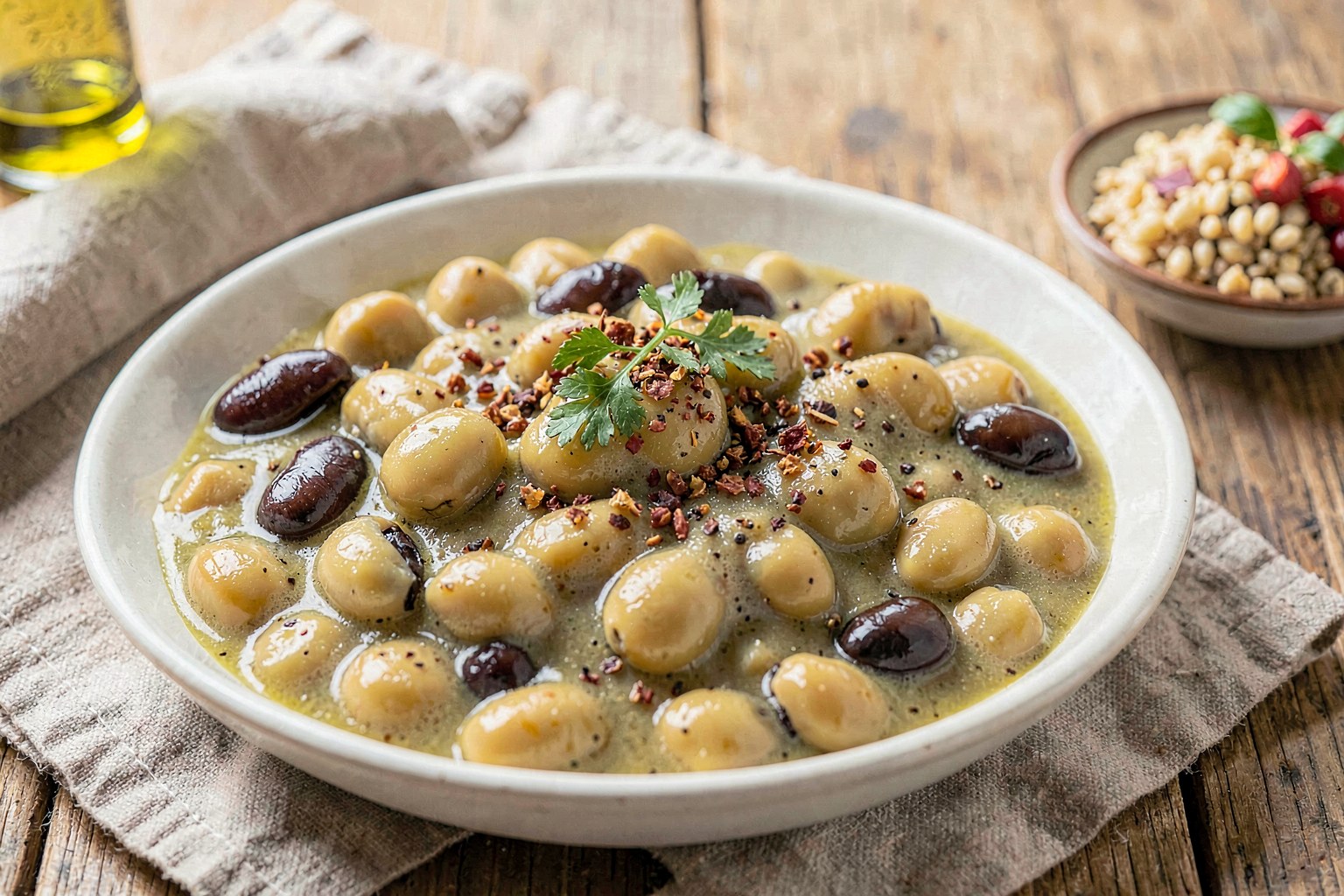
This rustic Sardinian side dish features creamy, slow-simmered fava beans tempered with garlic, chili flakes, and cumin, all bound together by a generous emulsion of extra-virgin olive oil. The result is a savory, earthy dish that balances the natural sweetness of the legumes with a gentle, warming heat, perfectly honoring the longevity traditions of the Blue Zone.
A little context
Originating from the rural hills of Sardinia, one of the world's original Blue Zones, this dish traditionally relies on dried fava beans cooked until they disintegrate into a creamy texture. We have honored this ancient method by insisting on organic, sprouted, or high-quality dried beans to reduce phytic acid, and strictly replacing any commercial vegetable oils with cold-pressed, polyphenol-dense EVOO. No refined sugars or processed bouillons are used; the depth of flavor comes solely from slow reduction and the quality of the raw ingredients.
The longevity story
Fava beans provide a robust source of plant-based protein, fiber, and L-dopa, a precursor to dopamine that supports neurological health. The dish is rich in polyphenols from the high-quality extra-virgin olive oil (EVOO), which contains oleocanthal, a compound with potent anti-inflammatory properties similar to ibuprofen. Garlic and chili flakes contribute allicin and capsaicin, respectively, which support cardiovascular health and metabolic function without spiking blood sugar.
Method
- 01
Drain and rinse the beans
Drain the soaked fava beans thoroughly and rinse them under cold filtered water. If using fresh fava beans, you may need to blanch them briefly and slip off the outer skins for a smoother texture, though leaving skins on is traditional and adds fiber.
- 02
Sauté the aromatics
In your heavy pot, heat 30 ml (2 tbsp) of the extra-virgin olive oil over medium-low heat. Add the sliced garlic, toasted cumin seeds, and chili flakes. Sauté gently for 2-3 minutes until the garlic is fragrant and just beginning to turn golden, being careful not to burn it, which would introduce bitterness.
- 03
Simmer the beans
Add the drained beans to the pot and stir to coat them in the spiced oil. Pour in 1 liter (4 cups) of filtered water, ensuring the beans are covered by at least 2-3 cm. Bring to a boil, then immediately reduce the heat to a low simmer. Cover partially and cook for 45-60 minutes, stirring occasionally, until the beans are fork-tender and beginning to break apart.
- 04
Adjust seasoning and texture
Once the beans are soft, season with 1 tsp of sea salt. Use an immersion blender or a potato masher to crush about half of the beans directly in the pot, creating a thick, creamy broth while leaving some whole beans for texture. If the mixture is too thick, add a splash of warm water; if too thin, simmer uncovered for 5 more minutes.
- 05
Emulsify with olive oil
Remove the pot from the heat. Stir in the remaining 60 ml (4 tbsp) of extra-virgin olive oil vigorously to create a rich, glossy emulsion. This step is critical for the 'Purgatorio' style, where the oil binds the sauce and delivers maximum polyphenols.
- 06
Serve immediately
Garnish generously with fresh chopped parsley and a final drizzle of high-quality EVOO if desired. Serve warm as a side dish or a light main with crusty sourdough.
Nutrition facts
Per serving · 1 of 4- — Saturated
- 4 g
- — Polyunsaturated
- 4 g
- Carbohydrates
- 12 g
- — Fiber
- 3 g
- — Sugars
- 1 g
- Cholesterol
- 0 mg
- Sodium
- 547 mg
- Potassium
- 176 mg
Estimated from USDA FoodData Central for matched ingredients (71% ingredient coverage). Values vary with brand, preparation, and exact measurements.
Pro tips
- ✦Sourcing matters: Look for 'organic' dried fava beans to ensure they are free from pesticide residues, which can accumulate in the seed coat.
- ✦The oil is the sauce: Do not skimp on the extra-virgin olive oil. A high-quality, peppery variety (high in oleocanthal) is the primary source of anti-inflammatory compounds in this dish.
- ✦Texture control: If you prefer a completely smooth purée, blend all beans. If you like rustic texture, mash only half. The traditional Sardinian style is often rustic.
- ✦Freshness check: When buying fresh fava beans in season, the pods should be bright green and firm; if they look dull or have black spots, the beans inside may be tough or bitter.
Shop this recipe
As an Amazon Associate we earn from qualifying purchases.
Substitutions
- dried fava beans → fresh shelled fava beans (Reduce cook time to 15-20 minutes; blanch and peel skins for a milder, silkier texture.)
- cumin seeds → ground cumin (Use 1 tsp ground cumin added during the sauté step, but whole seeds offer better flavor stability.)
Storage
Store in an airtight glass container in the refrigerator for up to 4 days. The flavors often improve on the second day. Reheat gently over low heat, adding a splash of water or oil if the consistency has thickened.
What to serve with it
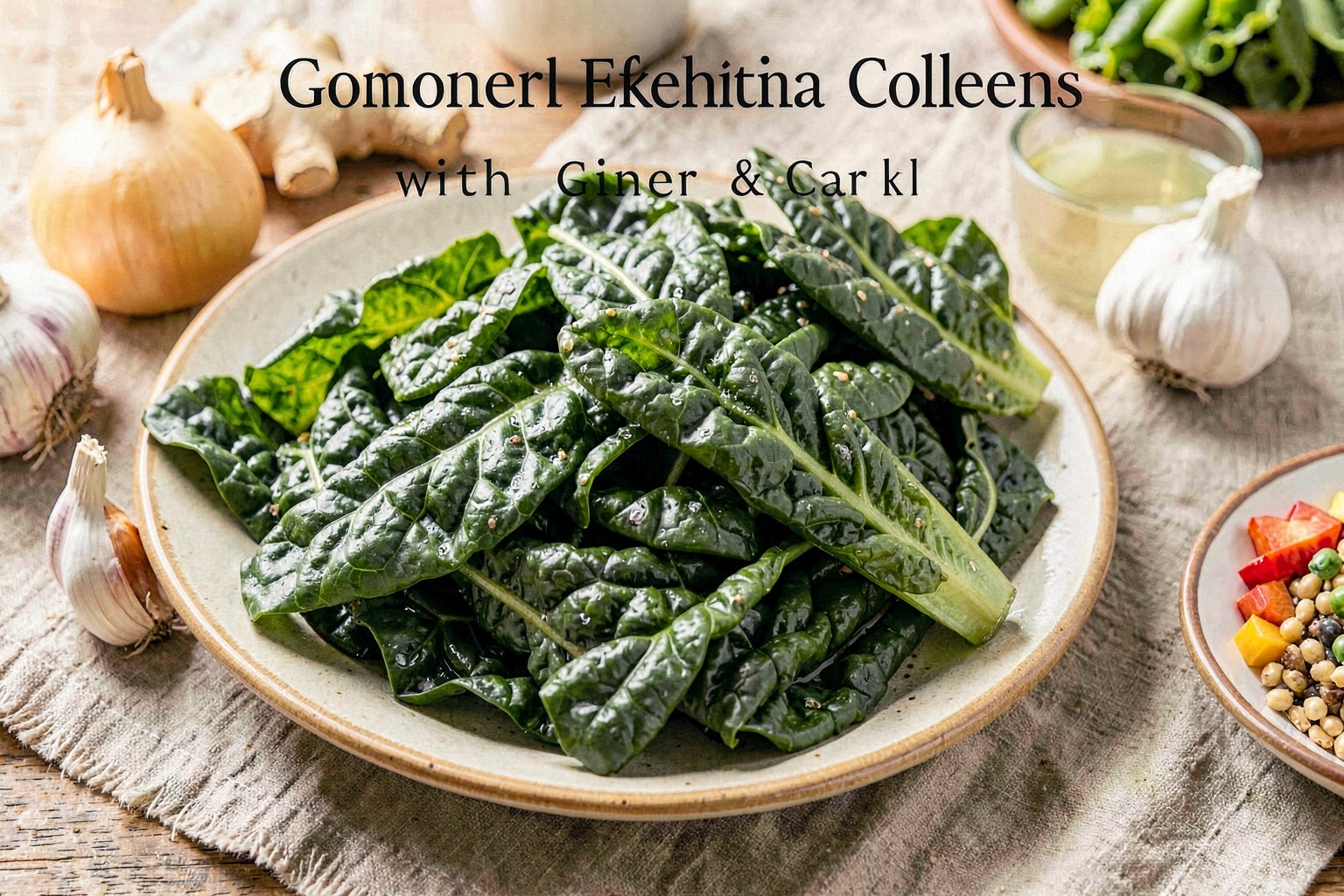
- Serve with a side of sautéed kale or chard for extra micronutrients.
- Pair with a glass of Cannonau wine (Sardinia's native red, high in antioxidants) or unsweetened hibiscus tea.
- Accompany with a small portion of fermented vegetables like sauerkraut to boost gut diversity.
FAQ
Why must I soak the dried beans?+
Soaking reduces phytic acid, which can inhibit mineral absorption, and significantly shortens the cooking time, ensuring the beans break down properly without remaining hard.
Can I use canned fava beans?+
While convenient, canned beans often contain added salt and preservatives. If you must use them, choose a brand with no added oil or sugar, rinse thoroughly, and reduce the cooking time to just heating through and mashing.
Share this recipe
Notes from the community
Sign in to leave a note.
No notes yet — be the first.
You might also like