Okinawa Red Ginger Tea (Shoga Cha) — Longevity Tonic
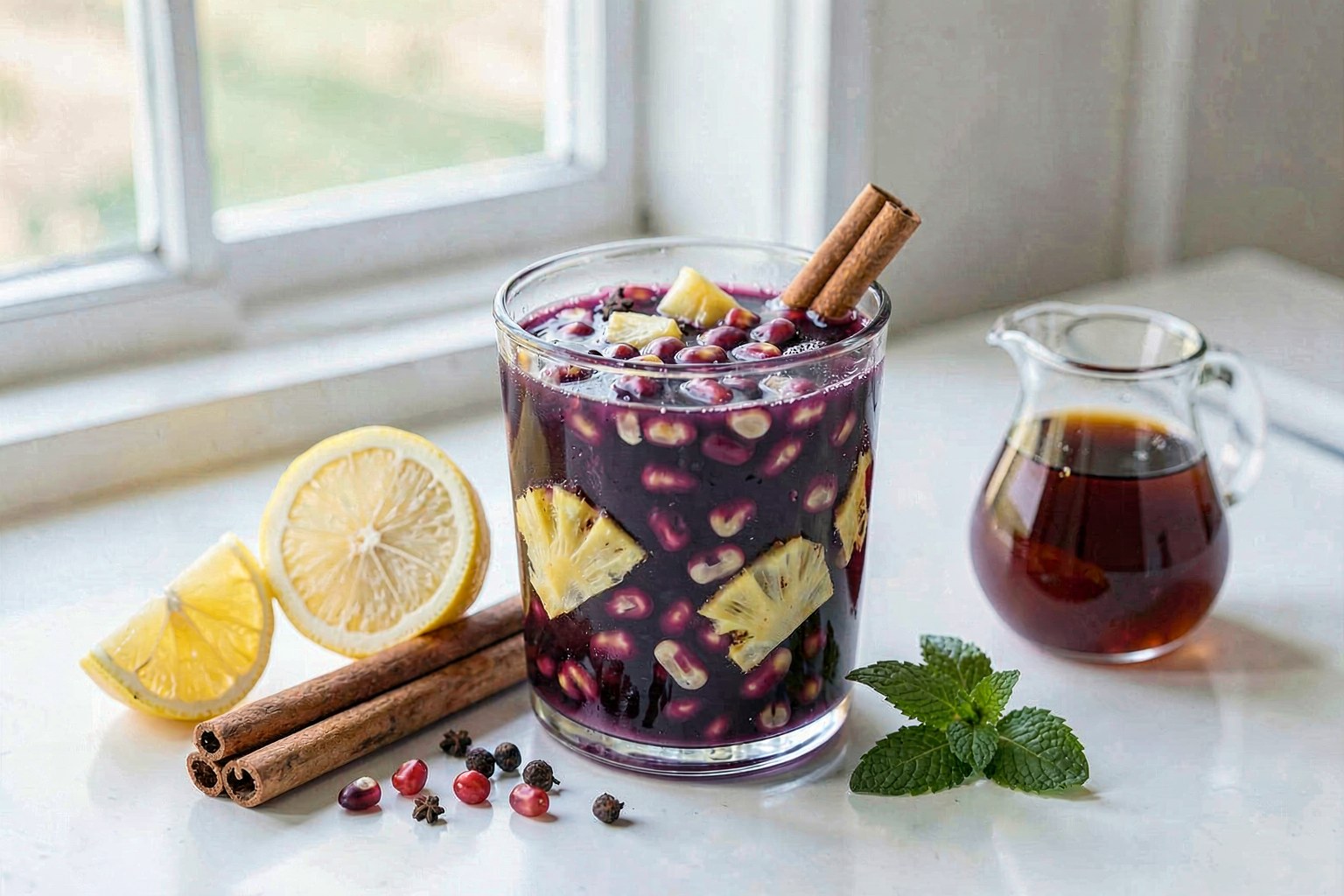
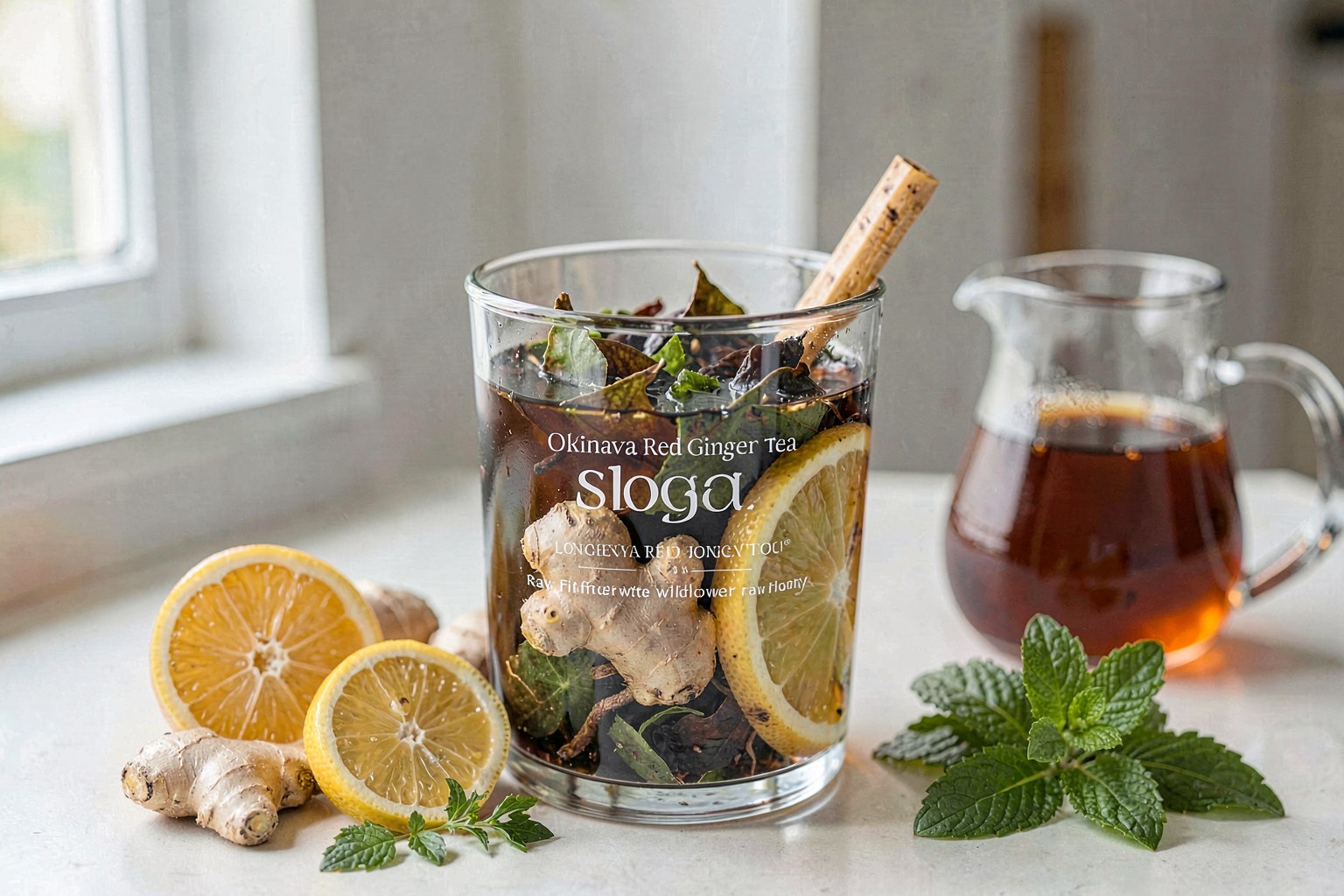
This restorative brew combines the spicy heat of fresh Okinawan ginger with the deep, malty notes of Hojicha (roasted green tea) and a whisper of raw honey. It is a polyphenol-dense, anti-inflammatory tonic designed to warm the core, support digestion, and mimic the daily habits of the world's longest-lived communities.
A little context
In Okinawa, ginger (Shoga) is consumed daily as a cornerstone of longevity, often paired with local teas to aid digestion and circulation. Traditional recipes sometimes call for rock sugar or refined sweeteners; we honor the tradition by using whole food sweetness from raw honey or dates, strictly avoiding seed oils and ultra-processed syrups. This version respects the original intent—a medicinal, functional beverage—while adhering to Blueprint-aligned nutritional standards.
The longevity story
The bioactive power of this tea comes from 6-shogaol and gingerol in the fresh ginger root, compounds shown to reduce systemic inflammation and support metabolic flexibility. The roasted green tea leaves (Hojicha) provide L-theanine for calm focus without the caffeine jitters, while the roasting process creates pyrazines that are highly antioxidant-rich. A small amount of raw, unfiltered honey adds prebiotic properties and trace enzymes, avoiding the glycemic spike of refined sugars while delivering a gentle sweetness that enhances the ginger's warming effect.
Method
- 01
Prep the Ginger
Thoroughly scrub 150g of fresh organic ginger under cold running water using a vegetable brush. Do not peel the skin, as it contains significant fiber and nutrients. Slice the ginger into uniform 2mm rounds to ensure even extraction of the active compounds.
- 02
The Long Simmer
Place the sliced ginger and 1200ml of filtered water into your heavy-bottomed pot. Bring to a boil, then immediately reduce the heat to low. Cover and simmer gently for 45 minutes. This slow extraction is crucial for pulling the 6-shogaol from the root without burning it.
- 03
Add the Tea
Remove the pot from the heat. Stir in the 12g of Hojicha leaves. Let the tea steep in the hot ginger water for exactly 3 minutes. Steeping longer will release bitter tannins; we want the malty, roasted notes only.
- 04
Strain and Sweeten
Pour the mixture through a fine-mesh strainer into a glass carafe or serving bowl, discarding the solids (or composting them). While the tea is still warm but not boiling (approx. 60°C/140°F), stir in the 30ml of raw honey until fully dissolved. Adding honey to boiling water destroys its beneficial enzymes.
- 05
Serve or Store
Serve immediately in pre-warmed mugs, garnished with a fresh ginger slice. Alternatively, let cool completely and store in the refrigerator for up to 4 days. Reheat gently on the stove or in a microwave, avoiding a rolling boil to preserve the tea's delicate profile.
Nutrition facts
Per serving · 1 of 4- — Saturated
- 0 g
- — Polyunsaturated
- 0 g
- Carbohydrates
- 6 g
- — Fiber
- 0 g
- — Sugars
- 6 g
- Cholesterol
- 0 mg
- Sodium
- 1 mg
- Potassium
- 14 mg
Estimated from USDA FoodData Central for matched ingredients (40% ingredient coverage). Values vary with brand, preparation, and exact measurements.
Pro tips
- ✦When selecting ginger, choose roots that are firm, heavy for their size, and have smooth skin; wrinkled skin indicates age and reduced potency.
- ✦For a stronger 'kick' and higher concentration of anti-inflammatory compounds, increase the ginger ratio to 1:5 (ginger to water) and simmer for 60 minutes.
- ✦If you do not have Hojicha, you can use roasted barley tea (Mugicha) as a caffeine-free alternative, though the flavor profile will be nuttier and less malty.
- ✦Always add the honey after removing the pot from heat to ensure you retain the antimicrobial and prebiotic properties of the raw honey.
- ✦This tea tastes excellent cold over ice; the ginger's heat mellows slightly, making it a refreshing afternoon tonic in warmer months.
Shop this recipe
As an Amazon Associate we earn from qualifying purchases.
Substitutions
- raw wildflower honey → 2 pitted Medjool dates (Add dates during the 45-minute simmer for a vegan option; remove before serving or blend the tea for a smoother texture.)
- Hojicha (roasted green tea) → Roasted Peppermint or Dandelion Root (For a completely caffeine-free, digestive-focused variation, steep 1 tbsp of dried dandelion root with the ginger.)
Storage
Store in a sealed glass container in the refrigerator for up to 4 days. The flavor will deepen and become more medicinal over time. Can be frozen in ice cube trays for up to 3 months.
What to serve with it
- Serve alongside a small handful of raw macadamia nuts for a healthy fat boost.
- Pair with a slice of sprouted grain toast or a small portion of fermented vegetables (kimchi/sauerkraut) to enhance gut health.
- Enjoy as a standalone morning ritual or post-digestive aid after a heavy meal.
FAQ
Can I make this with ginger powder?+
It is possible, but fresh ginger is vastly superior for this recipe. Powdered ginger often lacks the full spectrum of volatile oils and fresh gingerol, resulting in a less potent anti-inflammatory effect and a duller flavor profile.
Is the caffeine content high?+
No. Hojicha is roasted at high temperatures, which significantly reduces caffeine content compared to standard green tea, making it suitable for sensitive individuals or evening consumption.
Can I drink this if I have acid reflux?+
Ginger is generally soothing for the stomach, but if you have severe GERD, start with a smaller amount of ginger or dilute the tea further with warm water.
Share this recipe
Notes from the community
Sign in to leave a note.
No notes yet — be the first.
You might also like