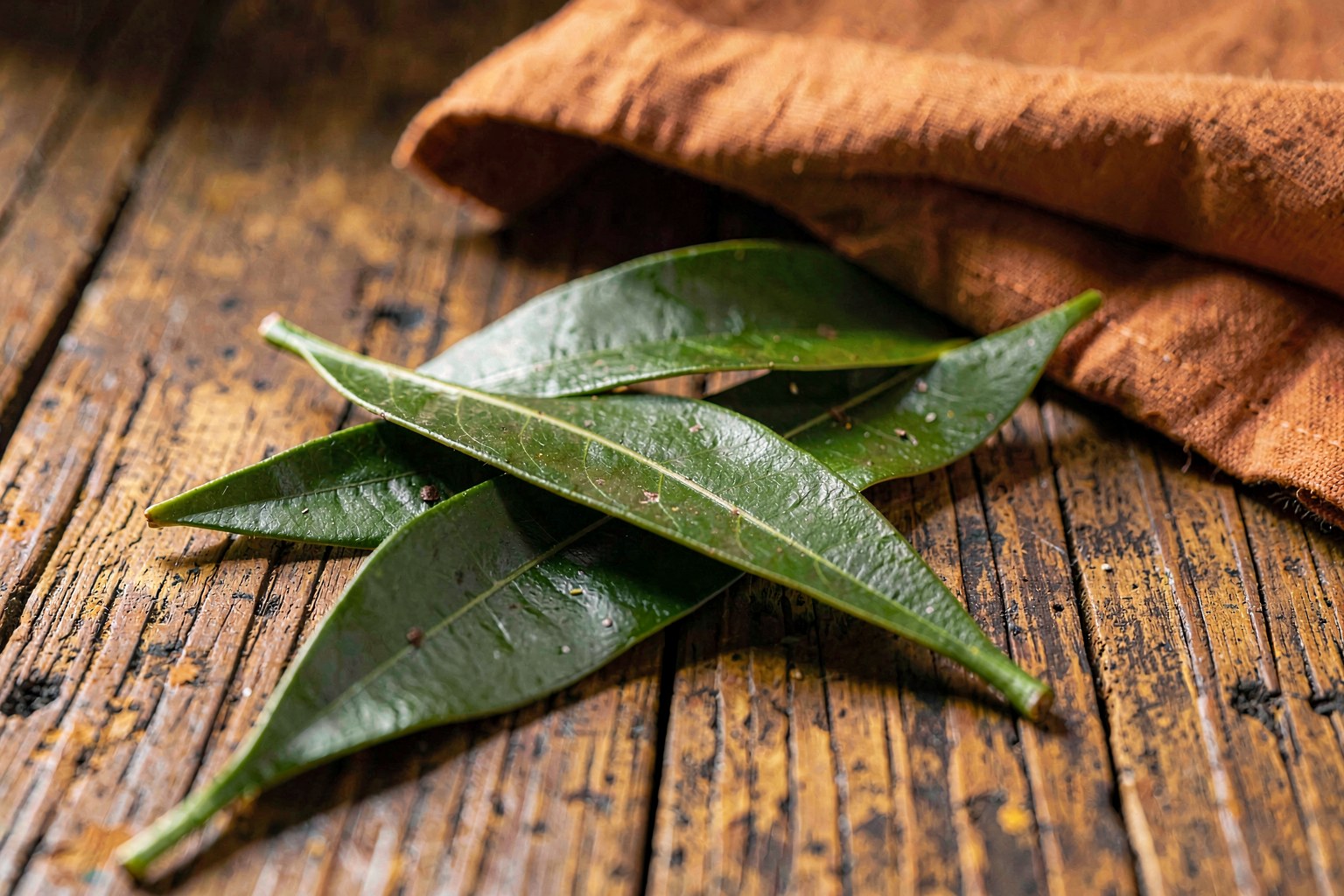
Curry Leaves
Curry leaves are aromatic, dark green leaves from the curry tree used as a foundational flavoring in South Indian and Sri Lankan cuisine, distinct from the powdered spice blend known as curry.
What it is
Botanically known as *Murraya koenigii*, the curry tree is a small tropical tree native to India. Unlike the complex spice blend called 'curry powder' (which often contains turmeric, coriander, and cumin), fresh curry leaves offer a singular, intense profile characterized by citrusy, nutty, and slightly bitter notes with a hint of anise. They are rarely eaten whole due to their tough texture; instead, they are tempered in hot oil or ghee at the start of cooking to release their essential oils, a technique known as 'tadka' or 'pop.' These leaves are the backbone of South Indian dishes like sambar, rasam, and various dals, as well as Sri Lankan curries. While fresh leaves provide the most vibrant aroma, they are also sold dried. However, the dried version loses significant potency and citrus nuance, making them a far inferior substitute. The fresh leaves have a unique ability to mellow the heat of chilies while adding a savory depth that ground spices cannot replicate.
How to buy
Prioritize fresh leaves whenever possible. Look for bunches with deep, glossy green leaves that are crisp to the touch and free of yellowing, black spots, or slime. The stems should be flexible, not woody or brittle. If buying pre-packaged, ensure the leaves are not wilted or crushed inside the plastic. Avoid dried curry leaves unless you have no access to fresh ones, as the flavor profile is significantly muted and lacks the necessary citrus brightness. Fresh curry leaves are rarely found in standard Western supermarkets. Your best bet is an Indian, Sri Lankan, or Southeast Asian grocery store, often sold in small plastic bags or loose bunches. If local options are unavailable, purchase from online specialty spice retailers that ship fresh herbs with refrigerated packaging. For the best value, buy in bulk if you cook frequently, as they freeze well.
Storage
Fresh curry leaves are highly perishable and will wilt within 2-3 days at room temperature. To extend their life, wrap the unwashed bunch in a slightly damp paper towel, place it inside a resealable plastic bag or airtight container, and store it in the vegetable crisper drawer of your refrigerator; they will last up to two weeks this way. For long-term storage, blanch the leaves briefly, dry them thoroughly, and freeze them in a single layer before transferring to a freezer bag. Frozen leaves retain about 80% of their flavor and can be used directly in tempering without thawing.
How to use
The most critical technique for using curry leaves is tempering. Heat oil or ghee in a pan until shimmering, then add whole dried chilies, mustard seeds, and finally the curry leaves. They should sizzle and darken slightly within seconds, releasing their aroma into the fat. Do not burn them, or they will turn bitter. Add the leaves early in the cooking process for lentils, curries, and chutneys. Use approximately 10-15 leaves per cup of liquid for a standard dish. A common mistake is adding them at the end of cooking, which fails to extract their full flavor, or eating them raw, which is unpleasant due to their tough, fibrous texture.
Where it comes from
Native to the Western Ghats of India, curry leaves are indispensable to the culinary identity of South India and Sri Lanka, where they are considered as essential as salt or chili. In these regions, a dish is often considered incomplete without the 'tadka' of curry leaves, which serves to balance spices and aid digestion. While North Indian cuisine uses them occasionally, their absence in Western 'curry powders' is a historical oversight that has led to the common misconception that they are merely a component of the mixed spice blend rather than a primary aromatic herb.
Substitutions
- Lime zest and dried bay leaf — Provides the citrus and herbal notes but lacks the specific nutty, anise complexity; use more zest to compensate for the missing depth.
- Kaffir lime leaves — A closer aromatic match with strong citrus notes, though the texture and flavor profile lean more Thai; use sparingly as they are more potent.