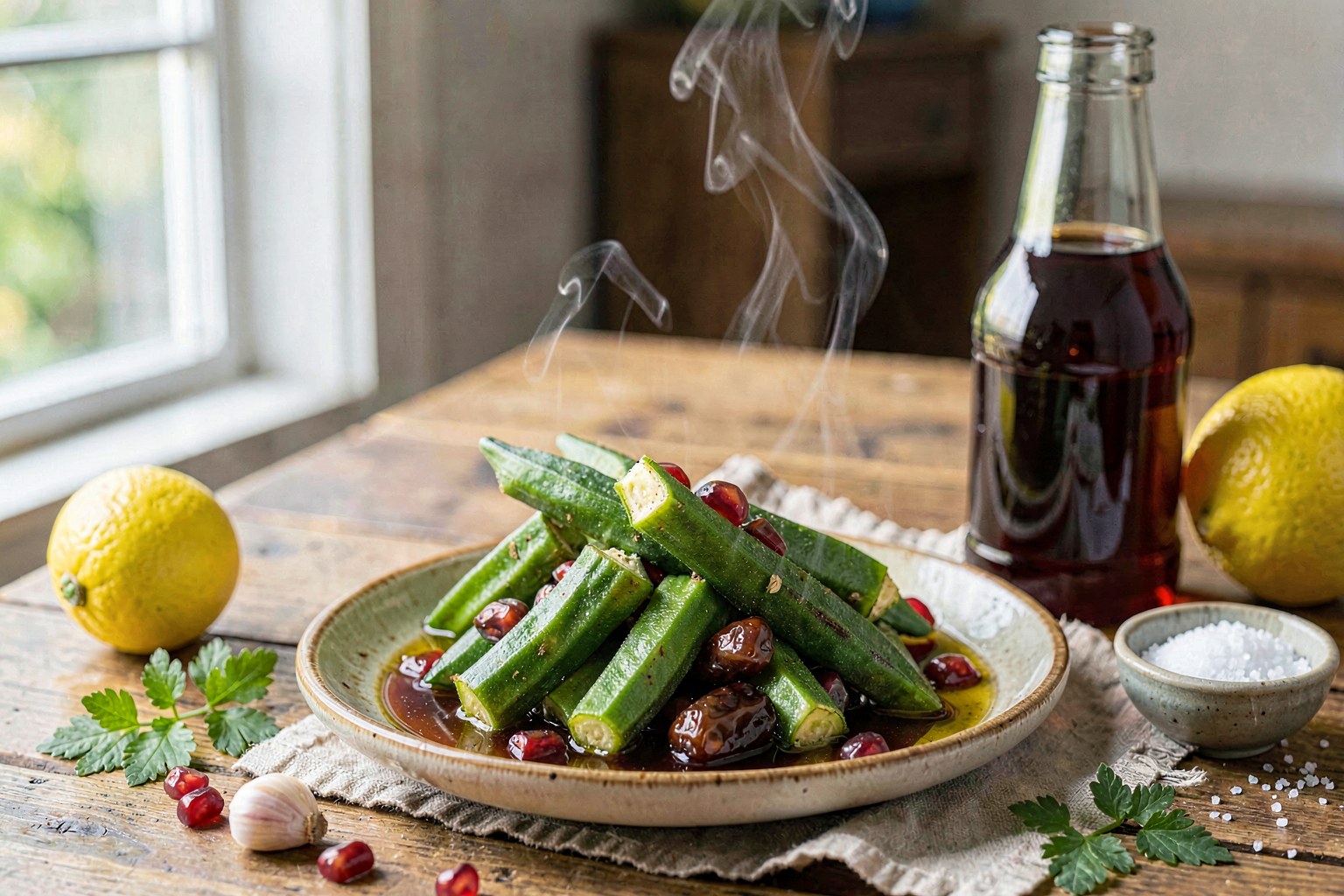
Tamarind Tomato Rasam (Ayurvedic Modern Tradition)
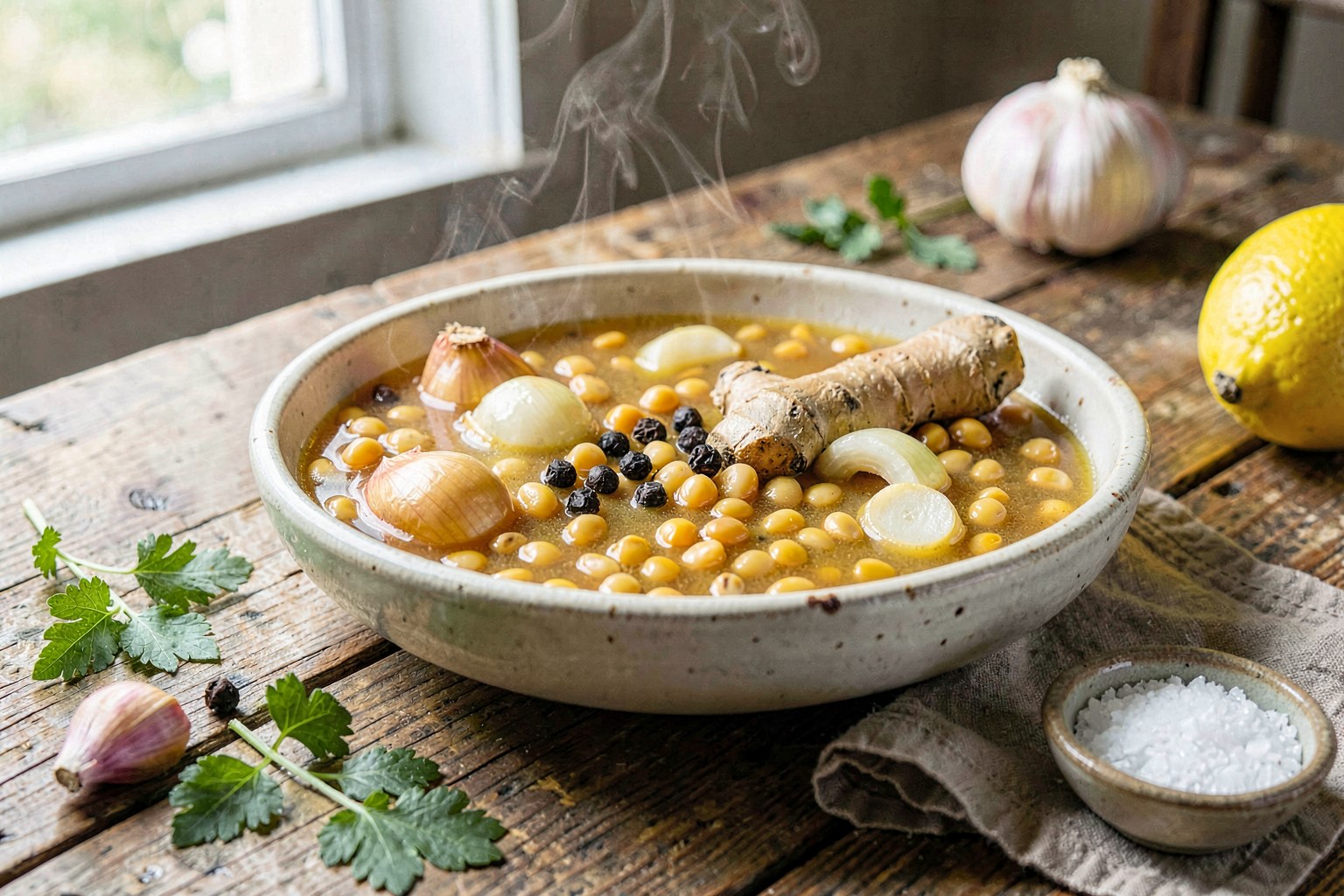
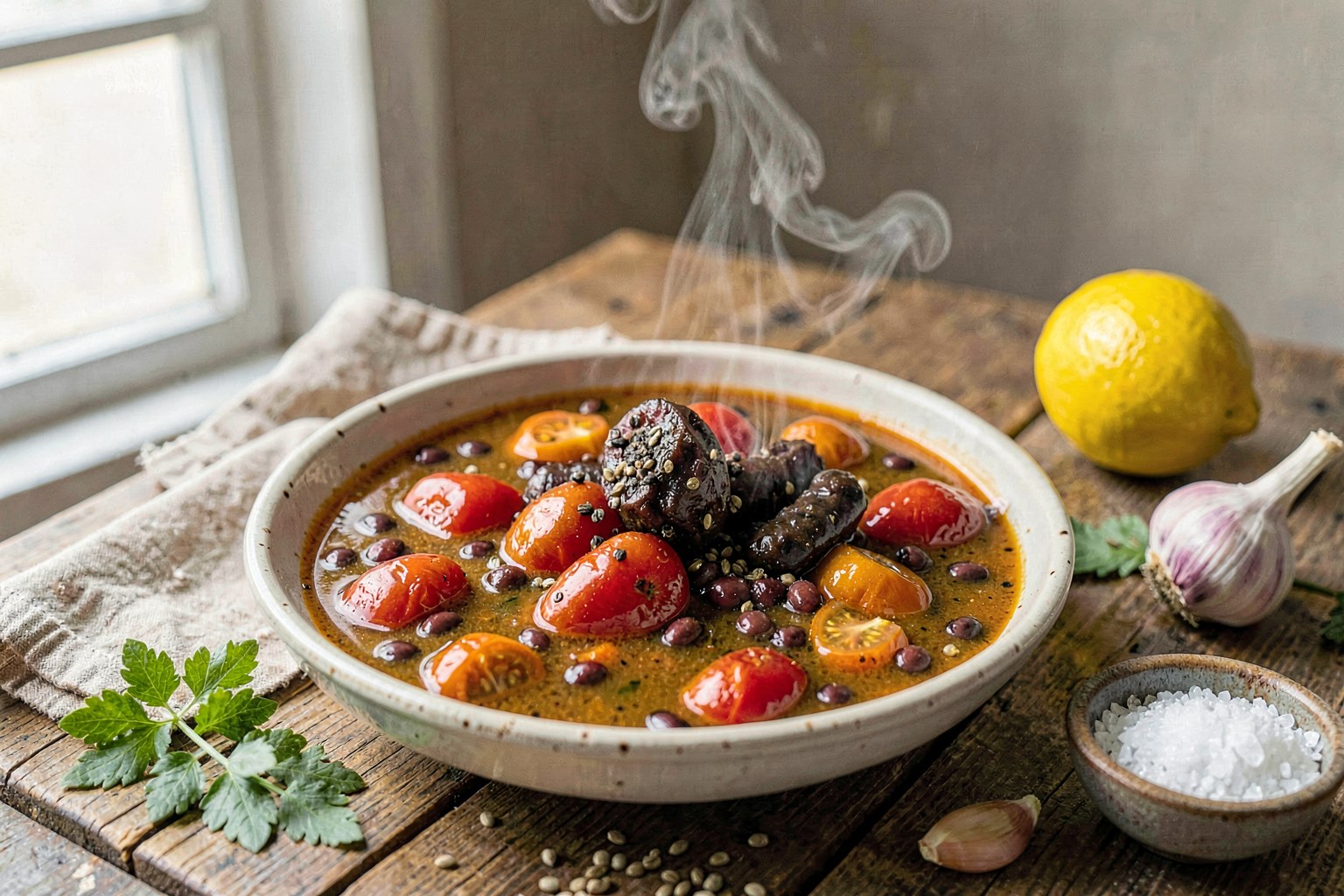
This vibrant, warming soup balances the sharp acidity of organic tamarind with the deep umami of heirloom tomatoes and the heat of fresh black pepper. It is a gut-healing, anti-inflammatory broth that requires no refined sugars or seed oils, relying instead on the natural sweetness of ripe tomatoes and the enzymatic power of fresh ginger and cumin.
A little context
Rasam is a cornerstone of South Indian cuisine, traditionally served to aid digestion and balance the doshas. We honor this tradition by strictly avoiding the refined sugar often added to balance acidity in modern restaurant versions, substituting it with the natural fructose of ripe tomatoes and a touch of date syrup only if absolutely necessary. We also replace the ubiquitous refined seed oils used in the tempering (tadka) with high-quality extra-virgin olive oil or ghee to preserve the polyphenol profile.
The longevity story
This dish is a potent delivery system for lycopene, a carotenoid in tomatoes that becomes highly bioavailable when cooked with healthy fats like extra-virgin olive oil. The fresh black pepper (piperine) significantly enhances the absorption of curcumin if turmeric is added, while the tamarind provides tartaric acid to support digestion. Gingerol from fresh ginger and cinnamic acid from cumin seeds offer direct anti-inflammatory pathways, reducing systemic oxidative stress without the need for pharmaceuticals.
Method
- 01
Prepare the Tamarind Extract
Place the 100g tamarind pulp in a bowl and cover with 250ml of hot water. Let it soak for 20 minutes until soft. Using your hands, mash the pulp to release the flavor, then press through a fine-mesh sieve to extract the liquid, discarding the fibrous solids. Set the smooth, dark liquid aside.
- 02
Simmer the Base
In your heavy pot, combine the chopped heirloom tomatoes, rinsed lentils (if using), julienned ginger, crushed black peppercorns, turmeric, and 1 liter of filtered water. Bring to a boil, then reduce heat to low, cover, and simmer for 25–30 minutes until the tomatoes have completely broken down and the lentils are tender (if using).
- 03
Blend and Strain
Remove the pot from heat. Use an immersion blender to puree the mixture until smooth, or transfer to a blender in batches. For a traditional silky texture, push the puree through a fine-mesh sieve to remove tomato skins and any remaining fibrous bits. Return the smooth broth to the pot.
- 04
Balance the Flavors
Stir in the reserved tamarind extract. Bring the soup to a gentle simmer for 5 minutes. Taste carefully; the rasam should be a balance of sour, spicy, and savory. If it is too sharp, add a tiny drizzle of date syrup (max 1 tsp) to round the edges, though ripe tomatoes usually provide enough sweetness. Season with sea salt to taste.
- 05
Prepare the Tempering (Tadka)
While the soup simmers, heat 30ml of extra-virgin olive oil (or ghee) in a small skillet over medium-high heat. Add the mustard seeds; when they begin to sputter, add the smashed garlic, cumin seeds, and fresh curry leaves. Sauté for 30–45 seconds until the garlic is golden and the curry leaves are crisp. Be careful not to burn the garlic.
- 06
Finish and Serve
Pour the hot oil and spice mixture directly into the simmering rasam. It will sizzle and release an intense aroma. Stir gently, remove from heat immediately, and let it rest for 2 minutes. Ladle into bowls, garnish generously with fresh chopped cilantro, and serve hot.
Nutrition facts
Per serving · 1 of 4- — Saturated
- 1 g
- — Polyunsaturated
- 1 g
- Carbohydrates
- 32 g
- — Fiber
- 7 g
- — Sugars
- 4 g
- Cholesterol
- 0 mg
- Sodium
- 1001 mg
- Potassium
- 697 mg
Estimated from USDA FoodData Central for matched ingredients (64% ingredient coverage). Values vary with brand, preparation, and exact measurements.
Pro tips
- ✦Source tamarind blocks that contain only tamarind and salt; avoid those with added sugar or artificial preservatives.
- ✦For maximum polyphenol retention, do not overcook the tempering spices; the garlic should be golden, not brown.
- ✦If you cannot find fresh curry leaves, they are a staple in Indian grocers and freeze exceptionally well; keep a bag in the freezer to avoid the 'missing' flavor profile.
- ✦The soup thickens significantly as it cools; when reheating, add a splash of warm water to restore the broth consistency.
- ✦Use the highest quality extra-virgin olive oil you own for the tempering, as the heat will not destroy its polyphenols if added at the end, but will degrade it if boiled for too long.
Shop this recipe
As an Amazon Associate we earn from qualifying purchases.
Substitutions
- red lentils (masoor dal) → red split peas or mung beans (mung beans are easier to digest for sensitive guts; split peas work similarly but may require slightly longer cooking.)
- extra-virgin olive oil → grass-fed ghee (ghee provides a richer, nuttier flavor profile and is lactose-free, perfect for those avoiding dairy but wanting animal fats.)
- heirloom tomatoes → San Marzano canned tomatoes (BPA-free) (acceptable in winter when fresh tomatoes lack flavor; choose brands with no added sugar or seed oils.)
Storage
Store in a glass container in the refrigerator for up to 4 days. The flavors deepen overnight. Freeze in portioned glass jars for up to 3 months; thaw in the fridge overnight before reheating gently.
What to serve with it
- Serve with a small side of steamed basmati rice or quinoa for a complete protein.
- Pair with a cup of high-catechin green tea or a glass of sparkling water with a slice of fresh lime.
- A small side of fermented pickles (without sugar) complements the digestive enzymes in the rasam.
FAQ
Why is the tamarind extract strained?+
Traditional rasam is a clear, silky broth. Straining removes the fibrous pulp, ensuring the texture is light and easy to digest, which is central to the Ayurvedic purpose of the dish.
Can I make this spicy without black pepper?+
Black pepper is essential for the bioavailability of the turmeric and the specific 'rasam' flavor profile. However, you can add fresh green chilies (sliced) during the simmering phase for a different type of heat, though the piperine in black pepper is the key anti-inflammatory catalyst.
Share this recipe
Notes from the community
Sign in to leave a note.
No notes yet — be the first.
You might also like