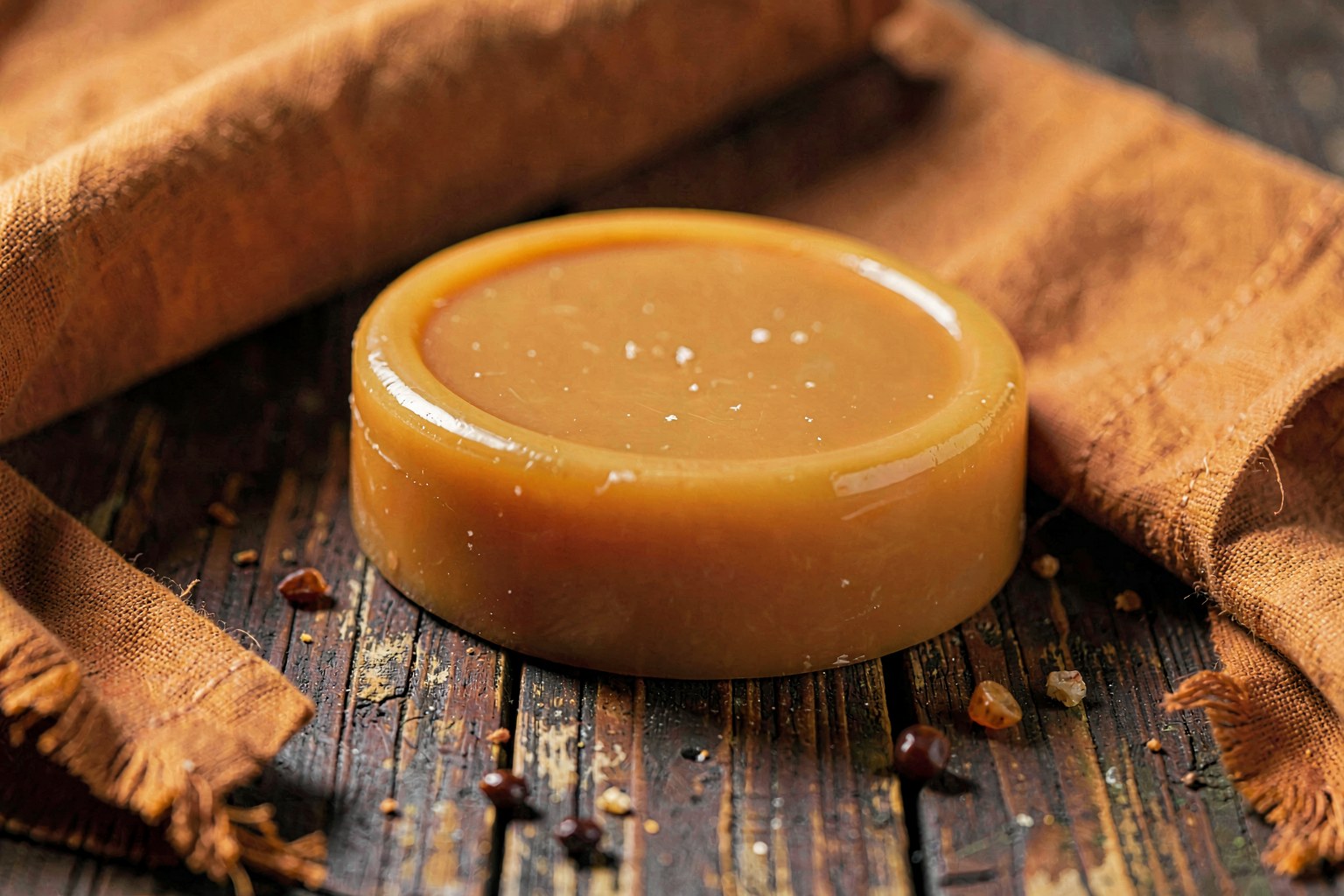
Ghee
Ghee is clarified butter that has been simmered until the water evaporates and milk solids brown, resulting in a shelf-stable, nutty cooking fat with a high smoke point.
What it is
Ghee originates from the Indian subcontinent, where it was developed as a method to preserve butter in hot climates without refrigeration. The process involves heating unsalted butter until it separates into three layers: foam on top, clear liquid fat in the middle, and milk solids at the bottom. Unlike standard clarified butter, ghee is cooked longer until the milk solids caramelize and turn golden-brown, imparting a distinct toasted, nutty aroma before the solids are strained out. This extra step removes almost all water and lactose, making ghee suitable for those with mild dairy sensitivities and giving it a smoke point of approximately 485°F (250°C), far higher than regular butter. It exists in two primary forms: traditional homemade styles with a deeper, caramelized flavor, and commercial varieties that are often milder and sometimes blended with vegetable oils to lower costs. Its flavor profile is rich, buttery, and slightly sweet with earthy undertones, serving as both a cooking medium and a finishing condiment.
How to buy
When shopping, read the label carefully to ensure the product is 100% pure butter with no added vegetable oils, preservatives, or artificial flavors. Look for terms like 'traditional,' 'homemade style,' or 'caramelized' if you want the deep, nutty flavor profile; mass-market brands often stop the cooking process early, resulting in a blander product. The color should be a deep golden to amber; pale yellow ghee often indicates undercooking. You can find ghee in the dairy or international foods aisle of most mainstream supermarkets, but for the highest quality, visit an Indian or South Asian grocery store where it is often sold in bulk tins or jars. Online retailers offer premium artisanal brands (like A2 ghee or organic grass-fed options) which are worth the price difference for their superior flavor and ethical sourcing. Avoid products that list 'partially hydrogenated oils' or 'flavorings' in the ingredients list.
Storage
Because the water and milk solids are removed, ghee is incredibly shelf-stable and does not require refrigeration. Store an unopened or opened jar in a cool, dark pantry for up to a year. Once opened, you can keep it at room temperature for several months, though refrigeration extends its life and maintains its texture if you live in a hot climate. Signs of spoilage include a rancid, sour smell (distinct from its natural nutty scent), mold growth, or a significant change in texture to a slimy consistency.
How to use
Ghee excels as a high-heat cooking fat for searing meats, stir-frying vegetables, and frying spices, as it will not burn like regular butter. Use it generously as a finishing fat over dal, rice, or roasted vegetables to add richness and aroma. A common mistake is treating it exactly like oil; while it is stable, it still carries the flavor of the food it cooks, so avoid using it for neutral-tasting applications if you want to preserve the dish's original profile. For baking, substitute it 1:1 for butter, but note that the lack of water may alter the texture of yeasted doughs or flaky pastries slightly.
Where it comes from
Ghee is a cornerstone of South Asian cuisine, particularly in India, Pakistan, and Bangladesh, where it is considered sacred and is essential for religious rituals and Ayurvedic medicine. It is the primary fat used in North Indian curries, the base for traditional sweets like halwa, and the medium for tempering spices (tadka). In these cultures, the quality of ghee is often associated with the health and prosperity of the household, with homemade versions made from cow or buffalo milk being highly prized over industrial alternatives.
Substitutions
- Clarified Butter — Lacks the toasted, nutty depth of ghee and has a slightly lower smoke point, but works identically in sautéing and frying.
- Unsalted Butter — Use at a 1:1 ratio but reduce heat immediately, as the milk solids will burn quickly; best for baking or low-heat applications where the water content is acceptable.