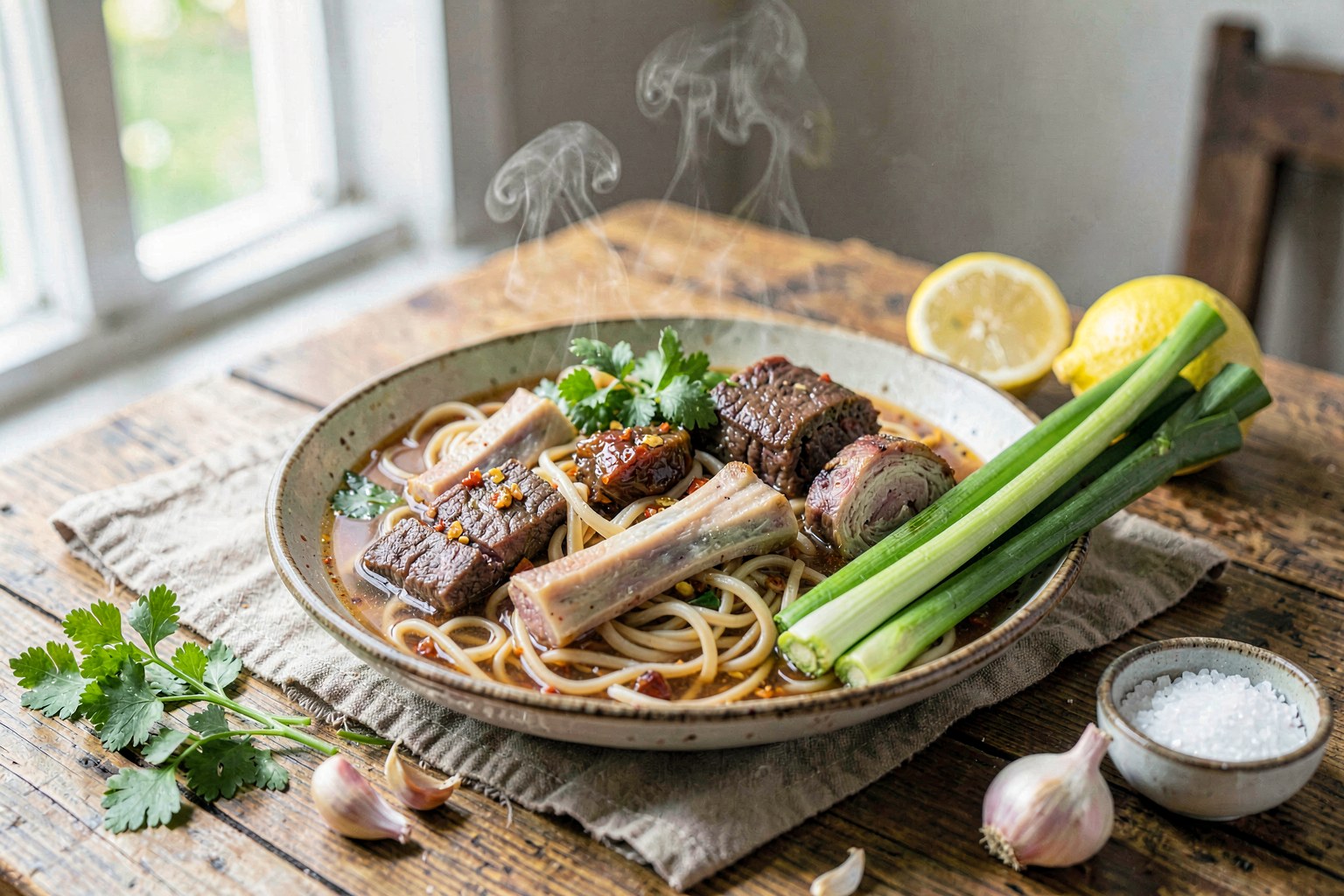
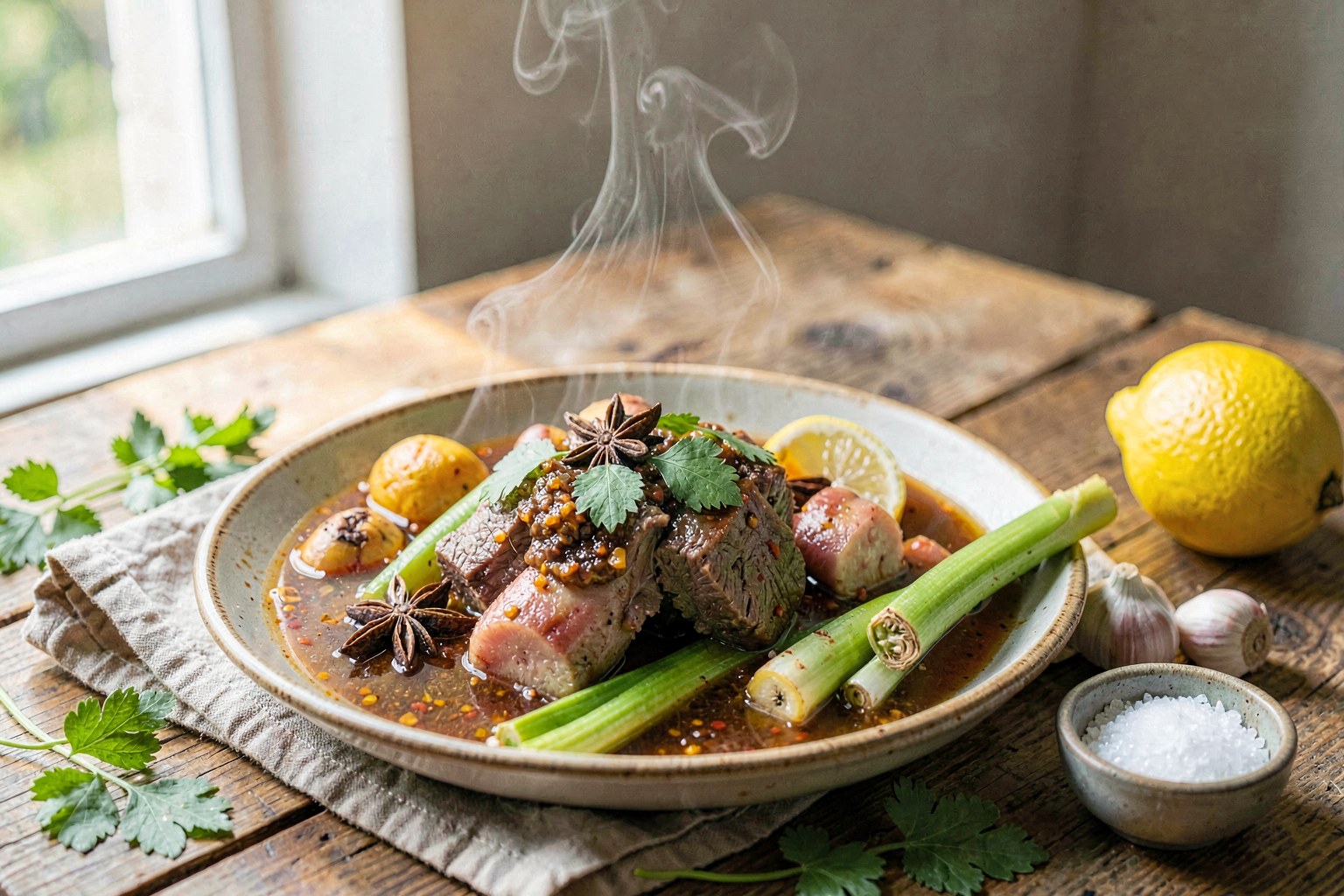
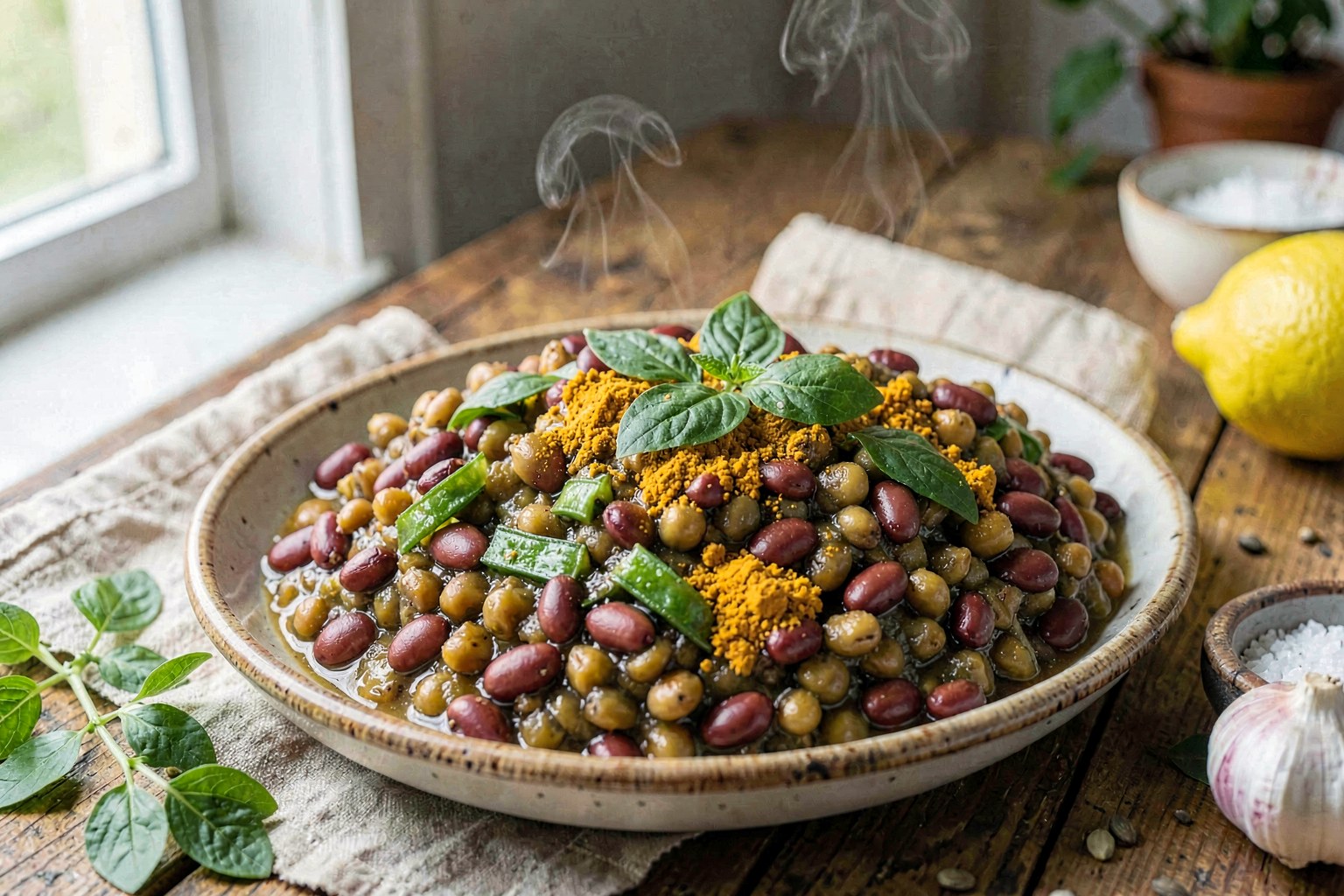
Spiced Methi Dal: Ancient Fenugreek Lentils for Modern Longevity
This vibrant lentil stew balances the bitterness of fresh fenugreek leaves (methi) with the warmth of cumin and turmeric, creating a deeply savory, earthy dish that supports digestion and blood sugar stability. Finished with a ghee-based tempering of mustard seeds and garlic, it delivers a rich mouthfeel without a single drop of seed oil or refined sugar. The result is a comforting, polyphenol-dense bowl that honors the Ayurvedic tradition of using food as medicine while adhering to strict whole-food longevity standards.
A little context
Rooted in the Indian tradition of 'Dal,' this recipe elevates the humble lentil by prioritizing fresh, seasonal fenugreek leaves over dried substitutes, a practice common in rural Punjabi and Gujarati households. Traditional recipes often include a pinch of sugar or jaggery to balance the fenugreek's natural bitterness; we have omitted this entirely, relying instead on the depth of roasted cumin and the natural sweetness of caramelized garlic to create balance. Furthermore, we have replaced the standard vegetable or canola oil used for tempering with grass-fed ghee or extra-virgin olive oil, ensuring the fat profile supports cellular longevity rather than inflammation.
The longevity story
This dish leverages the high soluble fiber and saponins in red lentils and fenugreek to slow glucose absorption, making it ideal for metabolic health. Fresh fenugreek leaves are exceptionally rich in kaempferol and quercetin, potent flavonoids that combat oxidative stress and support vascular health. The inclusion of turmeric and black pepper ensures high bioavailability of curcumin, a master anti-inflammatory compound, while the ghee provides a stable medium to extract fat-soluble vitamins from the spices. By avoiding seed oils, we prevent the introduction of pro-inflammatory omega-6 fatty acids, keeping the meal strictly anti-inflammatory.
Method
- 01
Prepare the Lentils
In your heavy-bottomed pot, combine the rinsed and soaked red lentils, turmeric, cumin seeds, black pepper, and 800 ml of water. Bring to a boil over medium-high heat, then immediately reduce to a low simmer. Skim off any foam that rises to the surface to ensure a clean, smooth texture.
- 02
Simmer to Creaminess
Cover the pot partially and let the lentils simmer gently for 20–25 minutes. Stir occasionally to prevent sticking. The lentils are ready when they have completely broken down and the mixture has thickened to a porridge-like consistency. If it becomes too thick before the lentils are soft, add a splash of warm water.
- 03
Wilt the Fenugreek
Stir in the chopped fresh fenugreek leaves. They will initially look like a lot of greens, but they will wilt significantly. Cook uncovered for another 5–7 minutes, stirring frequently, until the leaves are tender and the bitterness has mellowed into a savory, herbal note. Season with sea salt now, tasting to ensure the balance is right.
- 04
Prepare the Tempering
While the dal simmers, heat the ghee (or olive oil) in your small tempering pan over medium heat. Once the ghee is hot and shimmering (but not smoking), add the mustard seeds. Wait for them to sputter and pop, which usually takes 30–45 seconds.
- 05
Bloom the Aromatics
Immediately add the minced garlic, julienned ginger, and red chili flakes to the hot oil. Sauté for 45–60 seconds until the garlic turns golden and the ginger becomes fragrant. Do not burn the garlic, as this will introduce bitterness to the dish.
- 06
Combine and Serve
Pour the entire contents of the tempering pan directly into the simmering dal. It will sizzle dramatically. Stir well to incorporate the spiced oil throughout the mixture. Let it bubble gently for 1 minute to marry the flavors, then remove from heat. Serve immediately hot.
Nutrition facts
Per serving · 1 of 4- — Saturated
- 5 g
- — Polyunsaturated
- 1 g
- Carbohydrates
- 38 g
- — Fiber
- 9 g
- — Sugars
- 1 g
- Cholesterol
- 23 mg
- Sodium
- 1483 mg
- Potassium
- 714 mg
Estimated from USDA FoodData Central for matched ingredients (83% ingredient coverage). Values vary with brand, preparation, and exact measurements.
Pro tips
- ✦Sourcing the fenugreek: Look for fresh bunches at Indian grocery stores or farmers' markets; the leaves should be crisp and dark green, never wilted or yellow, as old leaves become unpleasantly bitter.
- ✦The 'Tadka' science: The tempering must be added at the very end. Adding the aromatic oil too early causes the volatile compounds in garlic and mustard to evaporate, losing the medicinal and flavor punch.
- ✦Texture control: If you prefer a smoother dal, use an immersion blender for 10 seconds after adding the fenugreek; if you prefer texture, stir gently by hand.
- ✦Salt timing: Salting before the lentils are fully cooked can sometimes toughen the skins, so add the bulk of your salt only after the lentils have softened.
Shop this recipe
As an Amazon Associate we earn from qualifying purchases.
Substitutions
- fresh fenugreek leaves (methi) → spinach or kale (While not traditional, these greens work in a pinch, though you will lose the distinct bitter-sweet profile of methi.)
- grass-fed ghee → extra-virgin olive oil (A valid Blueprint-aligned swap that keeps the dish dairy-free and high in polyphenols.)
- black mustard seeds → yellow mustard seeds (Yellow seeds are milder and pop less vigorously, but provide a similar flavor profile.)
Storage
Store in an airtight glass container in the refrigerator for up to 4 days. The flavors often deepen overnight. Reheat gently on the stovetop with a splash of water or broth to restore consistency. Freezing is possible for up to 2 months, though the texture of the fenugreek may soften slightly upon thawing.
What to serve with it
- Steamed basmati rice or quinoa
- Roasted cauliflower with turmeric and cumin
- Cucumber raita made with unsweetened coconut yogurt
- Hot masala chai (unsweetened) or green tea
- Sparkling water with a wedge of fresh lime and mint
FAQ
Why does this recipe smell so bitter?+
Fresh fenugreek leaves naturally contain compounds that are slightly bitter. This is a feature, not a bug; the bitterness stimulates digestive enzymes. The ghee and spices balance this, but the dish should retain a distinct earthy, herbal note. If it is overwhelmingly bitter, ensure your leaves were fresh and not old.
Can I make this in an Instant Pot?+
Yes. Use the 'Sauté' function for the tempering (if your pot allows) or do it separately. Combine lentils, water, turmeric, and pepper in the pot. Cook on High Pressure for 6 minutes, followed by a 10-minute natural release. Stir in the fenugreek and use 'Sauté' for 3-4 minutes to wilt the greens. Add the tempering at the end.
Is this low-carb?+
Red lentils are higher in carbohydrates than leafy greens, but they are high-fiber, low-glycemic carbohydrates that do not spike blood sugar when paired with the fats and spices in this dish. It fits a moderate-carb, whole-food diet but is not strictly keto.
Share this recipe
Notes from the community
Sign in to leave a note.
No notes yet — be the first.
You might also like