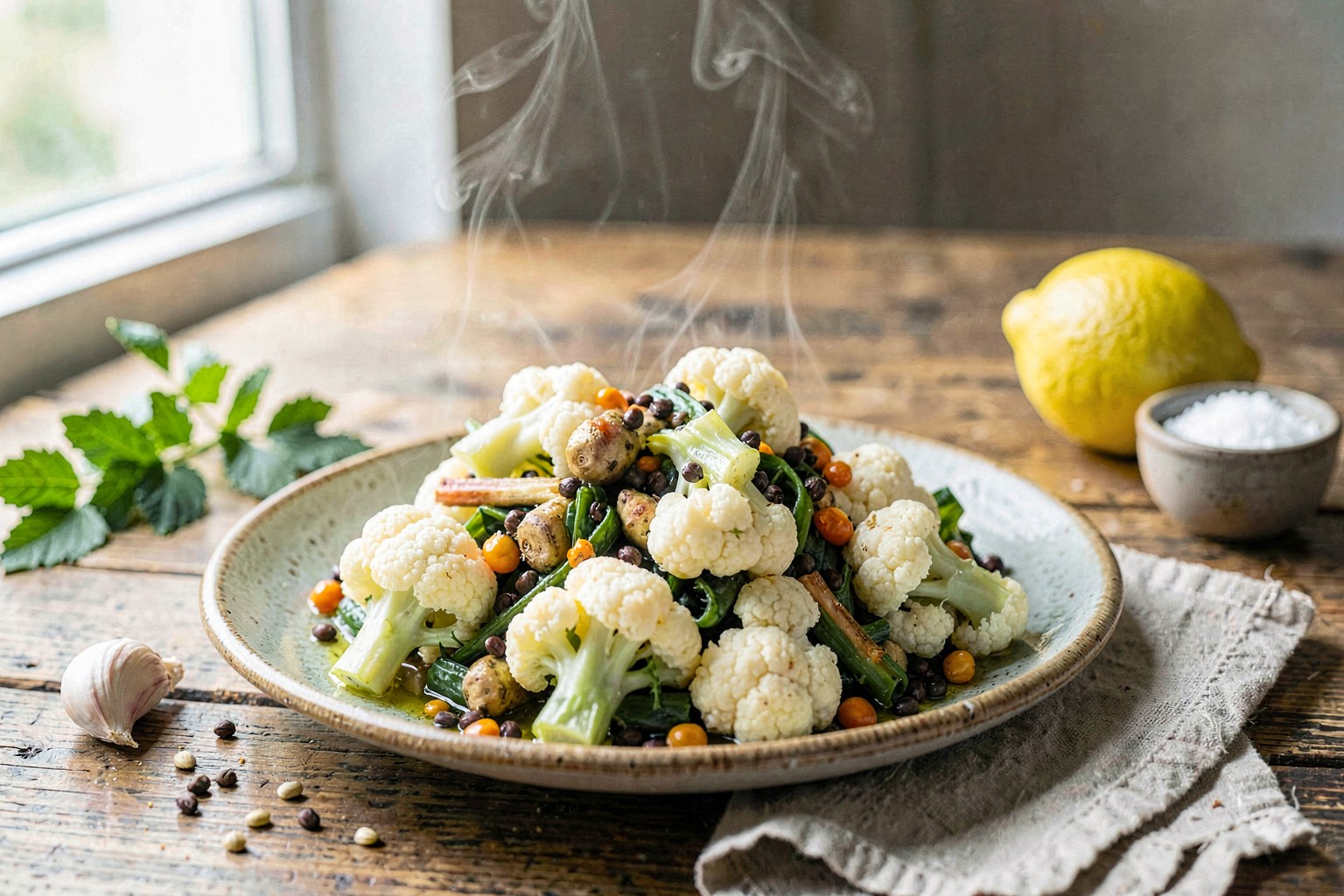
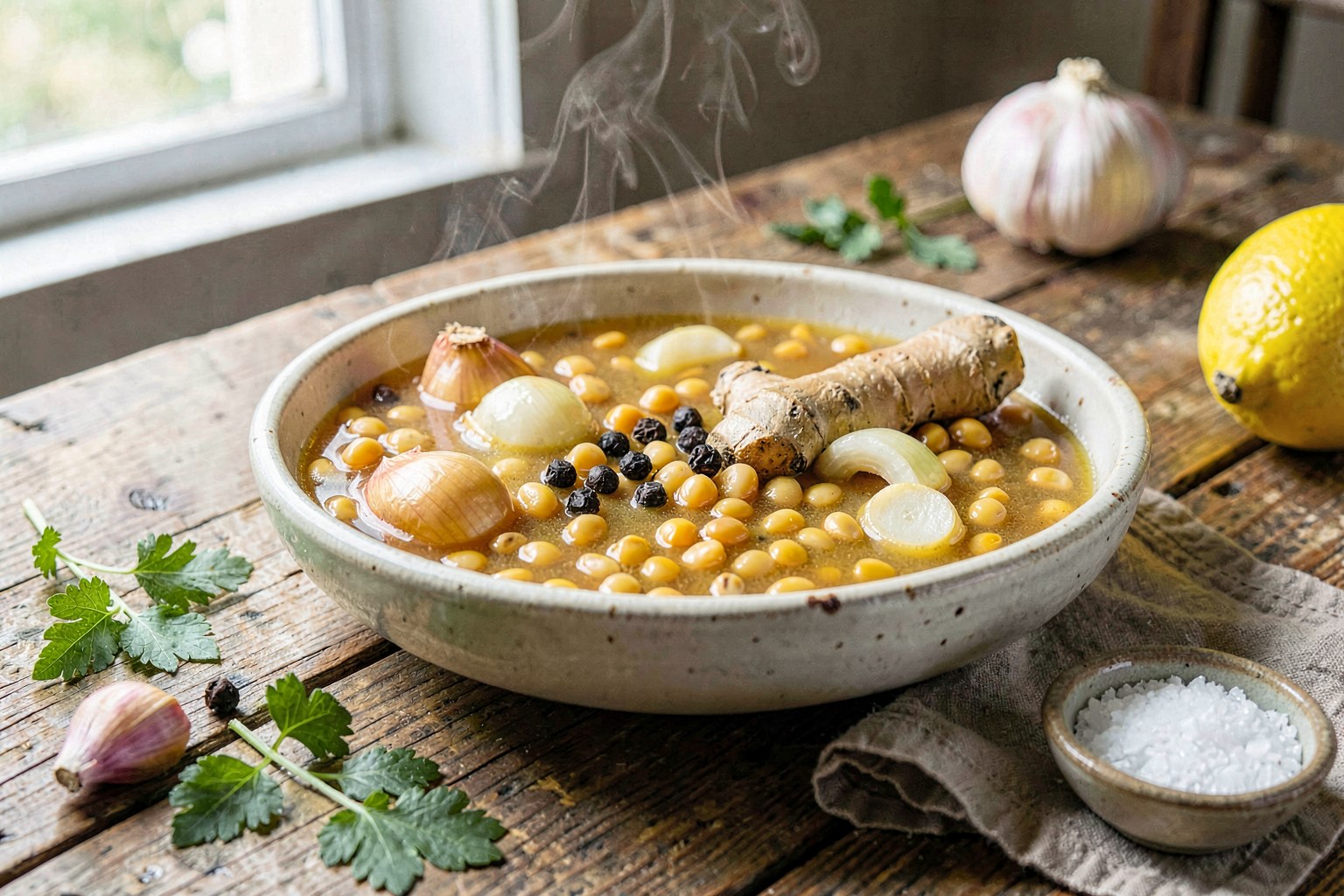
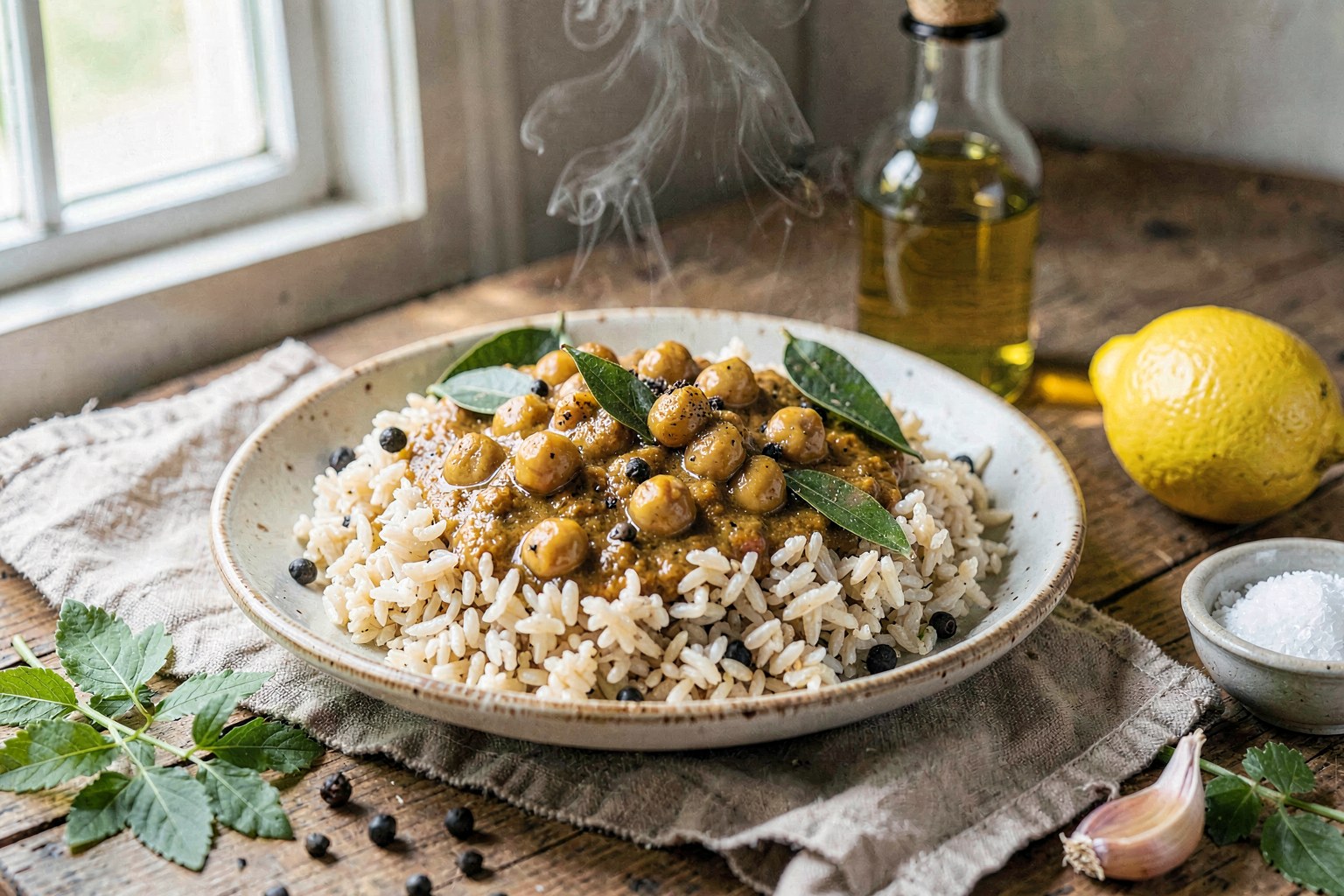
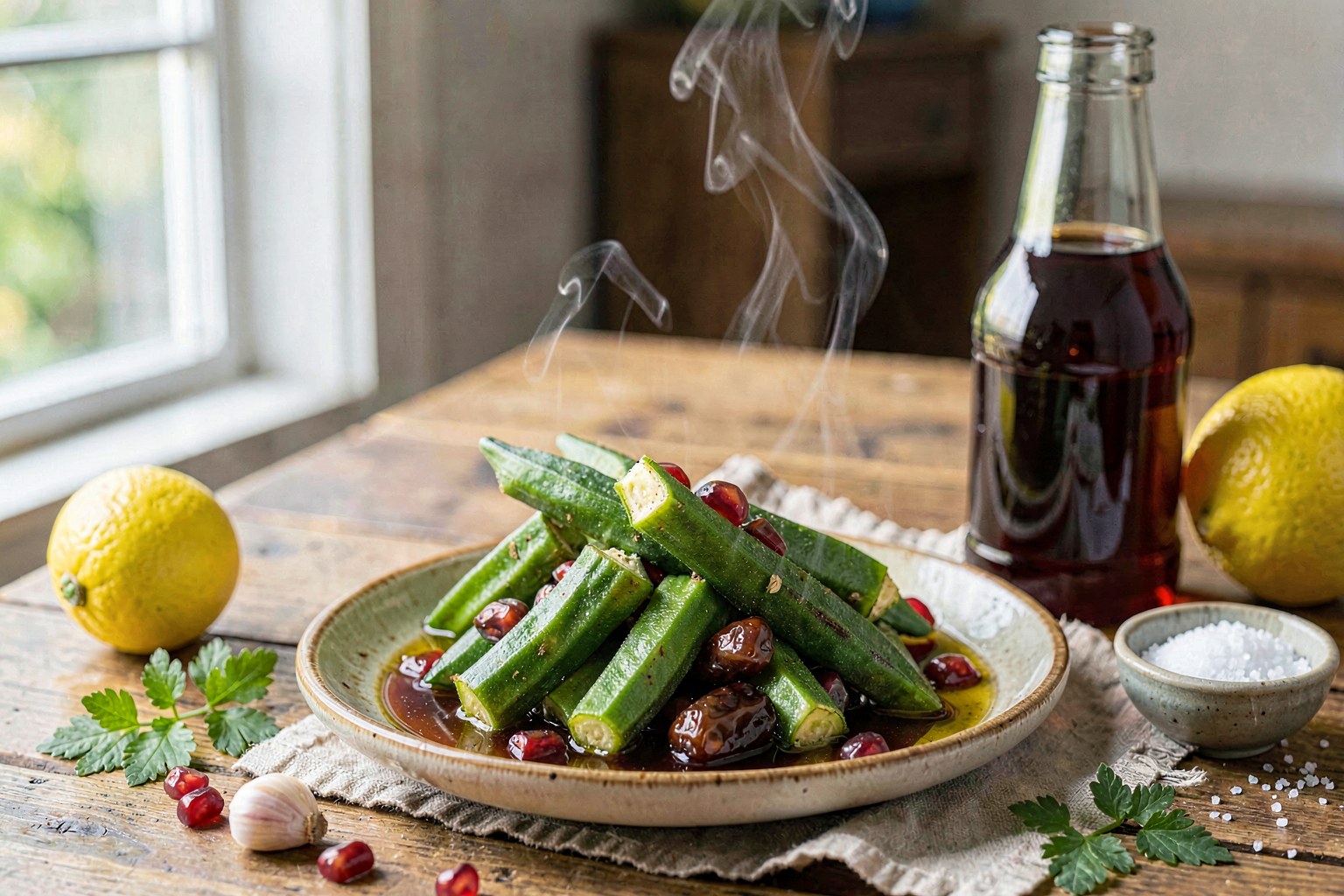
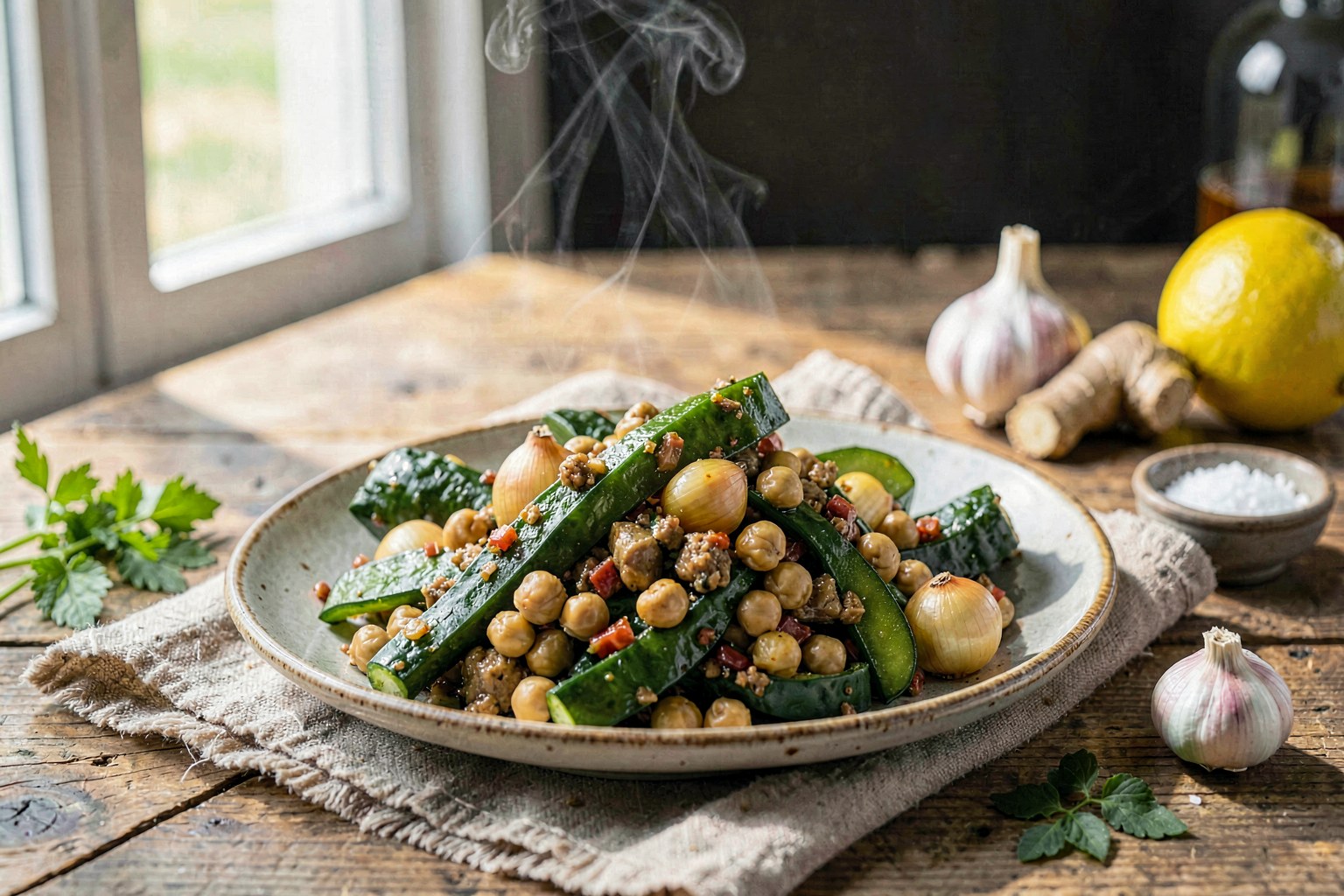
Bitter Gourd and Spiced Chickpea Fry (Ayurvedic Modern)
A deeply savory, Vata-pacifying stir-fry that transforms the astringent bite of fresh bitter melon into a complex, earthy harmony with protein-rich chickpeas. Tempered with black pepper, asafoetida, and fresh ginger, this dish delivers a robust umami profile without a single gram of refined sugar or a drop of seed oil.
A little context
Rooted in the Indian tradition of 'Karela' preparations, this recipe respects the ancient Ayurvedic practice of using spices to balance the inherent bitterness of the vegetable. Traditional versions often rely on refined sugar to counteract the astringency and seed oils for frying; we have honorably stripped these out, replacing sugar with the natural sweetness of caramelized onions and using cold-pressed extra-virgin olive oil to preserve the integrity of the fats.
The longevity story
This dish leverages the bioactive compound momordicin found in bitter melon, which supports healthy glucose metabolism and insulin sensitivity. The chickpeas provide a slow-digesting fiber matrix that feeds beneficial gut bacteria, while the black pepper enhances the bioavailability of curcumin if turmeric is used and stimulates digestive enzymes. We utilize extra-virgin olive oil and fresh turmeric to deliver high doses of polyphenols and anti-inflammatory antioxidants, creating a meal that is as metabolically supportive as it is nourishing.
Method
- 01
Desalt the bitter melon
Toss the sliced bitter melon with 1 tsp of sea salt. Let it rest for 15 minutes to draw out excess moisture and soften the bitterness. Rinse thoroughly under cold water and pat completely dry with a clean kitchen towel. This step is critical for texture and flavor balance.
- 02
Temper the spices
Heat the extra-virgin olive oil in your heavy skillet over medium heat. Add the mustard seeds and cumin seeds. Wait until they sputter and pop (about 30 seconds), then immediately add the asafoetida and turmeric. Stir for 10 seconds until fragrant, being careful not to burn the asafoetida.
- 03
Sauté aromatics
Add the diced onion to the pan. Sauté for 5–7 minutes, stirring frequently, until the onions turn translucent and begin to caramelize at the edges. This natural sweetness is our only sweetener. Add the minced garlic and julienned ginger, cooking for another 2 minutes until the raw bite dissipates.
- 04
Sear the bitter melon
Increase heat to medium-high. Add the dried bitter melon slices in a single layer. Do not stir immediately; let them sear for 3 minutes to develop a light char. Flip and sear for another 2 minutes. This high-heat approach reduces the astringency.
- 05
Simmer with chickpeas
Reduce heat to low. Add the cooked chickpeas and the freshly cracked black pepper. Stir gently to coat everything in the spice oil. Add 60 ml (¼ cup) of water, cover the skillet, and simmer for 10–12 minutes. The steam will soften the bitter melon completely while the chickpeas absorb the flavors.
- 06
Reduce and finish
Remove the lid. If there is excess liquid, increase heat to medium and stir for 2 minutes until the sauce reduces and clings to the vegetables. Taste and adjust salt if necessary. The texture should be tender but not mushy.
- 07
Serve immediately
Garnish generously with fresh chopped cilantro. Serve hot as a standalone dish or alongside warm, steamed jasmine rice or quinoa.
Nutrition facts
Per serving · 1 of 4- — Saturated
- 3 g
- — Polyunsaturated
- 5 g
- Carbohydrates
- 35 g
- — Fiber
- 12 g
- — Sugars
- 6 g
- Cholesterol
- 0 mg
- Sodium
- 242 mg
- Potassium
- 765 mg
Estimated from USDA FoodData Central for matched ingredients (67% ingredient coverage). Values vary with brand, preparation, and exact measurements.
Pro tips
- ✦Sourcing: Look for bitter melons that are firm with a warty, bright green skin; avoid any with yellowing spots or soft areas, which indicate over-ripeness and increased bitterness.
- ✦Texture: Do not skip the salting and rinsing step; this is the only way to ensure the bitter melon is palatable without masking the flavor with sugar.
- ✦Heat control: Asafoetida burns instantly. Add it only after the seeds have popped and the oil is hot, then stir for no more than 10 seconds.
- ✦Meal prep: This dish actually improves in flavor after sitting overnight in the fridge as the spices meld and the bitter melon fully absorbs the oil.
- ✦Polyphenol boost: Drizzle an extra teaspoon of high-quality extra-virgin olive oil over the finished dish just before serving to maximize the polyphenol intake, as heat can degrade some compounds.
Shop this recipe
As an Amazon Associate we earn from qualifying purchases.
Substitutions
- bitter gourd → zucchini or summer squash (will lose the specific metabolic benefits of momordicin but offers a milder, sweeter profile)
- chickpeas → red lentils (masoor dal) (cook until soft; reduces cooking time but changes the texture to a softer consistency)
- extra-virgin olive oil → ghee (grass-fed) (traditional Ayurvedic fat; excellent for high-heat cooking and Vata balancing)
Storage
Store in an airtight glass container in the refrigerator for up to 4 days. This dish freezes exceptionally well for up to 3 months; thaw overnight in the fridge and reheat gently with a splash of water.
What to serve with it
- Steamed jasmine rice or quinoa
- Warm flatbread made from sprouted grains or chickpea flour (besan)
- Unsweetened green tea or turmeric-ginger tea
- A glass of sparkling water with a squeeze of fresh lime
FAQ
Is this dish too bitter for the whole family?+
The salting step significantly reduces the bitterness. If serving to children or those new to bitter melon, you can add a small amount of grated carrot to the onion mix for natural sweetness, but avoid refined sugar.
Can I use canned chickpeas?+
Yes, but ensure you rinse them thoroughly under cold water for at least 60 seconds to remove the sodium and the canning liquid, which can be metallic and affect the flavor.
Share this recipe
Notes from the community
Sign in to leave a note.
No notes yet — be the first.
You might also like