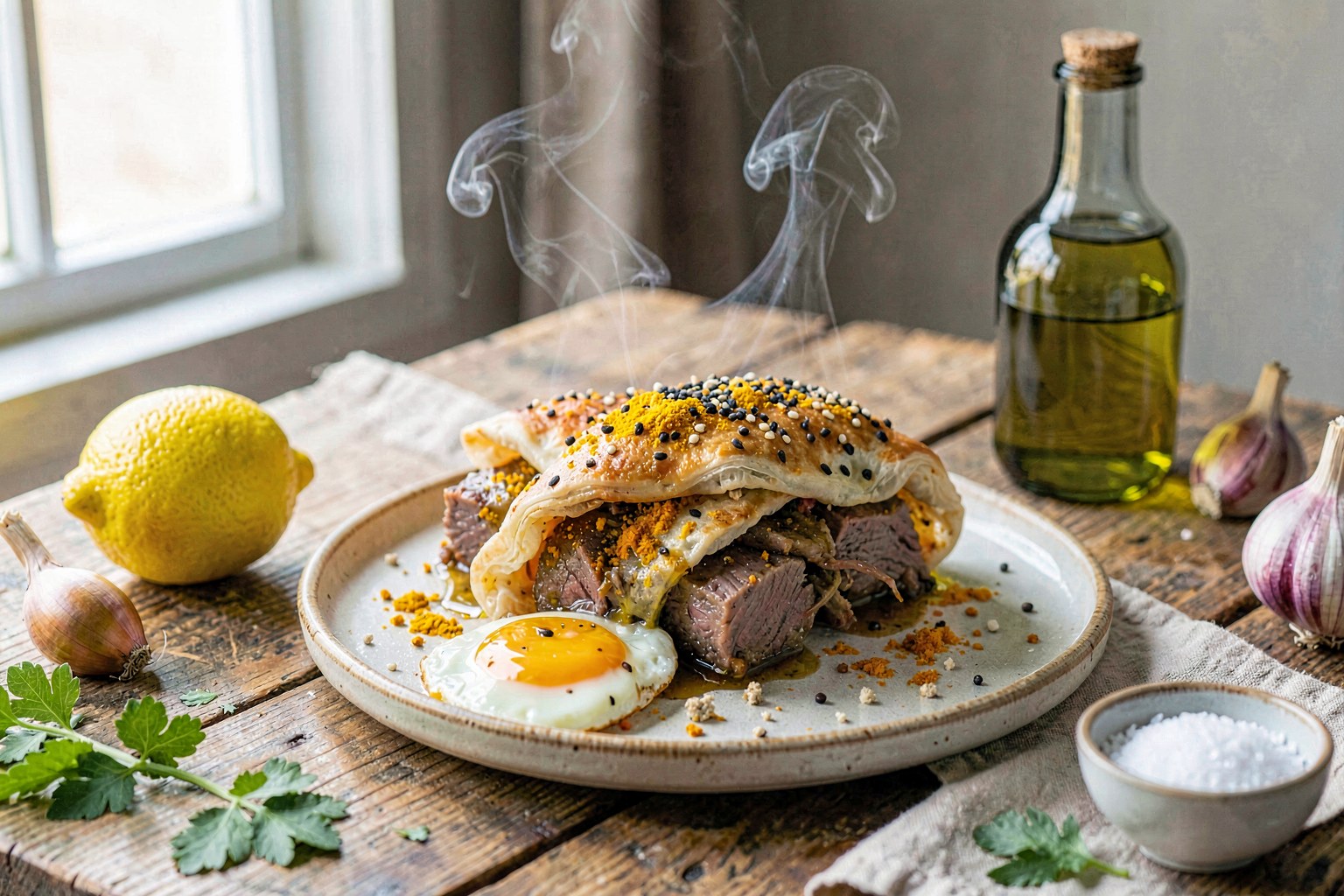
Adobong Baboy: Heritage Vinegar-Braised Pork
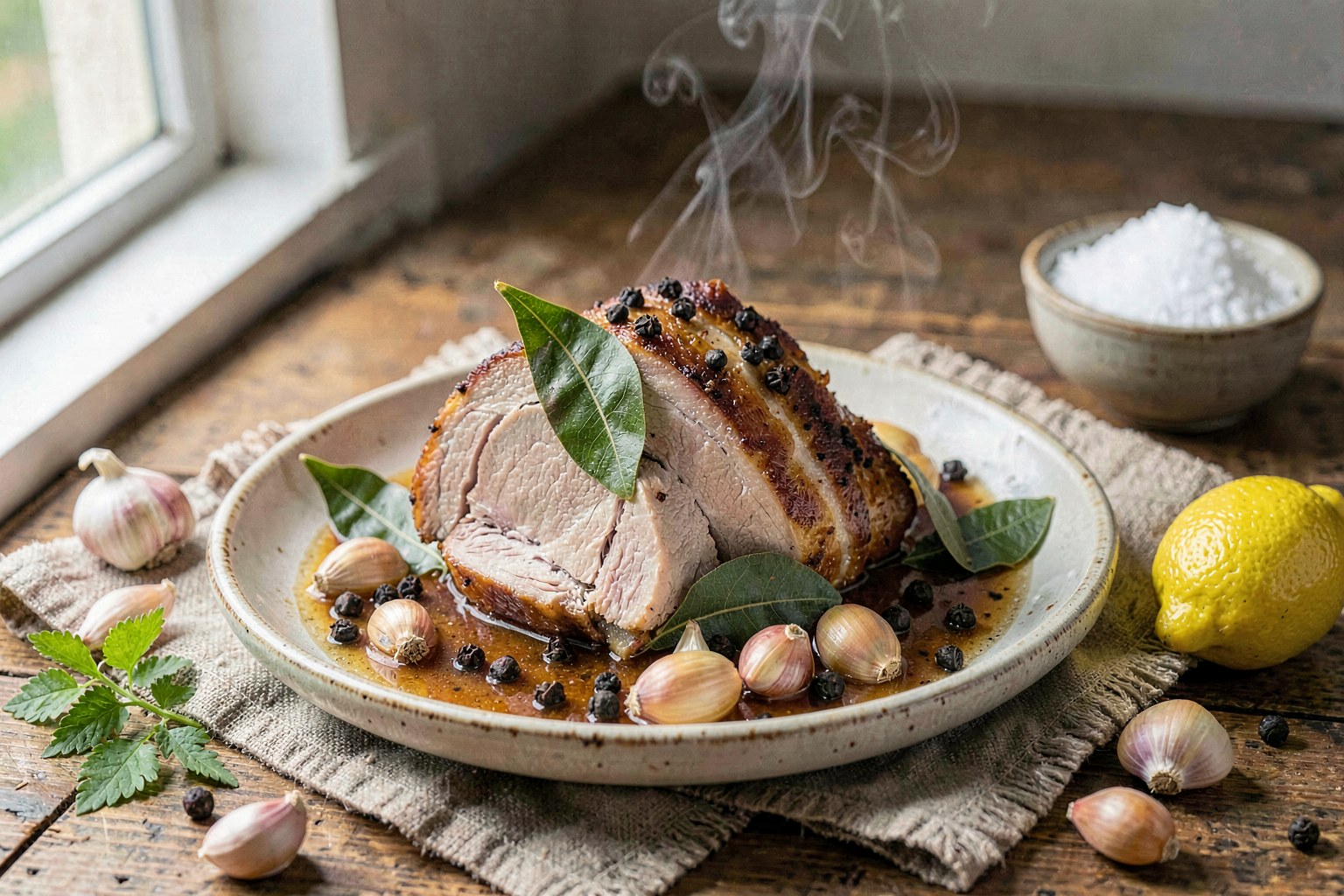
This is the definitive farm-fresh version of the Philippines' national dish: pasture-raised pork belly simmered in a sharp, aromatic bath of cane vinegar, garlic, and black peppercorns. The meat becomes tender and rich, glazed naturally by the reduction of vinegar and savory juices, with zero refined sugar or seed oils. It delivers a deep, savory-sour umami profile that honors tradition while prioritizing clean, bioavailable fats and whole ingredients.
A little context
Adobo is a preservation technique born from the Philippines' tropical climate, where vinegar and salt inhibit bacterial growth. Traditional home cooks often add a spoonful of brown sugar to balance the sharp acidity, but we honor the original preservation logic by using the natural sweetness of a single ripe banana or a touch of date syrup only if absolutely necessary for balance, never as a primary sweetener. We have replaced industrial seed oils with extra-virgin olive oil and pastured lard to respect the ingredient integrity while maintaining the authentic, mouth-coating texture.
The longevity story
The dish leverages the polyphenol-rich properties of extra-virgin olive oil and the antimicrobial benefits of vinegar and garlic to support gut health and metabolic function. By using pasture-raised pork, we ensure a superior fatty acid profile, including higher levels of omega-3s and vitamin E compared to conventionally raised animals. The slow-simmering process breaks down collagen into gelatin, supporting joint health and gut lining integrity, while the absence of refined sugars prevents insulin spikes, keeping the meal low-glycemic and anti-inflammatory.
Method
- 01
Marinate the pork
In a non-reactive bowl, combine the pork cubes, half of the vinegar, half of the garlic, half of the peppercorns, and the bay leaves. Cover and refrigerate for at least 2 hours, ideally overnight, to allow the acid to tenderize the connective tissue and infuse flavor.
- 02
Sear the meat
Remove pork from the marinade (reserve the liquid). Pat the meat completely dry with paper towels. Heat the extra-virgin olive oil in the Dutch oven over medium-high heat. Sear the pork in batches until deeply browned on all sides, about 3-4 minutes per side. Do not crowd the pan. Remove meat and set aside.
- 03
Sauté aromatics
Reduce heat to medium. Add the reserved marinade to the pot and simmer for 2 minutes to cook off the raw vinegar bite. Add the remaining smashed garlic and crushed peppercorns. Sauté gently for 2 minutes until fragrant but not browned, as burnt garlic turns bitter.
- 04
Deglaze and braise
Return the seared pork to the pot. Pour in the remaining fresh vinegar and the bone broth. If using the date paste, stir it in now. Bring to a boil, then immediately reduce heat to low, cover, and simmer gently for 40-45 minutes until the pork is fork-tender.
- 05
Reduce the sauce
Uncover the pot and increase heat to medium. Simmer uncovered for 10-15 minutes, stirring occasionally, until the liquid reduces to a glossy, dark sauce that coats the back of a spoon. The fat should render out and emulsify with the vinegar.
- 06
Rest and serve
Remove from heat. Discard the whole bay leaves. Let the dish rest for 5 minutes to allow the flavors to settle. Serve hot with steamed brown rice or cauliflower rice.
Nutrition facts
Per serving · 1 of 4- — Saturated
- 1 g
- — Polyunsaturated
- 1 g
- Carbohydrates
- 16 g
- — Fiber
- 1 g
- — Sugars
- 3 g
- Cholesterol
- 0 mg
- Sodium
- 10 mg
- Potassium
- 221 mg
Estimated from USDA FoodData Central for matched ingredients (50% ingredient coverage). Values vary with brand, preparation, and exact measurements.
Pro tips
- ✦Sourcing is key: Look for pork labeled 'pasture-raised' or 'heritage breed' to ensure a better fat profile and richer flavor.
- ✦Do not skip the searing step; the Maillard reaction creates the deep, savory base that simmering alone cannot achieve.
- ✦If the sauce becomes too thick before the meat is tender, add a splash of warm broth, not water.
- ✦Taste the vinegar before buying; it should smell sharp and clean, not like nail polish remover.
- ✦Leftovers taste better the next day as the collagen continues to break down and flavors meld.
Shop this recipe
As an Amazon Associate we earn from qualifying purchases.
Substitutions
- pork belly → pasture-raised chicken thighs or beef chuck (Chicken cooks in 25 minutes; beef chuck requires 90 minutes for tenderness.)
- extra-virgin olive oil → pastured lard or ghee (Traditionalists often render some of the pork fat for cooking, but EVOO adds distinct polyphenols.)
- cane vinegar → coconut vinegar or apple cider vinegar (raw, with mother) (Coconut vinegar offers a slightly fruitier, less harsh acidity.)
Storage
Refrigerate in an airtight glass container for up to 4 days. The dish freezes exceptionally well for up to 3 months; thaw overnight in the fridge and reheat gently on the stove.
What to serve with it
- Steamed organic jasmine rice or warm cauliflower rice
- Fresh green tea or unsweetened kombucha
- A side of blanched bok choy with garlic
- Sparkling water with a wedge of calamansi or lime
FAQ
Why is my sauce too sour?+
Adobo should be tangy. If it's too sharp, simmer it longer to mellow the vinegar, or add the mashed date paste or a few slices of ripe banana to balance it naturally without refined sugar.
Can I use soy sauce?+
Traditional Adobo often uses soy sauce, but for a Blueprint-aligned, soy-free version, we rely on the saltiness of the broth and the umami of the seared meat. If you must use soy, choose a certified gluten-free, organic tamari, but note it adds processed soy.
Is the vinegar safe for my stomach?+
Yes, raw, unfiltered vinegar contains the 'mother' and beneficial bacteria. The long simmering process also breaks down the acid, making it gentle on the digestive tract.
Share this recipe
Notes from the community
Sign in to leave a note.
No notes yet — be the first.
You might also like