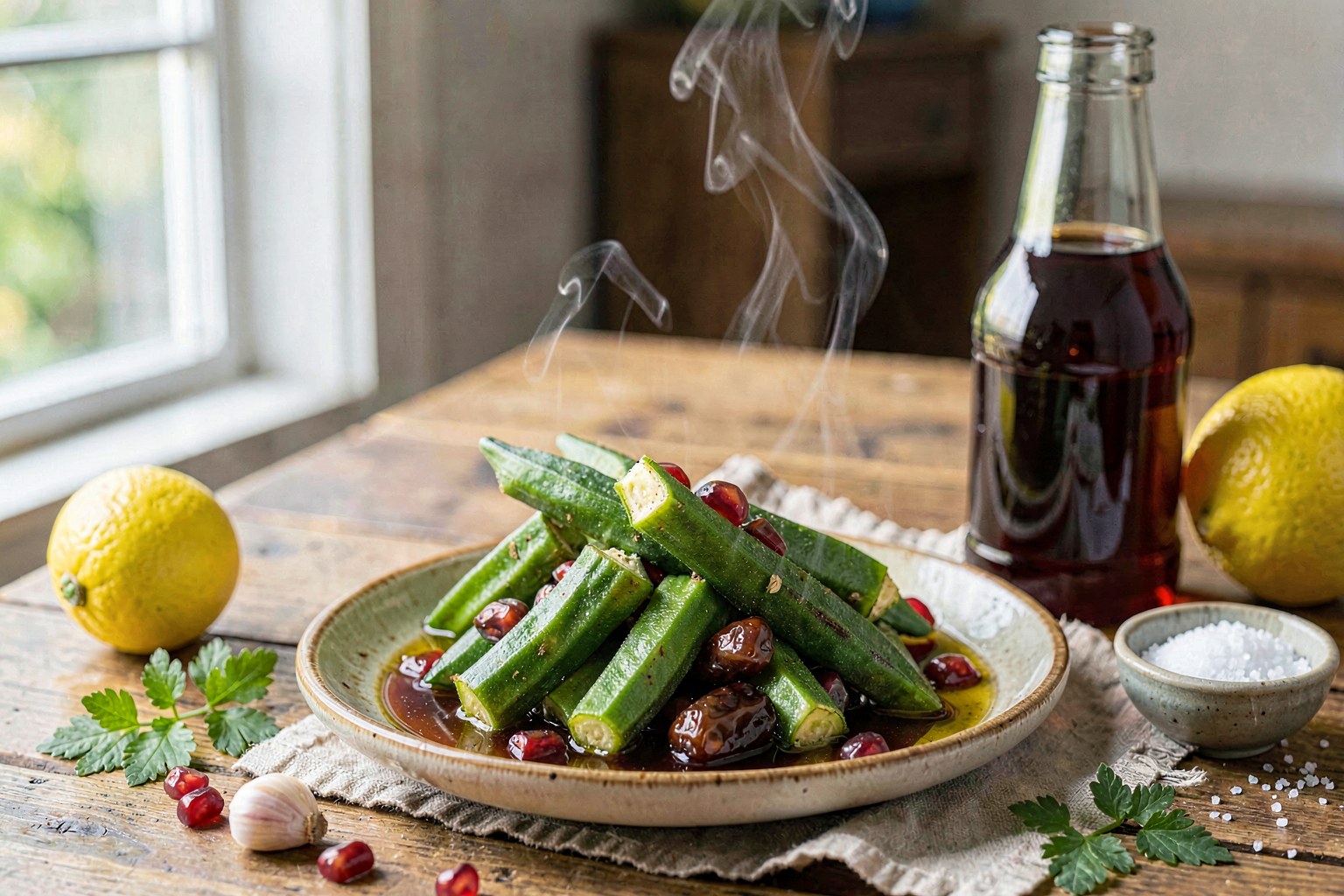
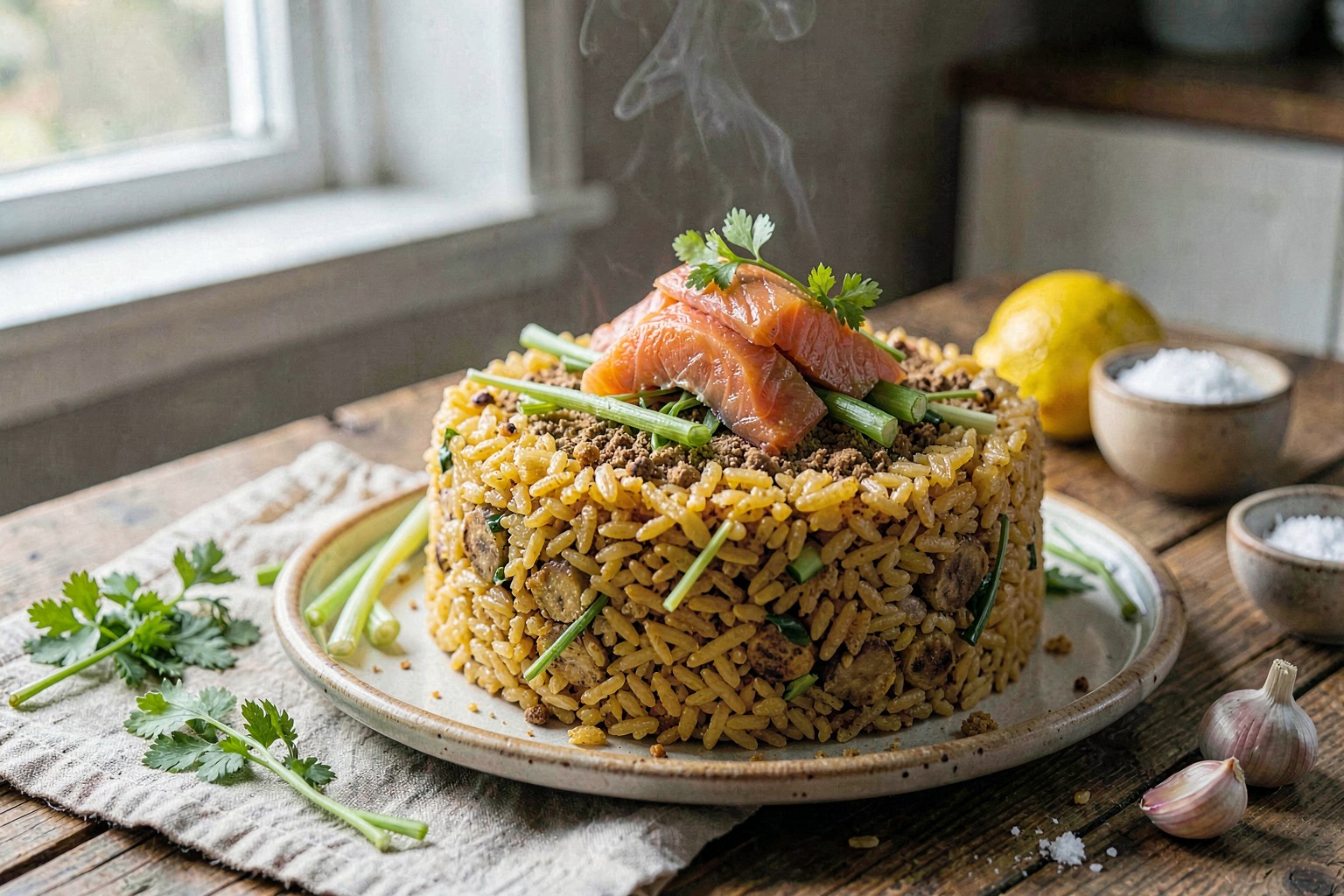
Golden Turmeric Bibingka with Lemongrass & Wild-Caught Salmon
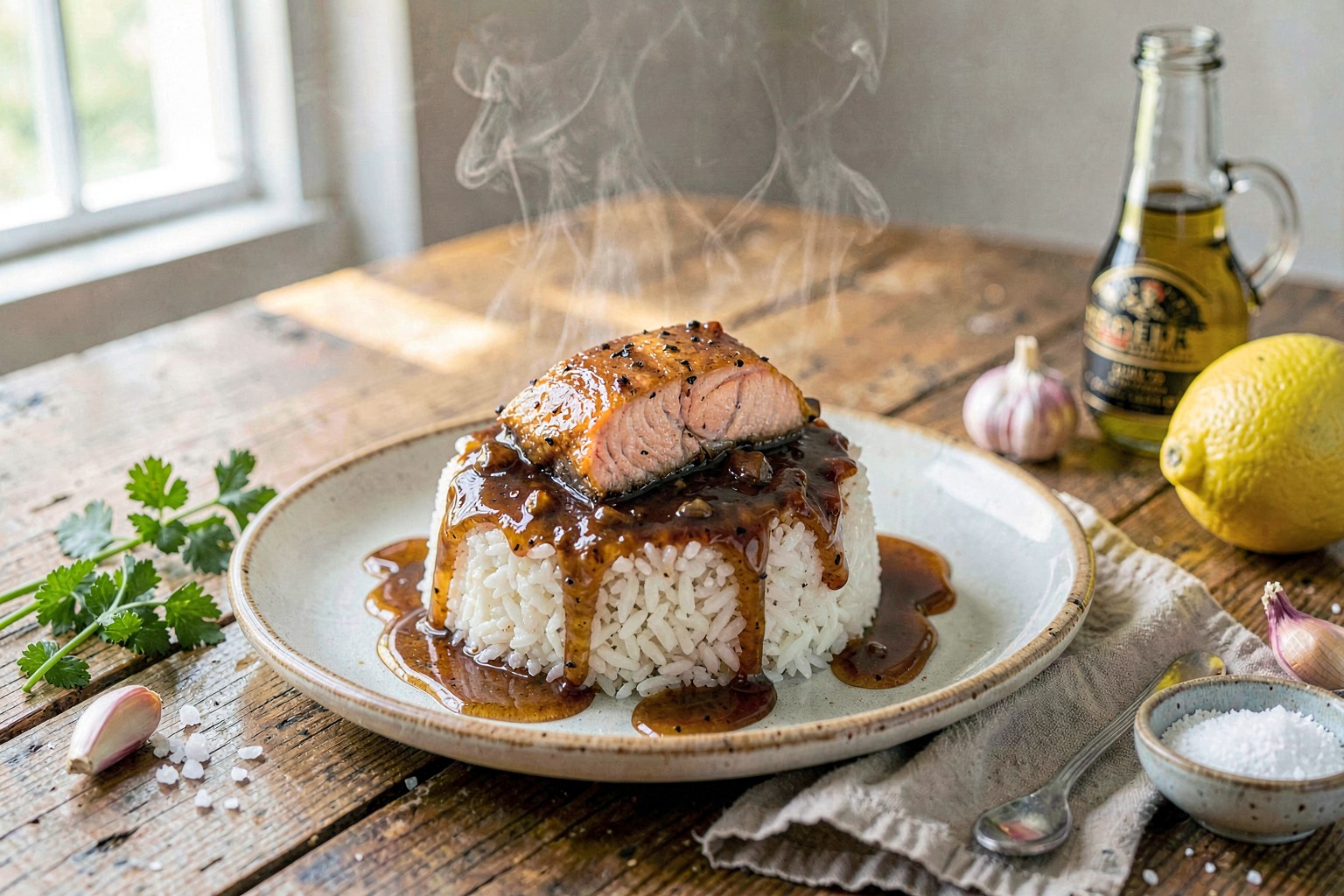
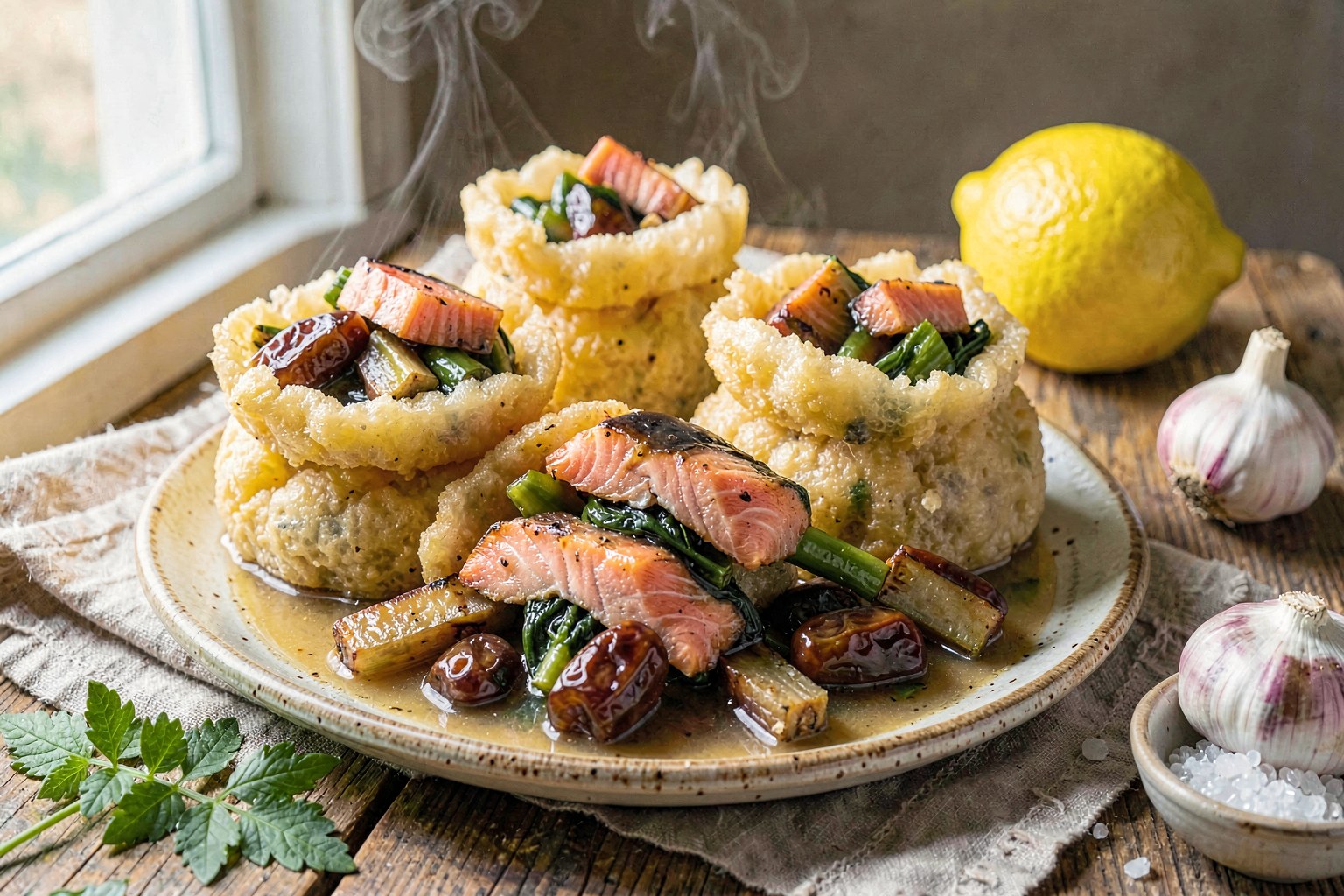
A savory, fiber-rich rice cake infused with turmeric and lemongrass, traditionally steamed in banana leaves but here baked to a golden finish. Topped with flaky wild-caught salmon and a drizzle of extra-virgin olive oil, this dish transforms the sweet holiday kakanin into a nutrient-dense, polyphenol-packed dinner that honors the earthy roots of Filipino cuisine.
A little context
Bibingka is traditionally a Christmas Eve treat made with white rice flour, coconut milk, and refined sugar, often baked in clay pots lined with banana leaves. We honor this tradition by swapping white rice for nutrient-dense brown rice flour, replacing refined sugar with the natural sweetness of ripe plantains and a touch of raw honey, and substituting seed oils with grass-fed ghee or coconut oil. The addition of wild-caught salmon shifts the profile from a dessert to a complete, balanced meal that fits a longevity-focused lifestyle.
The longevity story
This dish leverages the potent anti-inflammatory properties of curcumin from fresh turmeric and the polyphenols in lemongrass to support metabolic health. The base of brown rice flour and coconut milk provides sustained energy without the glucose spike of white rice, while the wild-caught sockeye salmon delivers high-quality omega-3 fatty acids (EPA/DHA) essential for brain function and cellular repair. Fresh banana leaves used for steaming add a subtle mineral note and prevent the need for seed oil-based greasing agents.
Method
- 01
Prepare the Banana Leaves
Wipe the banana leaves clean with a damp cloth. Briefly pass them over an open gas flame or use a kitchen torch until they turn a brighter green and become pliable. This releases the aromatic oils and prevents tearing. Line your cake pan with two leaves, overlapping slightly to cover the bottom and sides, leaving an overhang.
- 02
Blend the Batter
In a high-speed blender, combine the brown rice flour, coconut milk, mashed plantain, grated turmeric, minced lemongrass, sea salt, olive oil, and egg. Blend on high for 45-60 seconds until completely smooth and no plantain chunks remain. The batter should have the consistency of a thick pancake batter.
- 03
Preheat and Prep
Preheat your oven to 190°C (375°F). Ensure the oven rack is positioned in the middle. If using a convection setting, reduce heat to 175°C (350°F).
- 04
Pour and Bake the Base
Pour the batter into the banana-leaf-lined pan. Smooth the top with a spatula. Bake for 20 minutes. The edges should start to pull away from the sides, and the center should be mostly set but still slightly soft.
- 05
Prepare the Salmon
While the base bakes, pat the wild-caught salmon fillets dry. Season lightly with sea salt. In a small bowl, mix the melted ghee with a pinch of black pepper.
- 06
Top and Finish Baking
Remove the pan from the oven. Arrange the salmon fillets on top of the semi-cooked rice cake. Brush the salmon with the ghee mixture. Return to the oven and bake for another 15-20 minutes, or until the salmon is opaque and flakes easily with a fork, and the rice cake is golden brown on top.
- 07
Rest and Serve
Remove from the oven and let rest for 5 minutes. Carefully lift the cake out using the banana leaf overhang. Slice into wedges. Serve warm, optionally drizzled with a tiny amount of raw honey or a squeeze of fresh calamansi juice if available.
Nutrition facts
Per serving · 1 of 4- — Saturated
- 6 g
- — Polyunsaturated
- 2 g
- Carbohydrates
- 50 g
- — Fiber
- 3 g
- — Sugars
- 3 g
- Cholesterol
- 49 mg
- Sodium
- 636 mg
- Potassium
- 499 mg
Estimated from USDA FoodData Central for matched ingredients (82% ingredient coverage). Values vary with brand, preparation, and exact measurements.
Pro tips
- ✦Sourcing Tip: Look for banana leaves at Asian grocery stores; if frozen, thaw completely and wipe dry before wilting over heat.
- ✦Texture Tip: Do not overmix the batter after blending; once smooth, fold in gently to keep the rice cake light.
- ✦Flavor Tip: If fresh turmeric is unavailable, use 1 tsp of high-quality organic turmeric powder plus a pinch of black pepper to activate the curcumin absorption.
- ✦Doneness Tip: The salmon should be slightly undercooked when you take it out of the oven; the residual heat of the rice cake will finish it perfectly without drying it out.
Shop this recipe
As an Amazon Associate we earn from qualifying purchases.
Substitutions
- wild-caught sockeye salmon → wild-caught Arctic char or rainbow trout (similar fat profile and cooking time; ensure bones are removed.)
- brown rice flour → gluten-free oat flour or cassava flour (cassava flour will make it slightly chewier; oat flour adds a nuttier flavor.)
- plantain → 1/2 cup mashed sweet potato (sweet potato offers a similar starch profile and beta-carotene content.)
Storage
Store in an airtight glass container in the refrigerator for up to 3 days. Reheat in a toaster oven or air fryer to restore texture. Freezes well for up to 2 months; thaw overnight in the fridge before reheating.
What to serve with it
- Hot green tea with a slice of ginger
- Sparkling water with fresh lime and a sprig of mint
- A glass of dry Pinot Noir or light-bodied red wine
- Side of massaged kale salad with EVOO and lemon
FAQ
Can I make this vegan?+
Yes, simply omit the egg. The starch from the plantain and brown rice flour provides enough binding for the cake to hold together. Use coconut oil instead of ghee for the salmon topping.
Why use banana leaves if I'm baking in an oven?+
Banana leaves impart a subtle, earthy aroma that cannot be replicated with parchment paper, and they act as a natural non-stick barrier, eliminating the need for any oil or butter on the pan surface.
Is this recipe truly low-glycemic?+
Compared to traditional bibingka made with white rice flour and sugar, yes. Brown rice flour has a lower glycemic index, and the fiber from the plantain and healthy fats from the coconut milk and salmon further blunt any glucose response.
Share this recipe
Notes from the community
Sign in to leave a note.
No notes yet — be the first.
You might also like