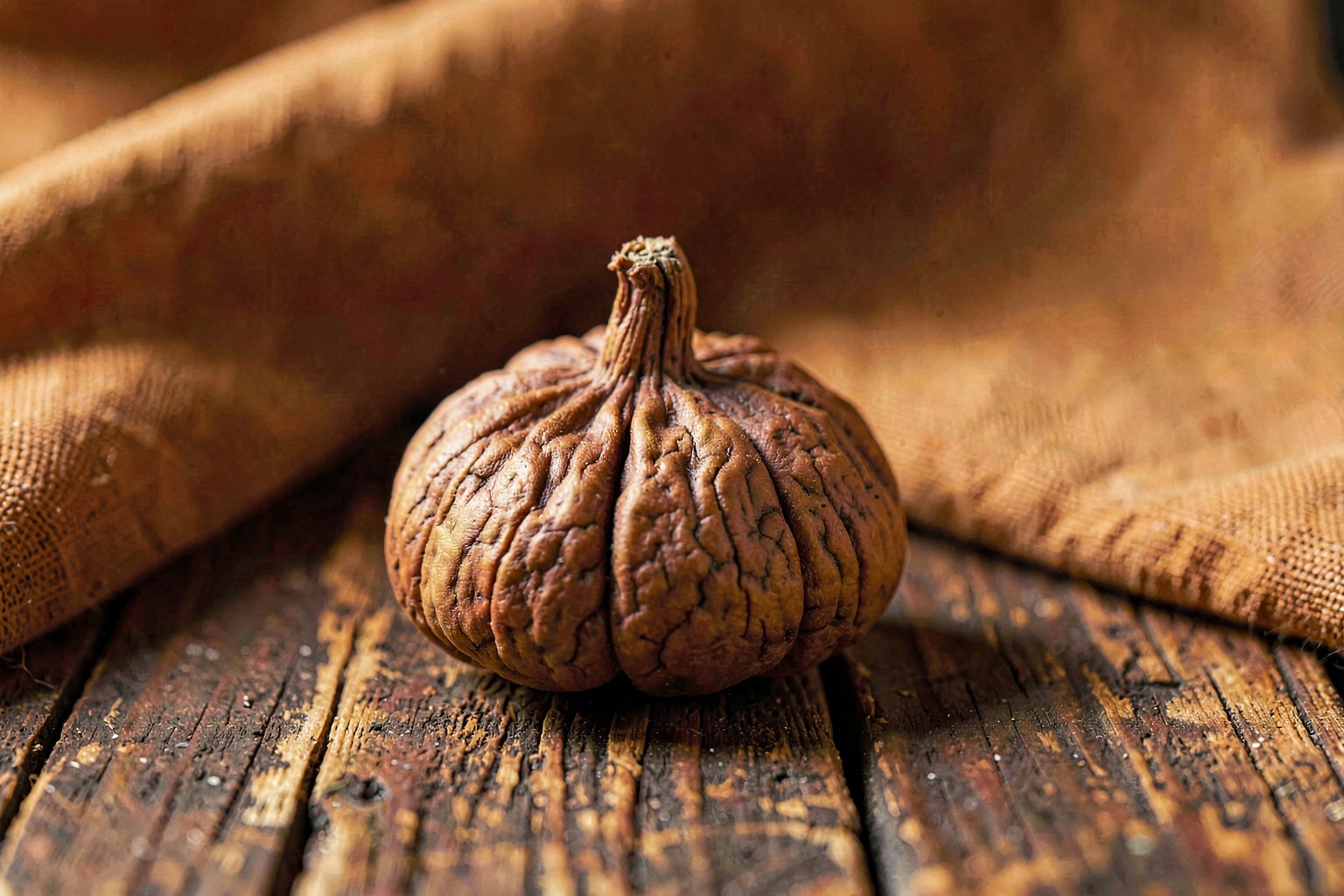
Asafoetida
A potent, resinous spice with a sulfurous, savory aroma that transforms into a garlic-onion flavor when cooked in oil.
What it is
Asafoetida, known as 'hing' in India, is the dried latex exuded from the rhizome of several Ferula species, primarily Ferula assa-foetida, native to the arid steppes of Iran and Afghanistan. The raw resin is too pungent to eat directly; it is usually ground into a fine powder and mixed with rice flour or wheat flour to dilute its intensity. This mixture creates the yellowish or reddish-brown powder found in most spice jars. In its raw state, the scent is overwhelmingly sulfurous, often described as resembling rotting garlic or raw sewage, but this is deceptive. When tempered in hot oil or ghee, the sulfur compounds break down, releasing a complex, savory flavor profile that mimics the depth of sautéed alliums (onions, garlic, leeks) without the actual vegetable matter.
How to buy
Seek out brands that clearly state the percentage of asafoetida resin versus filler; high-quality products often specify '10% asafoetida' or '30% asafoetida,' while generic grocery store brands may be heavily diluted with flour and lack potency. Avoid products that have turned a dark, muddy brown or smell faint of stale flour, as the resin degrades quickly if exposed to moisture or air. The best sources are Indian or Middle Eastern specialty grocers, which stock fresh, unadulterated blocks of resin or potent powders, though reputable online spice merchants like Penzeys or specialized Indian brands (e.g., Laxmi, MDH, Everest) offer reliable options. If buying the raw resin block, ensure it is hard and brittle, not soft or sticky.
Storage
Store asafoetida in an airtight, opaque container in a cool, dark pantry; the spice is extremely hygroscopic and will quickly lose its potency or clump if exposed to humidity. Because the volatile oils evaporate rapidly, a tightly sealed glass jar is superior to the original plastic bag. While the spice does not strictly spoil, it loses its transformative power within 6 to 12 months once opened. If the aroma no longer hits you from a foot away when the jar is opened, the resin has likely oxidized and should be replaced.
How to use
The cardinal rule of using asafoetida is to never add it directly to a dish; it must be 'tempered' (tadka) by frying a tiny pinch in hot oil or ghee for 10–15 seconds before adding other ingredients. Start with a fraction of a teaspoon (the size of a grain of rice) for a pot of lentils or vegetables; a little goes a very long way, and overuse will make the dish inedibly bitter and sulfurous. It is most commonly used in Indian vegetarian cooking to replicate the flavor of alliums, which are often avoided in strict Brahmin or Jain diets, but it also excels in pickles, chutneys, and spice blends like panch phoron. Mistakes usually stem from adding it to cold oil or using too much, which creates a harsh, medicinal aftertaste.
Where it comes from
Originating from the ancient Silk Road regions of Persia and Afghanistan, asafoetida was historically used by Romans as a seasoning called 'laserpicium' before the plant source was lost to Europe. In India, it became indispensable, particularly in Jain and Brahmin cuisines where the consumption of root vegetables like onions and garlic is prohibited for religious or spiritual reasons. It serves as the primary flavor anchor in thousands of traditional dishes, allowing cooks to achieve the savory, aromatic base of a curry without violating dietary restrictions, cementing its status as a 'poor man's garlic' that is actually far more complex.
Substitutions
- Garlic and onion powder — Use a 1:1 ratio of garlic powder to onion powder to mimic the cooked flavor, though you will miss the distinct earthy, umami depth of the actual resin.
- Chives or shallots — In a pinch for tempering, use a generous amount of finely minced shallots or chives sautéed until golden, but this adds actual vegetable texture and moisture to the dish.