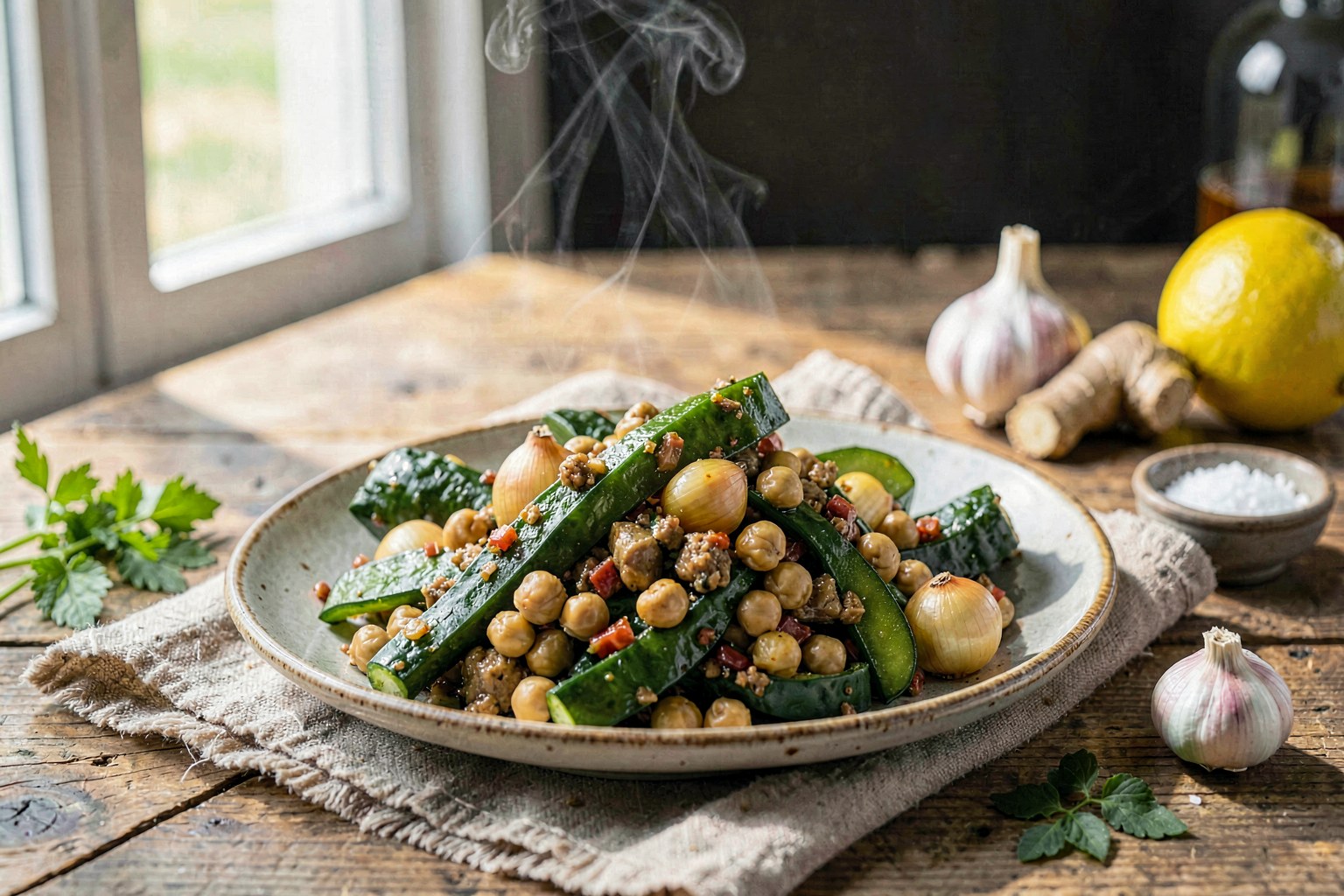
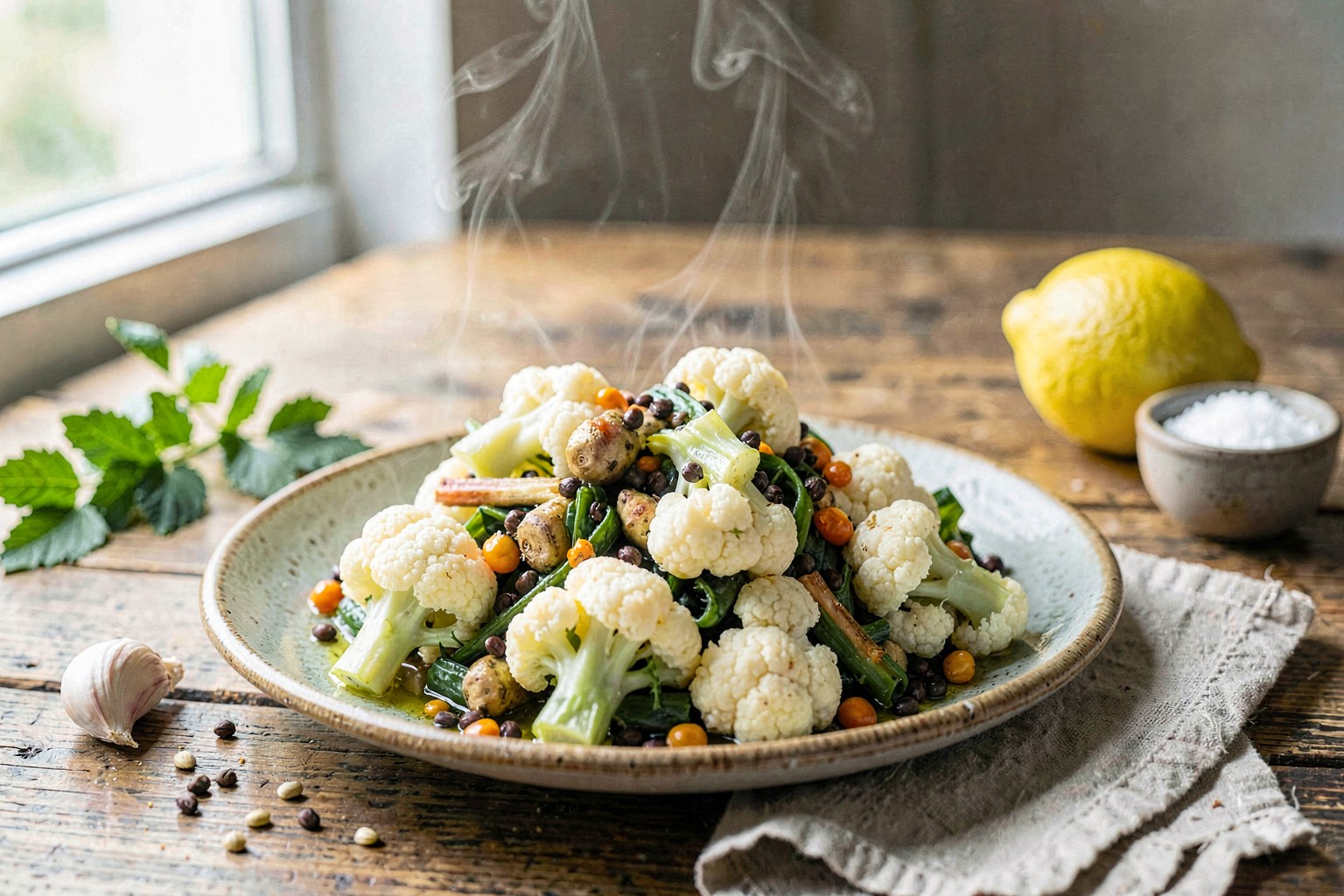
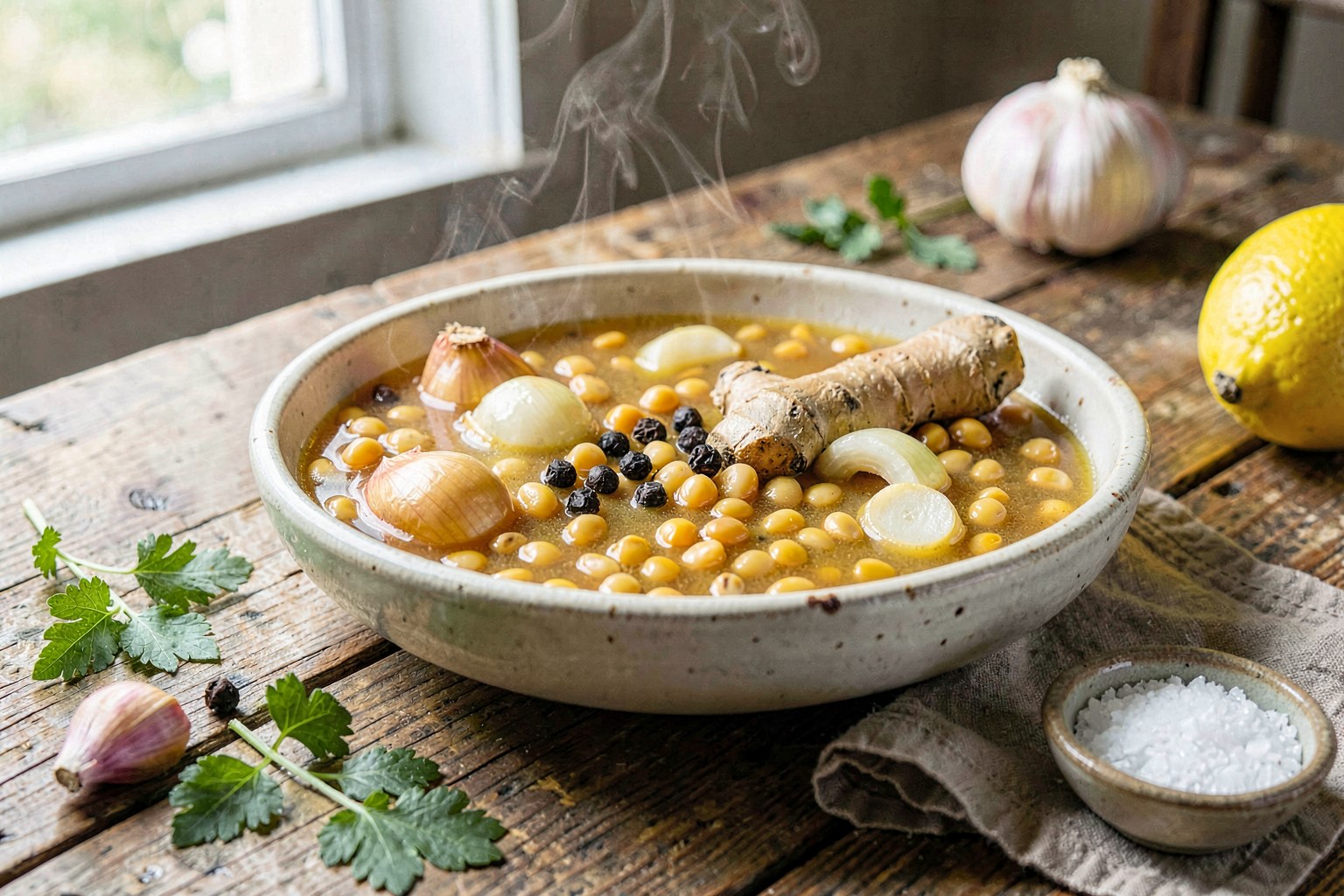
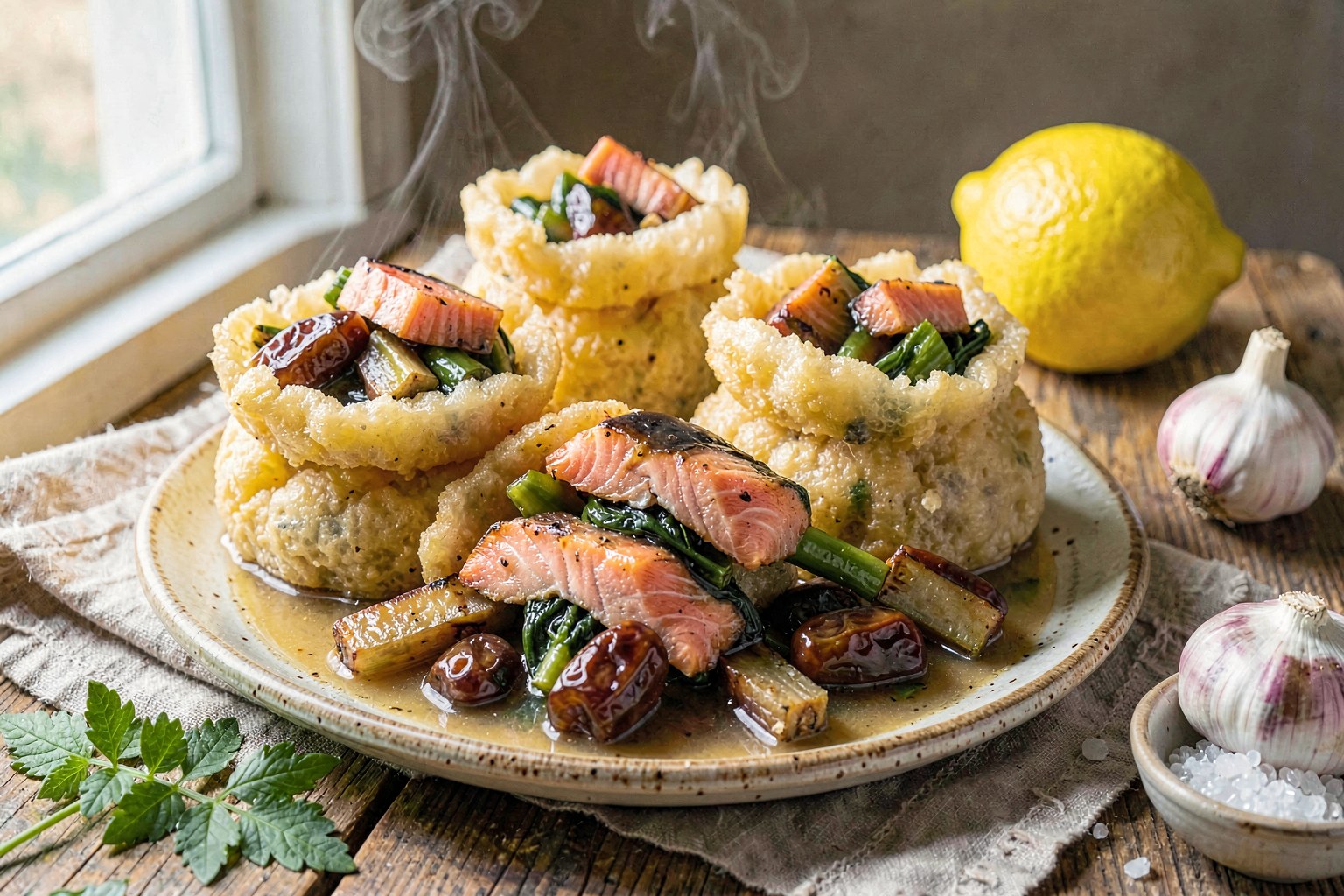
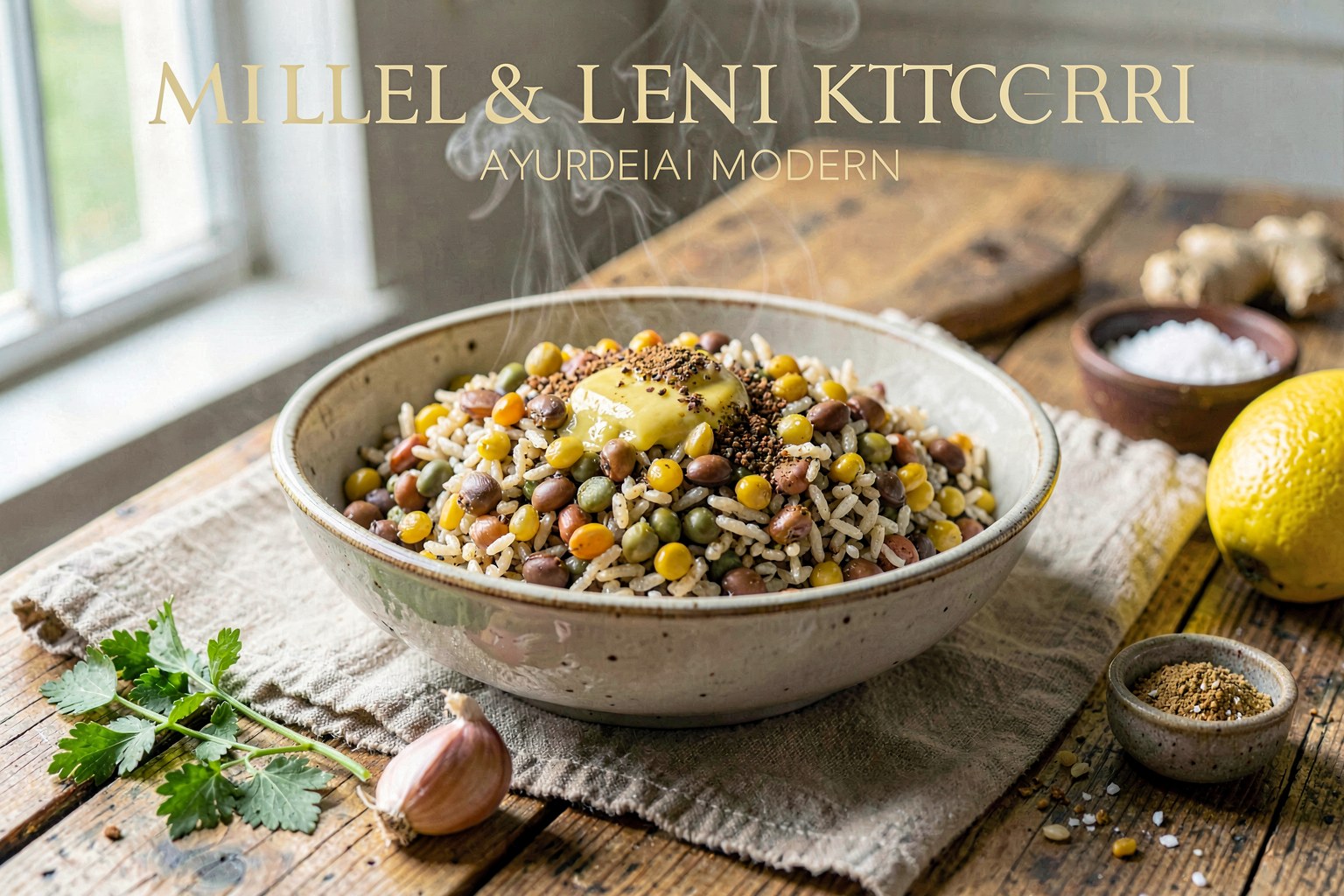
Millet & Lentil Kitchari Bowl (Ayurvedic Modern)
A restorative one-pan meal combining organic millet, split mung lentils, and a touch of brown rice, simmered in grass-fed ghee and aromatic spices. This dish is savory, earthy, and deeply comforting, designed to nourish the gut lining while delivering a steady release of energy without spiking blood sugar.
A little context
Kitchari is a staple of Ayurvedic medicine, traditionally used for digestive rest and detoxification. We honor this tradition by using organic, whole grains and legumes while strictly avoiding refined seed oils and ultra-processed bouillons common in modern adaptations. The sweetness typically found in some variations is omitted here to maintain a savory, low-glycemic profile suitable for metabolic longevity.
The longevity story
This bowl leverages the anti-inflammatory power of curcumin from turmeric, which is made bioavailable by the fats in grass-fed ghee and the piperine in black pepper. The combination of millet and mung lentils provides a complete amino acid profile and substantial soluble fiber to feed the microbiome. High polyphenol content from cumin, coriander, and fresh ginger supports systemic inflammation reduction, while the absence of seed oils prevents oxidative stress.
Method
- 01
Soak and Rinse
Soak the mung dal for 1 hour to reduce phytic acid. Rinse millet, brown rice, and mung dal separately under cold water until the water runs clear to remove excess starch.
- 02
Temper the Spices
Heat the grass-fed ghee in the Dutch oven over medium heat. Add mustard seeds and let them pop for 30 seconds. Stir in asafoetida, turmeric, grated ginger, and minced garlic. Sauté for 1 minute until fragrant but not browned.
- 03
Sauté Vegetables
Add the diced carrots and zucchini to the pot. Stir gently for 3-4 minutes to coat in the spiced ghee. This step builds flavor depth without needing seed oils.
- 04
Combine Grains
Add the drained millet, mung dal, and rinsed brown rice to the pot. Stir for 2 minutes to toast the grains slightly in the fat and spices.
- 05
Simmer
Pour in the hot water and add sea salt. Bring to a boil, then reduce heat to low. Cover and simmer for 30-35 minutes until grains are tender and water is absorbed.
- 06
Finish Greens
Remove from heat. Stir in the fresh spinach and lemon juice. Cover and let rest for 5 minutes to wilt the greens with residual heat.
- 07
Serve
Fluff gently with a fork. Garnish with fresh cilantro. Serve warm.
Nutrition facts
Per serving · 1 of 4- — Saturated
- 6 g
- — Polyunsaturated
- 2 g
- Carbohydrates
- 29 g
- — Fiber
- 5 g
- — Sugars
- 11 g
- Cholesterol
- 41 mg
- Sodium
- 1000 mg
- Potassium
- 471 mg
Estimated from USDA FoodData Central for matched ingredients (75% ingredient coverage). Values vary with brand, preparation, and exact measurements.
Pro tips
- ✦Source organic turmeric powder to avoid heavy metal contamination common in conventional spices.
- ✦Rinse the lentils until the water is completely clear; this prevents gumminess and reduces anti-nutrients.
- ✦Grass-fed ghee is critical here; conventional butter contains higher inflammatory fats. Look for a bright yellow color indicating beta-carotene content.
- ✦If you have IBS, skip the asafoetida or ensure it is gluten-free, as some brands use wheat flour as a filler.
Shop this recipe
As an Amazon Associate we earn from qualifying purchases.
Substitutions
- millet → quinoa or buckwheat groats (quinoa requires rinsing; buckwheat cooks faster)
- grass-fed ghee → organic coconut oil (makes the dish fully vegan while maintaining high-heat stability)
- brown basmati rice → wild rice (adds a chewier texture and higher protein content)
Storage
Store in airtight glass containers in the refrigerator for up to 4 days. Reheat with a splash of water to restore moisture. Freezes well for up to 3 months.
What to serve with it
- Fresh ginger turmeric tea
- Homemade fermented pickle (no sugar added)
- Sparkling water with lemon and mint
FAQ
Can I use canned lentils instead of dry mung dal?+
You can, but dry lentils offer better texture control and lack the sodium or preservatives often found in canned versions. If using canned, rinse well and add in the last 10 minutes.
Is this truly Blueprint-aligned?+
Yes, provided you use grass-fed ghee and organic ingredients. Blueprint emphasizes avoiding seed oils and refined sugars, which this recipe strictly adheres to.
Can I make this gluten-free?+
Yes, millet, mung dal, and brown rice are naturally gluten-free. Just ensure your asafoetida (hing) is certified gluten-free, as some brands mix it with wheat flour.
Share this recipe
Notes from the community
Sign in to leave a note.
No notes yet — be the first.
You might also like