Clear Mung Dal Soup with Ginger-Turmeric Broth
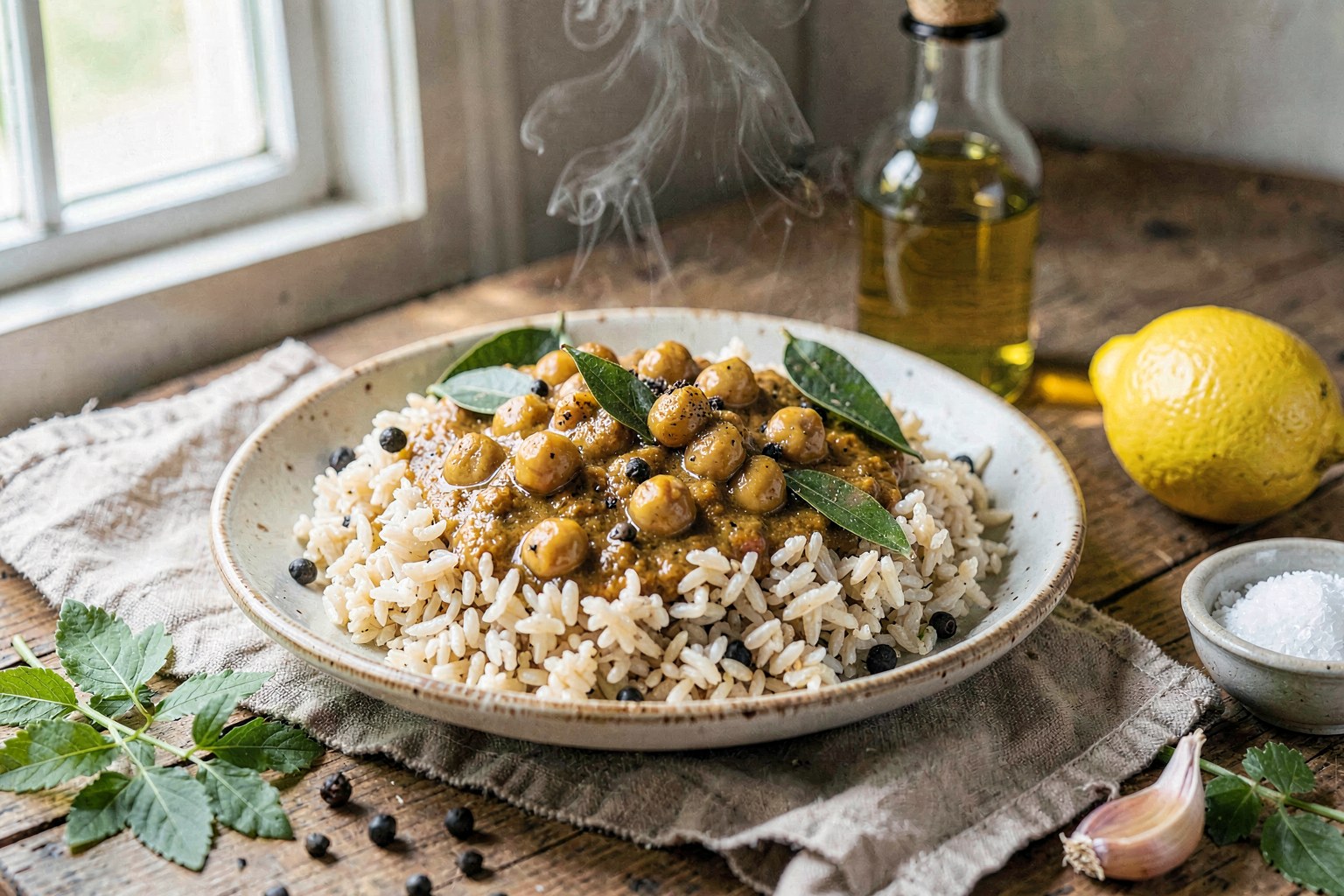
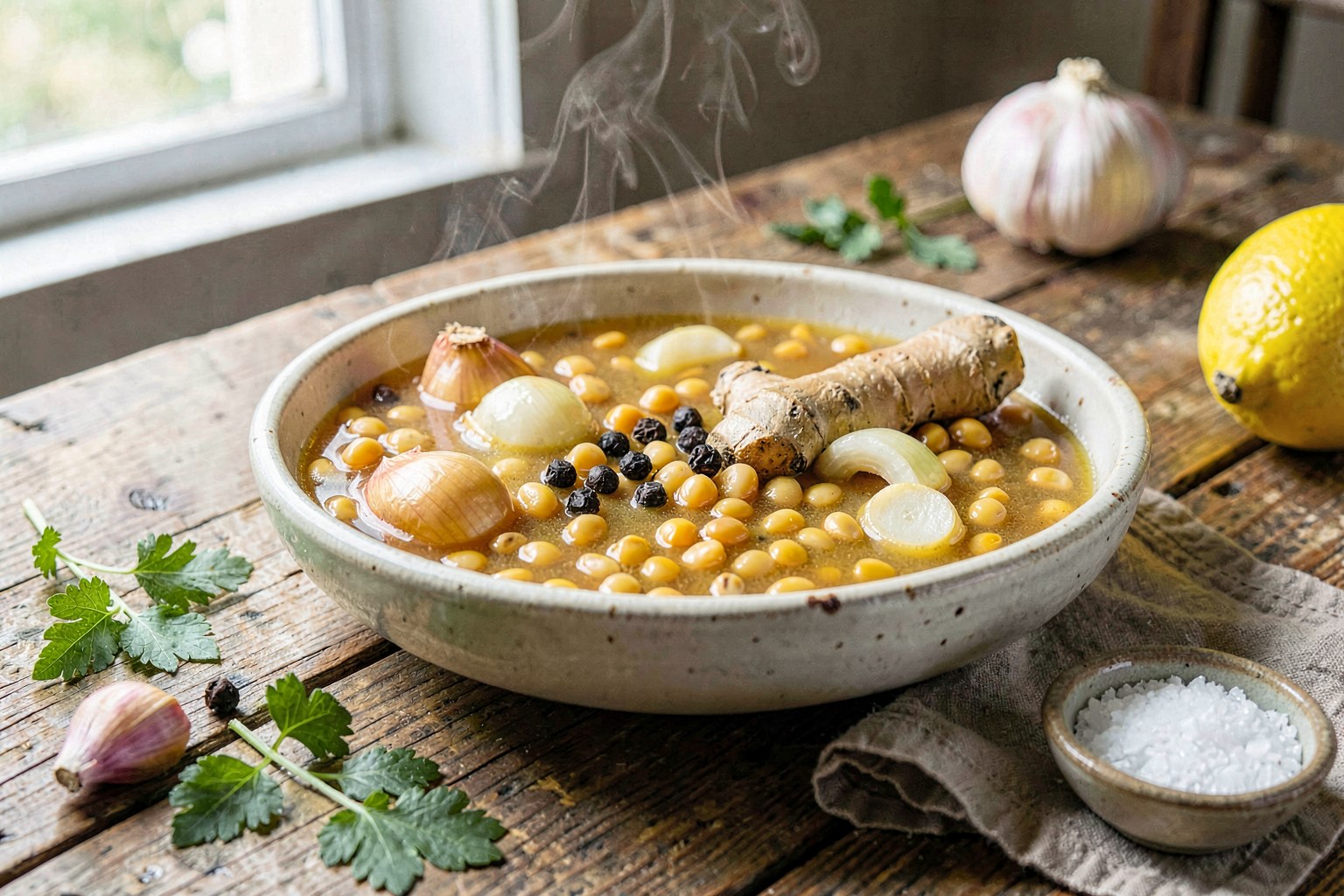
A luminous, golden-hued broth featuring split mung beans cooked until they dissolve into a velvety texture without heavy cream or starch. This soup tastes earthy and bright, driven by fresh ginger, turmeric, and a finish of high-quality extra-virgin olive oil, offering a light yet satisfying dinner that leaves you feeling clear rather than heavy.
A little context
Rooted in the Ayurvedic tradition of Kitchari, a restorative staple for digestion, this recipe honors the spirit of the dish while modernizing it for a clear-meat, no-sugar lifestyle. We have stripped away the traditional ghee-heavy finish if dairy is avoided, replacing it with cold-pressed olive oil to boost polyphenol intake, and removed any jaggery or sugar often added for balance, relying instead on the natural sweetness of caramelized onions and fresh ginger.
The longevity story
The split mung beans provide highly bioavailable plant protein and soluble fiber that supports gut motility without the gas often associated with other legumes. Fresh turmeric and black pepper deliver curcumin, a potent anti-inflammatory polyphenol that requires fat for absorption, which we supply via the finishing EVOO. The ginger root stimulates digestive enzymes (amylase and protease) to enhance nutrient uptake, while the absence of industrial seed oils prevents oxidative stress in the broth.
Method
- 01
Rinse and Soak
Place the split mung beans in a fine-mesh sieve and rinse under cold running water for 2 minutes until the water runs completely clear. Transfer to a bowl, cover with water, and soak for 2 hours at room temperature. Drain and set aside.
- 02
Sauté Aromatics
In your heavy pot over medium-low heat, add 1 tbsp of the extra-virgin olive oil. Add the diced onions and a pinch of sea salt. Cook gently for 10–12 minutes until translucent and just beginning to turn golden, avoiding any browning that creates bitterness.
- 03
Bloom Spices
Stir in the minced ginger, turmeric, black pepper, and cumin seeds. Cook for 2–3 minutes until the mixture is fragrant and the raw edge of the ginger is gone. The oils in the spices should become aromatic, not burnt.
- 04
Simmer the Dal
Add the drained mung beans to the pot and stir to coat in the spice mixture. Pour in the hot filtered water or broth. Increase heat to bring to a boil, then immediately reduce to a low simmer.
- 05
Cook to Clarity
Cover partially and simmer for 35–40 minutes. Stir occasionally to prevent sticking. The soup is ready when the beans have completely broken down and the liquid has turned a deep, clear golden yellow. If it becomes too thick, add a splash of hot water.
- 06
Finish and Serve
Remove from heat. Stir in the remaining 1 tbsp of extra-virgin olive oil to emulsify the broth and lock in the polyphenols. Ladle into warm bowls and garnish generously with fresh cilantro. Serve immediately.
Nutrition facts
Per serving · 1 of 4- — Saturated
- 2 g
- — Polyunsaturated
- 2 g
- Carbohydrates
- 25 g
- — Fiber
- 7 g
- — Sugars
- 6 g
- Cholesterol
- 0 mg
- Sodium
- 120 mg
- Potassium
- 472 mg
Estimated from USDA FoodData Central for matched ingredients (78% ingredient coverage). Values vary with brand, preparation, and exact measurements.
Pro tips
- ✦Source organic split mung beans to avoid pesticide residues, as legumes can be heavy accumulators of soil toxins.
- ✦The water must run completely clear after rinsing; cloudy water indicates excess starch that will make the soup gummy rather than clear.
- ✦Do not skip the black pepper; the piperine in pepper increases curcumin absorption by up to 2000%.
- ✦For a 'Blueprint' style meal, serve this with a side of fermented kimchi or sauerkraut to introduce live probiotics.
- ✦If you prefer a creamier texture without dairy, blend 1/4 of the soup with an immersion blender before adding the finishing oil.
Shop this recipe
As an Amazon Associate we earn from qualifying purchases.
Substitutions
- fresh turmeric root → 1 tsp organic turmeric powder + 1/4 tsp ground ginger (Fresh is preferred for higher curcumin content, but high-quality powder works in a pinch.)
- extra-virgin olive oil → avocado oil or ghee (if not vegan) (Ghee is traditional in Ayurveda, but EVOO offers a superior polyphenol profile for modern longevity goals.)
Storage
Cool completely and store in a glass container in the fridge for up to 4 days. The soup thickens as it cools; reheat gently with a splash of water. Freezes well for up to 3 months.
What to serve with it
- Warm green tea with a slice of fresh lemon
- A small side of lacto-fermented vegetables (kimchi or sauerkraut)
- Sparkling water with a wedge of lime and a pinch of sea salt
- A light green salad with massaged kale and EVOO dressing
FAQ
Why did my soup turn cloudy?+
Cloudiness usually comes from insufficient rinsing of the mung beans or boiling the soup too vigorously. Always rinse until water is clear and maintain a gentle simmer.
Can I use canned mung beans?+
We recommend dried split mung beans for texture and control over sodium. If using canned, rinse thoroughly and reduce cooking time to 10 minutes, adding them after the aromatics are sautéed.
Share this recipe
Notes from the community
Sign in to leave a note.
No notes yet — be the first.
You might also like