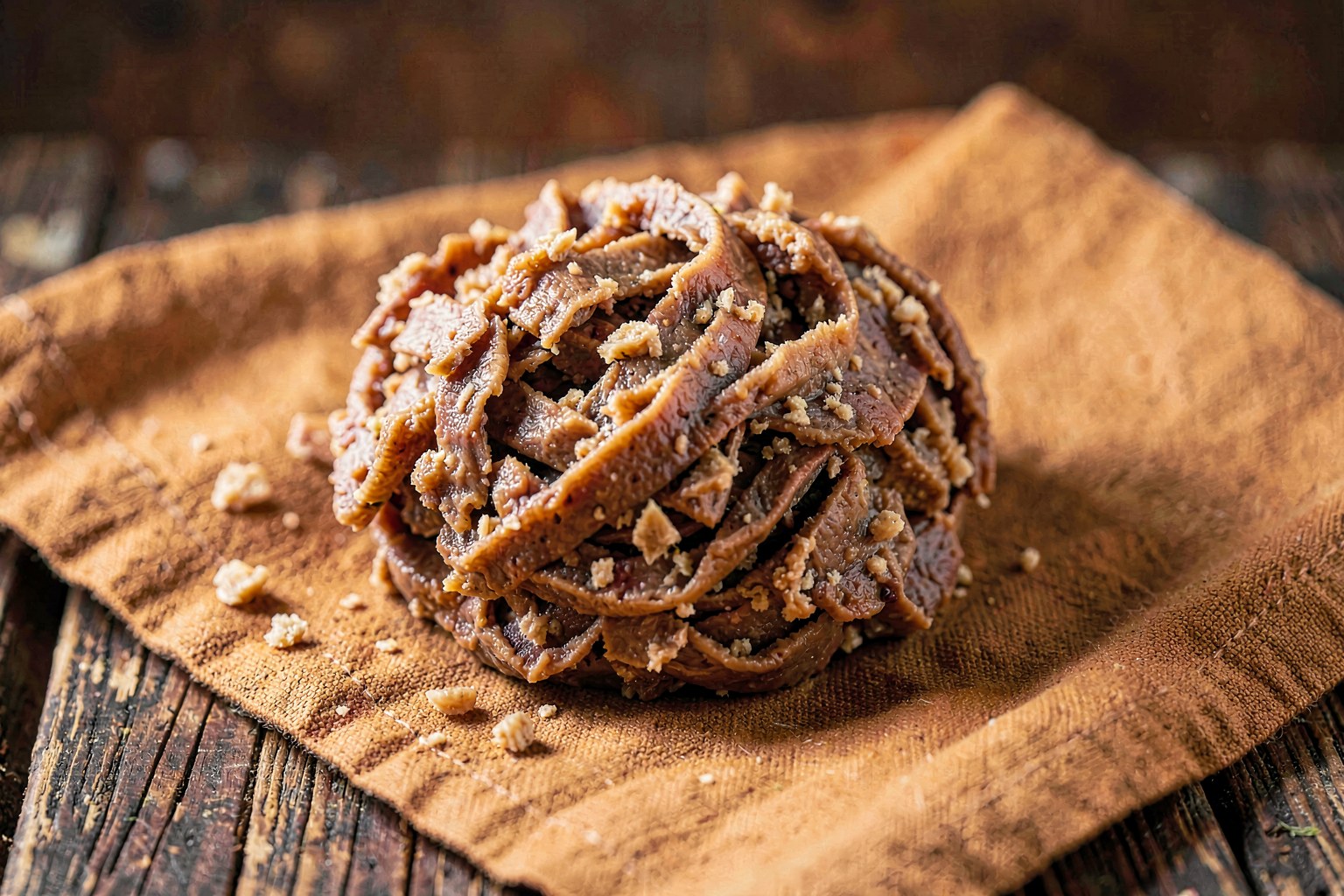
Shrimp Paste
A fermented condiment made from ground shrimp and salt, delivering intense umami and saltiness to Southeast Asian and South Asian dishes.
What it is
Shrimp paste is produced by fermenting ground shrimp with salt, then drying or roasting the mixture into a compact block. The process ranges from a few weeks to several months, resulting in a product that transitions from a pungent, raw smell to a deep, savory complexity when cooked. It comes in various textures and colors, from soft pinkish-grey pastes like Thai kapi to hard, dark brown blocks like Malaysian belacan or powdery versions like Filipino bagoong alamang. While the aroma is notoriously strong and sulfurous when raw, heat transforms it into a foundational savory backbone for curries, stir-fries, and dipping sauces.
How to buy
Look for blocks wrapped in plastic or leaves at Asian grocery stores; avoid jars with visible separation of liquid unless specified. Check the ingredient list for additives like excessive sugar or preservatives beyond salt and shrimp. Authentic brands often include the local name. If buying online, verify the seller stores it in a cool environment to prevent spoilage. Mainstream supermarkets rarely stock it outside the international aisle, so an ethnic grocer is the primary destination.
Storage
Keep unopened blocks in a cool, dark pantry for up to a year, though refrigeration extends quality indefinitely. Once opened, wrap tightly in plastic or place in an airtight glass jar and refrigerate to contain the odor and prevent mold. Discard if you see white mold spots that cannot be scraped off, or if the smell becomes distinctly rotten rather than pungent.
How to use
Never add raw shrimp paste directly to a finished dish. Dry-roast the block in a pan until fragrant, then grind or crumble it before frying in oil to bloom the flavor. Start with a teaspoon; it is intensely salty and can overwhelm a recipe if overused. Common mistakes include skipping the roasting step, which leaves a raw, ammonia-like taste, or adding it too late in the cooking process. It should be cooked early to meld with aromatics like garlic, shallots, and chilies.
Where it comes from
Essential to Southeast Asian and South Asian cuisines, shrimp paste acts as the salt and umami source in regions where salt alone is insufficient. It is historically a method of preservation in tropical climates and remains a staple in Thai, Indonesian, Malaysian, Vietnamese, and Filipino cooking, often defining the difference between a generic curry and an authentic regional one.
Substitutions
- Anchovy paste — Provides similar umami and saltiness but lacks the specific fermented shrimp funk; use slightly less.
- Fish sauce mixed with salt — A pantry emergency swap; dissolve a pinch of salt into fish sauce to mimic the thickness and sodium content.