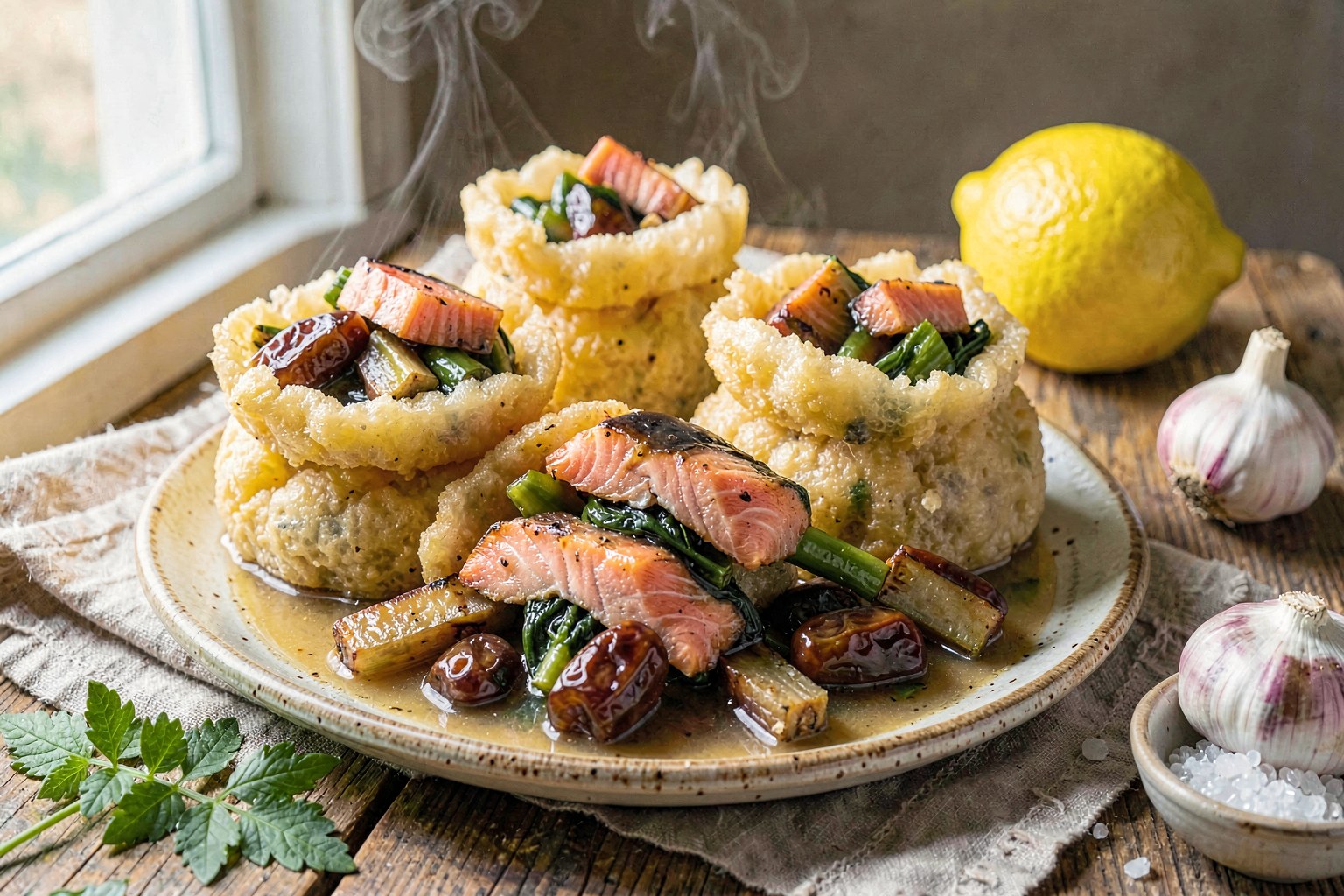
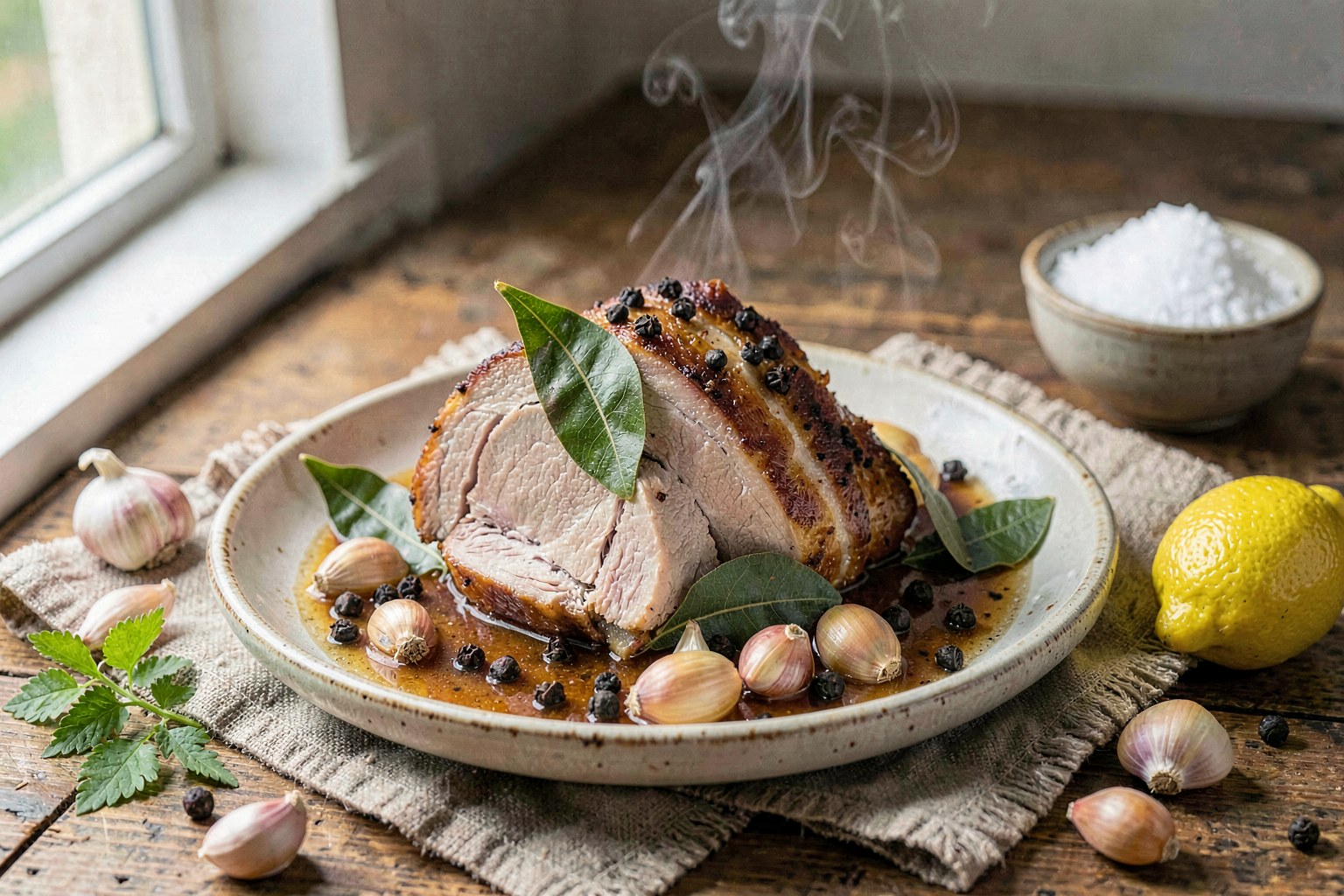
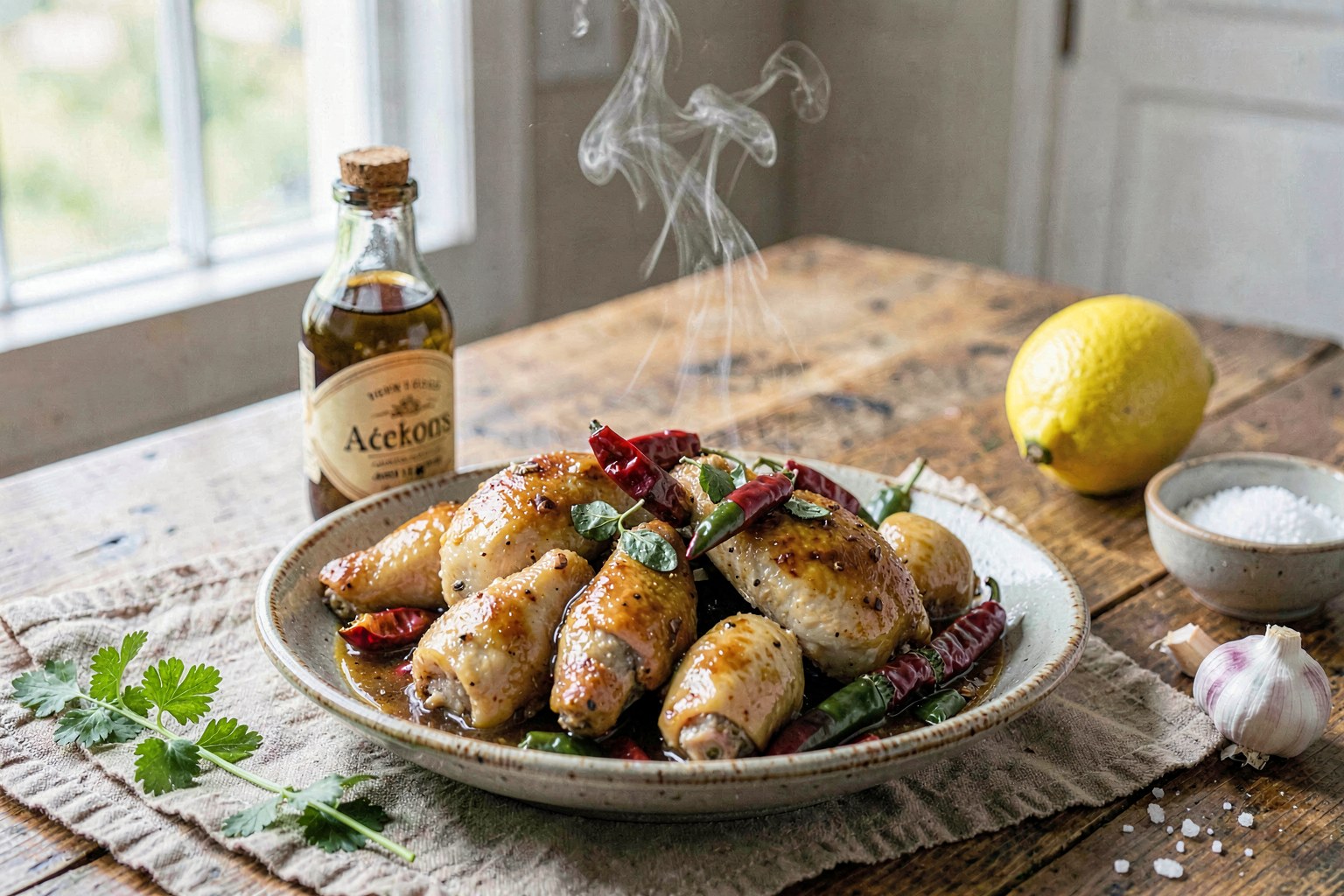
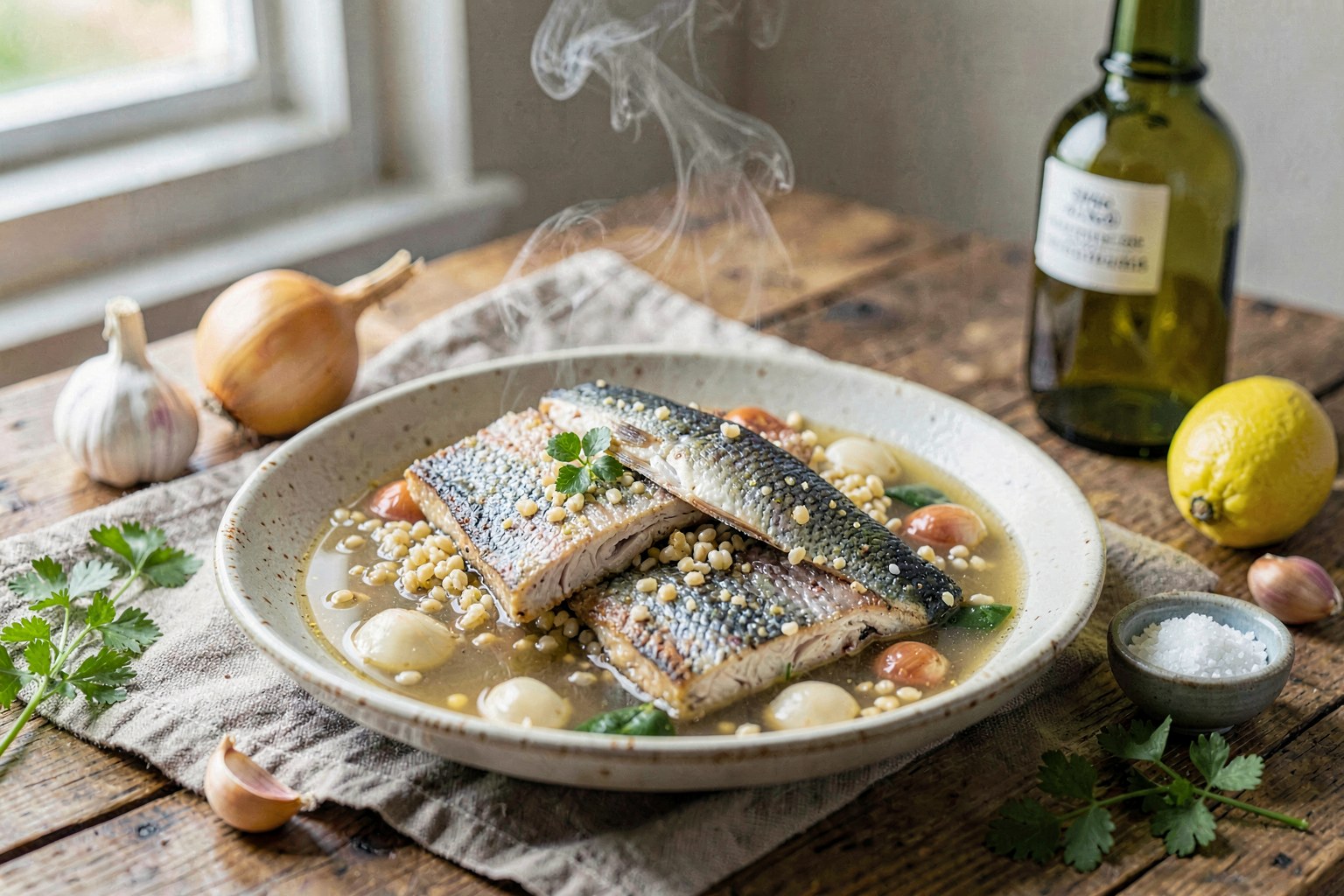
Aleppo Kishk Stew with Wild-Caught Trout
This hearty Levantine winter stew centers on Kishk, a fermented mixture of bulgur and yogurt traditionally sun-dried for preservation. Paired with tender wild-caught trout and bright herbs, it offers a savory, tangy depth without refined sugars or processed oils.
A little context
In Aleppo, Kishk was historically made in summer to sustain families through harsh winters, preserving the harvest through fermentation and drying. We honor this tradition by using authentic dried Kishk but modernize the cooking method by replacing traditional seed oils with extra-virgin olive oil to boost antioxidant intake. No sugar is added for balance, relying instead on the natural savoriness of the fermentation and the freshness of the fish.
The longevity story
The core of this dish is Kishk, which provides probiotics from the fermented yogurt and fiber from the whole-grain bulgur, supporting gut health and stable blood sugar. Extra-virgin olive oil and sumac deliver potent polyphenols that reduce systemic inflammation, while the wild-caught trout supplies high-quality protein and omega-3 fatty acids essential for cellular repair. The absence of refined sugar and seed oils ensures the meal supports metabolic flexibility and longevity.
Method
- 01
Rehydrate the Kishk
Place the crumbled Kishk in a bowl and cover with warm water. Let soak for 30 minutes until soft, then drain excess water gently. Do not rinse, as you want to keep the fermented flavor.
- 02
Sauté Aromatics
Heat the extra-virgin olive oil in the Dutch oven over medium heat. Add the diced onion and cook until translucent, about 5 minutes. Stir in the minced garlic and cook for 1 more minute until fragrant.
- 03
Build the Broth
Pour in the broth and bring to a simmer. Add the rehydrated Kishk, sumac, and dried mint. Stir well to dissolve the Kishk into the liquid. Simmer for 15 minutes, stirring occasionally to prevent sticking.
- 04
Season the Fish
While the stew simmers, pat the trout fillets dry with paper towels. Season the skin side lightly with sea salt and pepper. Avoid adding oil yet.
- 05
Sear the Trout
Heat the cast-iron skillet over medium-high heat. Add a drizzle of olive oil. Place trout skin-side down. Press gently with a spatula for 10 seconds to ensure even contact. Cook for 4-5 minutes until skin is crisp.
- 06
Finish Cooking Fish
Flip the trout and cook for another 2-3 minutes until opaque and flaky. Remove from heat and let rest.
- 07
Adjust Stew Consistency
Check the stew. If too thick, add a splash of hot water. Taste and adjust salt (Kishk is salty, so be cautious). Stir in half of the fresh parsley.
- 08
Serve
Ladle the hot Kishk stew into bowls. Top with the seared trout fillets. Garnish with remaining parsley and serve with lemon wedges on the side.
Nutrition facts
Per serving · 1 of 4- — Saturated
- 4 g
- — Polyunsaturated
- 4 g
- Carbohydrates
- 8 g
- — Fiber
- 2 g
- — Sugars
- 3 g
- Cholesterol
- 89 mg
- Sodium
- 84 mg
- Potassium
- 733 mg
Estimated from USDA FoodData Central for matched ingredients (70% ingredient coverage). Values vary with brand, preparation, and exact measurements.
Pro tips
- ✦Source Kishk from a reputable Middle Eastern grocer; ensure the ingredient list is only bulgur and yogurt.
- ✦When buying trout, look for firm flesh that springs back when pressed and no ammonia smell.
- ✦Do not skip the rehydration step; under-soaked Kishk will remain gritty and unpleasant.
- ✦If you cannot find dried Kishk, you can make a quick version by mixing 1 cup plain whole-milk yogurt with 1 cup cooked bulgur, fermenting for 24 hours, then drying, but this requires advance planning.
Shop this recipe
As an Amazon Associate we earn from qualifying purchases.
Substitutions
- wild-caught rainbow trout → wild-caught Arctic char or sockeye salmon (similar fat content and searing properties)
- dried mint → fresh mint leaves (use double the amount and add at the end)
- bone broth → organic vegetable stock (keeps it pescatarian but lowers protein density slightly)
Storage
Store stew and fish separately in glass containers. Stew lasts 3 days; fish lasts 2 days. Reheat gently to avoid curdling the dairy.
What to serve with it
- Hot green tea with mint
- Sparkling water with lemon slices
- Dry red wine like Syrah
FAQ
Is Kishk safe for those with dairy sensitivity?+
Traditional Kishk is made from yogurt, so it contains dairy. The fermentation reduces lactose, but those with severe intolerance should proceed with caution.
Can I make this gluten-free?+
No, Kishk is made from bulgur (wheat). There is no direct gluten-free substitute that maintains the traditional texture and fermentation profile.
How do I know if the Kishk is spoiled?+
Properly dried Kishk lasts a year in a sealed jar. If it smells sour in a bad way or shows mold, discard it.
Share this recipe
Notes from the community
Sign in to leave a note.
No notes yet — be the first.
You might also like