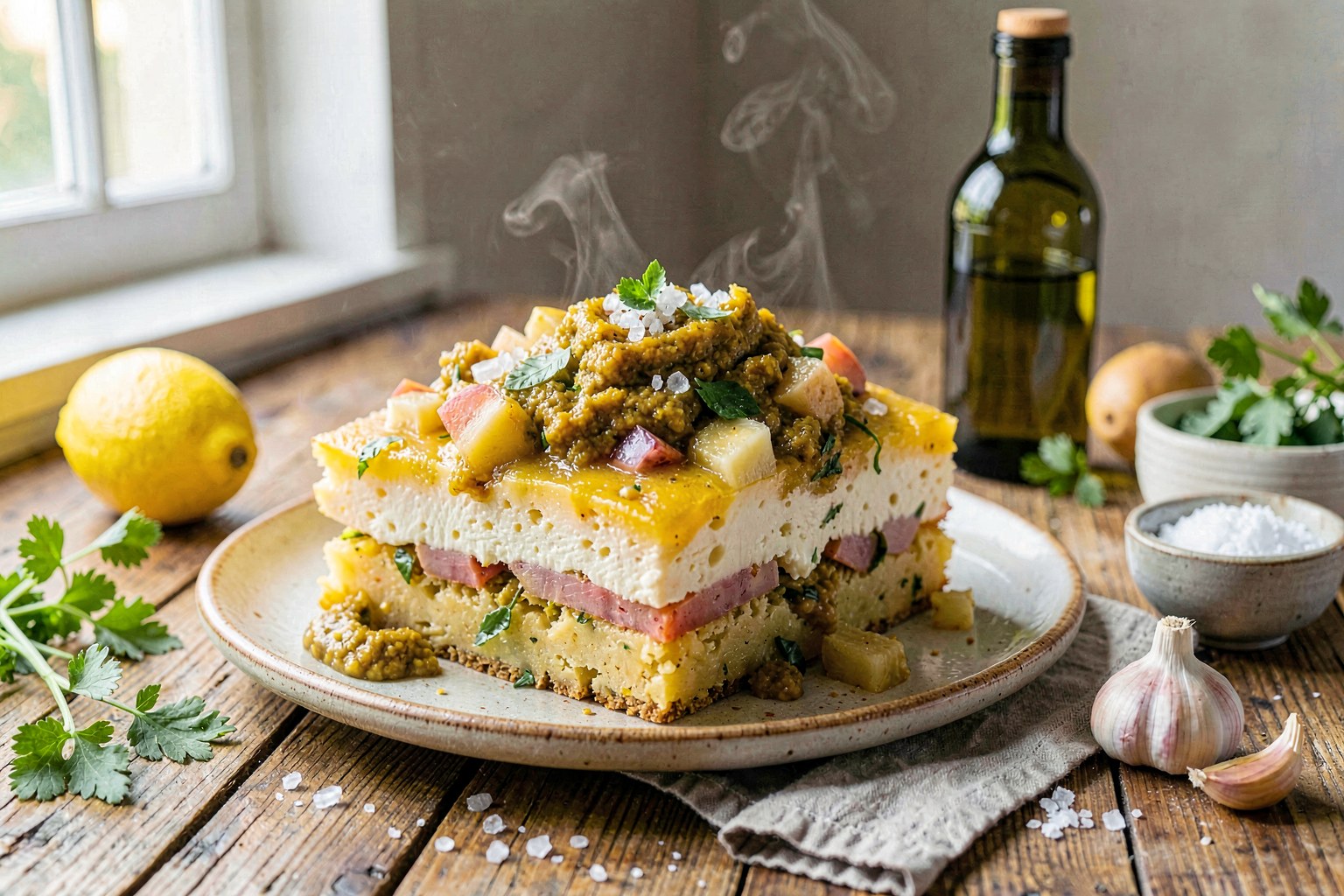
Causa Rellena de Queso de Huevo (Andean Yellow Potato Salad with Egg & Cheese)
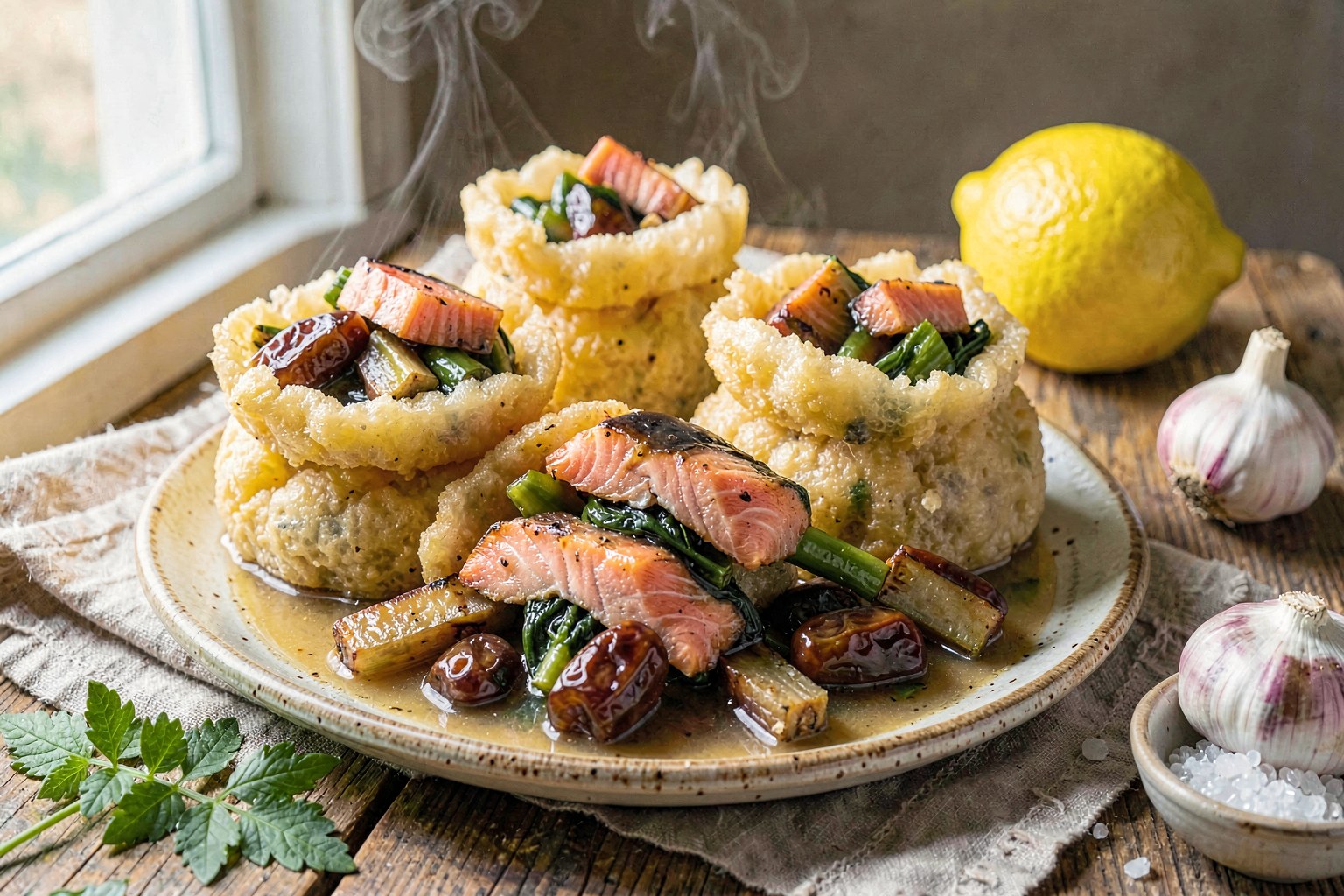
This Peruvian classic reimagines the creamy, layered potato cake using nutrient-dense yellow potatoes, pasture-raised eggs, and a sharp, polyphenol-rich ají amarillo paste. Instead of refined oils or sugar-laden sauces, the dish relies on extra-virgin olive oil and fresh lime to bind the layers, creating a vibrant, savory antipasto that honors the Andean tradition while prioritizing cellular health.
A little context
Causa is a staple of Peruvian highland cuisine, traditionally made with yellow potatoes, lime, and ají amarillo. While traditional versions often rely on vegetable oil and sometimes a touch of sugar to balance the heat, this version strictly adheres to whole-food principles by using cold-pressed EVOO and natural acidity from fresh limes, ensuring the dish remains a true celebration of Andean ingredients without the metabolic downsides of industrial processing.
The longevity story
The foundation of this dish is the yellow potato (papa amarilla), which provides resistant starch that feeds beneficial gut bacteria when cooled. The generous use of extra-virgin olive oil delivers high levels of oleocanthal and oleuropein, potent anti-inflammatory polyphenols that support cardiovascular longevity. Pasture-raised eggs contribute choline and omega-3s, while the ají amarillo peppers add capsaicin for metabolic support without the inflammatory load of processed spice blends.
Method
- 01
Cook the potatoes
Place the whole, unpeeled potatoes in a large pot, cover with cold water, and add a generous pinch of sea salt. Bring to a boil, then reduce to a simmer. Cook for 30-40 minutes until a knife slides in effortlessly but the potato does not collapse. Do not overcook.
- 02
Prepare the filling
While potatoes cook, hard-boil the pasture-raised eggs for 9 minutes, then plunge into an ice bath. Peel and slice half for garnish; roughly chop the rest. Crumble the cheese and flake the smoked salmon (if using). Set aside.
- 03
Rice and season
Drain the potatoes and let them steam dry for 5 minutes. While still warm, pass them through a ricer or food mill into a large bowl. The potatoes must be warm to absorb the oil and lime properly. Immediately drizzle with the extra-virgin olive oil, lime juice, and ají amarillo paste. Season with sea salt. Mix gently with a fork until a cohesive, slightly sticky dough forms. Taste for salt and heat balance.
- 04
Chill the base
Divide the potato mixture into two equal portions. Place one portion in the refrigerator for 15 minutes to firm up. This step is critical for structural integrity when layering.
- 05
Assemble the first layer
Lightly grease the springform pan with a little extra-virgin olive oil. Press the first chilled portion of potato mixture firmly and evenly into the bottom of the pan. Use the back of a spoon or your fingers to create a smooth, flat surface.
- 06
Add the filling
Scatter the chopped eggs, crumbled cheese, and smoked salmon evenly over the potato base. Drizzle a tiny amount of extra-virgin olive oil over the filling if it looks dry, then sprinkle with half of the chopped chives and cilantro.
- 07
Seal and chill
Gently press the second portion of potato mixture over the filling, ensuring you cover the edges completely to seal the ingredients inside. Smooth the top. Refrigerate for at least 30 minutes (or up to 4 hours) to allow the layers to set firmly.
- 08
Unmold and serve
Release the springform ring. Top with the reserved sliced hard-boiled eggs and remaining fresh herbs. Slice into wedges and serve immediately at room temperature. Do not serve cold, as the fats will solidify and mute the flavors.
Nutrition facts
Per serving · 1 of 4- — Saturated
- 12 g
- — Polyunsaturated
- 3 g
- Carbohydrates
- 66 g
- — Fiber
- 6 g
- — Sugars
- 3 g
- Cholesterol
- 35 mg
- Sodium
- 1674 mg
- Potassium
- 1263 mg
Estimated from USDA FoodData Central for matched ingredients (89% ingredient coverage). Values vary with brand, preparation, and exact measurements.
Pro tips
- ✦Sourcing the ají amarillo paste is key: look for brands that list only peppers, salt, vinegar, and perhaps olive oil—never corn syrup or soybean oil.
- ✦When buying yellow potatoes, choose ones with smooth, unblemished skin; the yellow flesh indicates a higher carotenoid content (lutein/zeaxanthin) beneficial for eye health.
- ✦Do not skip the chilling step; warm potatoes will cause the layers to slide apart when sliced.
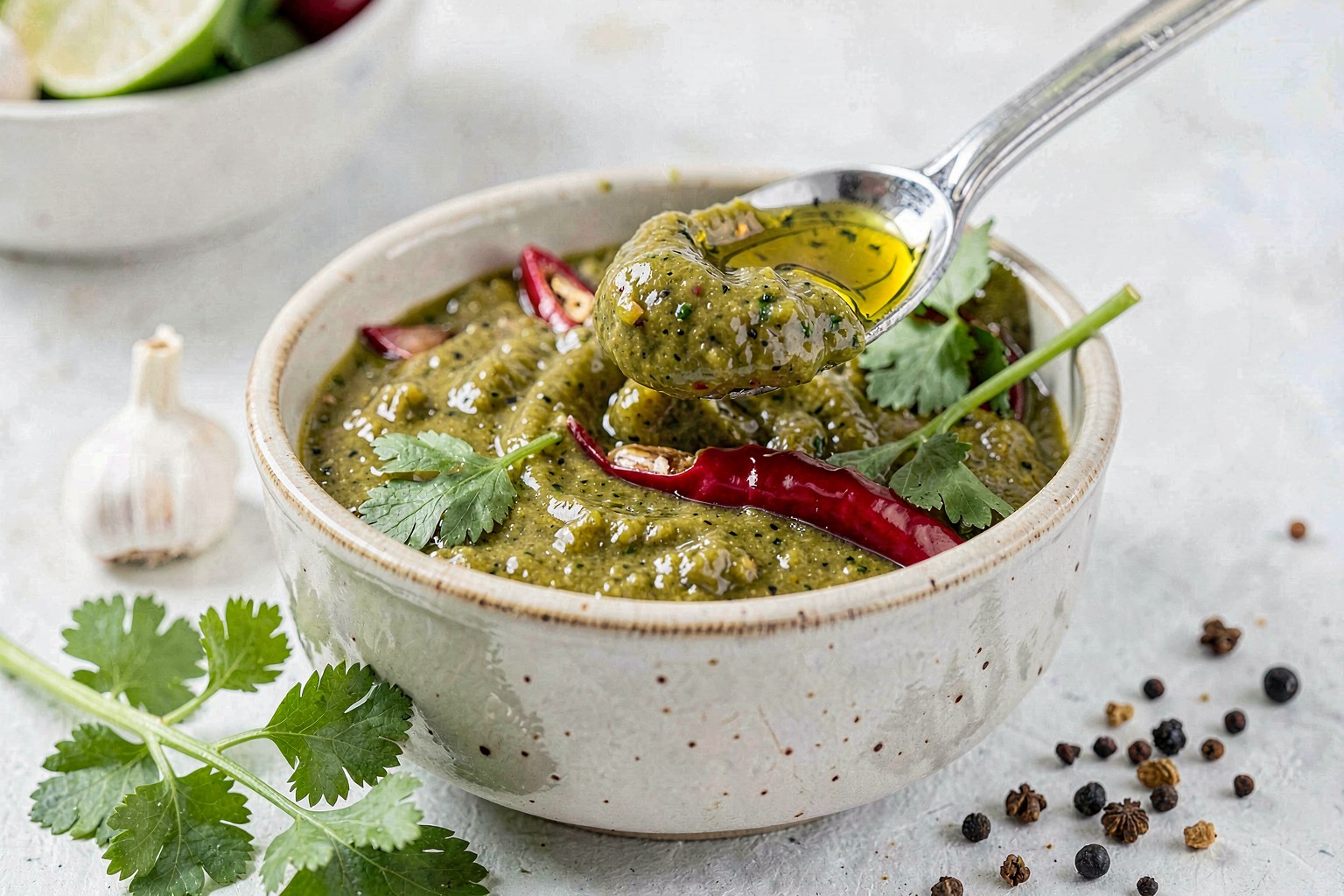
- ✦If making your own ají paste, blend fresh yellow peppers with a splash of apple cider vinegar and a pinch of salt until smooth, then strain to remove skins for a silky texture.
Shop this recipe
As an Amazon Associate we earn from qualifying purchases.
Substitutions
- smoked salmon → sliced avocado or roasted beets (avocado adds healthy monounsaturated fats; beets add nitrates for blood flow)
- queso fresco → firm tofu (marinated in lime and salt) or cashew cheese (for a dairy-free, plant-forward version that maintains protein content)
- yellow Peruvian potatoes → Yukon Gold potatoes (similar waxy texture, though slightly lower in carotenoids than the true Andean variety)
Storage
Store covered in the refrigerator for up to 3 days. The flavors meld beautifully overnight. Do not freeze, as the potato texture will become grainy upon thawing.
What to serve with it
- Sparkling water with fresh lime and a sprig of mint
- Dry, mineral-rich Chardonnay or a low-sugar Pinot Noir
- Green tea (ceremonial grade) served at room temperature
- A side of fermented pickled onions to boost gut diversity
FAQ
Why must I use extra-virgin olive oil instead of the traditional vegetable oil?+
Traditional Peruvian recipes often use vegetable oil, but these are high in inflammatory omega-6s. EVOO provides the necessary monounsaturated fats and polyphenols (oleocanthal) that align with a longevity-focused diet while providing the same binding properties.
Can I make this ahead of time?+
Yes, this dish is best made 2-4 hours in advance to allow the layers to set. Serve at room temperature, never straight from the fridge, to ensure the fats are fluid and flavors are expressive.
Is the ají pepper too spicy?+
Ají amarillo provides a fruity heat rather than a burning one. If you are sensitive to spice, start with half the amount and add more to taste, or remove the seeds from fresh peppers before blending.
Share this recipe
Notes from the community
Sign in to leave a note.
No notes yet — be the first.
You might also like