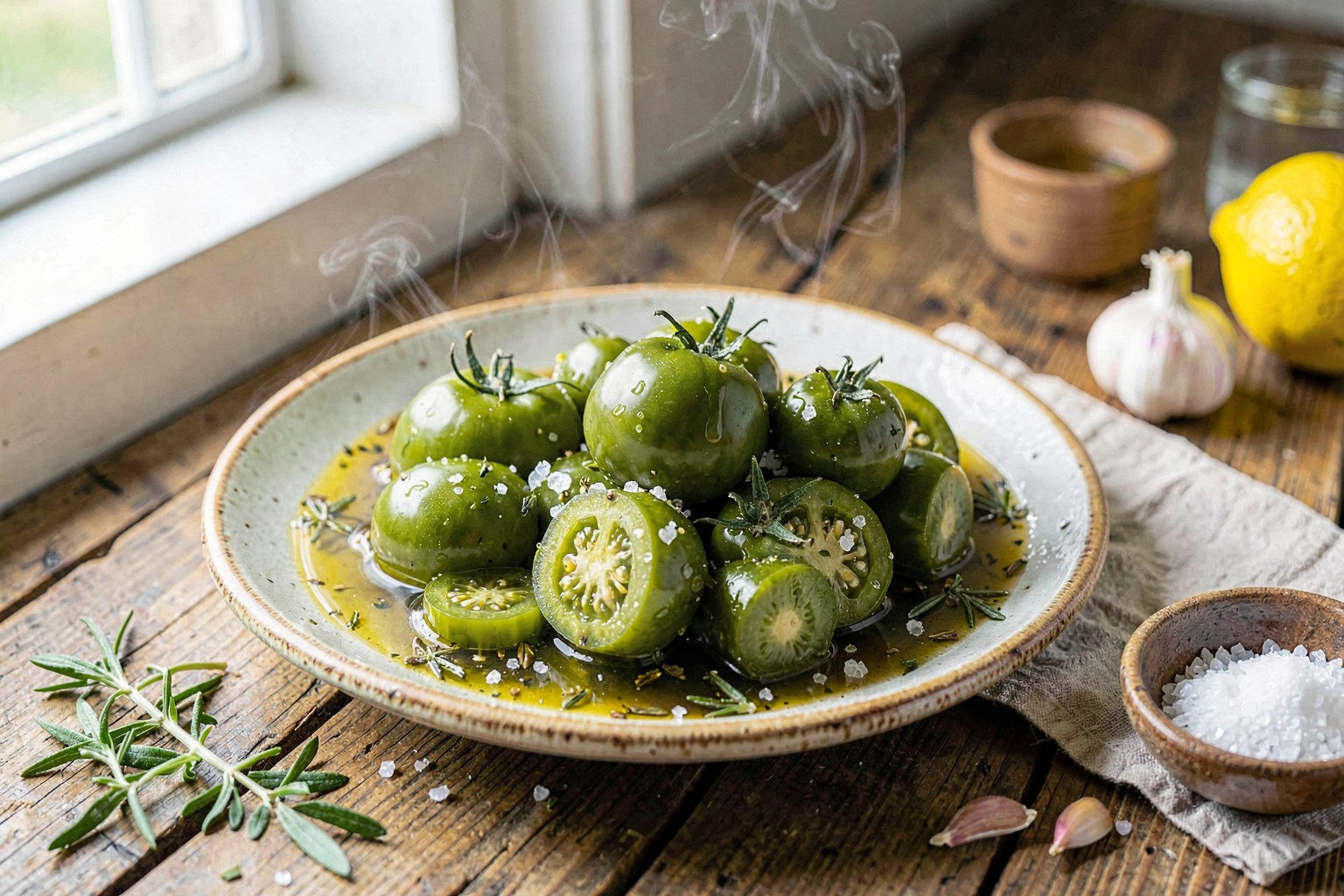
Cretan Green Tomato Pickles (Fermented Blue Zone Style)
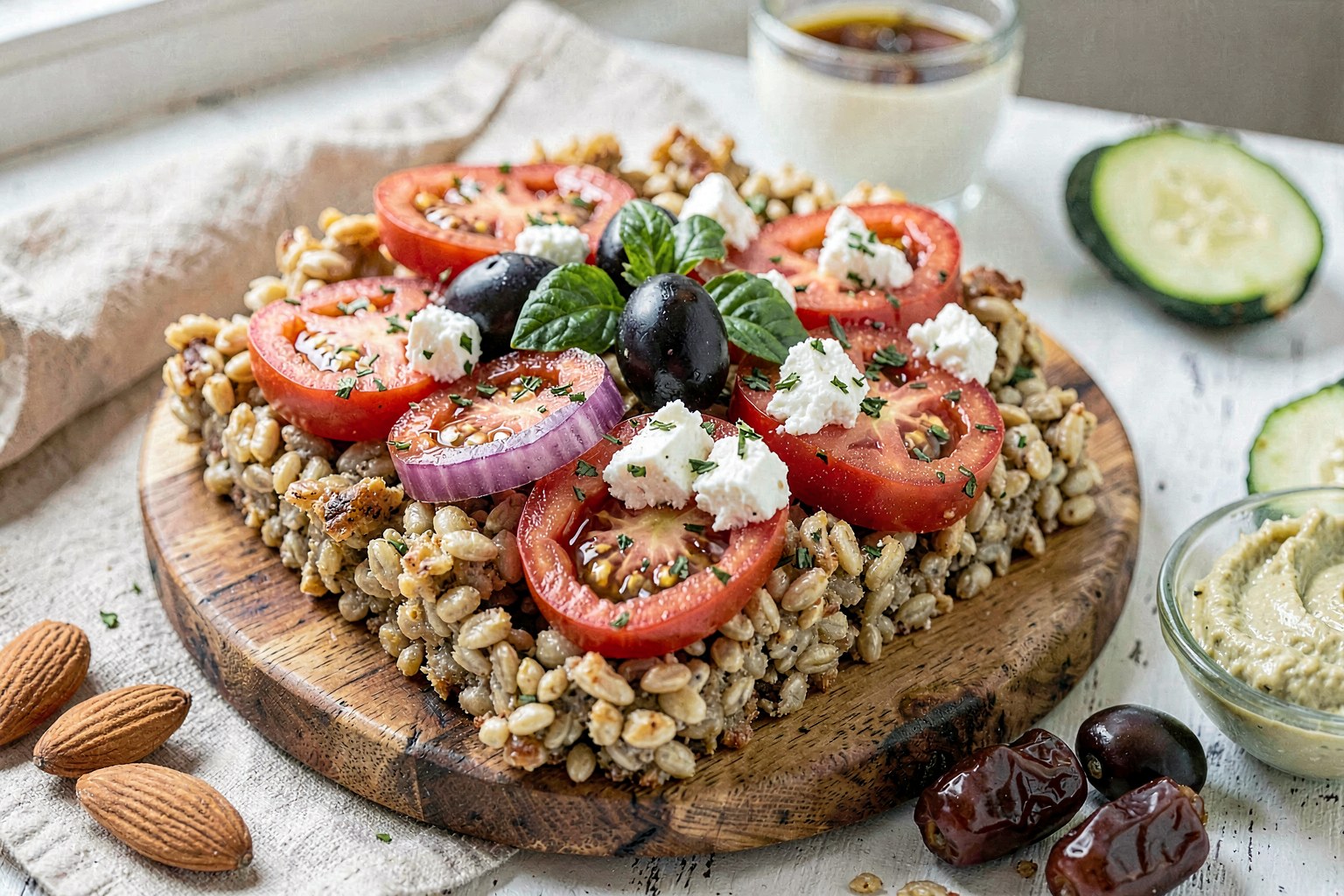
Tart, crisp green tomatoes cured in a salt and herb brine, finished with high-quality extra-virgin olive oil. This probiotic-rich side dish balances rich proteins at dinner with a burst of umami and antioxidants, honoring Cretan tradition without refined sugar.
A little context
In Crete, a true Blue Zone, pickles (pikilia) are a staple of the table, traditionally preserved in vinegar or salt. We honor this by using raw, unpasteurized ingredients and omitting the refined sugar often added to balance acidity, relying instead on the natural sweetness of ripe vegetables and the depth of fermentation.
The longevity story
Green tomatoes are rich in chlorogenic acid and lycopene, which become more bioavailable when pickled. The lacto-fermentation process cultivates beneficial lactobacilli that support the gut microbiome and immune function. Garlic and oregano deliver allicin and carvacrol, potent anti-inflammatory compounds that work synergistically with the polyphenols in the extra-virgin olive oil finish.
Method
- 01
Prepare the tomatoes
Wash the green tomatoes thoroughly and pat dry. Cut them into wedges or thick slices, ensuring they fit comfortably into your jar without crushing.
- 02
Make the brine
Dissolve the sea salt into the filtered water. Stir until fully clear. If using raw apple cider vinegar for extra tang, add 2 tablespoons here, though salt is the primary preservative.
- 03
Layer the jar
Place half the garlic, oregano, and bay leaves at the bottom of the jar. Pack the tomato wedges tightly on top. Add the remaining herbs and garlic on top.
- 04
Pour and seal
Pour the brine over the tomatoes, ensuring they are completely submerged. Leave 2 cm of headspace at the top. Place your glass weight on top to hold the vegetables down.
- 05
Ferment
Cover the jar with a breathable cloth or an airlock lid. Let sit at room temperature (20°C/68°F) for 3-5 days. Taste daily after day 3 for desired tang.
- 06
Store and serve
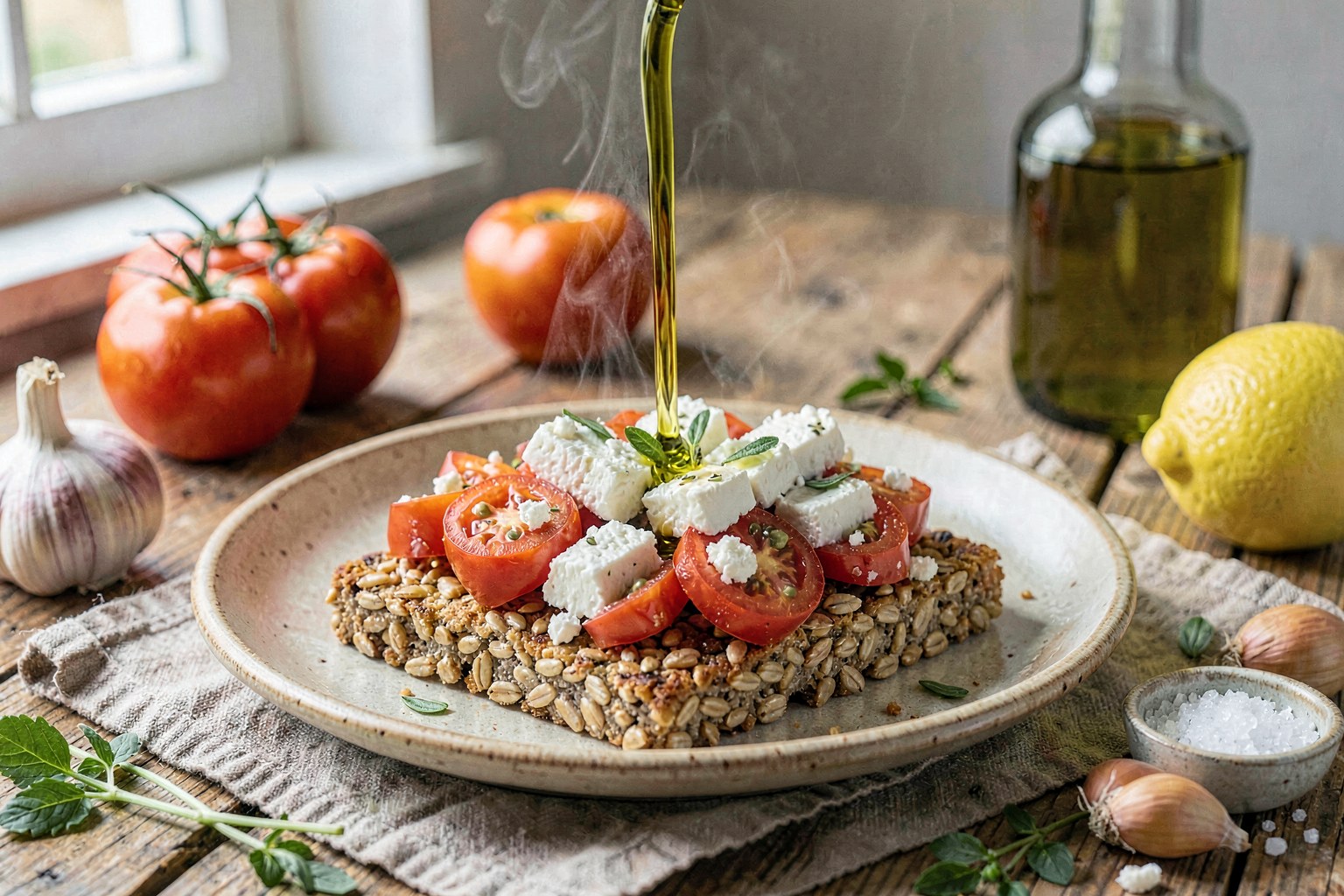
Once fermented to taste, seal the jar and move to the refrigerator. Before serving, drizzle generously with extra-virgin olive oil to restore moisture and polyphenols.
Nutrition facts
Per serving · 1 of 4- — Saturated
- 2 g
- — Polyunsaturated
- 2 g
- Carbohydrates
- 15 g
- — Fiber
- 4 g
- — Sugars
- 10 g
- Cholesterol
- 0 mg
- Sodium
- 1973 mg
- Potassium
- 542 mg
Estimated from USDA FoodData Central for matched ingredients (57% ingredient coverage). Values vary with brand, preparation, and exact measurements.
Pro tips
- ✦Select tomatoes that are rock-hard and fully green; any red spots indicate ripening which will soften the pickle too quickly.
- ✦Use a kitchen scale for the salt; 2% salinity by weight is the safety standard for vegetable fermentation.
- ✦If you see white sediment, that is normal yeast; if you see fuzzy black or pink mold, discard and start over.
- ✦For the deepest flavor, let the pickles rest in the fridge for at least 2 weeks before eating.
- ✦Sourcing: Look for heirloom green tomatoes at farmers markets, as they have higher polyphenol content than standard hybrids.
Shop this recipe
As an Amazon Associate we earn from qualifying purchases.
Substitutions
- green tomatoes → unripe plum tomatoes or green zucchini slices (zucchini will soften faster, reduce fermentation time to 48 hours)
- fresh oregano → dried oregano (use half the amount as dried herbs are more potent)
- filter water → boiled and cooled tap water (chlorine must be removed to allow fermentation)
Storage
Fridge 4-6 weeks in a sealed glass jar; keep submerged in brine.
What to serve with it
- Grilled wild-caught sardines or mackerel
- Lentil salad with lemon and herbs
- Sparkling water with a wedge of lemon
- Dry Assyrtiko white wine
FAQ
Can I use pasteurized vinegar?+
You can, but it will not have the probiotic benefits of lacto-fermentation. For gut health, rely on the salt brine method without pasteurized vinegar.
Why are my tomatoes floating?+
Use a fermentation weight to keep them submerged. Exposure to air causes mold and spoilage.
Is this safe for a low-sodium diet?+
Fermentation reduces perceived saltiness, but the sodium content is inherent to the process. Consult your doctor for medical dietary restrictions.
Share this recipe
Notes from the community
Sign in to leave a note.
No notes yet — be the first.
You might also like