Cretan Olive Oil Dressing (Mediterranean Blue Zone Tradition)
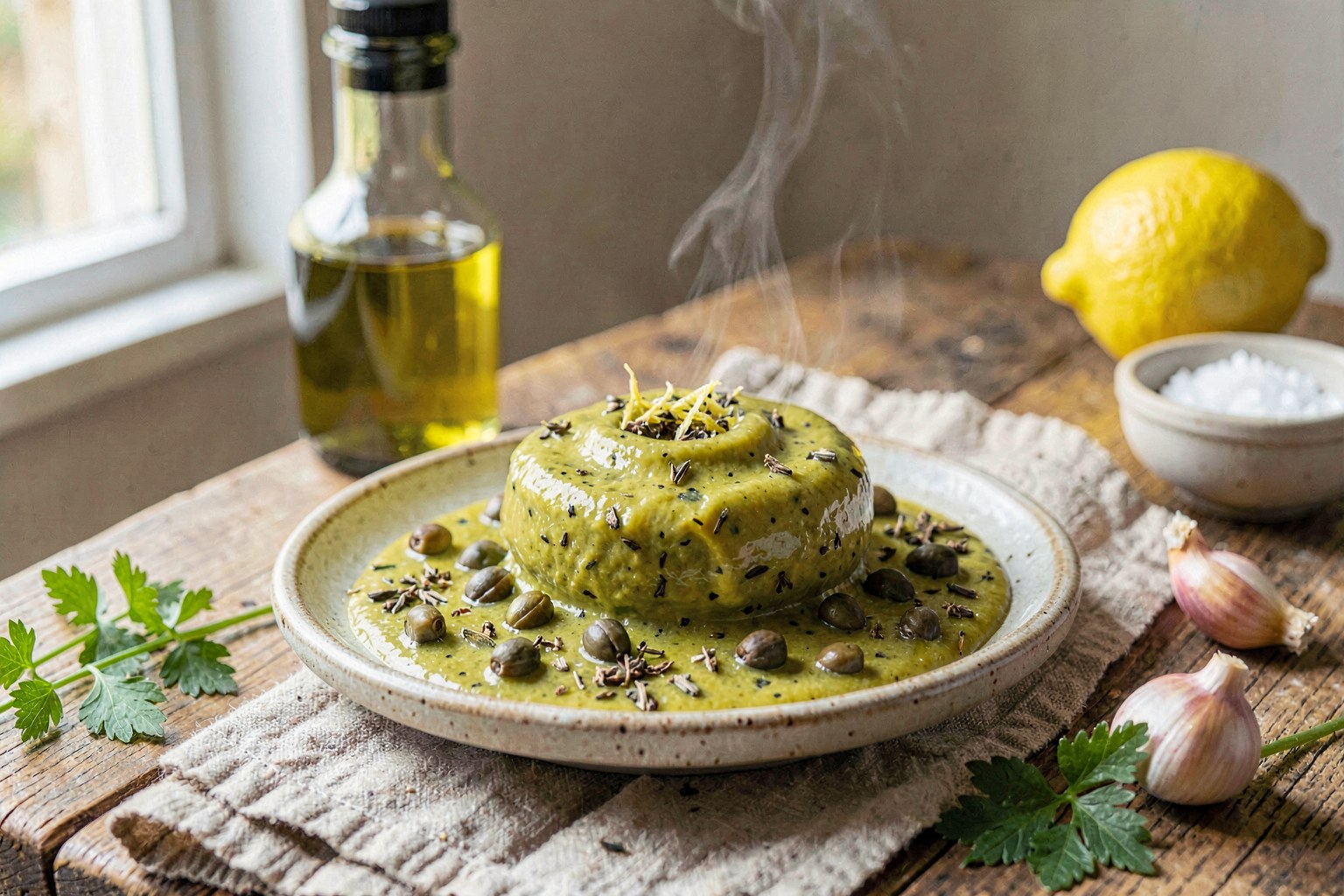
A vibrant, emulsified dressing born from the sun-drenched slopes of Crete, where extra virgin olive oil meets the briny punch of hand-picked capers and bright lemon zest. This farm-fresh condiment delivers a complex, savory depth without a trace of refined sugar or industrial seed oils, serving as the ultimate finishing touch for grilled wild-caught fish, roasted seasonal vegetables, or a massaged kale salad.
A little context
Rooted in the Cretan diet of the Blue Zones, where olive oil is consumed in abundance and refined sugars are virtually absent, this recipe honors the tradition of using simple, whole ingredients to create complex flavors. We have stripped away the modern shortcuts of vinegar-based stabilizers and added sugars often found in bottled 'Greek dressings,' replacing them with the natural acidity of fresh lemon and the savory umami of salt-cured capers. The result is a pure expression of the land that aligns perfectly with longevity-focused nutrition.
The longevity story
This dressing is a concentrated source of hydroxytyrosol and oleocanthal, potent polyphenols found exclusively in high-quality extra virgin olive oil that drive anti-inflammatory pathways and support cardiovascular longevity. The inclusion of capers provides quercetin, a flavonoid that supports vascular health, while the lemon zest adds vitamin C and bioflavonoids that enhance iron absorption from plant sources. Unlike commercial dressings that rely on seed oils and emulsifiers, this recipe uses mechanical emulsification to preserve the integrity of the monounsaturated fats and heat-sensitive micronutrients.
Method
- 01
Prepare the aromatics
Rinse the capers thoroughly under cold water to remove excess salt, then pat dry and roughly chop them to release their briny juices. Using a microplane, zest the organic lemons, taking care to avoid the white pith which can introduce bitterness.
- 02
Combine acid and spices
In a small bowl or the cup of an immersion blender, combine the fresh lemon juice, chopped capers, dried oregano, lemon zest, sea salt, and black pepper. Stir gently to allow the oregano to rehydrate slightly in the acid.
- 03
Emulsify the oil
Place the extra virgin olive oil in the blender cup. If using a standard blender, blend on low speed while slowly drizzling in the oil until the mixture thickens and turns opaque. If using an immersion blender, submerge the blade at the bottom of the cup and pulse gently, then slowly lift the blender while running to create a creamy, stable emulsion.
- 04
Adjust and rest
Taste the dressing. If it feels too sharp, add a few more drops of olive oil; if it lacks brightness, add a squeeze of fresh lemon. Let the dressing rest at room temperature for 10 minutes to allow the flavors to meld and the oregano to fully infuse.
- 05
Serve or store
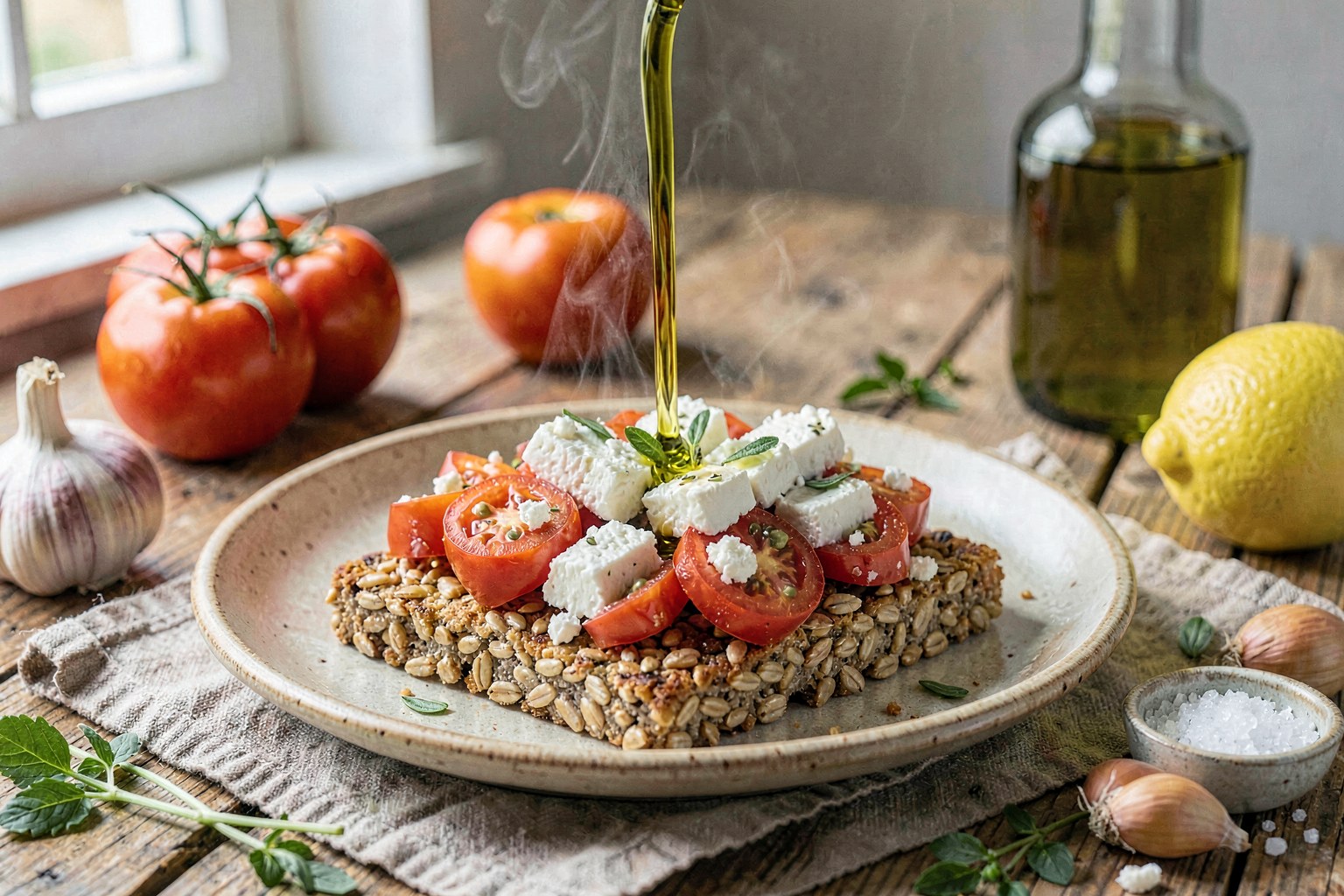
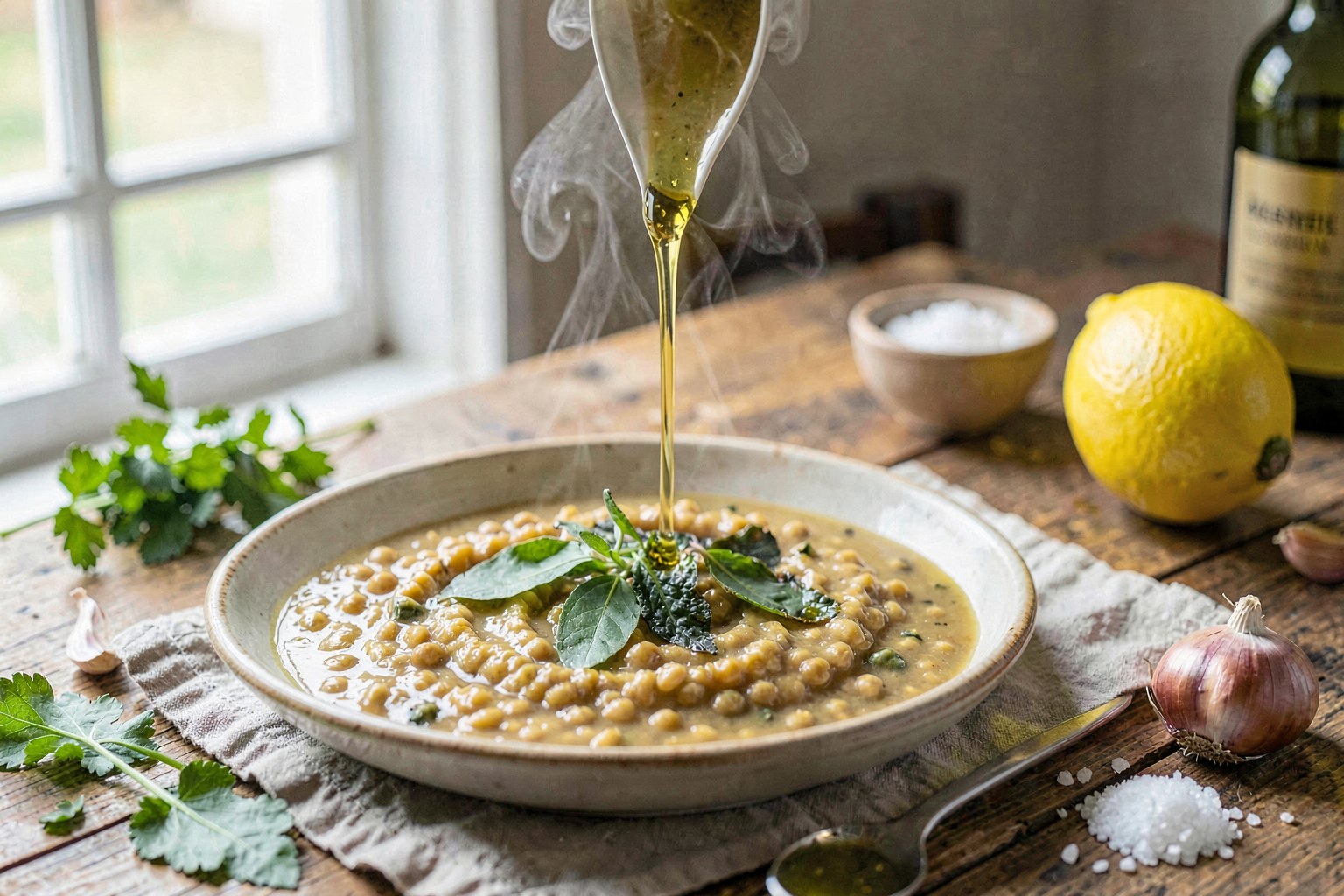
Drizzle immediately over roasted root vegetables, a massaged kale salad, or grilled wild-caught salmon. If not using immediately, transfer to a glass jar and refrigerate. The emulsion may separate slightly upon cooling; simply shake or whisk briefly before serving.
Nutrition facts
Per serving · 1 of 4- — Saturated
- 7 g
- — Polyunsaturated
- 4 g
- Carbohydrates
- 2 g
- — Fiber
- 1 g
- — Sugars
- 1 g
- Cholesterol
- 0 mg
- Sodium
- 254 mg
- Potassium
- 38 mg
Estimated from USDA FoodData Central for matched ingredients (100% ingredient coverage). Values vary with brand, preparation, and exact measurements.
Pro tips
- ✦Source your olive oil from a harvest date within the last 12 months; older oil loses its polyphenol punch and develops a rancid taste.
- ✦When selecting capers, choose those packed in pure sea salt rather than vinegar; the salt-packed variety offers a cleaner, more complex flavor profile.
- ✦For the best emulsion, ensure your olive oil is at room temperature; cold oil can cause the emulsion to break or become grainy.
- ✦If the dressing feels too thick after refrigeration, whisk in a teaspoon of warm water to restore the creamy texture without diluting the flavor.
- ✦Buy dried oregano in bulk from a reputable spice merchant rather than pre-packaged supermarket jars to ensure higher essential oil content.
Shop this recipe
As an Amazon Associate we earn from qualifying purchases.
Substitutions
- dried oregano → 1 tbsp fresh oregano leaves (Fresh oregano provides a brighter, more grassy note; blend thoroughly to avoid fibrous texture.)
- capers → green olives, pitted and chopped (Adds a similar briny salinity and umami depth, though the texture will be softer.)
- lemon zest → orange zest (Use sparingly as orange zest is sweeter; this creates a slightly fruitier, less aggressive profile.)
Storage
Store in a glass jar in the refrigerator for up to 5 days. The oil may solidify slightly when cold; let sit at room temperature for 10 minutes and whisk before use. Do not freeze, as the emulsion may break irreversibly.
What to serve with it
- Grilled wild-caught sardines or mackerel
- Roasted seasonal root vegetables with garlic
- Massaged kale and chickpea salad
- Sparkling water with a slice of lemon and fresh mint
- Dry natural red wine (e.g., Agiorgitiko or Xinomavro) for a Blue Zone pairing
FAQ
Why does the dressing separate in the fridge?+
This is natural for a raw, additive-free emulsion. The olive oil solidifies slightly at cold temperatures. Simply let it sit at room temperature for 10 minutes and give it a vigorous shake or whisk to re-emulsify.
Can I use vinegar instead of lemon juice?+
While apple cider vinegar is a valid substitute, lemon juice provides a cleaner acidity and higher vitamin C content. If you must use vinegar, choose organic, raw, unfiltered apple cider vinegar with the 'mother'.
Is this recipe suitable for a strict keto diet?+
Yes, this dressing is virtually carb-free and high in healthy fats, making it ideal for ketogenic and Blueprint-aligned eating patterns.
Share this recipe
Notes from the community
Sign in to leave a note.
No notes yet — be the first.
You might also like