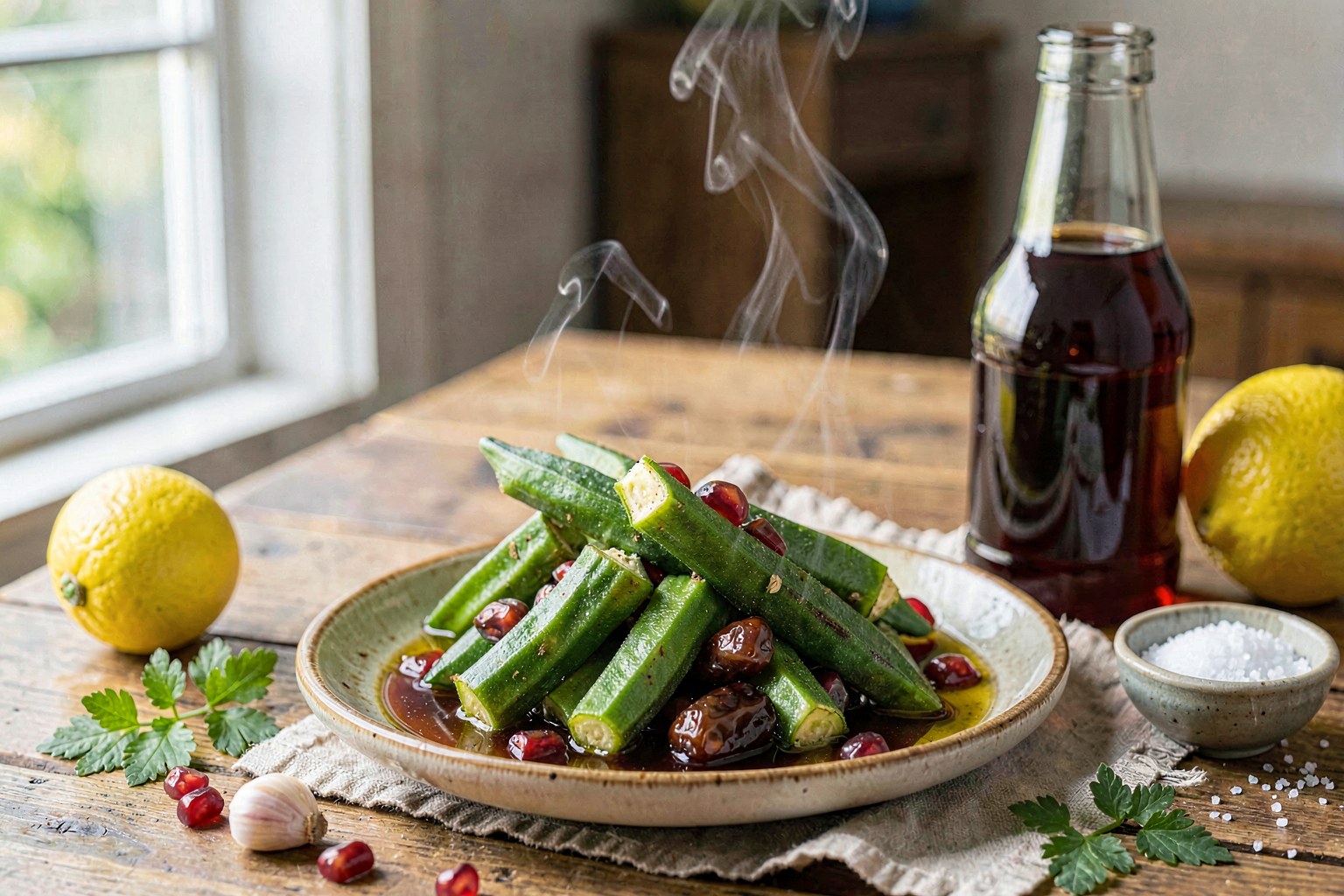
Blueprint Kinpira Gobo (Stir-Fried Burdock & Daikon)
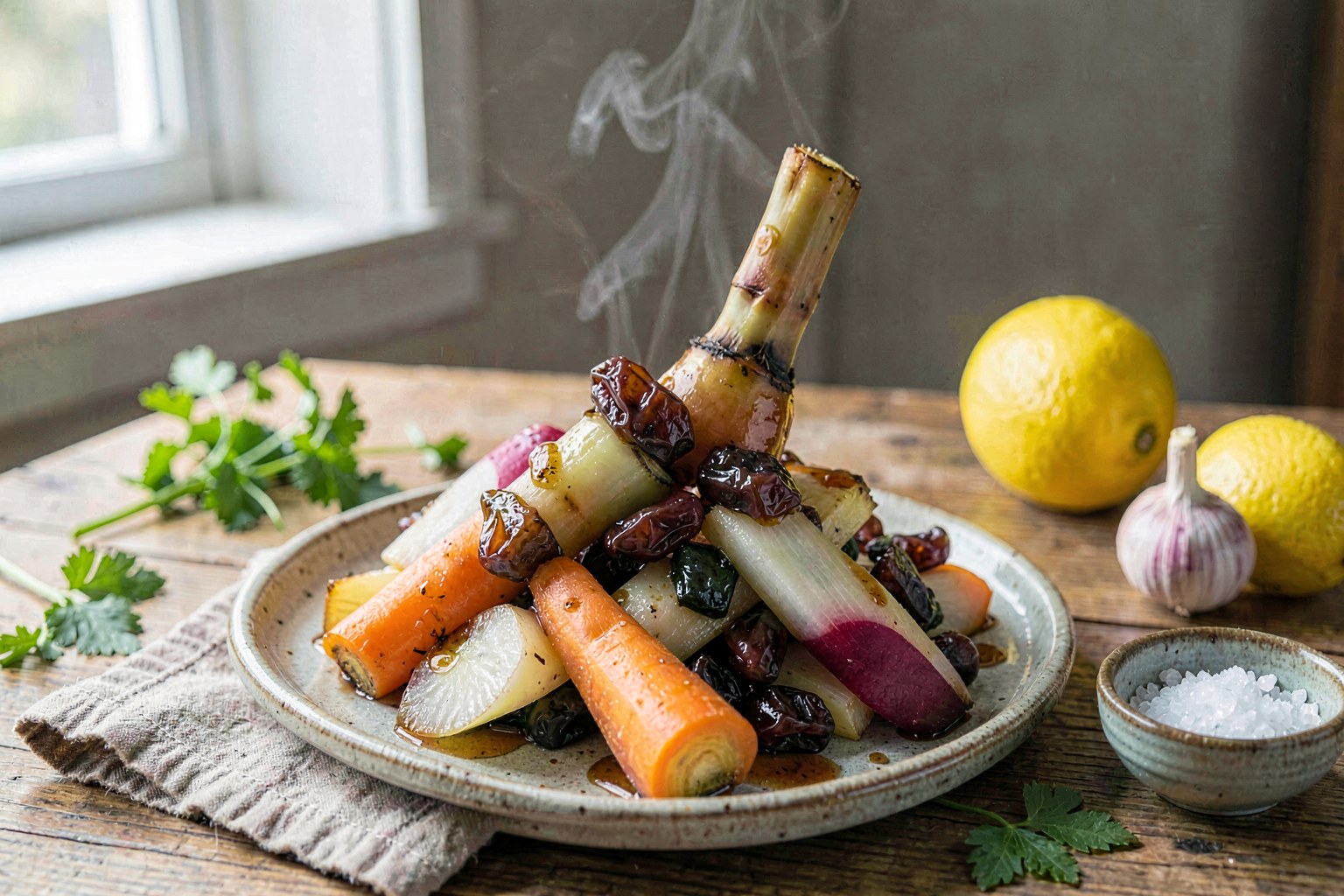
A nutrient-dense take on the classic Japanese stir-fry, featuring crisp burdock root and daikon radish glazed in a savory-sweet date syrup reduction. This dish delivers deep umami from fermented tamari and healthy fats from avocado oil, stripping away refined sugar and seed oils for a longevity-focused side.
A little context
Kinpira Gobo is a humble Edo-period dish traditionally made with burdock, carrot, soy sauce, mirin, and sugar. We honor the spirit of the recipe by swapping refined sugar for date syrup for a lower glycemic impact and using cold-pressed avocado oil instead of sesame or vegetable oil to reduce omega-6 intake.
The longevity story
Burdock root is rich in inulin, a prebiotic fiber that supports gut microbiome diversity, while daikon provides digestive enzymes like amylase. The extra virgin olive oil and avocado oil used for cooking supply monounsaturated fats and polyphenols that reduce systemic inflammation. Fermented tamari contributes beneficial compounds from soybean fermentation without the refined sugars often found in traditional mirin.
Method
- 01
Scrub and soak the roots
Scrub burdock and daikon thoroughly under running water with a vegetable brush. Do not peel unless heavily bruised. Peel the outer skin of the carrot. Julienne all roots to match thickness. Immediately submerge in cold water with a splash of vinegar to prevent oxidation and remove excess starch.
- 02
Prepare the aromatics and sauce
Grate the fresh ginger and mince the garlic. In a small bowl, whisk together the tamari, date syrup, rice vinegar, and filtered water until the syrup dissolves completely.
- 03
Heat the pan
Place the cast-iron skillet over medium-high heat. Add the avocado oil and swirl to coat the bottom. The oil should shimmer but not smoke.
- 04
Sear the roots
Drain the vegetables well. Add the burdock root first, as it takes longest to cook. Stir-fry for 3-4 minutes until it begins to soften at the edges. Add the daikon and carrot, continuing to stir-fry for another 3 minutes.
- 05
Add aromatics
Push vegetables to the side of the pan. Add the minced garlic and ginger to the center oil. Sauté for 30 seconds until fragrant, then mix into the vegetables.
- 06
Simmer and glaze
Pour the sauce mixture over the vegetables. Cover the skillet and simmer on low heat for 5-7 minutes, stirring occasionally, until the liquid reduces to a sticky glaze and roots are tender-crisp.
- 07
Finish with EVOO
Remove from heat. Drizzle the extra virgin olive oil over the top to preserve its polyphenols. Toss gently to coat.
- 08
Serve immediately
Transfer to a serving bowl. Sprinkle with toasted chili flakes and sesame seeds. Serve warm alongside steamed brown rice or quinoa.
Nutrition facts
Per serving · 1 of 4- — Saturated
- 1 g
- — Polyunsaturated
- 1 g
- Carbohydrates
- 39 g
- — Fiber
- 9 g
- — Sugars
- 15 g
- Cholesterol
- 0 mg
- Sodium
- 142 mg
- Potassium
- 956 mg
Estimated from USDA FoodData Central for matched ingredients (85% ingredient coverage). Values vary with brand, preparation, and exact measurements.
Pro tips
- ✦When buying burdock root, choose roots that are straight and firm; avoid any that bend easily or feel spongy, as this indicates age and woody texture.
- ✦Keep the root vegetables submerged in water while prepping to prevent them from turning brown (oxidizing).
- ✦If you prefer a less sweet dish, reduce the date syrup to 1/2 tablespoon and increase the rice vinegar slightly.
- ✦Work quickly when adding garlic and ginger to prevent burning, which creates bitterness.
Shop this recipe
As an Amazon Associate we earn from qualifying purchases.
Substitutions
- burdock root → lotus root or parsnip (similar crunch and earthy flavor profile)
- avocado oil → grapeseed oil (not recommended due to seed oil content; use ghee for high heat if dairy is allowed)
- date syrup → pure maple syrup (use sparingly as it is still a sugar; monk fruit syrup works for zero glycemic impact)
Storage
fridge 4 days in an airtight glass container; reheats best in a skillet to restore texture
What to serve with it
- steamed short-grain brown rice or quinoa
- green tea (sencha or matcha)
- crisp white wine (Sauvignon Blanc) or dry sparkling water with lemon
- miso soup for a complete Washoku meal
FAQ
Why do I need to soak the burdock root?+
Burdock oxidizes quickly and turns black when cut. Soaking in vinegar water maintains color and helps remove the earthy bitterness.
Can I use dried burdock root?+
Yes, rehydrate dried burdock in water for 30 minutes before julienning. It will have a slightly different texture but is very shelf-stable.
Is this dish low-carb?+
Root vegetables contain carbohydrates, but they are high in fiber. The glycemic load is low due to the fiber and lack of refined sugar.
Share this recipe
Notes from the community
Sign in to leave a note.
No notes yet — be the first.
You might also like