Crispy Agedashi Tofu with Polyphenol-Rich Dashi
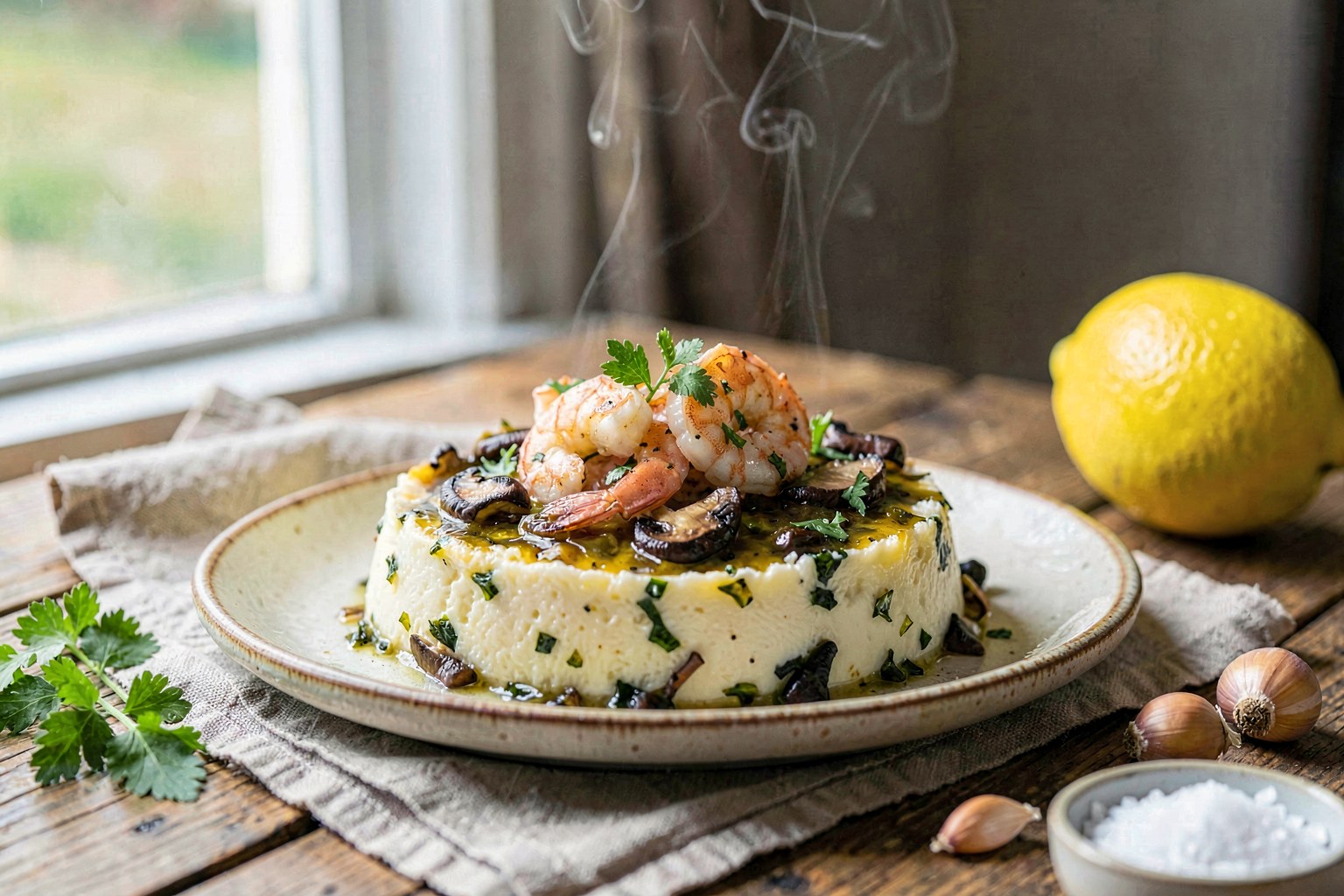
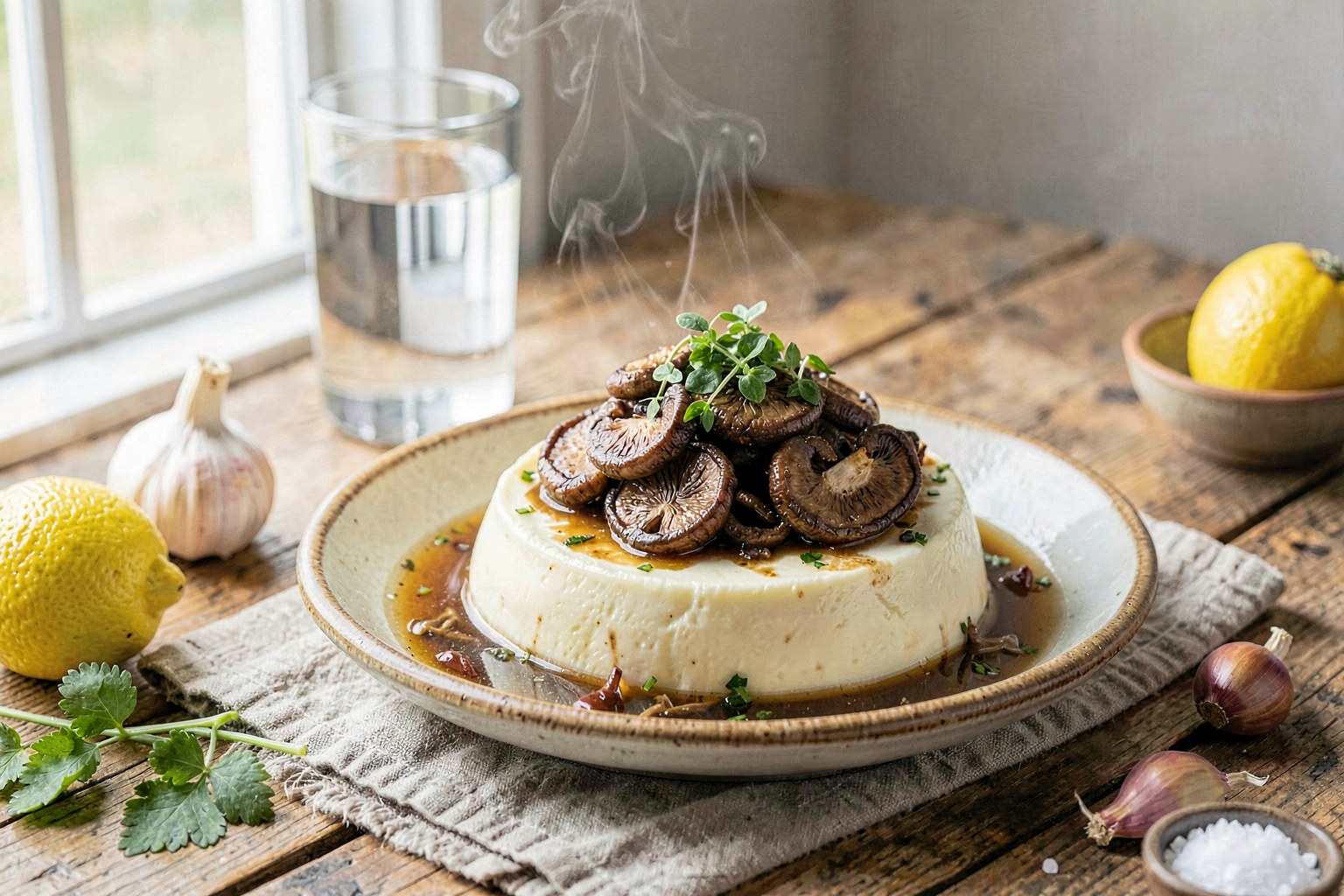
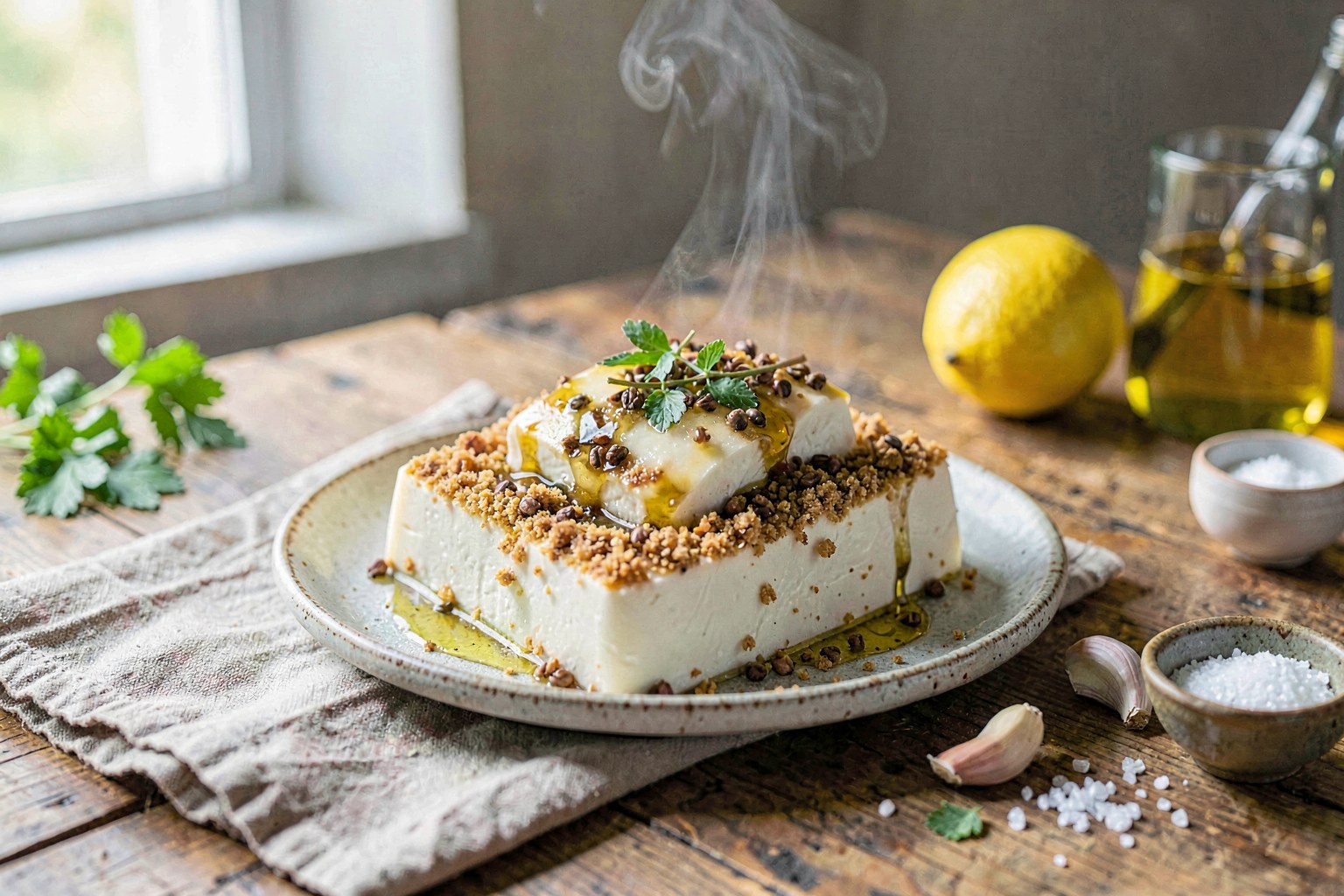
This dish features silken tofu gently coated in organic buckwheat flour and flash-fried in high-smoke-point avocado oil until the exterior is golden and shatter-crisp, while the interior remains custard-like. It is served in a warm, umami-dense broth made from kombu and bonito flakes, seasoned with a touch of organic maple syrup instead of traditional sugar to balance the salty soy without spiking blood glucose. The result is a textural masterpiece that honors the Japanese concept of 'shun' (seasonality) while strictly adhering to longevity-focused nutrition.
A little context
Rooted in the Edo period's Washoku tradition, Agedashi Tofu was originally designed to highlight the purity of soy rather than mask it with heavy sauces. We honor this by stripping away the refined white sugar and wheat-heavy tempura batter often found in modern adaptations, replacing them with organic maple syrup and sprouted buckwheat. The frying technique remains faithful to the original—using just enough fat to create a barrier that locks in moisture—ensuring the dish remains light and digestible.
The longevity story
The core of this recipe's bioactivity lies in the fermentation of the soybeans (tofu and miso) and the kelp, which provide bioavailable isoflavones and iodine essential for thyroid function. By swapping seed oils for avocado oil, we eliminate pro-inflammatory omega-6 linoleic acid while maintaining a high smoke point for frying. The dashi broth is rich in glutamates that support gut health and satiety, while the buckwheat coating adds insoluble fiber and rutin, a potent flavonoid that strengthens capillaries and supports vascular health.
Method
- 01
Prepare the Tofu
Remove the silken tofu from its packaging and place the block on a plate lined with several layers of paper towels or a clean linen cloth. Gently pat dry to remove surface moisture, then carefully cut into 4 equal cubes. Let them rest for 5 minutes to allow surface moisture to evaporate; this is critical for the flour to adhere and the crust to form.
- 02
Make the Dashi Base
In a small saucepan, combine the filtered water and the wiped-clean kombu. Place over medium-low heat. Just before the water reaches a boil (when small bubbles appear at the bottom), remove the kombu. If you leave it too long, the broth will become slimy and bitter.
- 03
Infuse the Umami
Turn the heat to low and add the katsuobushi (bonito flakes). Let them steep for 30-60 seconds until they sink to the bottom. Do not boil the bonito, or the broth will become cloudy and lose its delicate aroma. Remove from heat immediately and strain the broth through a fine-mesh sieve into a clean bowl, discarding the solids.
- 04
Season the Broth
Return the clear dashi to the saucepan over very low heat. Stir in the organic tamari (or soy sauce) and the pure maple syrup. Taste and adjust; it should be savory with a very subtle hint of sweetness, not cloying. Keep warm over the lowest possible heat setting while you fry the tofu.
- 05
Coat the Tofu
Place the sifted organic buckwheat flour on a shallow plate. Gently roll each tofu cube in the flour, ensuring a thin, even coating on all sides. Shake off any excess. A light dusting is better than a thick batter for the authentic 'agedashi' texture.
- 06
Heat the Oil
In your deep skillet or wok, heat the avocado oil to 175°C (350°F). To test without a thermometer, drop a tiny pinch of flour into the oil; if it sizzles immediately and floats to the top, the oil is ready. Avocado oil is ideal here as it is stable at high heat and free of inflammatory seed oils.
- 07
Flash Fry the Tofu
Carefully lower the floured tofu cubes into the hot oil using a slotted spoon. Do not overcrowd the pan; fry in batches if necessary. Fry for 2-3 minutes, turning gently, until the exterior is golden brown and crispy. The goal is a crisp shell that seals in the moisture, not a deep-fried batter.
- 08
Drain and Serve
Remove the tofu and place on a wire rack or fresh paper towels to drain excess oil. Immediately place one fried cube into each serving bowl. Ladle the warm, seasoned dashi broth around the tofu (do not pour directly over it if you want to keep the crust crisp, or pour gently if you prefer a softer texture). Top with fresh grated daikon, sliced shiso leaves, and a pinch of shichimi togarashi.
Nutrition facts
Per serving · 1 of 4- — Saturated
- 1 g
- — Polyunsaturated
- 2 g
- Carbohydrates
- 16 g
- — Fiber
- 2 g
- — Sugars
- 3 g
- Cholesterol
- 0 mg
- Sodium
- 668 mg
- Potassium
- 321 mg
Estimated from USDA FoodData Central for matched ingredients (55% ingredient coverage). Values vary with brand, preparation, and exact measurements.
Pro tips
- ✦Sourcing matters: Look for 'organic' and 'non-GMO' on the tofu label; conventional soy is heavily sprayed with glyphosate, which negates the gut-health benefits.
- ✦The 'Shake' Test: When coating the tofu, shake off the excess flour vigorously. Too much flour creates a gummy paste in the broth rather than a light, crispy crust.
- ✦Temperature Control: If you don't have a thermometer, test the oil with a wooden chopstick. Bubbles should form steadily around the wood but not bubble violently, which indicates the oil is too hot and will burn the buckwheat.
- ✦Freshness Check: Buy kombu and bonito flakes in small quantities from an Asian grocery store with high turnover. Old kelp loses its glutamates, resulting in a flat-tasting broth.
- ✦Garnish Strategy: Grate the daikon radish fresh right before serving. Once grated, the enzyme diastase that aids digestion begins to degrade within minutes.
Shop this recipe
As an Amazon Associate we earn from qualifying purchases.
Substitutions
- organic silken tofu → organic firm tofu (pressed lightly) (Firm tofu holds its shape better but lacks the creamy, custard-like interior texture of silken tofu.)
- katsuobushi (bonito flakes) → shiitake mushroom powder or dried shiitake steeped in water (For a strictly vegan version, use rehydrated dried shiitake mushrooms instead of bonito for a deep, earthy umami.)
- avocado oil → ghee (clarified butter) (If you are not strictly vegan, ghee provides a rich, nutty flavor and is stable at high heat, though it adds dairy.)
Storage
Store the fried tofu and the dashi broth separately in airtight glass containers in the refrigerator for up to 2 days. Reheat the broth gently; the tofu will soften as it sits. Do not freeze the tofu as the texture will become spongy and chewy.
What to serve with it
- Hot sencha or hojicha green tea to aid digestion and provide additional catechins
- A small side of pickled vegetables (tsukemono) made with rice vinegar and sea salt
- Steamed organic brown rice or quinoa to make it a more substantial meal
- Sparkling water with a wedge of yuzu or lemon
FAQ
Why not use vegetable oil or canola oil for frying?+
Traditional recipes often call for these, but they are high in omega-6 fatty acids and prone to oxidation at high heat, creating inflammatory compounds. Avocado oil and ghee are stable fats that protect your cellular health.
Can I make this completely gluten-free?+
Yes, simply ensure you use tamari instead of regular soy sauce and verify that your buckwheat flour is certified gluten-free (buckwheat is naturally GF but can be cross-contaminated).
Is the maple syrup necessary?+
It replaces the refined sugar used in traditional dashi. Without it, the dish is very salty. The small amount of maple syrup balances the sodium and provides minerals, but you can omit it entirely if you prefer a purely savory profile.
Share this recipe
Notes from the community
Sign in to leave a note.
No notes yet — be the first.
You might also like