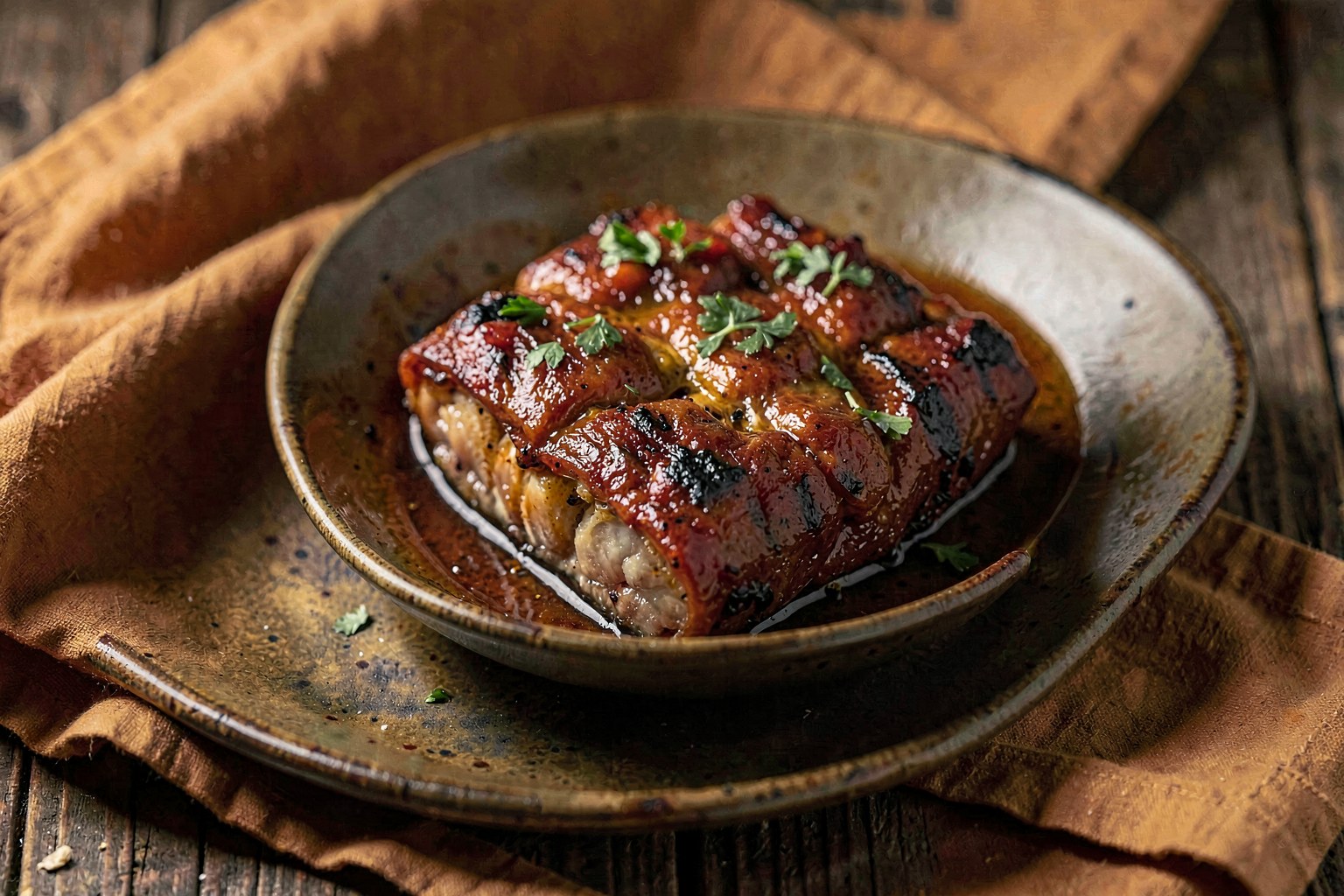
Bonito
Bonito is a salt-cured, fermented, and smoked skipjack tuna that is shaved into paper-thin flakes to create the foundational umami stock of Japanese cuisine.
What it is
Bonito (katsuo) is a mackerel relative that undergoes a rigorous transformation to become katsuobushi. After being filleted and smoked over oak or cherry wood, the fish is sun-dried and then inoculated with a specific mold (Aspergillus glaucus) in a process called kata-ko. This mold fermentation draws out moisture and concentrates flavor, resulting in a rock-hard, dark brown block that must be shaved into flakes using a specialized plane (katsuobushi kama) just before use. The flavor profile is intensely savory, smoky, and deeply umami-rich, distinct from fresh fish or standard dried fish.
How to buy
Seek out 'arabo' (fermented, aged, and mold-dried) katsuobushi for the deepest flavor; these blocks will be hard, dark, and have a slight grayish mold bloom on the surface, which is desirable. Avoid 'namabushi' (freshly smoked but unfermented) blocks which are softer, lighter in color, and lack the complex depth required for authentic dashi. If buying pre-shaved flakes, ensure they are vacuum-sealed or in an airtight container, as exposure to air turns them rancid within days. Look for Japanese brands like Yamamotoyama or Hasegawa, or artisanal producers from Kagoshima prefecture. These are available at specialized Japanese grocers, high-end Asian markets, or online, though they are rarely found in standard Western supermarkets.
Storage
Store whole blocks in a cool, dry place away from direct sunlight; they can last for a year or more if kept in a paper bag or breathable container to prevent mold from becoming too aggressive. Once shaved, the flakes lose potency rapidly due to oxidation and must be stored in an airtight container in the refrigerator or freezer, where they remain usable for 2-3 months. Rancidity is the primary sign of spoilage, characterized by a sharp, paint-like smell and a loss of the savory aroma; discard immediately if the flakes smell sour or oily.
How to use
The primary use is making dashi stock: soak kombu in cold water, remove just before boiling, add a large handful of bonito flakes, and remove from heat immediately once the water boils (do not simmer, or the stock will become bitter). Let the flakes steep for 5-10 minutes before straining. For garnishes, use a katsuobushi plane to shave fresh flakes over hot rice, tofu, or okonomiyaki; the residual heat will cause the flakes to dance and release aroma. Never boil bonito flakes for extended periods, as this releases undesirable bitterness and destroys the delicate texture. Use a ratio of roughly 10g of flakes per 1 liter of water for a standard ichiban dashi.
Where it comes from
Originating in Japan, bonito is central to the concept of 'umami' and the foundation of the 'dashi' stock that defines the flavor of miso soup, noodle broths, and simmered dishes. The production of katsuobushi is a centuries-old craft, particularly associated with the Satsuma region (modern Kagoshima), where the specific climate allows for the unique mold fermentation process. It represents a pinnacle of Japanese food preservation techniques, turning a perishable fish into a shelf-stable ingredient that elevates simple ingredients like water, tofu, and vegetables into complex, savory dishes.
Substitutions
- Dried Shiitake Mushrooms — Provides a strong umami punch but lacks the smoky, meaty depth; best used in combination with kombu to approximate a vegetarian dashi, though the flavor profile will be earthier.
- Smoked Paprika and Fish Stock Powder — A pantry emergency swap that adds smokiness and saltiness, but will lack the clean, complex fermentation notes of true bonito; use sparingly to avoid overpowering the dish with artificial smoke flavor.