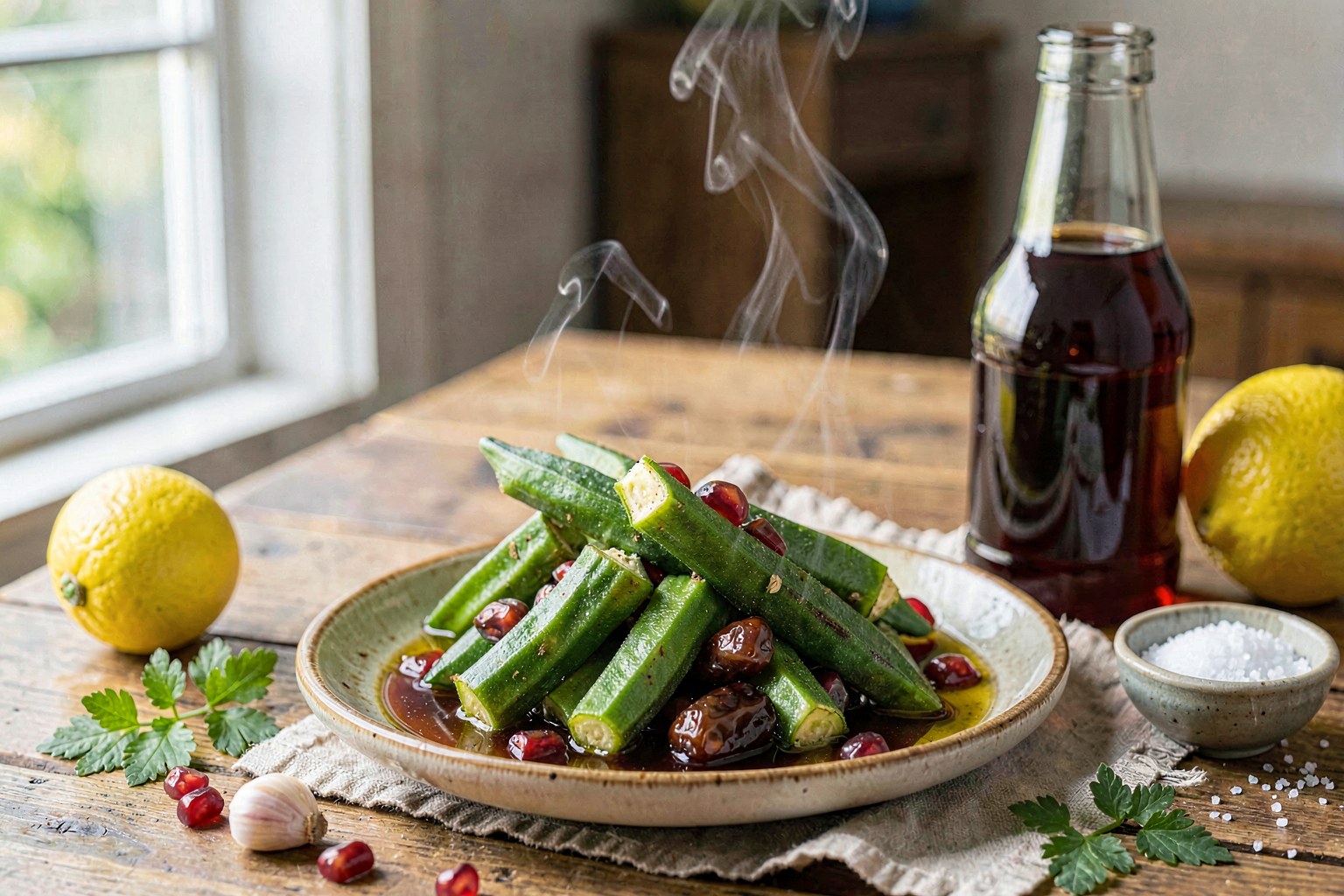
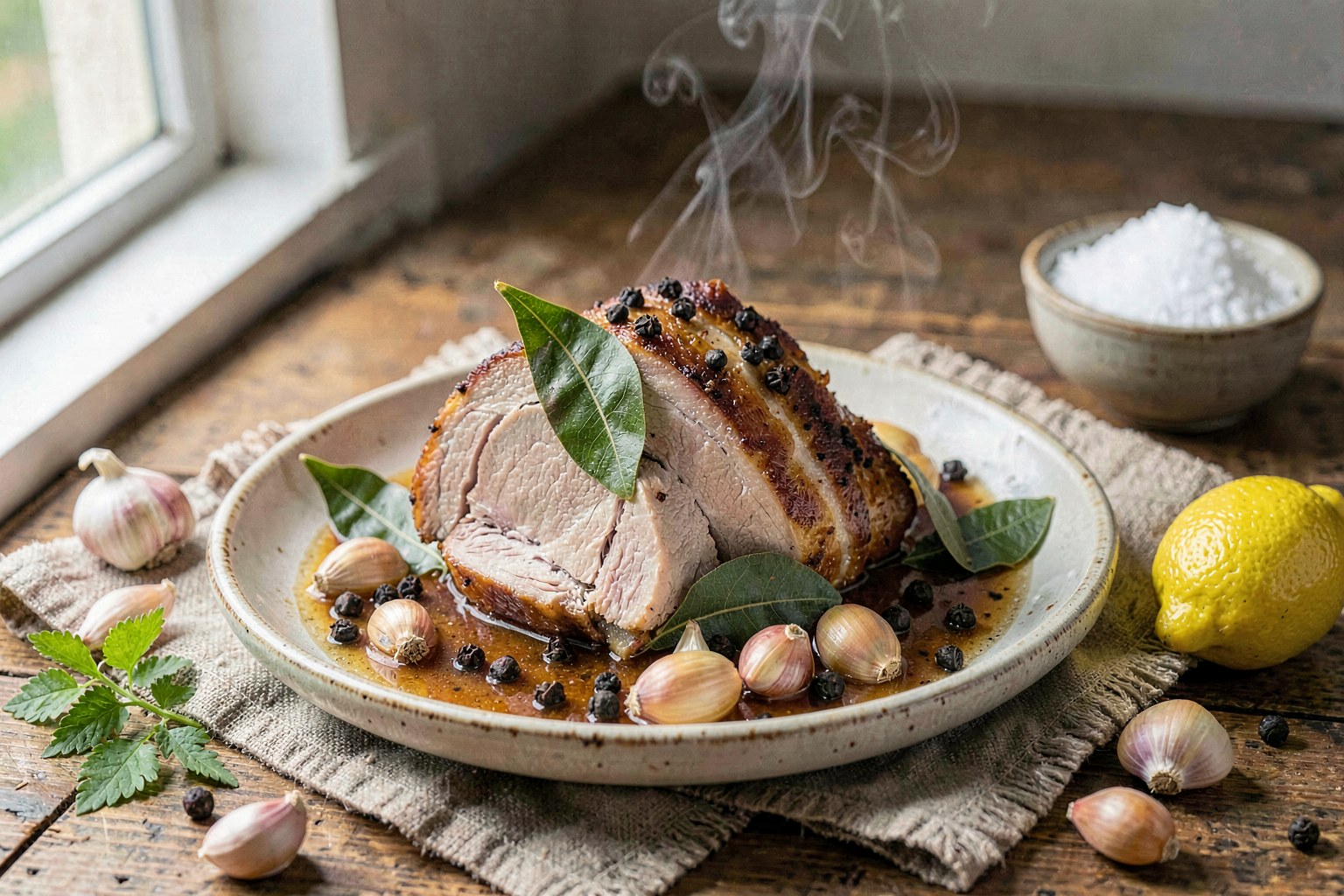
Oyakodon: Farm-Fresh Chicken & Egg Bowl with Pure Dashi
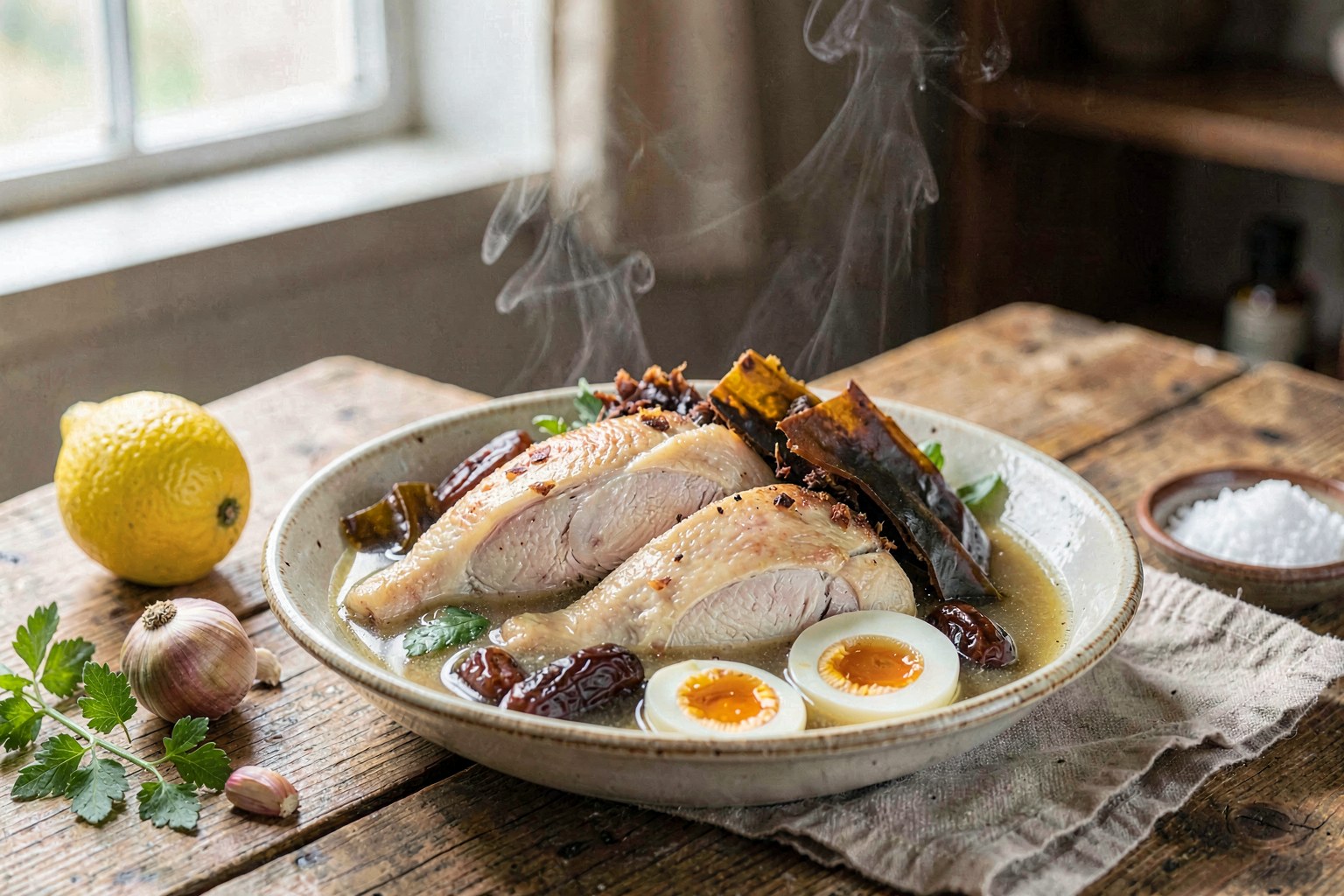
This modern take on the classic Japanese 'parent-and-child' bowl features tender, pasture-raised chicken thighs and silky, steamed farm-fresh eggs simmered in a savory dashi broth. We replace refined sugar with whole dates and eliminate seed oils to create a nutrient-dense, polyphenol-rich comfort meal that honors the original texture while optimizing for longevity.
A little context
Oyakodon is a beloved staple of Washoku cuisine, traditionally celebrating the harmony of chicken and egg in a sweet-savory broth. In the Blueprint tradition, we honor this by strictly avoiding the standard sugar-soy mirin combination, substituting it with a reduction of whole dates and high-quality soy sauce. We also ensure the cooking fat is limited to the natural fats in the chicken or a touch of extra-virgin olive oil if needed, rejecting the seed oils often used in modern restaurant versions.
The longevity story
This dish leverages the high-quality protein from pasture-raised poultry and the rich choline content of organic eggs, essential for cellular repair and brain health. The dashi broth, made from kombu (kelp) and dried bonito, provides iodine for thyroid function and umami depth without sodium-heavy bouillon cubes. By using whole dates instead of refined sugar, we lower the glycemic load while introducing fiber and polyphenols, and the inclusion of fresh scallions adds anti-inflammatory quercetin.
Method
- 01
Prepare the Dashi
In a pot, combine 600 ml filtered water and the wiped kombu. Soak for 30 minutes, then heat over medium until just before boiling. Remove the kombu immediately to prevent bitterness. Add the bonito flakes, turn off the heat, and let steep for 5 minutes. Strain through a fine-mesh sieve into a clean bowl; discard the solids.
- 02
Build the Broth
Return the clear dashi to the pot. Add the chopped Medjool dates and bring to a gentle simmer over medium heat. Stir until the dates have completely dissolved and the liquid is fragrant, about 5 minutes. Stir in the soy sauce. Taste; it should be savory with a subtle, deep sweetness.
- 03
Simmer the Chicken
Add the pasture-raised chicken cubes to the simmering broth. Reduce heat to medium-low and cover. Simmer for 8-10 minutes until the chicken is cooked through but still juicy. Skim any foam that rises to the surface to keep the broth clear.
- 04
Add Aromatics
If you have fresh shiso leaves or ginger slices, add them now. If using only scallions, reserve the white parts for the next step and save the green tops for garnish. Let the chicken simmer for another 2 minutes to infuse flavor.
- 05
Create the Egg Custard
Pour the beaten eggs evenly over the chicken in a circular motion. Do not stir immediately. Cover the pot and let steam on low heat for 1-2 minutes. The goal is for the egg to set into a silky custard while remaining slightly jiggly in the center. If you prefer a fully set egg, steam for an extra minute.
- 06
Serve Immediately
Divide the steaming rice into four bowls. Ladle the chicken, egg, and broth over the rice. Top generously with the sliced green scallions. Serve immediately while the egg is still warm and tender.
Nutrition facts
Per serving · 1 of 4- — Saturated
- 8 g
- — Polyunsaturated
- 7 g
- Carbohydrates
- 58 g
- — Fiber
- 1 g
- — Sugars
- 7 g
- Cholesterol
- 131 mg
- Sodium
- 2102 mg
- Potassium
- 631 mg
Estimated from USDA FoodData Central for matched ingredients (56% ingredient coverage). Values vary with brand, preparation, and exact measurements.
Pro tips
- ✦Source your chicken from a local farmer who guarantees pasture-raising; the fat profile is significantly higher in omega-3s and CLA compared to grain-finished birds.
- ✦Do not overcook the eggs; the residual heat of the broth will finish cooking them as you serve. Undercooking slightly ensures the signature custard texture.
- ✦When selecting kombu, look for a natural white frost (mannitol) on the surface; this indicates high umami content and freshness.
- ✦If dates are too sticky to chop, lightly coat them in a dusting of coconut flour before cutting to prevent clumping.
- ✦For a richer broth, you can add 1 teaspoon of grass-fed ghee at the very end, though the chicken skin usually provides enough fat.
Shop this recipe
As an Amazon Associate we earn from qualifying purchases.
Substitutions
- whole Medjool dates → pure maple syrup (1 tbsp) or monk fruit syrup (maple adds minerals but has a higher glycemic index; monk fruit is zero-calorie but lacks the fiber of dates.)
- dried bonito flakes → dried shiitake mushrooms (makes the dish vegetarian/vegan while maintaining deep umami; soak mushrooms in water first.)
Storage
Store leftovers in a glass container in the fridge for up to 2 days. Note that the egg texture will firm up upon reheating; gently reheat in a microwave with a splash of water to restore moisture.
What to serve with it
- Hot sencha green tea (high in EGCG polyphenols)
- Kombucha with ginger and turmeric
- Sparkling water with a wedge of yuzu or lemon
- A small side of fermented miso soup (add after cooking to preserve probiotics)
FAQ
Why do you remove the kombu before boiling?+
Leaving kombu in boiling water releases a slimy texture and a bitter, metallic taste. Removing it just before the boil preserves the clean, oceanic umami.
Can I use chicken breast instead of thighs?+
You can, but thighs are preferred for their higher fat content, which keeps the meat moist during simmering and provides more energy-dense calories for a longevity diet.
Share this recipe
Notes from the community
Sign in to leave a note.
No notes yet — be the first.
You might also like