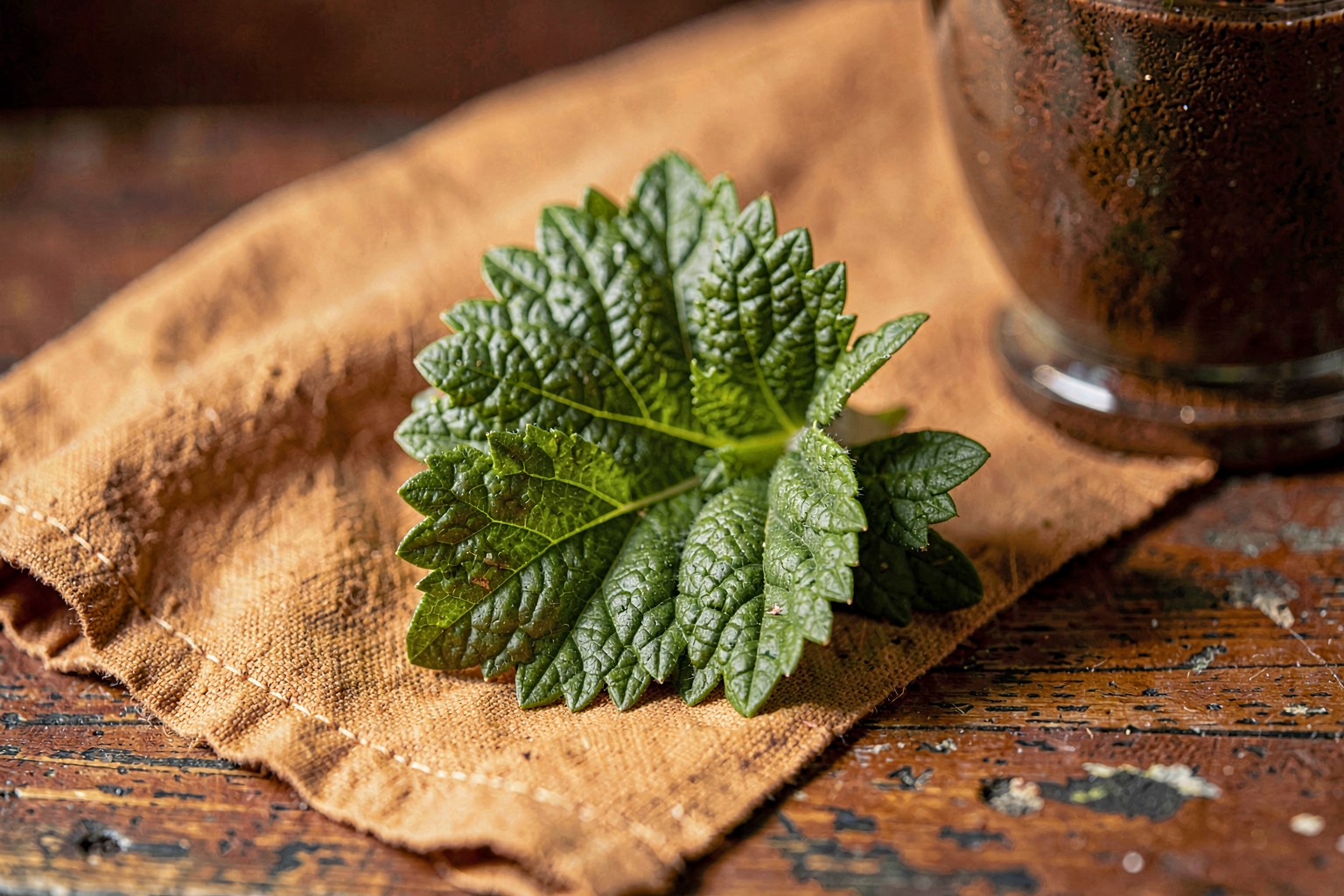
Shiso
Shiso is a fragrant herb from the mint family, known for its unique blend of anise, mint, and basil flavors, used extensively in Japanese and Korean cuisine.
What it is
Shiso (Perilla frutescens) is a leafy herb belonging to the Lamiaceae family, closely related to mint and basil. It comes in two primary varieties: green (aojiso) and red (akajiso), though green is the most common in Western markets. The leaves have a serrated edge and a distinct texture, offering a complex flavor profile that balances citrus, anise, and herbal mint notes. In Japanese cuisine, it serves as both a garnish and a functional ingredient, often wrapping sashimi to aid digestion or pickled in red shiso brine to color umeboshi and other preserves. The herb is utilized fresh, dried as flakes, or processed into oils and pastes, maintaining its aromatic potency even when incorporated into savory dishes like tempura batter or miso soup.
How to buy
Look for vibrant, unwilted leaves with no black spots or slimy edges. Green shiso is often sold in small bunches wrapped in damp paper towels at Asian grocery stores, while dried shiso flakes are available in the spice aisle. Avoid bunches where the stems are brown or the leaves are yellowing, as this indicates age and loss of aromatic oils. Fresh shiso is rarely found in standard American supermarkets unless there is a dedicated Asian produce section. For consistent supply, check online specialty herb delivery services or local farmers' markets during the summer months when the plant is in peak season.
Storage
Wrap the stems in a damp paper towel and place inside a loosely sealed plastic bag in the refrigerator's crisper drawer. Fresh shiso lasts only 3 to 5 days before wilting significantly. For longer storage, freeze whole leaves in an airtight container or make shiso oil by blending fresh leaves with neutral oil. Discard if leaves turn black or develop a sour smell.
How to use
Use green shiso leaves whole as a wrap for sashimi, sliced thin over noodle salads, or chopped into tempura batter. Red shiso is typically used for pickling or coloring, so avoid substituting it for green in raw applications due to its tougher texture and stronger color. Do not overcook fresh shiso, as heat diminishes its volatile aromatic oils; add it at the very end of cooking or serve raw. A general rule is 1-2 leaves per person for garnish, or a handful chopped for pesto-style sauces. It pairs exceptionally well with fatty fish, cucumber, and soy-based dressings, acting as a bright counterpoint to rich flavors.
Where it comes from
Native to the mountainous regions of India and China, shiso was introduced to Japan over a thousand years ago and became integral to kaiseki and home cooking. It holds a medicinal reputation in East Asia, believed to counteract food poisoning from raw fish and aid digestion. The red variety is specifically revered in Japanese festivals for its ability to preserve color and flavor in pickles like umeboshi and chuka-zuke.
Substitutions
- Thai basil — offers similar anise notes but lacks the citrus edge; use in cooked dishes
- Mint and lime zest — approximates the fresh, cooling profile for raw applications like sashimi garnish