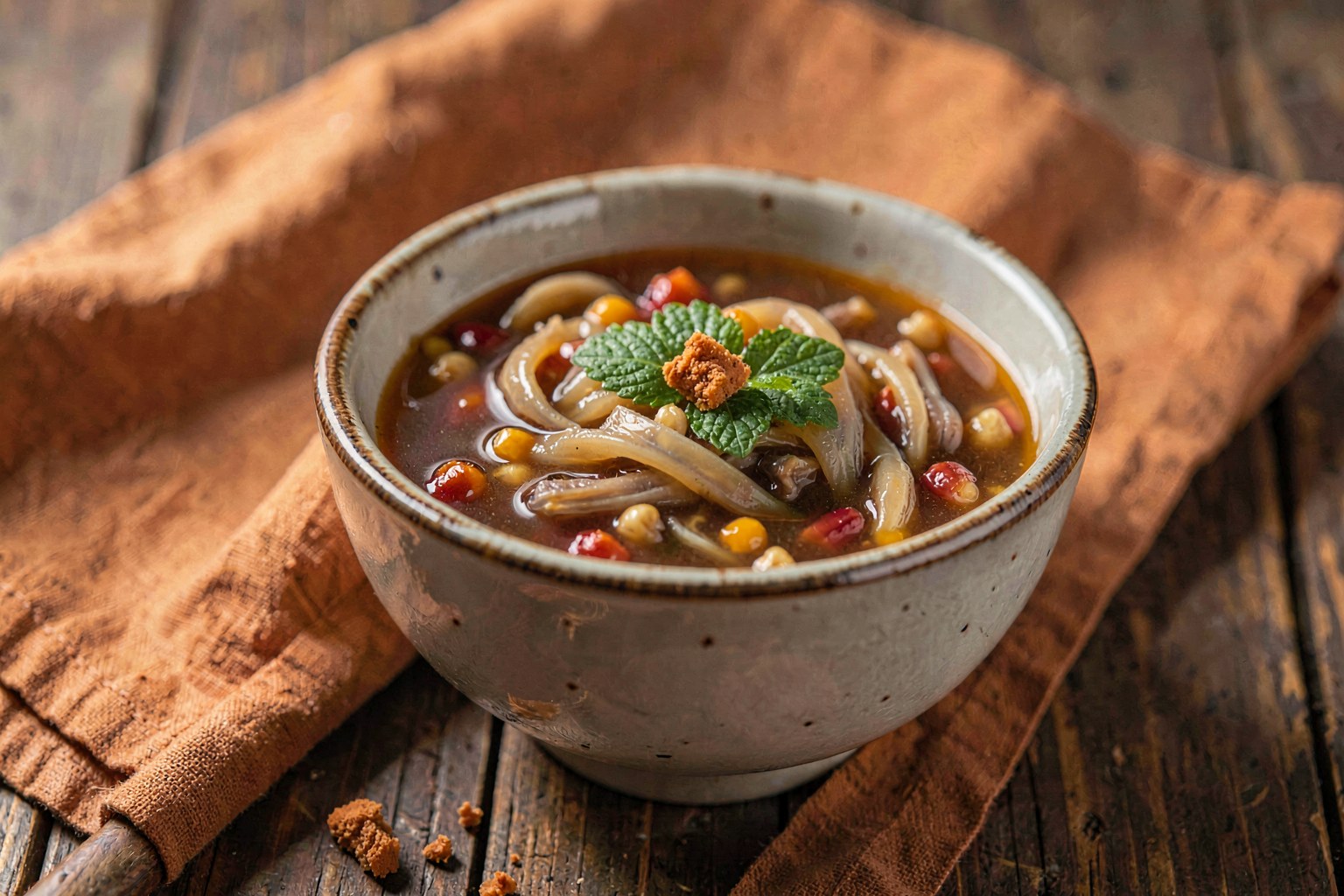
Dashi
Dashi is the fundamental savory stock of Japanese cuisine, typically made by steeping kombu seaweed and katsuobushi bonito flakes in water to create a delicate umami-rich broth.
What it is
Dashi is the flavor backbone of Japanese cooking, derived from the synergistic combination of glutamates in kombu (kelp) and inosinates in katsuobushi (fermented, smoked bonito). While kombu provides a clean, oceanic sweetness, the bonito adds a smoky, meaty depth without overwhelming the palate. Beyond the classic kombu and bonito pairing, variations include shiitake mushroom dashi for vegetarian applications, niboshi (dried sardines) for a heavier profile, or instant granules using MSG and yeast extract. The flavor profile is distinctly savory and aromatic, designed to elevate ingredients rather than mask them. It serves as the liquid foundation for miso soup, noodle broths, simmered dishes (nimono), and even dipping sauces. In traditional preparation, the delicate balance of salt and umami is carefully managed to ensure the broth remains light and clear, reflecting the culinary value placed on clarity and subtlety.
How to buy
Look for specific labels distinguishing between "awase dashi" (mixed kombu and bonito) and single-ingredient variants. Authentic kombu should be dark green and slightly dusty with natural mannitol crystals, not slimy. Avoid products with excessive sugar, artificial colors, or fish oil rancidity smells. Freshly shaved katsuobushi is ideal but degrades quickly; instant dashi granules like Hondashi are convenient but contain additives. You can find quality dashi at Japanese specialty grocers, well-stocked Asian supermarkets, or online retailers like Yamibuy or Amazon. Mainstream grocery stores often carry low-quality instant versions that may lack depth. If buying flakes, check the expiration date, as oxidized bonito tastes bitter. For the best results, buy kombu in blocks and shave it yourself if possible, rather than relying solely on pre-packaged bags of flakes.
Storage
Keep kombu and katsuobushi in airtight containers in a cool, dark pantry; kombu lasts a year while flakes degrade quickly after opening and should be used within two weeks. Instant granules remain stable for months if sealed tightly. Refrigeration extends the life of opened flakes but isn't strictly necessary if used quickly. Discard if the aroma turns sour or rancid, or if kombu becomes slimy or moldy.
How to use
Make dashi by heating water to just below boiling, removing from heat, and steeping kombu for 20 minutes before adding katsuobushi off the heat. Use a 1:10 ratio of dashi to water for light soups, or concentrate it for simmering dishes like nimono. The goal is extraction without bitterness, so never boil the seaweed aggressively. Common mistakes include boiling the kombu which releases slime and bitterness, adding salt too early which inhibits extraction, or using water that is too hard. Always strain the stock through a fine mesh sieve or cheesecloth to remove solids before use. For instant versions, dissolve the granules in hot water immediately before serving to preserve the aroma.
Where it comes from
Originating in the Edo period, dashi represents the Japanese aesthetic of "shin-zei" (freshness and vitality). It is considered the essence of washoku (traditional Japanese cuisine) and is essential for miso soup, noodle broths, and simmered dishes. Its subtlety reflects the cultural value placed on highlighting the natural flavors of primary ingredients rather than overpowering them with heavy seasoning.
Substitutions
- Vegetable stock with a pinch of MSG — Lacks the oceanic depth but provides savory base for miso soup
- Chicken broth — Too heavy; dilute heavily and add a piece of kombu to mimic the umami balance