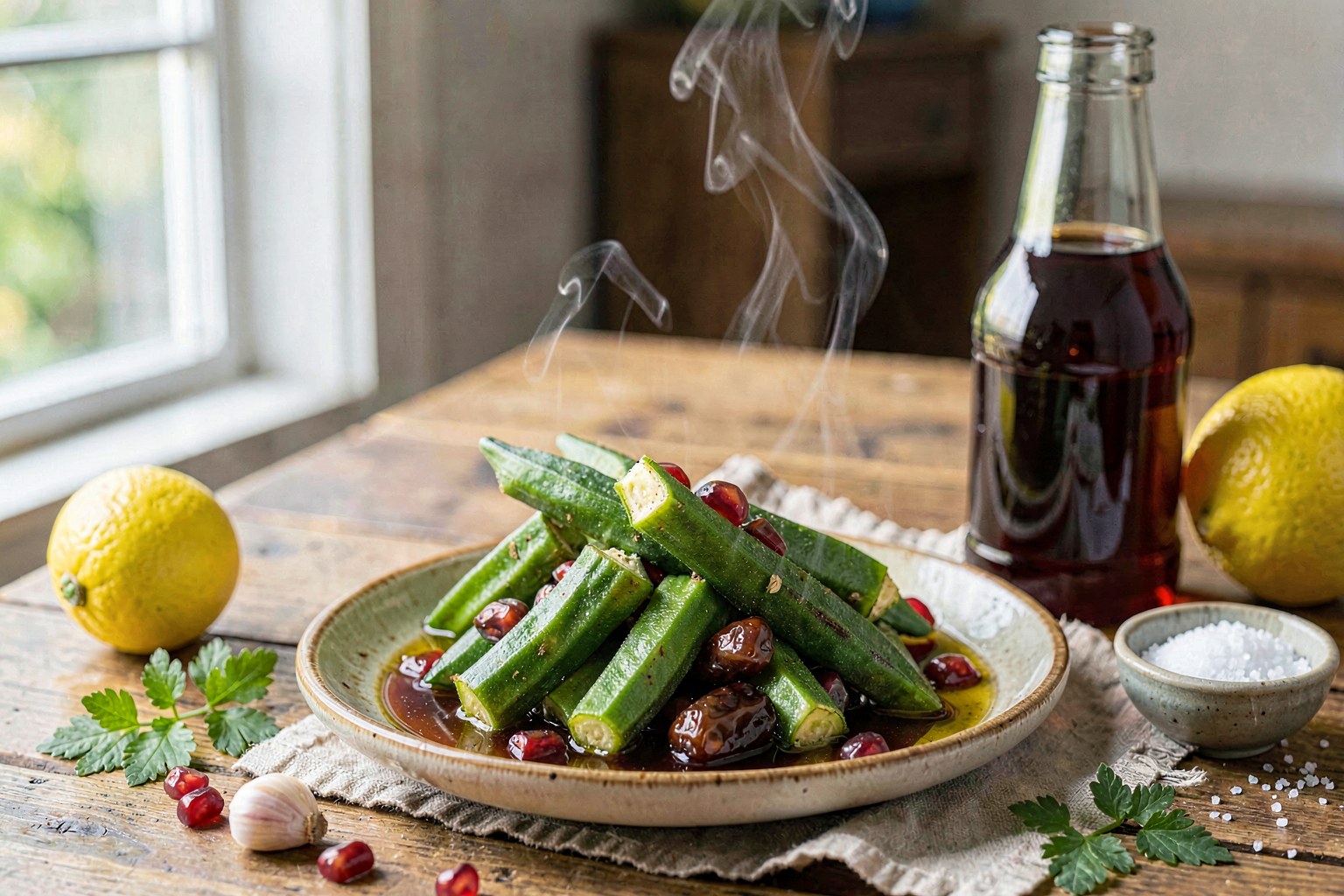
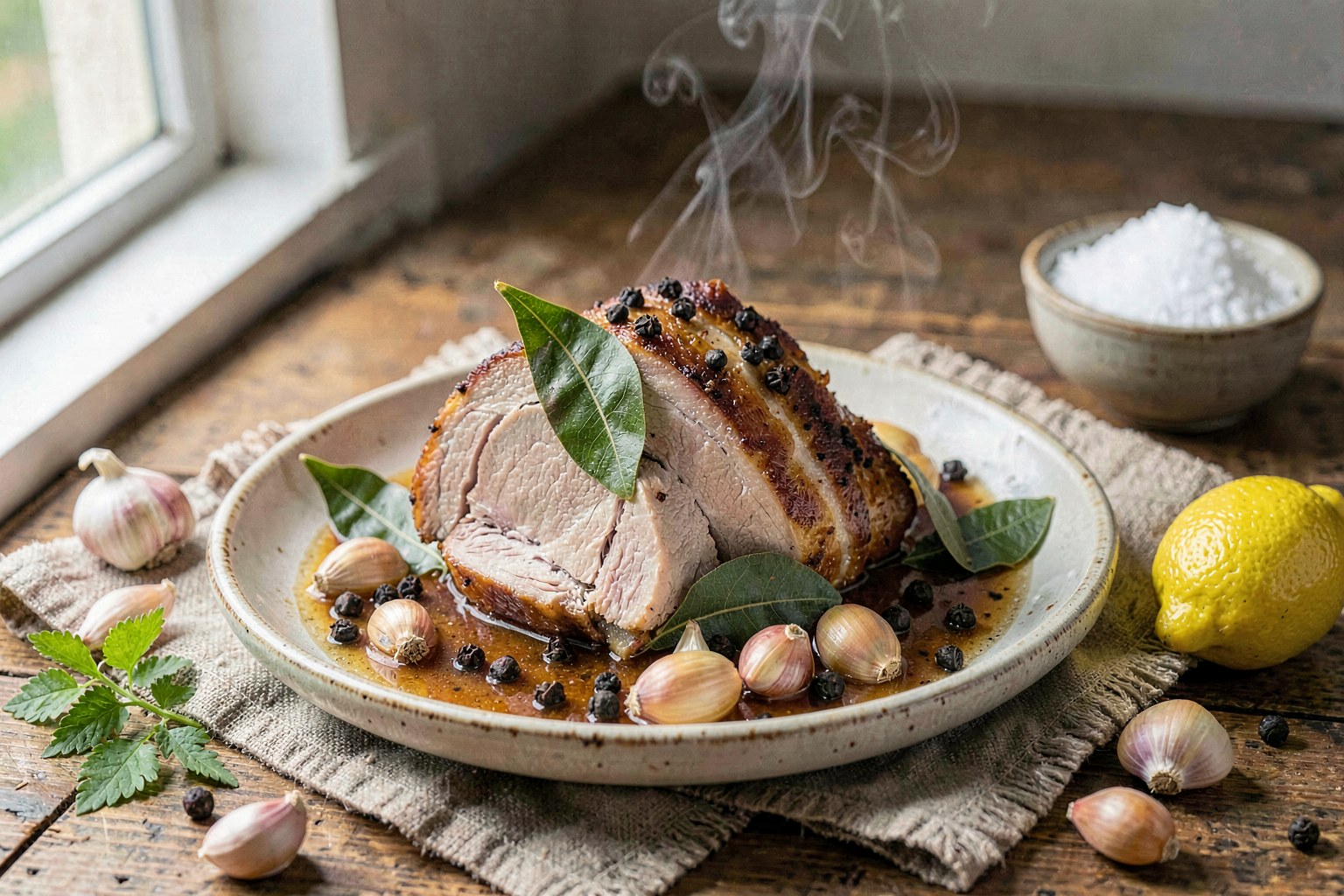
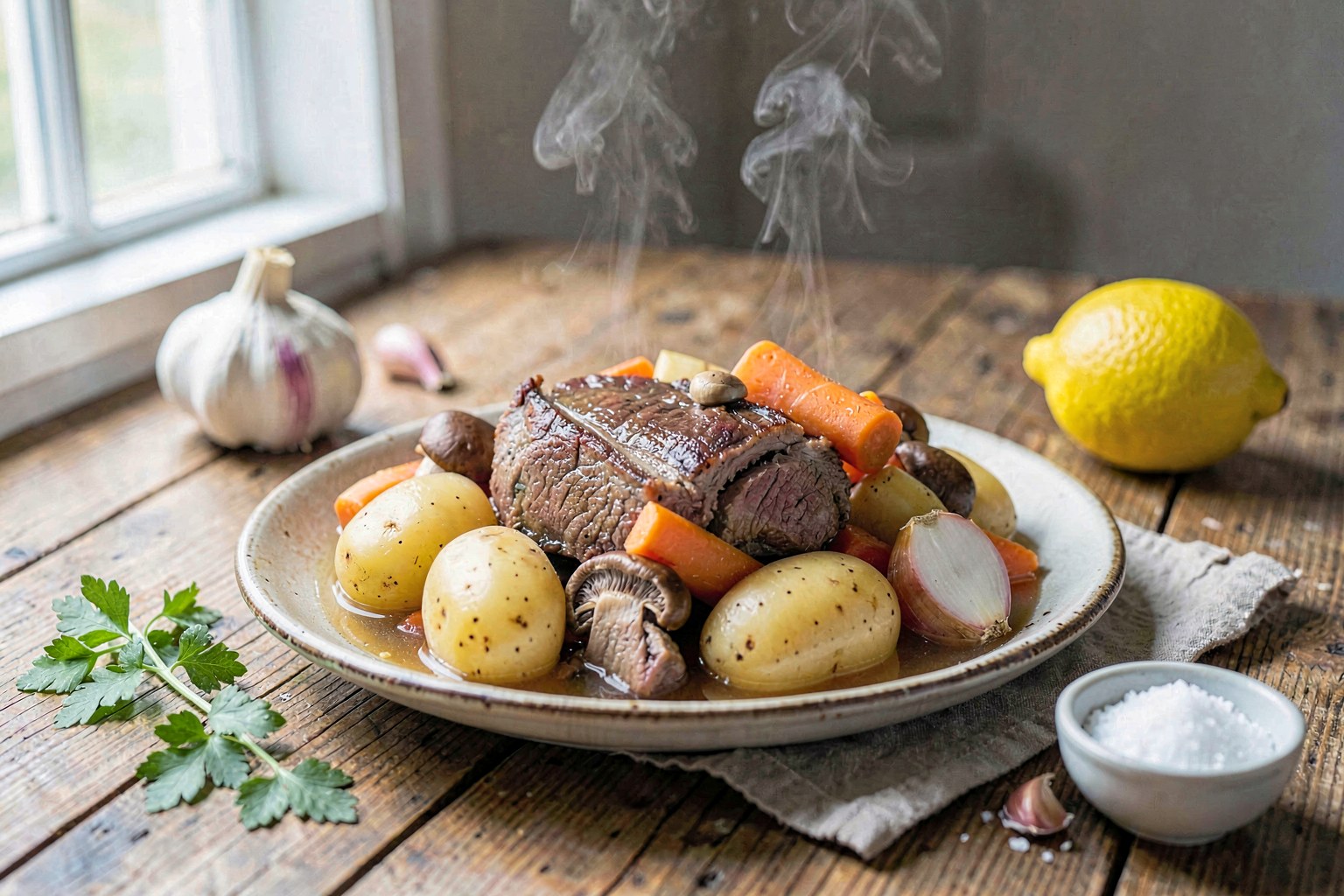
Nikujaga: Simmered Grass-Fed Beef & Root Vegetables
This version of the classic Japanese comfort stew features tender grass-fed beef, waxy potatoes, and carrots slow-simmered in a savory dashi broth. Instead of refined sugar, the sweetness is derived from whole dates and a touch of pure maple syrup, creating a rich, glossy glaze that honors the traditional flavor profile while adhering to strict longevity standards.
A little context
Nikujaga is a beloved post-war Japanese home cooking staple, traditionally made with cheap cuts of beef and a dash of sugar to balance the salty soy sauce. We honor this tradition by keeping the simmering technique and the harmonious balance of salty-sweet-savory, but we replace the refined sugar with whole dates and pure maple syrup to avoid blood sugar spikes. We also swap the traditional canola or vegetable oil for high-quality extra-virgin olive oil or avocado oil, ensuring the fat source is anti-inflammatory and nutrient-dense.
The longevity story
This dish leverages the polyphenol-rich properties of soy sauce and miso, which act as fermented gut-health boosters, while the grass-fed beef provides high-quality protein and conjugated linoleic acid (CLA). The inclusion of carrots and daikon radish adds beta-carotene and fiber, supporting digestive motility. By using extra-virgin olive oil for the initial sear, we introduce heart-healthy monounsaturated fats and oleocanthal, a potent anti-inflammatory compound often missing in traditional preparations using seed oils.
Method
- 01
Prep the vegetables
Soak the cut potatoes in cold water for 10 minutes to remove excess starch, which prevents them from crumbling during simmering. Drain and pat dry. Cut the daikon, carrots, and mushrooms into uniform sizes to ensure even cooking.
- 02
Sear the beef
Heat the extra-virgin olive oil in your Dutch oven over medium-high heat. Add the grass-fed beef cubes in a single layer (do not overcrowd). Sear until browned on all sides, about 3-4 minutes. Remove beef and set aside.
- 03
Sauté aromatics
In the same pot, add the white parts of the green onions, carrots, and shiitake mushrooms. Sauté for 2-3 minutes until they begin to soften and release aroma. Add the daikon and potatoes, stirring gently to coat in the oil.
- 04
- 05
Skim and simmer
Skim off any foam that rises to the surface to keep the broth clear. Cover the pot with a drop-lid (otoshibuta) if you have one, or a piece of parchment paper with a hole in the center to allow steam to escape while keeping heat even. Simmer gently for 30-35 minutes until potatoes and meat are tender.
- 06
Finish with miso
Turn off the heat. Whisk the white miso paste with a small amount of the hot broth until smooth, then stir it back into the pot. This preserves the live probiotics and prevents the miso from boiling, which destroys its flavor. Let it sit for 5 minutes to meld flavors.
- 07
Garnish and serve
Ladle into bowls and garnish with the reserved green onion greens. Serve immediately while hot.
Nutrition facts
Per serving · 1 of 4- — Saturated
- 17 g
- — Polyunsaturated
- 2 g
- Carbohydrates
- 57 g
- — Fiber
- 8 g
- — Sugars
- 8 g
- Cholesterol
- 84 mg
- Sodium
- 878 mg
- Potassium
- 1700 mg
Estimated from USDA FoodData Central for matched ingredients (85% ingredient coverage). Values vary with brand, preparation, and exact measurements.
Pro tips
- ✦Use a drop-lid (otoshibuta) or parchment paper with a hole to ensure the vegetables cook evenly without the liquid evaporating too fast.
- ✦Source your beef from a local butcher who labels it 'grass-fed finished' for the best omega-3 to omega-6 ratio.
- ✦If your potatoes are very starchy, soak them longer (up to 30 mins) to prevent them from turning mushy.
- ✦Add the miso only after removing the pot from the heat to preserve the beneficial enzymes and bacteria.
Shop this recipe
As an Amazon Associate we earn from qualifying purchases.
Substitutions
- grass-fed beef chuck → pasture-raised pork shoulder or wild-caught mackerel fillets (Pork works well in Nikujaga; mackerel should be added in the last 10 minutes of cooking.)
- extra-virgin olive oil → avocado oil or ghee (Ghee provides a rich, buttery flavor that complements the soy profile well.)
- Medjool dates → 1 tbsp monk fruit syrup or 1/2 ripe banana (mashed) (Monk fruit is zero-glycemic; banana adds fiber but increases sugar content slightly.)
Storage
Store in a glass airtight container in the refrigerator for up to 3 days. The flavor often improves on day 2 as the ingredients reabsorb the broth. Freezing is not recommended due to the texture changes in the potatoes and daikon.
What to serve with it
- Steamed short-grain brown rice or white rice (jasmine/sushi)
- Hot sencha green tea to aid digestion
- Fresh cucumber sunomono salad with rice vinegar
- Sparkling water with a wedge of yuzu or lemon
FAQ
Why do we add miso at the very end?+
High heat kills the beneficial probiotics in miso and can mute its complex umami flavor. Adding it off-heat preserves the gut-health benefits.
Can I make this without sake?+
Yes, you can substitute with a splash of dry white wine or simply increase the dashi slightly, though the sake helps tenderize the meat and adds a subtle sweetness.
Share this recipe
Notes from the community
Sign in to leave a note.
No notes yet — be the first.
You might also like