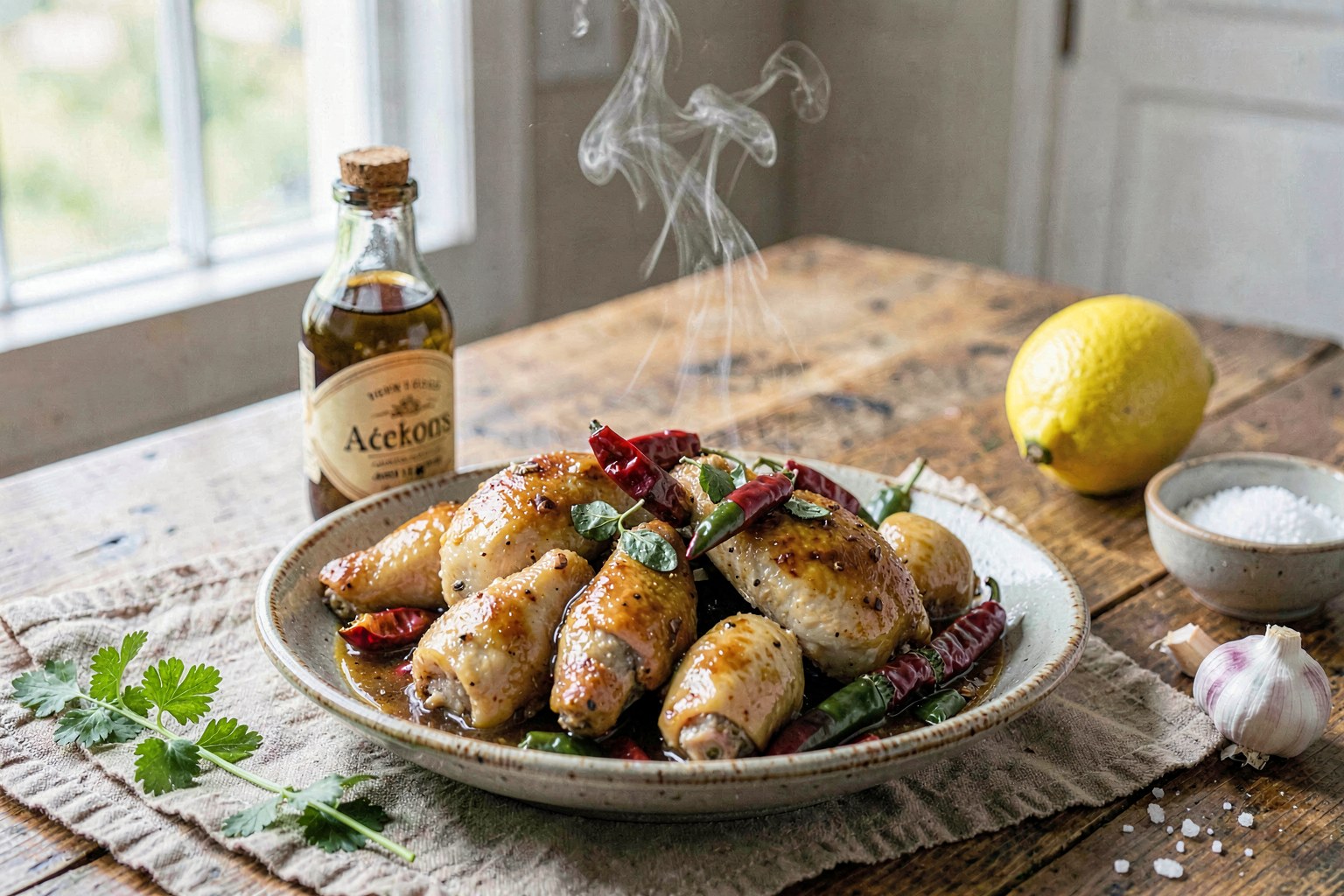
Sun-Dried Kishk: Fermented Yogurt & Spelt Crisps
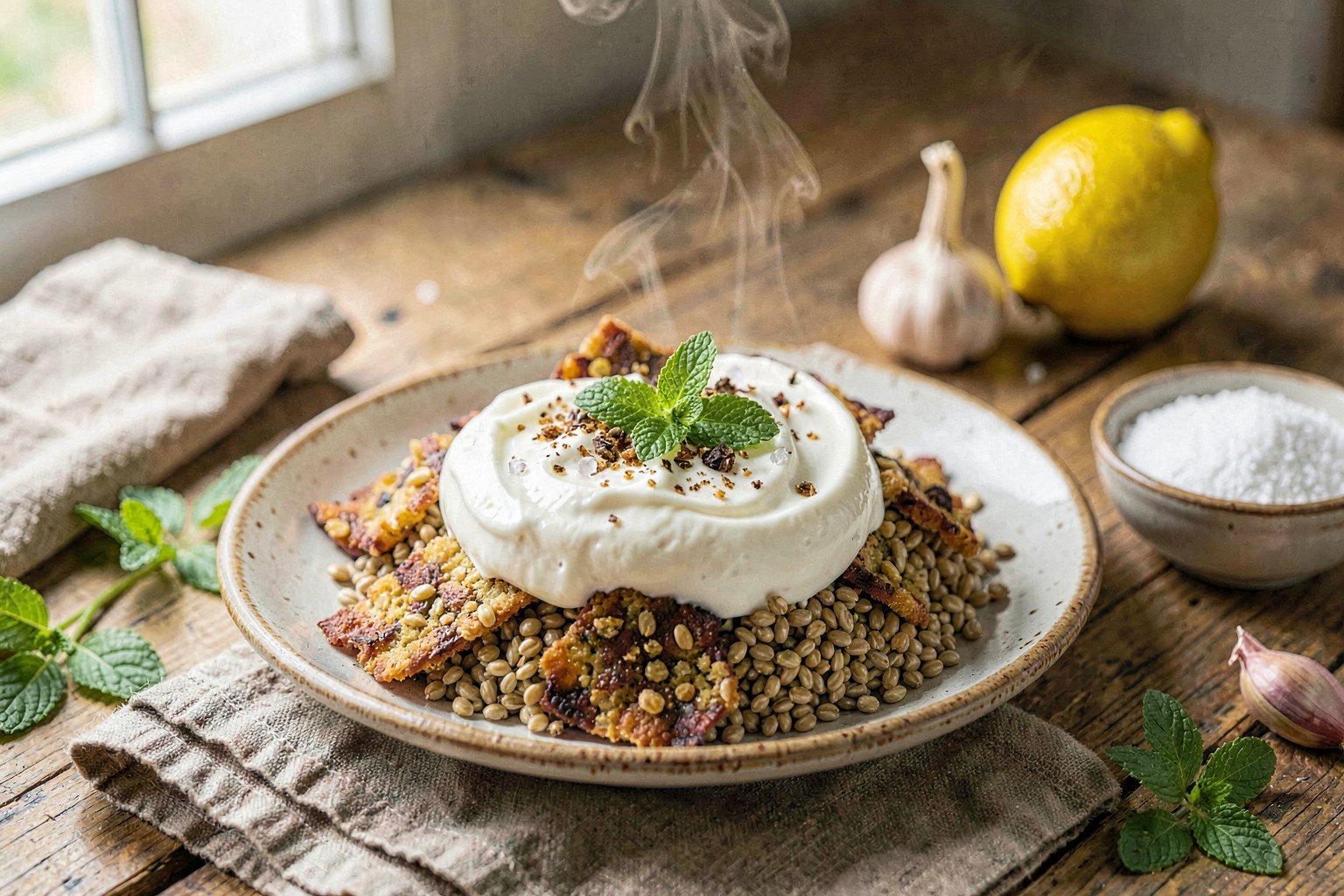
This Levantine staple transforms simple, farm-fresh fermented yogurt and sprouted spelt into nutrient-dense, cracker-like crisps. With a savory, tangy, and deeply umami flavor profile, these hard biscuits serve as a crunchy vehicle for healthy fats and probiotics, perfect for a light, gut-supportive dinner.
A little context
Traditionally made in the Levant as a way to preserve summer's bounty of yogurt and grains for winter, this recipe honors the ancient method of sun-drying and fermentation without modern shortcuts. We have removed any traditional additions of refined salt or commercial yeast, relying instead on sea salt and natural fermentation for preservation. The use of sprouted spelt and high-quality EVOO respects the original intent of nutrient density while adhering to a no-seed-oil, whole-food protocol.
The longevity story
Kishk is a powerhouse of gut health, relying on the symbiotic fermentation of yogurt (lactobacilli) and bulgur (prebiotic fiber) to create a highly bioavailable food source. The traditional sun-drying process concentrates the protein and calcium while preserving the live cultures until rehydration or baking. By using organic, sprouted spelt instead of refined wheat, we maximize mineral absorption and reduce anti-nutrients, while the addition of extra-virgin olive oil provides a potent dose of polyphenols like oleocanthal for systemic inflammation reduction.
Method
- 01
Combine the Base
In a large glass bowl, mix the 500 g organic yogurt, 200 g sprouted spelt, sea salt, dried mint, allspice, and 15 ml of EVOO. Stir vigorously until a thick, cohesive, and slightly sticky dough forms. If the mixture is too wet, add a tablespoon more spelt; if too dry, add a teaspoon of water.
- 02
The Fermentation Rest
Cover the bowl with a clean linen cloth (not plastic) and let it rest at room temperature for 12-18 hours. This step allows the natural lactobacilli in the yogurt to further ferment the grains, developing the signature tangy flavor and breaking down gluten structures. The dough will bubble slightly and smell distinctly sour-savory.
- 03
Shape the Crisps
Preheat your oven to its lowest setting (approx. 90°C / 200°F) or prepare your dehydrator to 45°C (113°F). Line a baking sheet with parchment paper. Take small portions of the fermented dough (about 20 g each) and roll them into balls, then flatten them into 5 mm thick discs. Use a fork to prick holes across the surface to prevent puffing.
- 04
Dry and Bake
Place the trays in the oven or dehydrator. If using an oven, prop the door open slightly with a wooden spoon to allow moisture to escape. Bake/dry for 45-60 minutes (oven) or 6-8 hours (dehydrator) until the kishk is completely hard, dry to the touch, and snaps when broken. They should be golden, not browned.
- 05
Cool and Store
Remove from heat and let cool completely on the rack. They will harden further as they cool. Store in an airtight glass jar at room temperature for up to 2 weeks, or freeze for longer storage.
- 06
Serve with Healthy Fats
To serve, break the hard kishk into bite-sized shards. Drizzle generously with the remaining 45 ml of high-quality EVOO and a splash of fresh lemon juice if desired. The oil rehydrates the crisp slightly, creating a creamy, savory texture that mimics a rich cheese dip.
Nutrition facts
Per serving · 1 of 4- — Saturated
- 4 g
- — Polyunsaturated
- 2 g
- Carbohydrates
- 33 g
- — Fiber
- 4 g
- — Sugars
- 1 g
- Cholesterol
- 5 mg
- Sodium
- 1258 mg
- Potassium
- 111 mg
Estimated from USDA FoodData Central for matched ingredients (100% ingredient coverage). Values vary with brand, preparation, and exact measurements.
Pro tips
- ✦Sourcing matters: Ensure your yogurt contains 'live active cultures' and is made from grass-fed organic milk for the highest CLA and omega-3 content.
- ✦The texture test: The kishk is ready when it sounds like a hollow drum when tapped and breaks with a sharp snap, not a bend.
- ✦Flavor boost: For a deeper umami profile, add 1 tsp of fermented garlic paste to the dough before resting.
- ✦Storage: If you live in a humid climate, store the finished kishk in the fridge with a food-safe silica packet to prevent moisture absorption.
- ✦Serving style: These are traditionally eaten by dipping in olive oil and sumac, or crumbling into soups; for a dinner snack, serve with a side of sliced cucumber and radish.
Shop this recipe
As an Amazon Associate we earn from qualifying purchases.
Substitutions
- sprouted spelt flour → organic whole wheat bulgur (soaked and drained) (Traditional choice; ensure it is soaked for 2 hours and drained well before mixing to mimic the texture of the flour.)
- extra-virgin olive oil (in dough) → ghee or pastured butter (Use ghee if you prefer a dairy-free fat source in the dough, though traditional kishk uses oil.)
Storage
Store in an airtight glass container at room temperature for up to 2 weeks. In humid environments, refrigerate for up to 1 month. Freezes well for 3 months; thaw at room temperature before serving.
What to serve with it
- Green tea (matcha or sencha) to complement the polyphenols
- Sparkling water with a wedge of lemon and fresh mint
- A glass of dry, low-sulfite red wine like Syrah or Grenache
- Fresh vegetable crudités (cucumber, radish, celery)
FAQ
Can I make this without a dehydrator?+
Yes, use your oven on the lowest possible setting (ideally under 100°C/212°F) with the door propped open to let moisture escape. It may take slightly longer, but the result will be shelf-stable.
Is this gluten-free?+
No, spelt and bulgur contain gluten. For a gluten-free version, substitute with sprouted buckwheat or sorghum flour, though the texture and fermentation time may vary.
Why does it need to ferment for 12 hours?+
The fermentation is essential for the flavor profile and digestibility. It breaks down the starches and creates the probiotic benefits that define Kishk. Skipping this results in a bland, doughy cracker.
Share this recipe
Notes from the community
Sign in to leave a note.
No notes yet — be the first.
You might also like