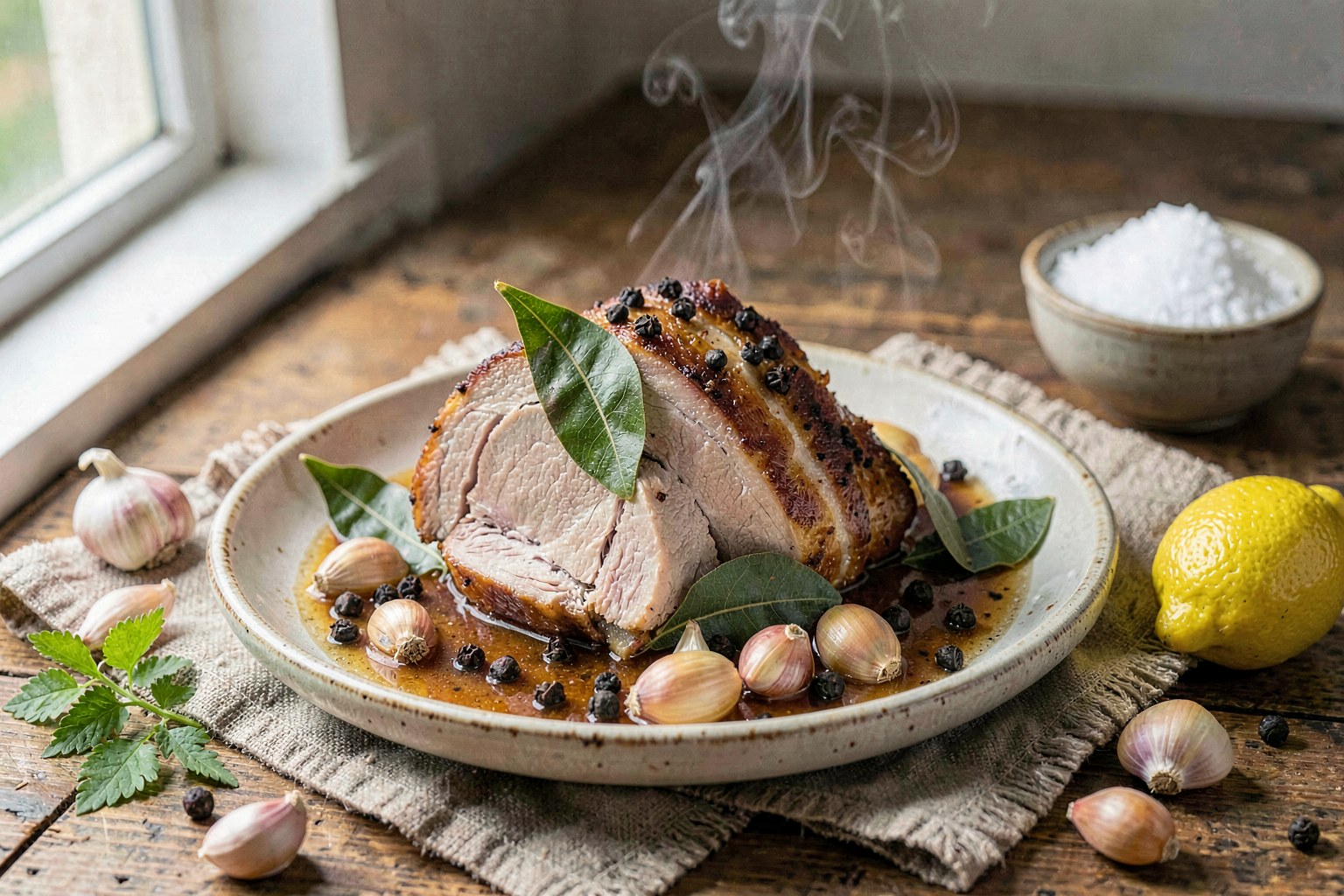
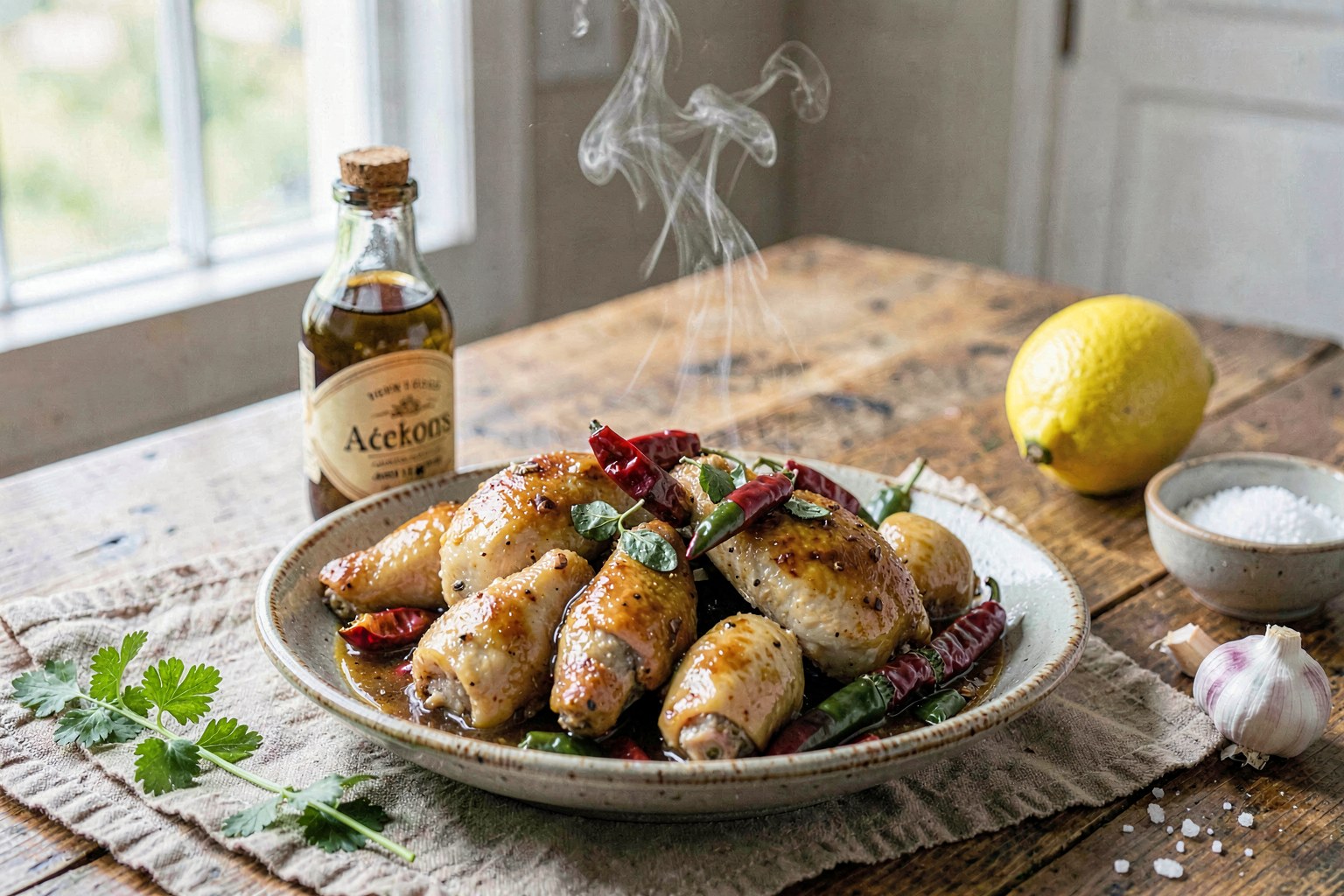
Laban Bissara (Levantine Garden Tradition)
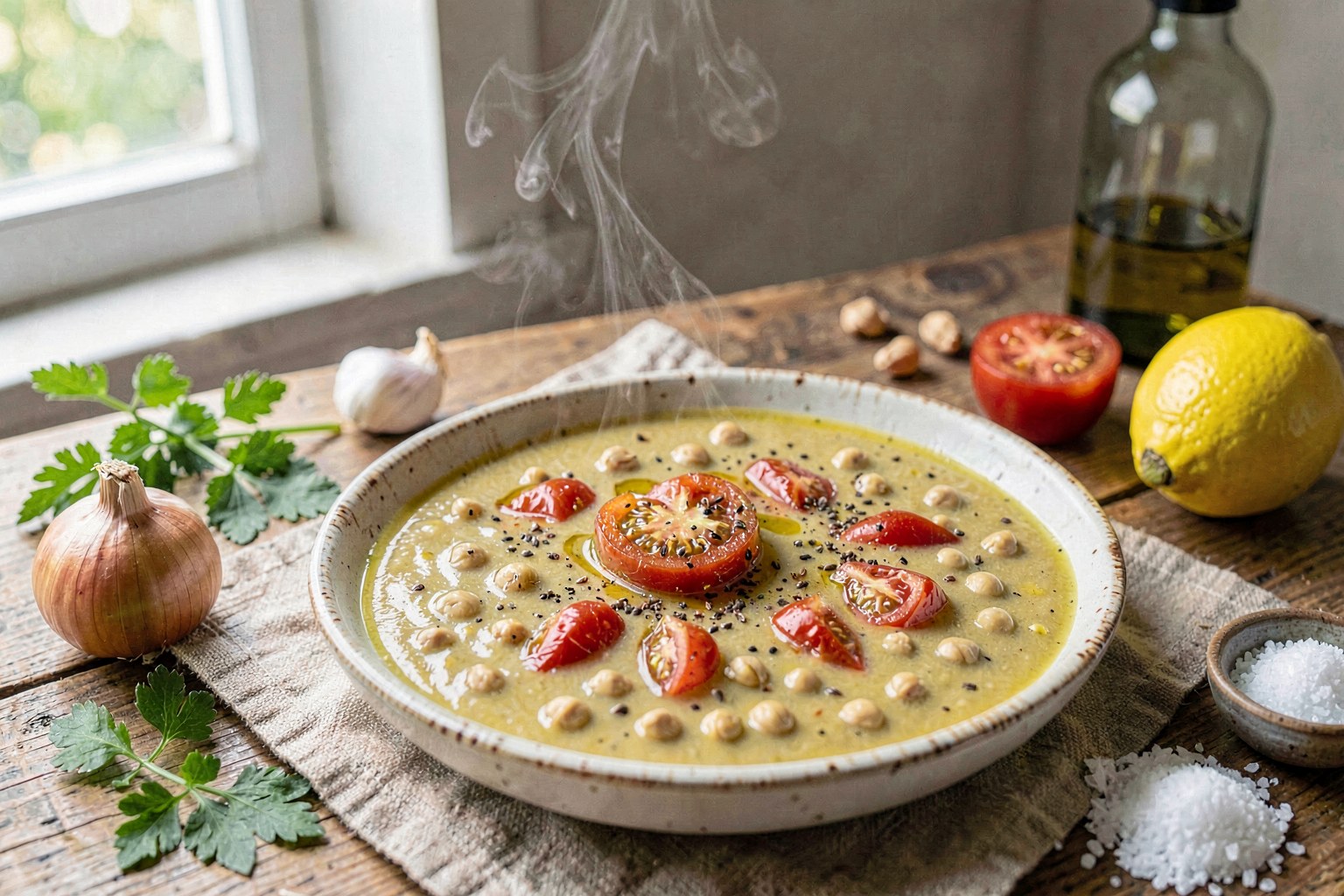
A velvety, sun-ripened tomato and chickpea soup emulsified with extra-virgin olive oil and spiced with toasted cumin. It tastes earthy, bright, and deeply comforting without heaviness, finished with a tangy yogurt swirl for traditional Laban character.
A little context
Traditional Bissara is a fava bean purée from Egypt, while Laban refers to the yogurt culture of the Levant. We honor this fusion by using chickpeas for accessibility and adding tomatoes for depth, swapping refined seed oils for cold-pressed olive oil and ensuring no added sugars in the tomato base. The result is a dish that respects the ancestral use of legumes and fermentation while optimizing for modern longevity.
The longevity story
This dish leverages the polyphenol density of extra-virgin olive oil and lycopene from cooked tomatoes to support cellular health. Chickpeas provide slow-release carbohydrates and soluble fiber that feed beneficial gut bacteria, while cumin and coriander aid digestion and reduce bloating. The optional sheep yogurt adds probiotics and calcium without the inflammatory response of conventional cow dairy.
Method
- 01
Sauté aromatics
Heat 50 ml of the olive oil in the Dutch oven over medium heat. Add the diced onion and cook for 5 minutes until translucent but not browned. Add the garlic and cook for 1 minute until fragrant.
- 02
Toast spices
Stir in the cumin and coriander, cooking for 30 seconds to release essential oils. Be careful not to burn them, as this creates bitterness.
- 03
Simmer chickpeas
Add the soaked chickpeas, chopped tomatoes, and 1.5 L of filtered water. Bring to a boil, then reduce to a low simmer. Cover and cook for 45 minutes until chickpeas are tender enough to mash easily.
- 04
Blend to emulsion
Remove from heat. Use an immersion blender to puree the soup until completely smooth. Alternatively, transfer in batches to a high-speed blender. Slowly drizzle in the remaining 50 ml of olive oil while blending to create a creamy, stable emulsion.
- 05
Season and serve
Taste and adjust with sea salt. Ladle into bowls. Top with a swirl of sheep yogurt if using, and garnish generously with fresh parsley and a final drizzle of raw olive oil.
Nutrition facts
Per serving · 1 of 4- — Saturated
- 4 g
- — Polyunsaturated
- 4 g
- Carbohydrates
- 29 g
- — Fiber
- 6 g
- — Sugars
- 6 g
- Cholesterol
- 0 mg
- Sodium
- 220 mg
- Potassium
- 1096 mg
Estimated from USDA FoodData Central for matched ingredients (73% ingredient coverage). Values vary with brand, preparation, and exact measurements.
Pro tips
- ✦Soak dried chickpeas for at least 12 hours to reduce phytic acid and improve digestibility.
- ✦When selecting olive oil, look for a harvest date within the last 12 months to ensure maximum polyphenol content.
- ✦If the soup thickens too much upon standing, thin it with hot water rather than cold to maintain the emulsion.
- ✦For a deeper umami flavor, add a strip of kombu seaweed while simmering the chickpeas, removing it before blending.
Shop this recipe
As an Amazon Associate we earn from qualifying purchases.
Substitutions
- fresh organic tomatoes → organic jarred crushed tomatoes (ensure no added sugar or seed oils in the label)
- sheep or goat yogurt → unsweetened coconut yogurt (for a strictly dairy-free vegan version)
Storage
Refrigerate in a glass container for up to 4 days. Freeze portioned in airtight containers for up to 3 months. Thaw overnight in the fridge.
What to serve with it
- warm sprouted grain flatbread
- green tea with lemon
- sparkling water with fresh mint
- fermented vegetable salad
FAQ
Can I use canned chickpeas?+
You can, but soak and cook dried chickpeas for better texture and lower sodium. If using canned, choose organic and low-sodium, rinsing thoroughly.
Why is the oil drizzled in at the end?+
Adding cold-pressed extra-virgin olive oil after cooking preserves its delicate polyphenols and prevents the oil from oxidizing at high heat.
Share this recipe
Notes from the community
Sign in to leave a note.
No notes yet — be the first.
You might also like