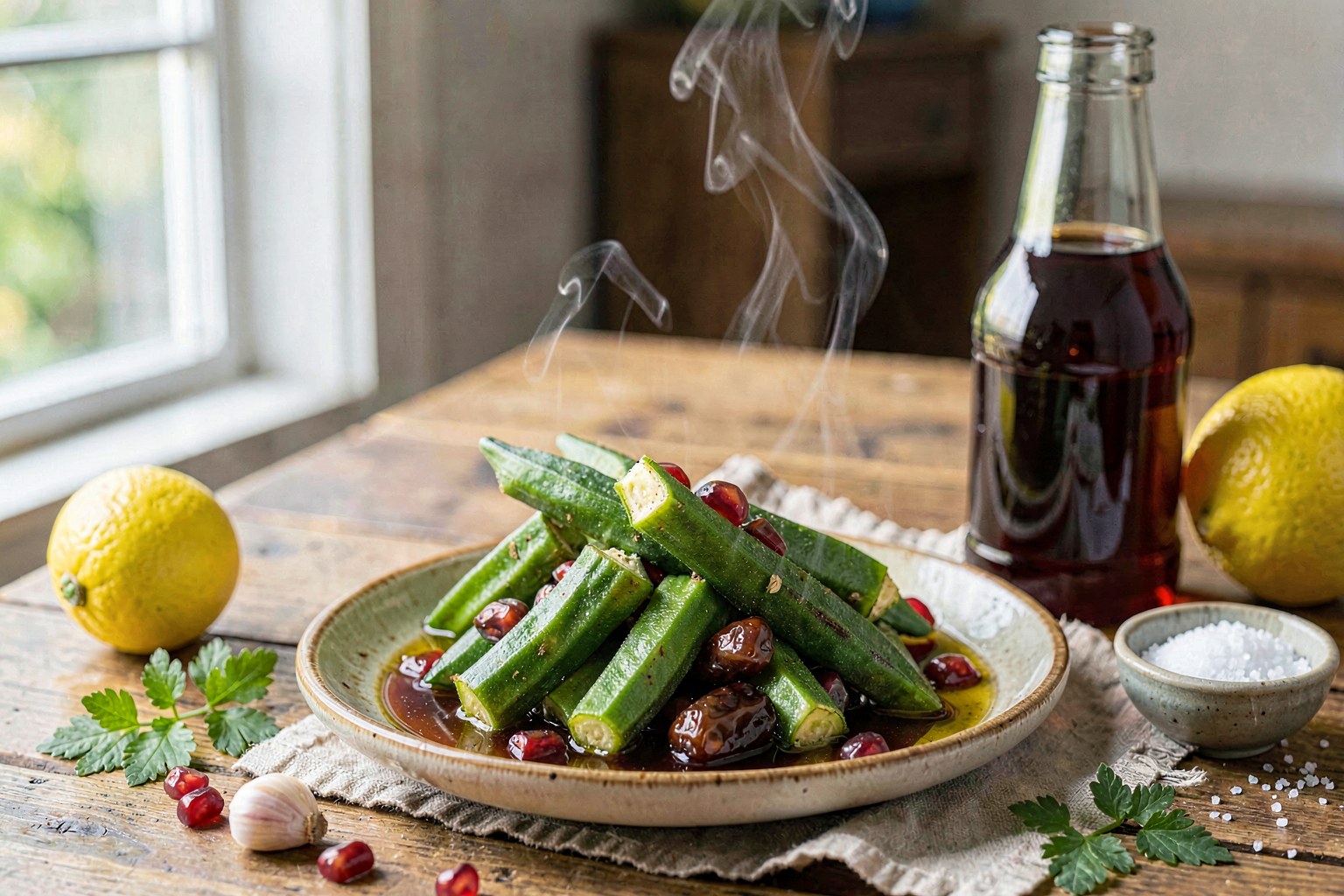
Lucuma con Amargo: Andean Earth & Bitter Dark
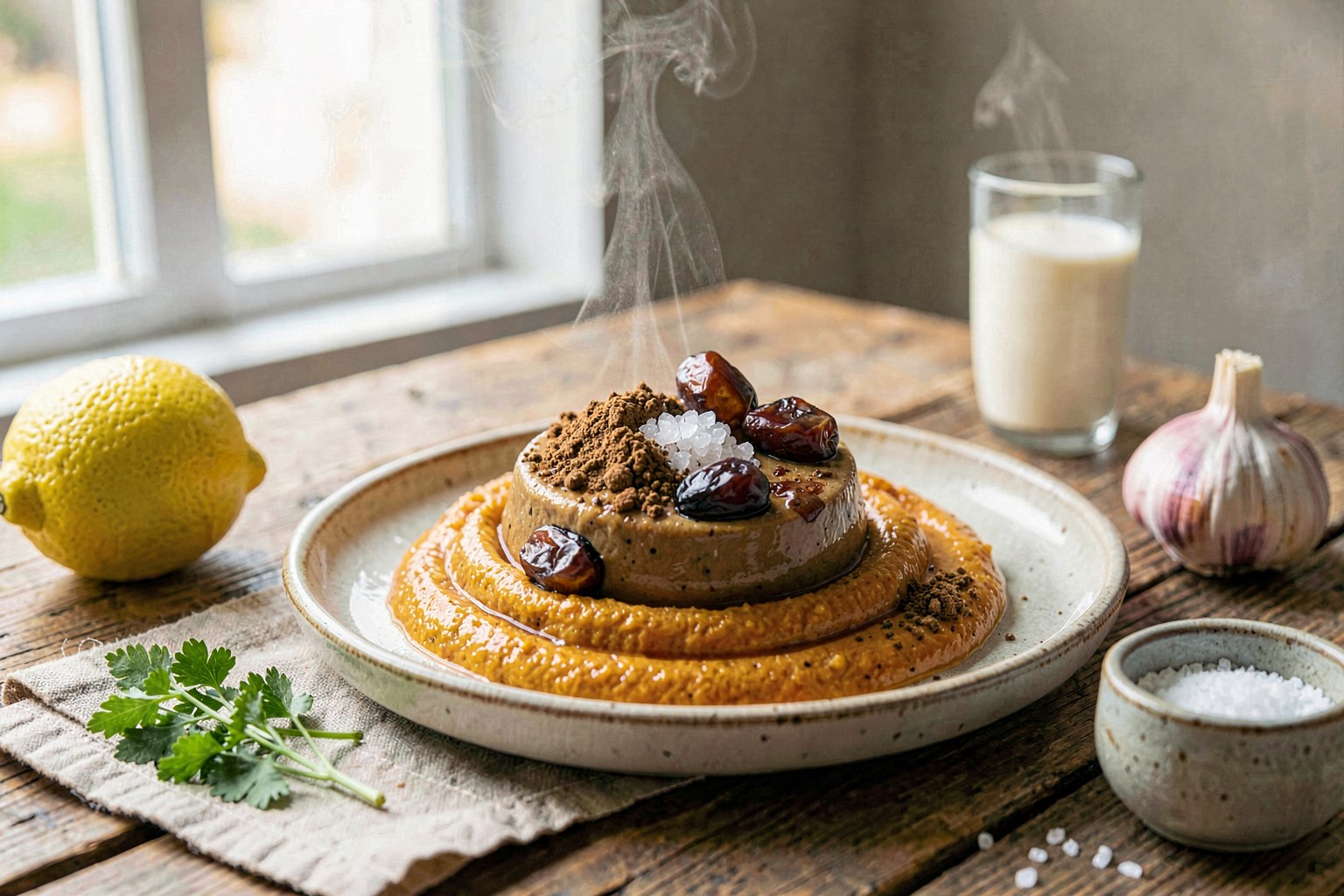
A sophisticated, warm dessert-dinner featuring a velvety puree of dried lucuma fruit, rich in maple-like notes and beta-carotene, paired with a potent, bitter cacao or coffee elixir. This dish transforms the traditional Peruvian sweet into a polyphenol-dense, low-glycemic experience that honors the Andean earth without spiking blood sugar.
A little context
In the high Andes, lucuma has been revered for centuries as a superfood, often dried and ground for its earthy, caramel-like flavor. Traditional preparations often involve heavy sugar, but this version strips away the refined sweeteners to let the fruit's natural complexity shine, paired with the bitter, awakening properties of cacao or coffee that were historically consumed for energy and ritual. We honor the tradition by using authentic dried lucuma powder and sourcing organic, single-origin ingredients, ensuring the dish remains a true expression of Peruvian heritage.
The longevity story
Lucuma provides a unique source of beta-carotene and zinc, supporting skin integrity and immune function, while its natural sweetness comes with a low glycemic index compared to sucrose. The 'amargo' component delivers high concentrations of flavonoids and polyphenols from dark cacao (70%+) or robust coffee, which combat oxidative stress and support mitochondrial health. By eliminating refined sugar and using only whole fruit or minimal raw honey, this meal avoids insulin spikes, making it suitable for longevity-focused protocols like Blueprint.
Method
- 01
Prepare the Lucuma Base
In a high-speed blender, combine the sifted organic lucuma powder, soaked and pitted dates, warm almond milk, cinnamon, and sea salt. Blend on high for 60-90 seconds until the mixture is completely silky and the dates have fully dissolved. If the mixture is too thick, add 30ml more milk; if too thin, add a few more soaked dates. Taste and adjust sweetness only if necessary with a drop of maple syrup, though the dates should be sufficient.
- 02
Simmer the Elixir
While the base blends, bring the coffee (or water for chocolate version) to a gentle simmer in a small saucepan. If making the chocolate version, whisk in the unsweetened cacao powder and a pinch of salt until fully dissolved. If using coffee, simply bring to a warm serving temperature. Add the raw honey now only if the bitterness is overwhelming, stirring gently to preserve the enzymes.
- 03
Strain and Chill (Optional)
For the ultimate 'Blueprint' texture, pass the lucuma puree through a fine-mesh sieve into a serving bowl to catch any date skins or powder clumps. This dish can be served warm or at room temperature; for a cooler texture, let it rest in the fridge for 15 minutes, but do not freeze as the texture may separate.
- 04
Plate the Dish
Spoon the thick, golden-orange lucuma cream into four shallow bowls or wide-rimmed cups. The consistency should be like a thick custard. Ensure the bowls are presented on a clean surface to highlight the vibrant color of the fruit.
- 05
Serve with the Amargo
Pour the hot, bitter coffee or chocolate elixir into small demitasse cups or small glasses. Serve immediately alongside the lucuma cream. The contrast is key: the diner takes a spoonful of the sweet, earthy cream, followed by a sip of the bitter, polyphenol-rich elixir.
- 06
Garnish and Finish
Top each bowl of lucuma cream with dark chocolate shavings and a tear of fresh organic mint. Serve immediately while the elixir is still hot and the cream is velvety.
Nutrition facts
Per serving · 1 of 4- — Saturated
- 0 g
- — Polyunsaturated
- 1 g
- Carbohydrates
- 7 g
- — Fiber
- 2 g
- — Sugars
- 3 g
- Cholesterol
- 0 mg
- Sodium
- 638 mg
- Potassium
- 473 mg
Estimated from USDA FoodData Central for matched ingredients (60% ingredient coverage). Values vary with brand, preparation, and exact measurements.
Pro tips
- ✦Source your lucuma powder from Peru to ensure authenticity; look for '100% pure fruit' on the label with no added maltodextrin or cane sugar.
- ✦When selecting dates, choose Medjools that are glossy and pliable; if they are rock hard, the soaking time must be extended to 30 minutes in hot water.
- ✦For the bitter component, use a single-origin dark roast coffee or a ceremonial grade cacao; the quality of the bitterness dictates the health benefit.
- ✦Do not boil the honey; add it at the end of heating the elixir to preserve its natural enzymes and antioxidants.
- ✦If the lucuma cream separates after sitting, simply give it a quick 10-second blend or whisk to re-emulsify.
Substitutions
- almond milk → macadamia milk or coconut milk (canned, full fat, shaken well) (macadamia adds healthy monounsaturated fats; coconut adds a tropical note but may alter the flavor profile slightly.)
- coffee → roasted dandelion root tea or chicory root coffee (excellent caffeine-free alternatives that still provide a bitter, earthy profile and prebiotic fiber.)
- Medjool dates → 1 tbsp pure maple syrup or 2 tbsp monk fruit syrup (use sparingly as dates provide fiber and bulk that liquid sweeteners lack.)
Storage
Store the lucuma cream in an airtight glass container in the fridge for up to 3 days. The amargo elixir is best fresh but can be refrigerated for 24 hours and reheated gently. Do not freeze the cream as the texture may become grainy.
What to serve with it
- Matcha latte (unsweetened)
- Sparkling water with a twist of bitter orange
- A small glass of dry red wine (high in resveratrol)
- Fermented ginger tea
FAQ
Is lucuma considered a high-sugar fruit?+
Lucuma has a low glycemic index (around 25) compared to table sugar. While it contains natural sugars, the fiber and nutrient matrix slow absorption, making it safe for low-glycemic protocols when used in moderation.
Can I make this completely sweetener-free?+
Yes, if you use very ripe Medjool dates and high-quality lucuma powder, the natural sweetness is often sufficient. The bitterness of the amargo balances the dish without needing added sweeteners.
Why is the coffee called 'amargo'?+
In Andean tradition, 'amargo' refers to the bitter, medicinal quality of the brew, which is believed to aid digestion and provide a clean energy boost without the crash associated with sugary coffee drinks.
Share this recipe
Notes from the community
Sign in to leave a note.
No notes yet — be the first.
You might also like