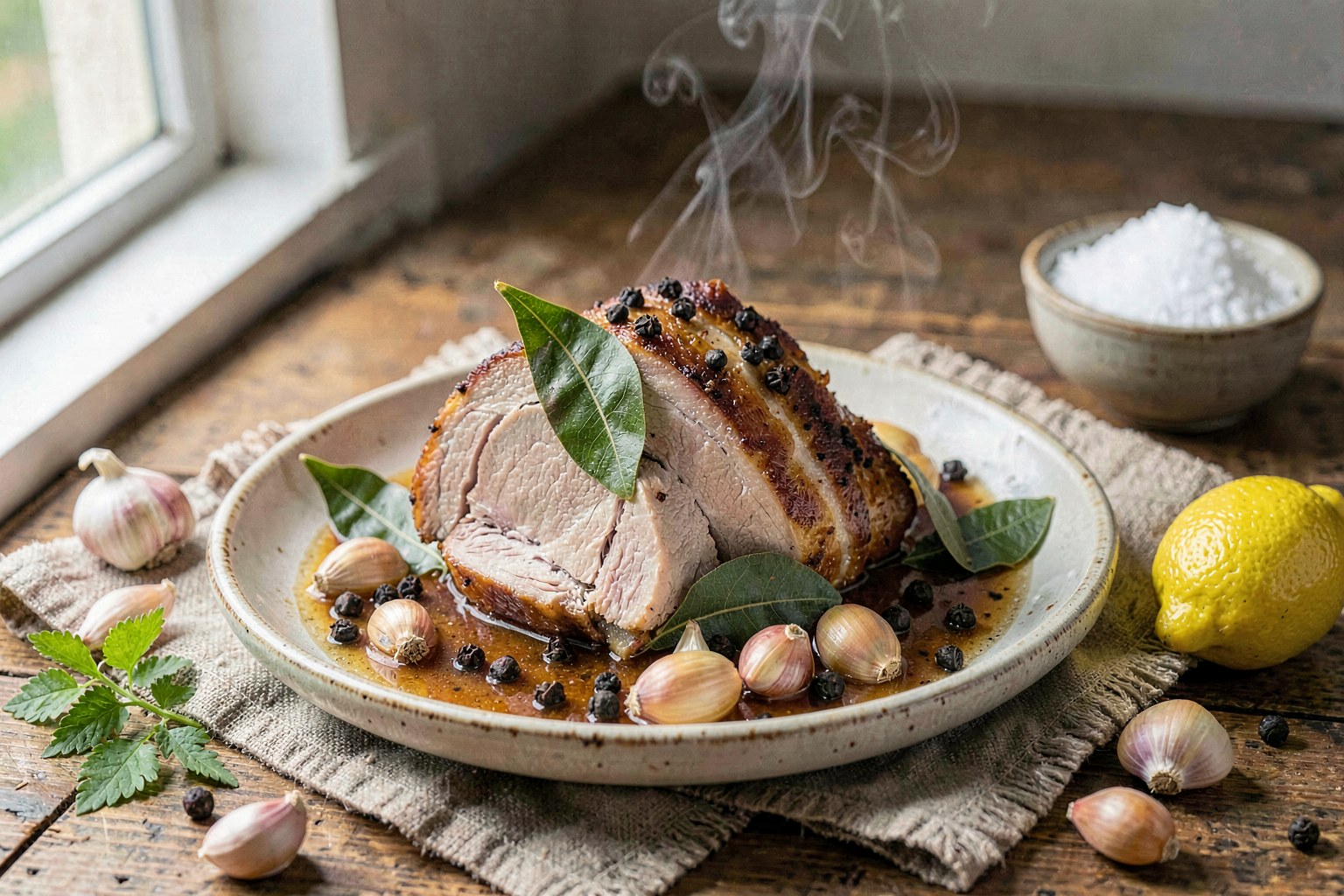
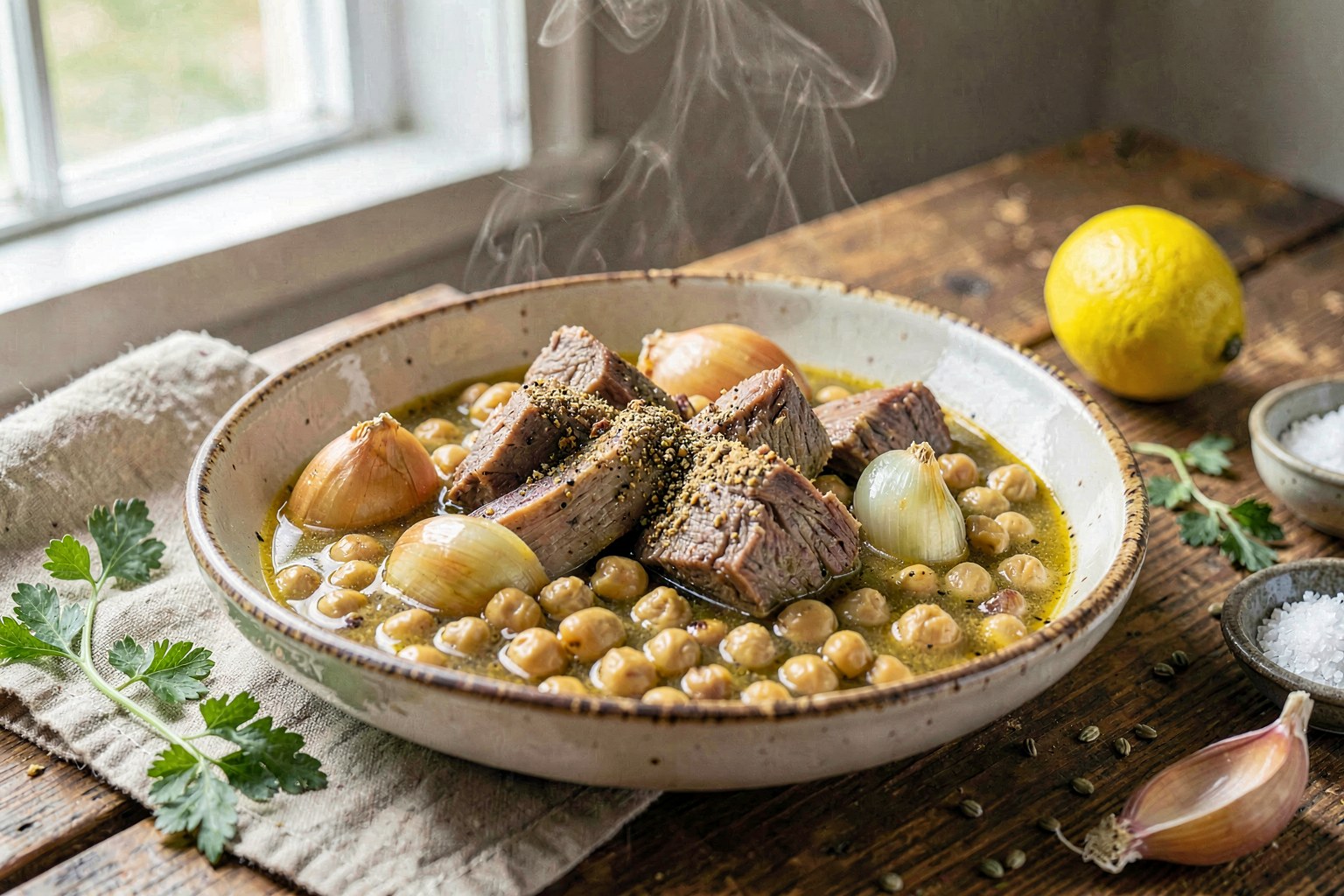
Slow-Simmered Lamb & Chickpea Shorba with Toasted Cumin
This is the Levantine comfort bowl: a rich, golden broth built on grass-fed lamb shank, creamy chickpeas, and a deep infusion of toasted cumin and coriander. Finished with a bright splash of fresh lemon juice and a generous drizzle of extra-virgin olive oil, it tastes like a slow afternoon in the garden—savory, warming, and deeply nourishing without a grain of refined sugar or a drop of seed oil.
A little context
Shorba is the heartbeat of Levantine home cooking, traditionally a restorative broth served to heal the body after illness or during cold winters. In this version, we honor the ancient method of slow-cooking but strictly exclude the modern shortcuts of processed bouillon cubes and refined vegetable oils that often dilute the dish's potency. Instead, we rely on the natural sweetness of the lamb bones and caramelized onions, avoiding any added sugar or seed oils to keep the flavor profile pure and bioavailable.
The longevity story
The health power here lies in the synergy of ingredients: grass-fed lamb provides high-quality protein, heme iron, and conjugated linoleic acid (CLA), while chickpeas offer resistant starch and fiber that support the gut microbiome. The dish is heavily fortified with polyphenols from the extra-virgin olive oil (hydroxytyrosol) and the spice blend (cumin and coriander), which act as potent anti-inflammatory agents. The long, slow simmer breaks down connective tissue into gelatin, supporting joint health and gut lining integrity, while the fresh lemon juice boosts iron absorption from the plant components.
Method
- 01
Toast and grind the spices
Heat a small dry skillet over medium heat. Add cumin and coriander seeds. Toast for 2–3 minutes, shaking the pan constantly, until fragrant and slightly darker. Immediately transfer to a mortar and pestle or spice grinder and crush to a coarse powder. Set aside.
- 02
Sear the lamb
Pat the grass-fed lamb shank chunks very dry with paper towels. Season generously with sea salt and the black pepper. Heat 2 tablespoons of extra-virgin olive oil in your Dutch oven over medium-high heat. Sear the lamb in batches until deeply browned on all sides (about 3-4 minutes per side). Remove lamb and set aside. Do not crowd the pan.
- 03
Sweat the aromatics
Reduce heat to medium. Add the remaining 2 tablespoons of olive oil to the pot. Add the diced onions and a pinch of salt. Sauté for 6–8 minutes until the onions are soft, translucent, and just beginning to caramelize. Add the smashed garlic and cook for 1 more minute until fragrant.
- 04
Deglaze and combine
Pour in a splash of the filtered water to deglaze the pot, scraping up any browned bits (fond) from the bottom with a wooden spoon. Return the seared lamb and any accumulated juices to the pot. Stir in the freshly ground spice mix.
- 05
Simmer the broth
Add the soaked, drained chickpeas and the remaining filtered water. Bring to a boil, then immediately reduce the heat to low. Cover with a tight-fitting lid and simmer gently for 45–60 minutes, or until the lamb is fork-tender and the chickpeas are creamy. Skim off any excess foam or fat that rises to the surface during the first 15 minutes.
- 06
Finish and serve
Taste the broth and adjust salt if necessary. Remove from heat. Stir in the fresh lemon juice and half of the chopped parsley. Ladle into deep bowls and garnish with the remaining parsley. Serve immediately while hot.
Nutrition facts
Per serving · 1 of 4- — Saturated
- 3 g
- — Polyunsaturated
- 5 g
- Carbohydrates
- 34 g
- — Fiber
- 9 g
- — Sugars
- 7 g
- Cholesterol
- 0 mg
- Sodium
- 234 mg
- Potassium
- 479 mg
Estimated from USDA FoodData Central for matched ingredients (64% ingredient coverage). Values vary with brand, preparation, and exact measurements.
Pro tips
- ✦Source your lamb shanks from a local butcher who can confirm the animal was grass-fed and pasture-raised; the fat will be richer in CLA and Omega-3s.
- ✦Toasted spices lose potency quickly; always toast and grind them just before cooking for maximum flavor and antioxidant activity.
- ✦If the broth looks too oily after cooling, skim the solidified fat from the top; if serving hot, a little fat is desirable for satiety and nutrient absorption.
- ✦Select a high-quality extra-virgin olive oil with a 'harvest date' on the bottle to ensure high polyphenol content, which is crucial for the anti-inflammatory profile.
- ✦Do not skip soaking the dried chickpeas; this reduces cooking time and makes them significantly easier to digest by breaking down complex sugars.
Shop this recipe
As an Amazon Associate we earn from qualifying purchases.
Substitutions
- grass-fed lamb shank → pasture-raised beef shank or oxtail (Beef offers a similar collagen profile and rich flavor, though the cooking time may need a slight adjustment.)
- dried chickpeas → canned organic chickpeas (Rinse thoroughly to remove the canning liquid; add them in the last 20 minutes of cooking to prevent mushiness.)
Storage
Store in a glass container in the refrigerator for up to 4 days. The flavors deepen overnight. Freeze in portioned glass jars for up to 3 months; leave 2cm of headspace for expansion.
What to serve with it
- Serve with a side of warm, sprouted flatbread or a simple salad of arugula and radishes dressed in lemon.
- Drink alongside a cup of high-quality green tea or sparkling water with a slice of lemon to aid digestion.
- A small glass of dry red wine (low sulfite) pairs well with the earthy cumin notes.
FAQ
Why is there no tomato in this version of Shorba?+
While many Levantine versions use tomato paste or fresh tomatoes, this specific garden-style shorba focuses on the clarity of the broth and the depth of the lamb and spices. Tomatoes add acidity that can sometimes clash with the delicate lemon finish, but you can add 200g of diced fresh tomatoes if you prefer a heartier, red broth.
Can I make this in a pressure cooker?+
Yes. After searing and sautéing, cook on high pressure for 25 minutes with a natural release. This retains more heat-sensitive nutrients and saves time, though the traditional open-pot simmer allows for more evaporation and flavor concentration.
Share this recipe
Notes from the community
Sign in to leave a note.
No notes yet — be the first.
You might also like