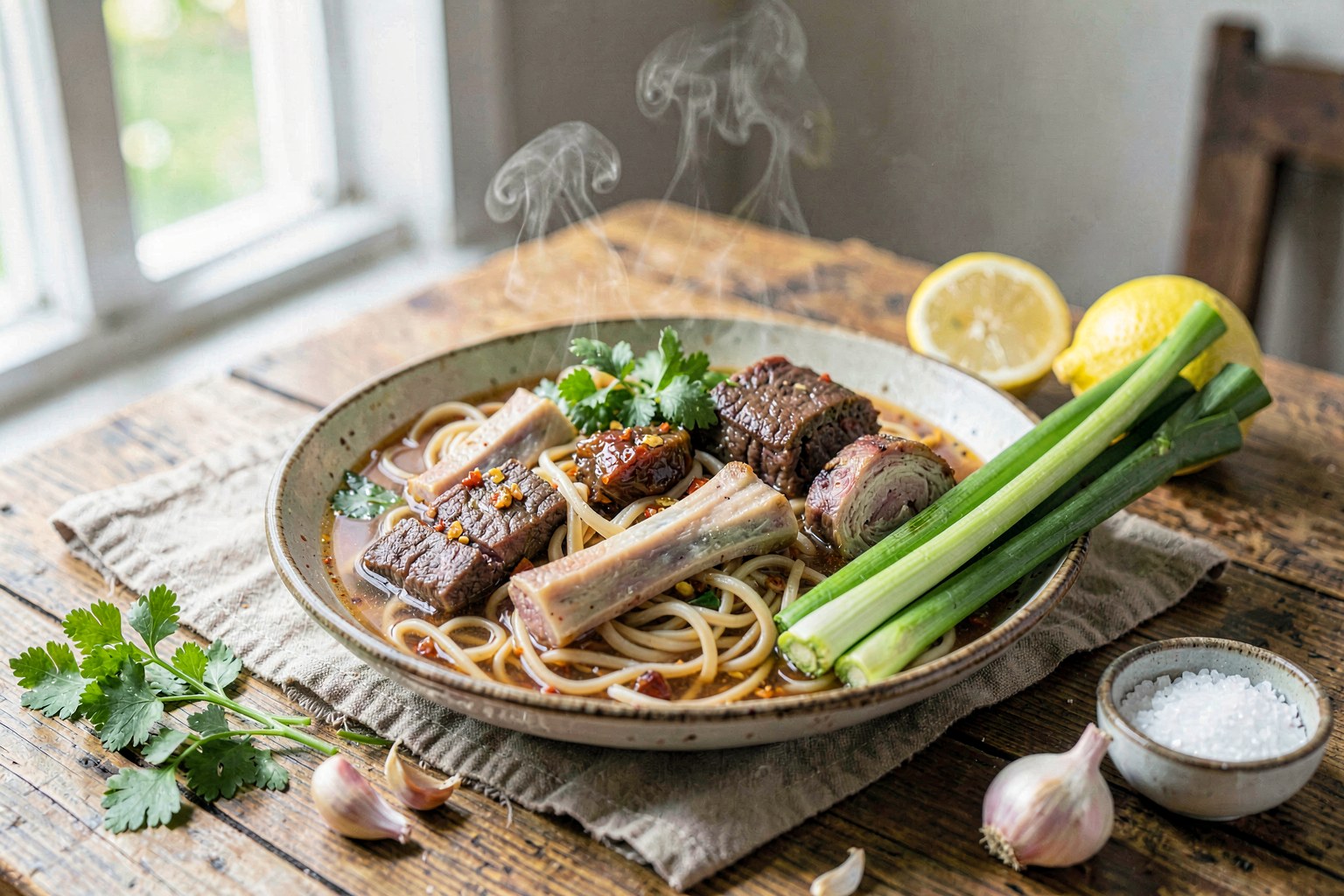
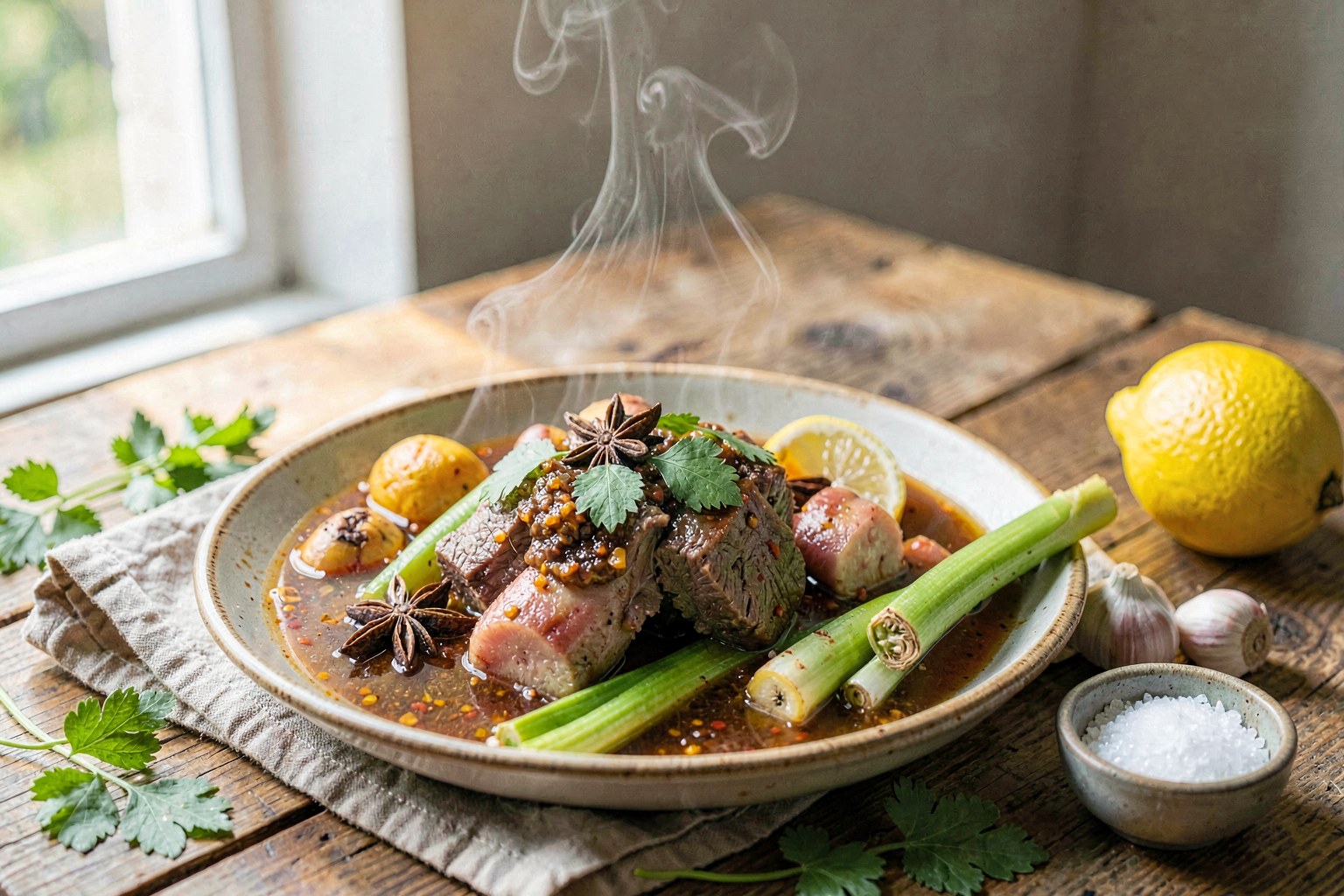
Sild och Gulpotatis: Nordic Clean Herring & Gold Potatoes
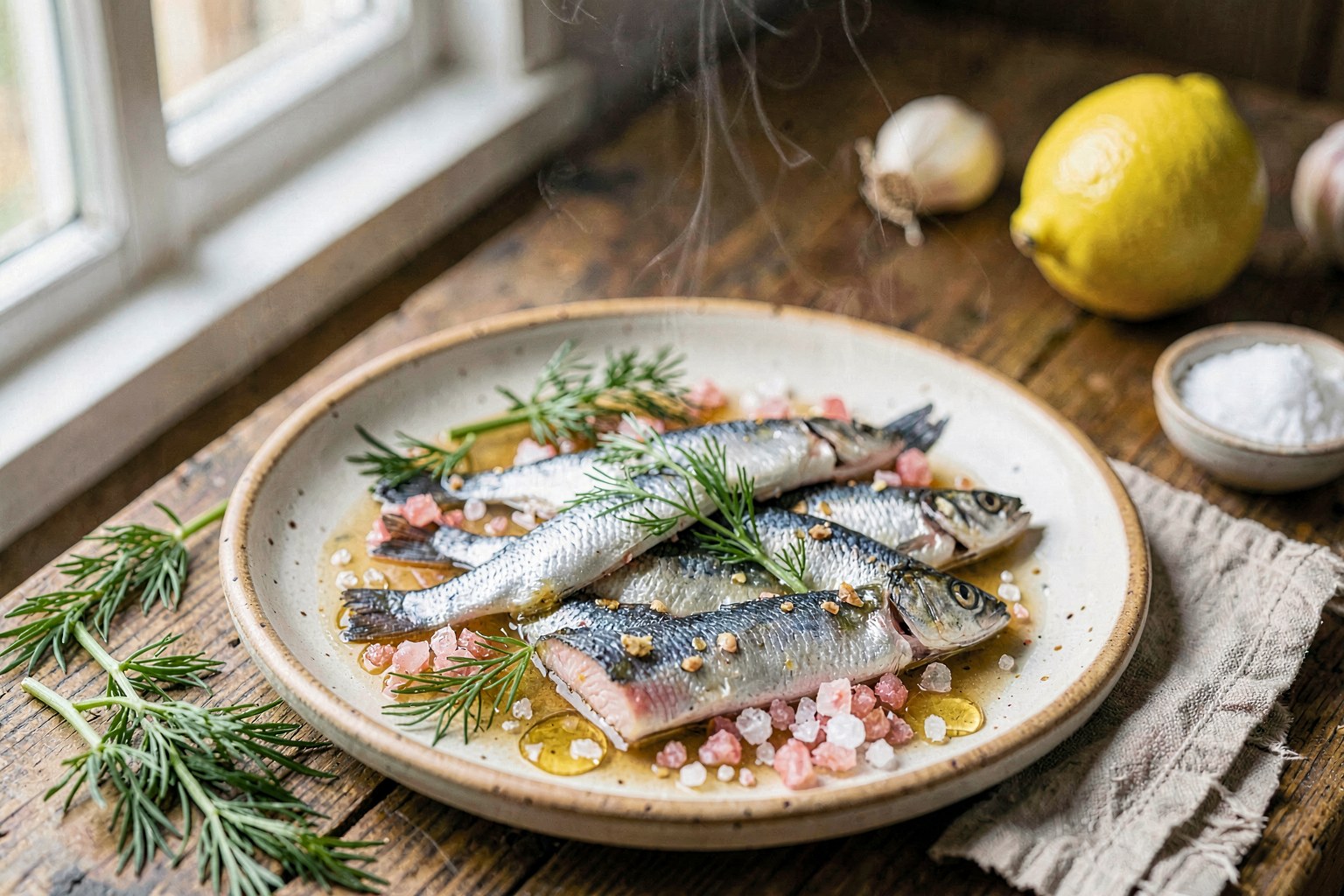
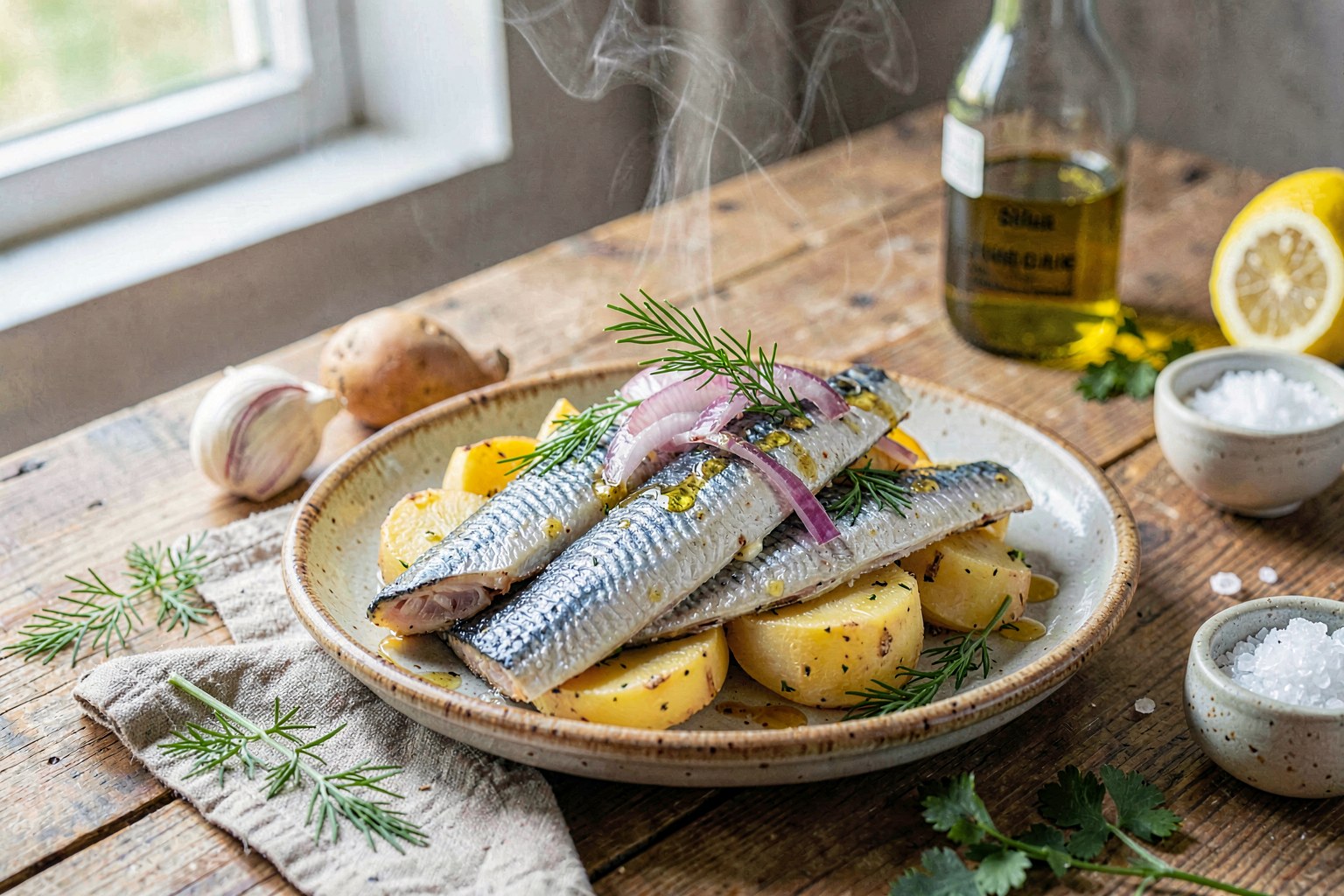
Thinly sliced, wild-caught herring rests atop creamy, slow-boiled yellow potatoes, accented by sharp raw red onion, fresh dill, and a drizzle of high-phenol extra-virgin olive oil. This dish captures the briny, umami-rich essence of a Swedish midsummer table while adhering strictly to longevity principles, eliminating refined sugars and seed oils entirely. It is a nutrient-dense, savory lunch that delivers a powerful dose of omega-3s and polyphenols in under an hour.
A little context
Rooted in the Swedish tradition of 'Sill' served during festive gatherings, this version honors the original by keeping the herring simply cured and the potatoes unpeeled for maximum nutrient retention. Traditional recipes often call for significant amounts of white sugar in the pickling brine, which we have entirely omitted, relying instead on the natural sweetness of ripe onions and a touch of raw honey if absolutely necessary for balance. We also substitute the industrial seed oils often used in commercial dressings with cold-pressed extra-virgin olive oil, ensuring the dish remains a true celebration of farm-fresh, whole ingredients.
The longevity story
This meal is engineered for cellular health, leveraging wild-caught herring as a primary source of long-chain omega-3 fatty acids (EPA and DHA) essential for reducing systemic inflammation and supporting brain function. The raw red onion and fresh dill provide quercetin and sulfur compounds that support detoxification pathways, while the high-phenol extra-virgin olive oil adds oleocanthal, a natural anti-inflammatory agent. By replacing traditional sugar-heavy pickling brines with a clean vinegar and herb infusion, we preserve the gut-friendly fermentation benefits of the fish without spiking blood glucose or introducing ultra-processed additives.
Method
- 01
Prepare the Sugar-Free Brine
In a small saucepan, combine the apple cider vinegar, raw honey, and sea salt. Warm gently over low heat just until the honey and salt dissolve; do not boil. Remove from heat and let cool completely to room temperature.
- 02
Cure the Herring
Place the wild-caught herring fillets in a shallow glass dish or jar. Pour the cooled brine over the fish, ensuring it is fully submerged. Cover and refrigerate for 30–45 minutes. This short cure enhances the texture and flavor without the need for long-term heavy salting or sugar content.
- 03
Boil the Potatoes
While the fish cures, place the scrubbed, halved yellow potatoes in the wide saucepan. Cover with cold water by 2 inches and add a generous pinch of sea salt. Bring to a boil, then reduce to a gentle simmer. Cook for 20–25 minutes until a knife slides easily into the center but the potatoes hold their shape.
- 04
Cool the Potatoes
Drain the potatoes and spread them on a clean kitchen towel or baking sheet to cool to room temperature. Cooling them slightly prevents them from becoming mushy when dressed and mimics the traditional 'gulpotatis' texture.
- 05
Slice and Marinate Onions
Using a mandoline or sharp knife, slice the red onion into paper-thin rings. Place them in a small bowl and drizzle with a teaspoon of the lemon juice and a pinch of salt. Let them sit for 10 minutes to mellow the bite while retaining their crunch.
- 06
Assemble the Fish
Remove the herring from the brine and pat dry gently. Using a sharp knife, slice the fillets thinly on a bias. Arrange the slices in a single layer or slightly overlapping on a serving platter.
- 07
Dress the Potatoes
While the potatoes are still slightly warm (not hot), toss them gently with half of the extra-virgin olive oil, half of the chopped dill, and a squeeze of fresh lemon juice. The warmth helps the oil absorb into the skin.
- 08
Plate and Garnish
Arrange the dressed potatoes in a bed on the serving platter. Top with the cured herring slices. Scatter the marinated red onion rings and remaining fresh dill over the top. Finish with a generous drizzle of the remaining high-phenol olive oil and a final grind of black pepper.
- 09
Rest and Serve
Allow the dish to rest for 5–10 minutes before serving to let the flavors meld. Serve immediately at room temperature or slightly cool, never cold, to maximize the aroma of the dill and the texture of the fish.
Nutrition facts
Per serving · 1 of 4- — Saturated
- 4 g
- — Polyunsaturated
- 1 g
- Carbohydrates
- 42 g
- — Fiber
- 4 g
- — Sugars
- 4 g
- Cholesterol
- 0 mg
- Sodium
- 942 mg
- Potassium
- 761 mg
Estimated from USDA FoodData Central for matched ingredients (78% ingredient coverage). Values vary with brand, preparation, and exact measurements.
Pro tips
- ✦Source your herring from MSC-certified fisheries or a trusted local fishmonger who can guarantee the fish is wild-caught; farmed herring often has a less favorable fatty acid profile.
- ✦When buying potatoes, look for firm, unblemished tubers with smooth skin; avoid any with green tints which indicate solanine toxicity.
- ✦For the olive oil, choose a bottle that specifies 'high polyphenol' or 'cold-pressed' and check the harvest date; oil is a fresh fruit juice and degrades quickly.
- ✦If using a mandoline, always use the hand guard to protect your fingers; the thinness of the onion is critical for the texture.
- ✦Do not skip the step of cooling the potatoes slightly before dressing; boiling hot potatoes will absorb too much oil and turn mushy.
Shop this recipe
As an Amazon Associate we earn from qualifying purchases.
Substitutions
- wild-caught Atlantic herring → wild-caught mackerel or sardines (similar high omega-3 profile and firm texture; adjust brining time to 20 minutes as these fish are oilier)
- yellow potatoes → fingerling potatoes or baby red potatoes (ensure they are waxy varieties to hold their shape; scrub thoroughly)
- raw honey → monk fruit syrup or date paste (use 1:1 ratio for sweetening the brine if avoiding all animal products or strict glycemic control)
Storage
Store in an airtight glass container in the refrigerator for up to 2 days. The potatoes may absorb more brine over time, which is desirable. Do not freeze, as the texture of the raw onion and fresh dill will degrade significantly.
What to serve with it
- Green tea (sencha or gyokuro) to complement the fish without overpowering the delicate dill
- Sparkling water with a slice of cucumber and lemon
- A dry, mineral-rich white wine like a Swedish 'Torkel' or a French 'Muscadet'
- Fresh fermented cabbage or sauerkraut on the side for extra probiotics
FAQ
Why do we use raw onions instead of pickled?+
Raw onions retain higher levels of quercetin and sulfur compounds that are often diminished during the pickling process, maximizing the anti-inflammatory benefit.
Can I make this ahead of time?+
Yes, you can cure the herring and boil the potatoes up to 24 hours in advance. Assemble the dish just before serving to keep the dill fresh and the onions crisp.
Is this dish too salty?+
We use a controlled brine with sea salt rather than relying on pre-salted commercial herring. If you are sodium-sensitive, rinse the fish briefly before plating.
Share this recipe
Notes from the community
Sign in to leave a note.
No notes yet — be the first.
You might also like