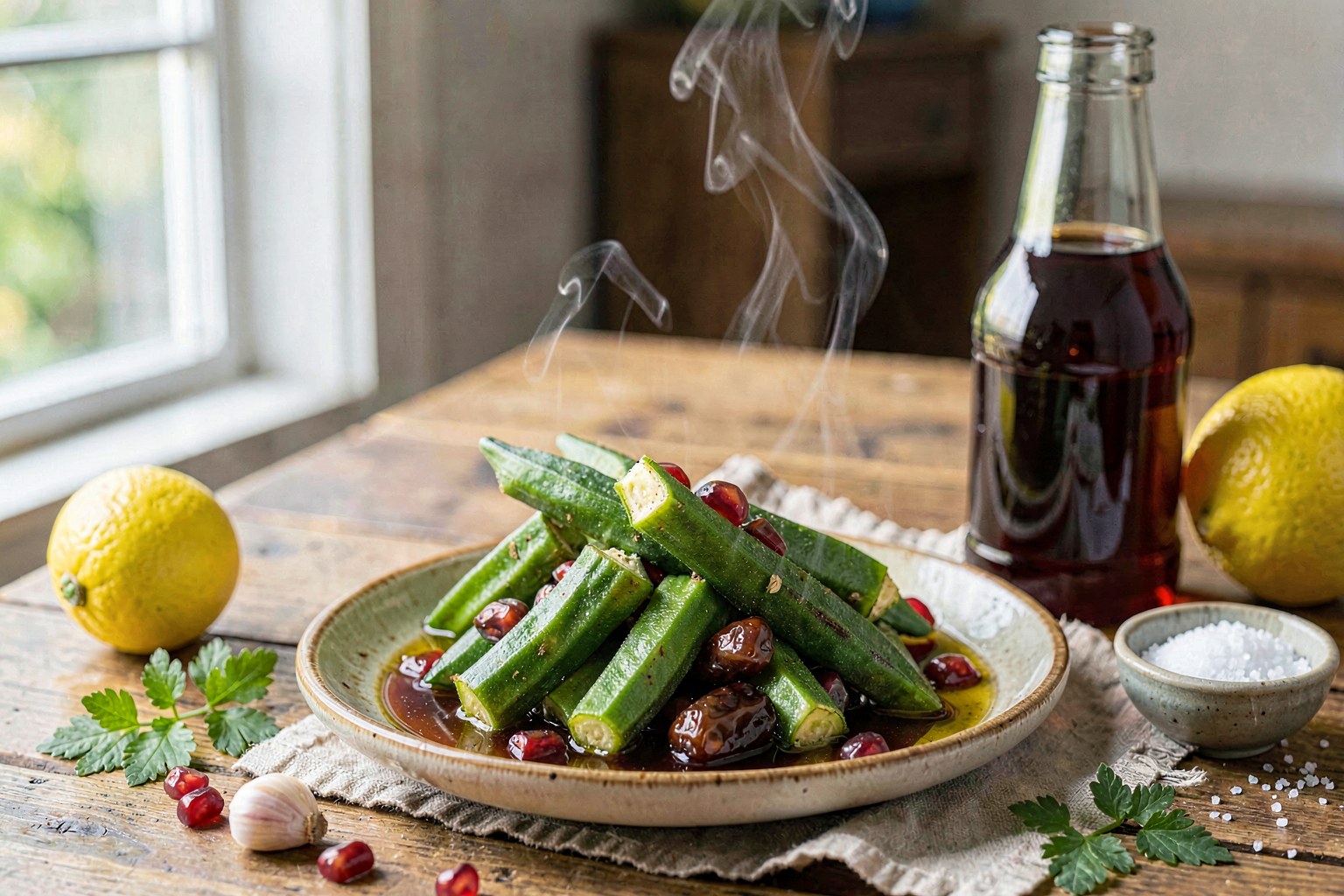
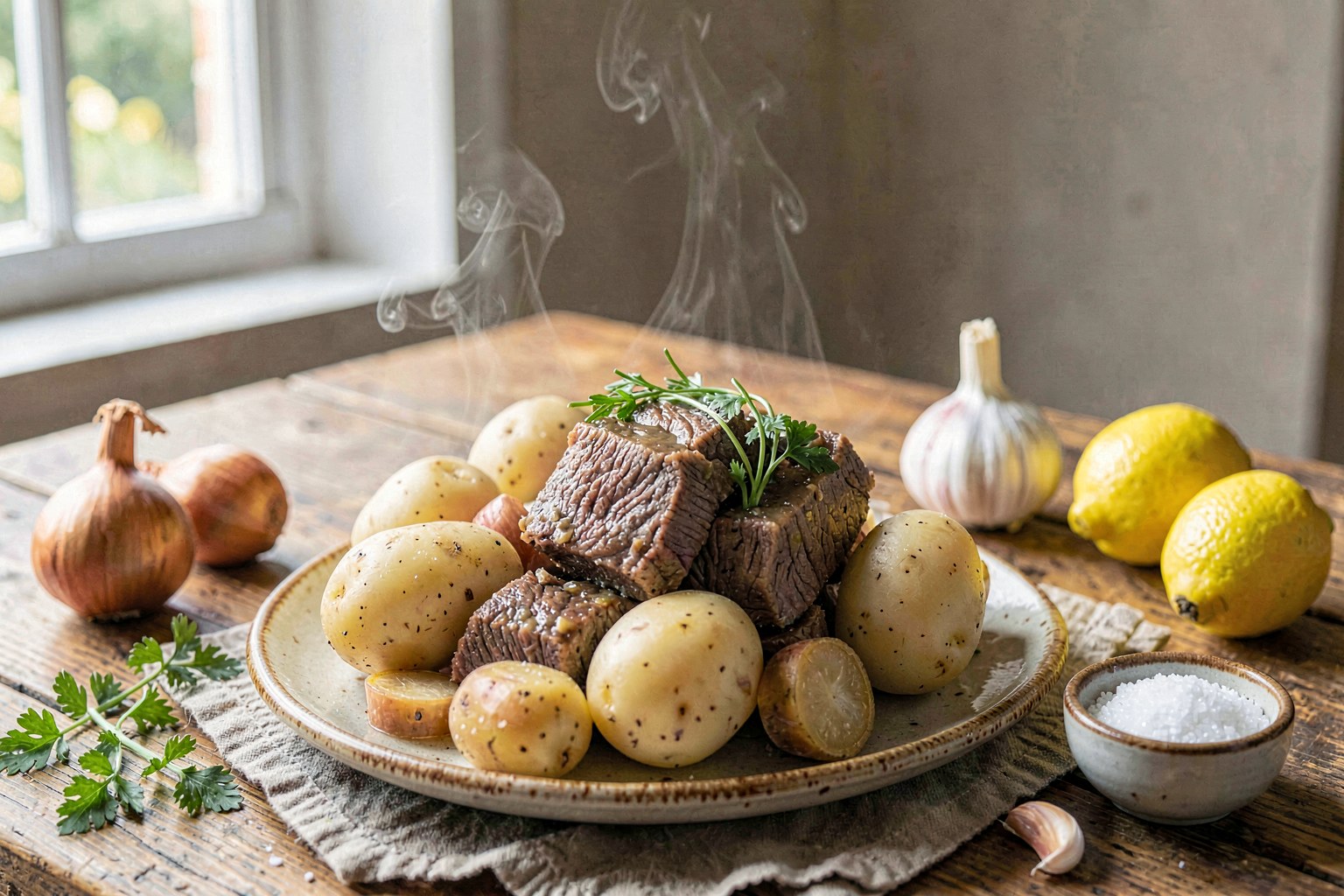
Sopa Seca de Papa y Chuno: Andean Beef & Ancient Potato Stew
A hearty, rustic stew celebrating the high-altitude resilience of the Andes, combining tender grass-fed beef, creamy white potatoes, and the unique, nutty texture of chuno (freeze-dried potatoes). This dish delivers deep, savory umami without seed oils or refined sugars, relying on extra-virgin olive oil and fresh aromatics for richness.
A little context
Originating from the high Andes of Peru, this dish was historically designed to sustain herders through freezing nights using preserved ingredients like chuno. We honor this tradition by strictly avoiding modern industrial shortcuts: we substitute the traditional lard or seed oils with cold-pressed extra-virgin olive oil and replace any commercial bouillon with a slow-simmered bone broth. The sweetness of caramelized onions is achieved solely through slow cooking, eliminating the need for the sugar often added in contemporary adaptations.
The longevity story
This stew is a nutrient-dense powerhouse anchored by grass-fed beef, which provides high-quality protein, creatine, and a superior omega-3 to omega-6 ratio compared to grain-fed alternatives. The inclusion of chuno (freeze-dried potatoes) offers prebiotic resistant starch that supports gut microbiome diversity, while the generous use of extra-virgin olive oil and fresh garlic delivers potent polyphenols like oleocanthal and allicin for systemic inflammation reduction. Fresh cilantro and cumin add further antioxidant capacity, making this a meal that fuels longevity rather than just filling the stomach.
Method
- 01
Rehydrate the Chuno
Place the dried chuno in a bowl and cover with warm water. Let sit for 20 minutes until soft but still holding their shape. Drain thoroughly in a fine-mesh sieve and set aside. This step unlocks the unique, slightly chewy texture and resistant starch.
- 02
Sear the Beef
Pat the grass-fed beef cubes completely dry with paper towels and season generously with sea salt. Heat 30 ml (2 tbsp) of extra-virgin olive oil in a heavy Dutch oven over medium-high heat. Sear the beef in batches until a deep brown crust forms on all sides, about 3-4 minutes per batch. Do not overcrowd the pan. Remove beef and set aside on a plate.
- 03
Sauté Aromatics
Reduce heat to medium. Add the remaining 30 ml (2 tbsp) of EVOO to the pot. Add the diced onions and a pinch of salt. Sauté gently for 8-10 minutes until the onions are soft and translucent, but not browned. Add the minced garlic, cumin, and paprika, cooking for another 1 minute until fragrant.
- 04
Deglaze and Simmer
Return the seared beef and any accumulated juices to the pot. Pour in the grass-fed beef bone broth, scraping the bottom of the pot to release the flavorful browned bits (fond). Bring to a boil, then immediately reduce heat to low, cover, and simmer gently for 30 minutes.
- 05
Add Potatoes
Stir in the fresh white potatoes and the rehydrated chuno. Cover and continue to simmer for another 15-20 minutes, or until the potatoes are fork-tender and the stew has thickened to a rich, spoon-coating consistency. The chuno will absorb some broth, thickening the sauce naturally.
- 06
Rest and Serve
Remove from heat. Let the stew rest for 5 minutes to allow flavors to meld and the texture to settle. Stir in half of the chopped fresh cilantro. Ladle into warm bowls and garnish with the remaining cilantro. Serve immediately.
Nutrition facts
Per serving · 1 of 4- — Saturated
- 11 g
- — Polyunsaturated
- 3 g
- Carbohydrates
- 28 g
- — Fiber
- 4 g
- — Sugars
- 4 g
- Cholesterol
- 138 mg
- Sodium
- 587 mg
- Potassium
- 1190 mg
Estimated from USDA FoodData Central for matched ingredients (70% ingredient coverage). Values vary with brand, preparation, and exact measurements.
Pro tips
- ✦Sourcing Tip: Look for 'grass-fed' and 'finished on grass' on the beef label; grain-finished beef has a different fat profile and lower omega-3 content.
- ✦Chuno Handling: Chuno can be gritty if not rinsed well after rehydration; give it a quick rinse under cold water before draining.
- ✦Oil Quality: Since EVOO is the primary fat, invest in a high-polyphenol brand; the bitterness in the oil is a sign of freshness and antioxidants.
- ✦Texture Control: If the stew is too thick after adding the potatoes, add a splash of hot water or broth. If too thin, simmer uncovered for 5 more minutes.
Shop this recipe
As an Amazon Associate we earn from qualifying purchases.
Substitutions
- grass-fed beef chuck → pasture-raised lamb shoulder (Lamb is traditional in some Andean regions and offers a similar rich flavor profile.)
- chuno → additional white potatoes (While you lose the unique texture and resistant starch of chuno, the dish remains delicious.)
Storage
Store in a glass container in the refrigerator for up to 4 days. The flavors often improve on day 2. Freeze in portioned glass jars or BPA-free containers for up to 3 months; thaw overnight in the fridge.
What to serve with it
- Serve with a side of steamed quinoa or a simple green salad dressed with lemon juice and EVOO.
- Drink alongside a glass of dry red wine (like a Malbec or Pinot Noir) or unsweetened hibiscus tea.
- A small glass of sparkling water with a squeeze of lime cleanses the palate between bites.
FAQ
Can I use regular potatoes instead of chuno?+
Yes, you can substitute with more fresh potatoes, but chuno provides a unique nutty flavor and prebiotic resistant starch that fresh potatoes lack. If using only fresh potatoes, add a tablespoon of chia seeds or flax to mimic the thickening effect.
Why is the stew thickening so much?+
The chuno and the starch from the potatoes naturally thicken the broth as they cook. This is desired; it should be 'sopa seca' (dry soup), meaning the liquid is mostly absorbed by the ingredients.
Share this recipe
Notes from the community
Sign in to leave a note.
No notes yet — be the first.
You might also like