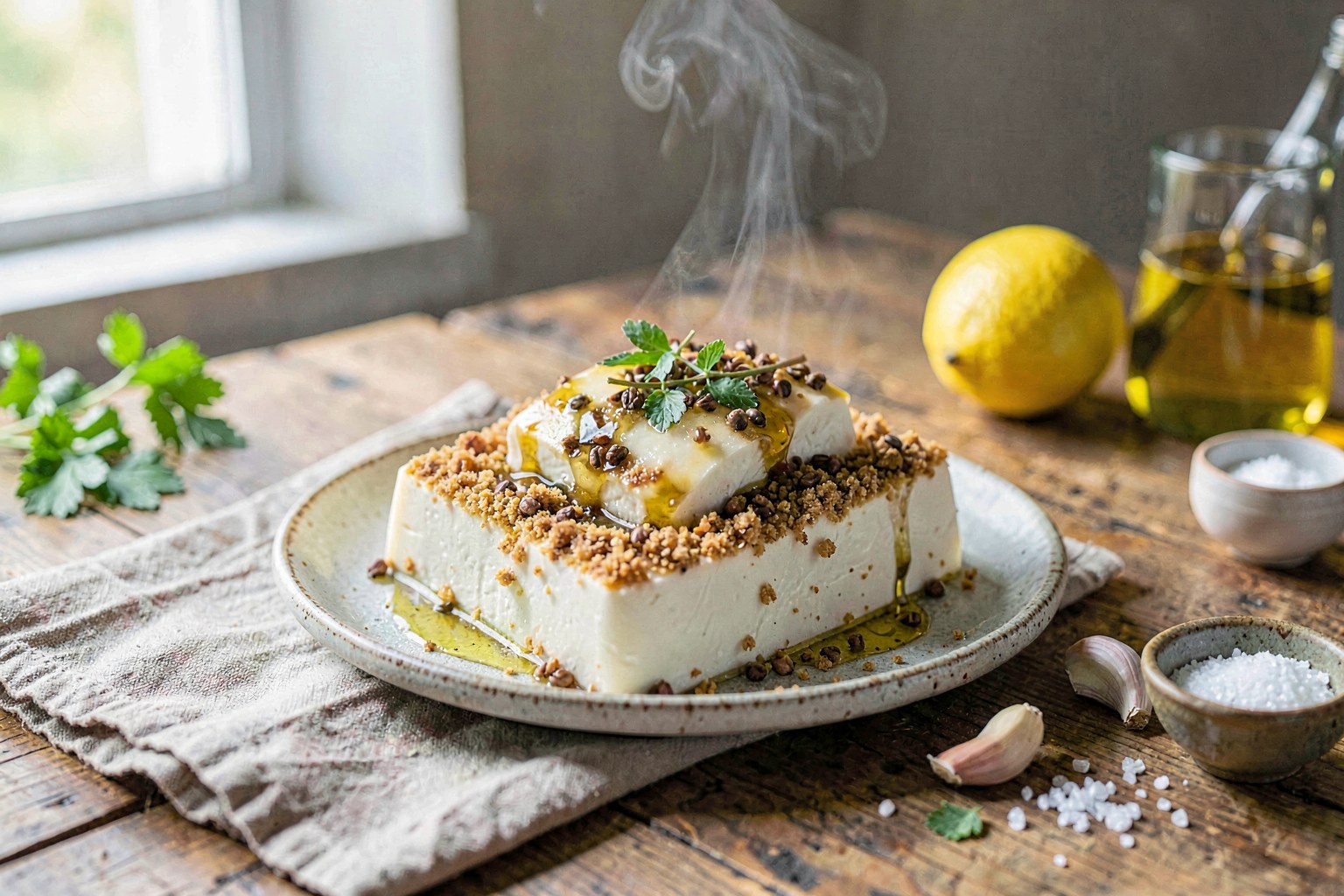
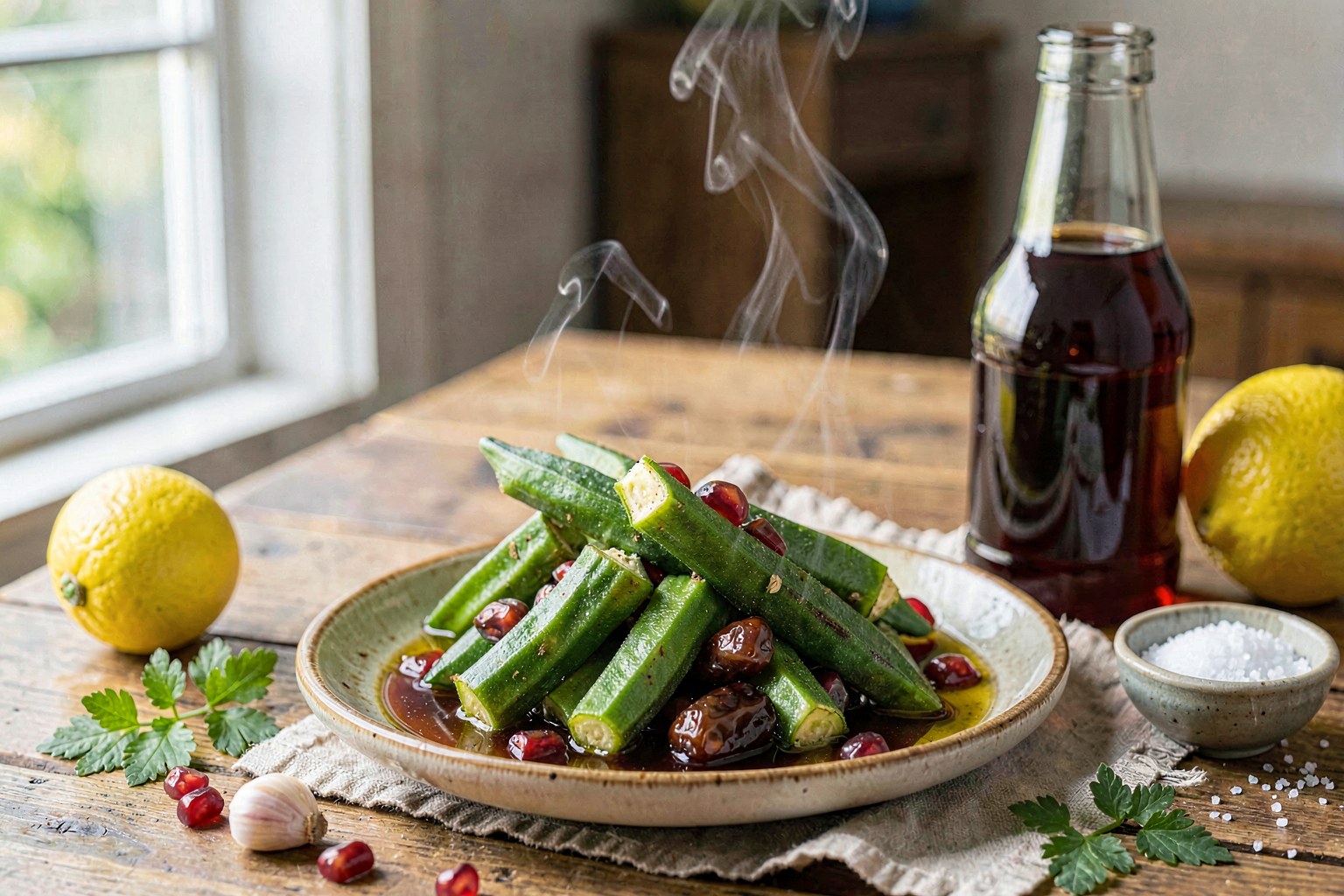
Steamed Yuzu Mochi with Tart Yuzu Glaze
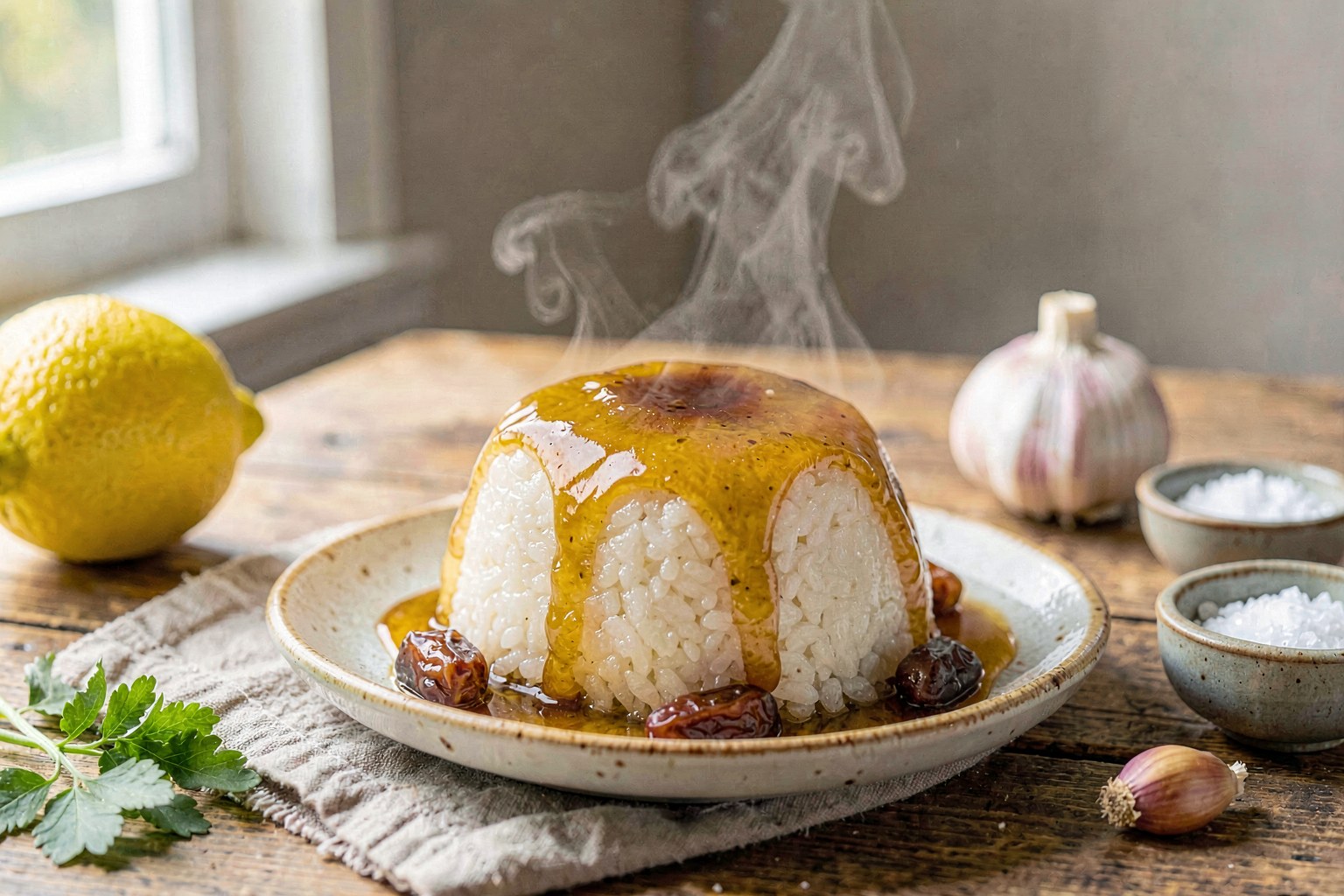
Soft, chewy glutinous rice cakes steamed to perfection and served with a bright, tart yuzu reduction. This dish captures the essence of Japanese Washoku by relying on the natural sweetness of ripe fruit and the complex citrus notes of yuzu, creating a satisfying, polyphenol-rich dinner that honors tradition without refined sugars.
A little context
Rooted in the Japanese tradition of celebrating seasonal citrus and rice, this dish adapts the classic 'Yuzu Mochi' by replacing the standard refined sugar (satou) with whole ripe dates and a touch of raw maple syrup. We honor the Washoku philosophy of 'Ichiju Sansai' (one soup, three sides) by treating the mochi as a substantial, nutrient-dense component rather than a sugary dessert. The preparation method—steaming rather than frying—preserves the delicate texture of the rice cake, a hallmark of authentic Japanese confectionery.
The longevity story
This recipe leverages the high antioxidant content of yuzu citrus, which is rich in naringin and hesperidin, known for their anti-inflammatory and vascular protective properties. The glutinous rice provides a clean source of energy without the inflammatory load of processed wheat, while the minimal use of whole dates or maple syrup ensures a low glycemic impact compared to traditional sugar-heavy confections. By avoiding seed oils and refined sweeteners, we preserve the integrity of the meal, allowing the natural enzymes in the fresh fruit and the fiber in the rice to support stable blood sugar levels and gut health.
Method
- 01
Prepare the date paste
In a high-speed blender, combine the pitted Medjool dates with 60 ml (1/4 cup) of the warm water. Blend on high until completely smooth and creamy, scraping down the sides as needed. If the mixture is too thick, add a teaspoon more water, but keep it paste-like.
- 02
Mix the mochi batter
In a medium mixing bowl, whisk together the sifted gluten-free glutinous rice flour and the remaining 180 ml (3/4 cup) of warm water. Add the blended date paste and mix vigorously with a spatula until a uniform, slightly sticky dough forms. It should be smooth and free of lumps.
- 03
Steam the mochi
Line a bamboo steamer basket with parchment paper (poke small holes in the paper for steam circulation). Pour the batter into the center of the paper, spreading it into a 2 cm (3/4 inch) thick layer. Cover and steam over boiling water for 20–25 minutes. The mochi is done when it turns translucent and pulls away slightly from the edges.
- 04
Prepare the yuzu glaze
While the mochi steams, combine the fresh yuzu juice, maple syrup, and grated ginger in a heavy-bottomed saucepan. Bring to a gentle simmer over medium heat and cook for 8–10 minutes, stirring occasionally, until the liquid reduces by half and thickens into a syrupy glaze. Do not let it boil rapidly, or the delicate citrus oils will evaporate.
- 05
Cool and cut
Remove the steamer from the heat and let the mochi rest for 5 minutes to set slightly. Carefully lift the parchment paper with the mochi onto a clean cutting board dusted with a tiny amount of extra rice flour. Using a knife dipped in cold water, cut the mochi into 12 equal squares or diamonds.
- 06
Plate and serve
Arrange the warm mochi squares on serving plates. Drizzle generously with the warm yuzu glaze. Garnish immediately with microplaned yuzu zest and toasted black sesame seeds. Serve warm to enjoy the contrast of the chewy rice and the bright, tart sauce.
Nutrition facts
Per serving · 1 of 4- — Saturated
- 0 g
- — Polyunsaturated
- 0 g
- Carbohydrates
- 72 g
- — Fiber
- 1 g
- — Sugars
- 10 g
- Cholesterol
- 0 mg
- Sodium
- 11 mg
- Potassium
- 182 mg
Estimated from USDA FoodData Central for matched ingredients (75% ingredient coverage). Values vary with brand, preparation, and exact measurements.
Pro tips
- ✦Sourcing yuzu: If you cannot find fresh yuzu, look for 100% pure yuzu juice in the international aisle of high-end grocery stores; avoid 'yuzu-flavored' drinks which often contain added sugar and seed oils.
- ✦Texture check: The mochi is ready when it looks glossy and translucent. If it still looks opaque and floury, steam it for another 3-5 minutes.
- ✦Prevent sticking: Always dip your knife in cold water before cutting the mochi; the moisture creates a barrier against the sticky rice.
- ✦Date selection: Use Medjool dates that are soft and pliable. If they are dry, soak them in hot water for 20 minutes before blending to ensure a silky texture.
- ✦Glaze consistency: The glaze should coat the back of a spoon. If it gets too thick while cooling, whisk in a teaspoon of warm water to loosen it.
Shop this recipe
As an Amazon Associate we earn from qualifying purchases.
Substitutions
- fresh yuzu juice → 3 parts lemon juice to 1 part orange juice (This mimics the complex citrus profile of yuzu, though the aroma will be slightly less floral.)
- gluten-free glutinous rice flour → regular glutinous rice flour (mochiko) (Both are naturally gluten-free, but ensure the package is certified if you have severe sensitivity to cross-contamination.)
- Medjool dates → pure date syrup (1:1 ratio, reduce water slightly) (Ensure the date syrup contains no added cane sugar or preservatives.)
Storage
Store leftovers in an airtight glass container in the refrigerator for up to 2 days. Reheat in the microwave for 10-15 seconds or steam briefly to restore softness. The glaze can be stored separately for up to 5 days.
What to serve with it
- Hot sencha green tea to complement the citrus notes
- Sparkling water with a slice of fresh yuzu and mint
- A light, dry sake (Junmai) if alcohol is desired
- Steamed seasonal greens like spinach or komatsuna with a dash of tamari
FAQ
Can I make this gluten-free?+
Yes, glutinous rice flour is naturally gluten-free. Just ensure you buy a brand that is certified gluten-free to avoid cross-contamination during processing.
Why does my mochi feel too hard?+
This usually happens if the steaming time was too short or if the batter was too dry. Next time, add 1-2 tablespoons more water to the batter or steam for an additional 5 minutes.
Is this suitable for a low-carb diet?+
While rice is a carbohydrate, this recipe uses whole dates and no refined sugar, keeping the glycemic load lower than traditional mochi. However, it is not a keto recipe due to the rice flour.
Share this recipe
Notes from the community
Sign in to leave a note.
No notes yet — be the first.
You might also like