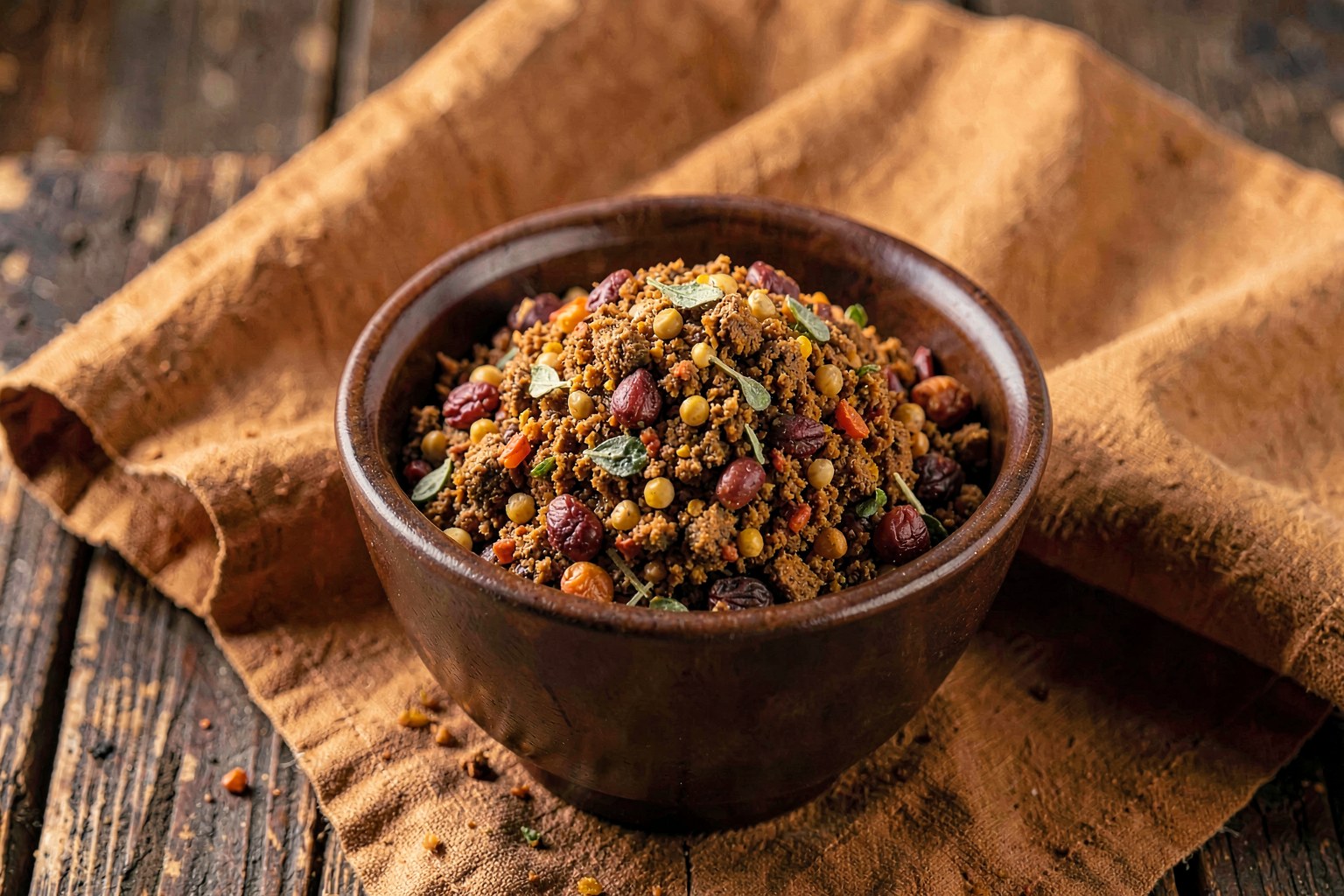
Berbere
A fiery, complex Ethiopian spice blend centered on chili peppers, fenugreek, and warm spices like cloves and cardamom.
What it is
Berbere is a foundational spice mix in Ethiopian and Eritrean cooking, distinct from single spices. While recipes vary by household, the base always relies on dried red chilies ground with fenugreek, which provides a distinctive maple-like bitterness. The blend incorporates warm spices like cinnamon, cloves, cardamom, and nutmeg alongside savory elements like cumin, coriander, ginger, and black pepper. Some versions include ajowan or rue for an herbal note. It is typically sold as a dry powder but is often reconstituted with oil or water to form a paste before cooking. This mixture defines the flavor profile of the region's stews, known as wats. Unlike generic curry powders, berbere balances intense heat with deep earthiness and subtle sweetness. The fenugreek is key; without it, the blend lacks the signature depth that distinguishes it from a simple chili powder. It is usually toasted and ground fresh, though pre-ground versions are common in Western markets.
How to buy
Prioritize small-batch roasters or Ethiopian markets over generic supermarket aisles, as the heat and aromatics degrade quickly. Inspect the color; it should be a deep, vibrant red, not brown or dull. Avoid blends with added fillers like salt or sugar, which mask quality and alter seasoning control. If buying online, check the roast date. Freshness is critical; old berbere tastes dusty and lacks heat. Look for bags that are sealed tight, as exposure to air accelerates oxidation. If purchasing in a mainstream grocery store, check the back of the package for a 'best by' date, but prioritize the ingredient list. It should list spices, not 'spices' or 'flavorings'. A reputable brand will list specific components. For the best results, buy from an Ethiopian grocer where turnover is high and the spice is likely ground recently.
Storage
Keep in an airtight container in a cool, dark cupboard away from the stove. Refrigeration extends potency but risks moisture clumping if not sealed perfectly. Use within three months for optimal heat and aroma; after six months, the flavor profile diminishes significantly. Discard if you detect a musty odor or see signs of mold.
How to use
Toast the powder in oil or butter sautéed with onions before adding liquid to bloom the flavors and remove raw spice taste. Start with 1 to 2 teaspoons per pound of protein or legumes, adjusting for heat tolerance. Do not add berbere at the very end of cooking; it needs time to meld with the base fat and aromatics to release its full depth. Overcooking can make the fenugreek bitter, so add it after the initial sauté but before long simmering. For stews, dissolve a spoonful into a little water to create a paste before stirring it in to prevent clumping. When using as a dry rub for meats, combine with salt and oil to ensure even adhesion. Taste early and adjust salt, as high-quality berbere blends may already contain salt depending on the brand.
Where it comes from
Berbere is the heart of Ethiopian cuisine, defining the flavor of iconic dishes like doro wat and misir wat. Its composition reflects the trade routes of the Horn of Africa, incorporating spices from India and the Middle East. Sharing berbere is a communal act, often prepared by matriarchs for family gatherings, symbolizing warmth and hospitality.
Substitutions
- Garam masala mixed with cayenne and fenugreek — Closest flavor profile, though garam masala is sweeter and less earthy.
- Cayenne pepper, cumin, coriander, and ginger powder — Provides heat and earthiness but lacks the warm spice complexity of cloves and cardamom.