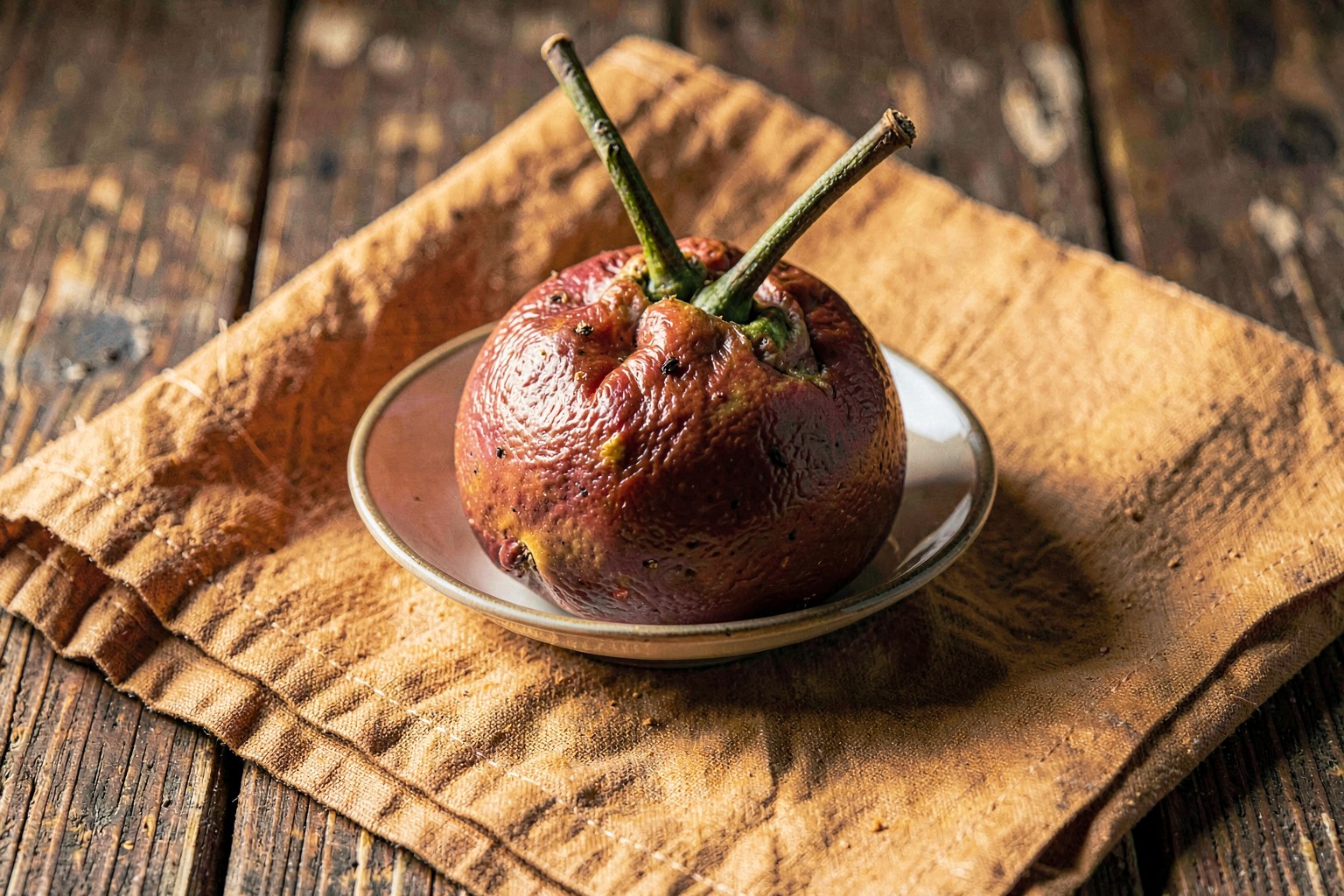
Hing
Hing is a potent dried resin from the Ferula plant used as a savory seasoning and digestive aid in South Asian cooking.
What it is
Hing, or asafoetida, is the dried latex exuded from the rhizome of wild fennel plants native to Iran and Afghanistan. It is sold in two primary forms: a pure, dark resin lump and a compounded powder mixed with rice flour or turmeric to dilute its intensity. Raw, it smells intensely of sulfurous garlic and raw onion, but when fried in hot oil or ghee, it transforms into a mellow, savory umami flavor that mimics the depth of alliums without the fiber. In Indian kitchens, it is a staple for tempering (tadka) and is essential in Ayurvedic medicine for aiding digestion and reducing bloating. The spice is particularly critical in Jain and Brahmin cuisines where onion and garlic are avoided for religious reasons, serving as their primary flavor base. Its resinous nature means it dissolves completely into fats, distributing its aroma evenly throughout a dish without leaving a gritty texture.
How to buy
Purchase compounded hing powder for everyday cooking, as pure resin requires grinding and is easily overpowering. Look for brands like Everest or MDH, which blend the resin with anti-caking agents. Check the expiration date, as the volatile oils degrade over time, leaving a dusty, flavorless powder. Avoid containers with visible moisture or clumping, which indicate improper sealing during transport. You will find hing at any Indian or South Asian grocery store in the spice aisle. Mainstream supermarkets rarely stock it unless they have a dedicated international section. Online retailers offer bulk options, but ensure the packaging is vacuum-sealed to preserve potency. If buying pure resin, verify it is dark brown and hard, not soft or sticky, which suggests age or heat damage.
Storage
Keep hing in an airtight glass or metal container away from light and heat. The smell is potent enough to permeate other spices if left uncapped, so store it separately from delicate blends like garam masala. It lasts 2-3 years in a cool pantry, though potency fades after the first year. Discard if the aroma disappears completely or if the powder smells rancid.
How to use
Always cook hing in hot fat before adding liquids or other ingredients. Add a pinch the size of a grain of rice to the oil; it blooms instantly. This step neutralizes the raw sulfurous bite and unlocks the savory notes. Never add it dry to a pot of water or at the end of cooking, as it will taste bitter and metallic. Measure conservatively, as too much makes a dish inedible. In liquid-heavy dishes like dals, add it during the initial tempering of cumin and mustard seeds. For dry stir-fries, sprinkle it directly over the oil. If using pure resin, grate a tiny sliver and dissolve it in water before adding, though compounded powder is faster for home cooks.
Where it comes from
Originating in ancient Persia where it was known as 'stinking gum', hing traveled to India along the Silk Road and became integral to the subcontinent's culinary identity. It holds significant status in Hindu and Jain traditions, allowing cooks to create rich, layered flavors without violating dietary restrictions against pungent vegetables. Its use is deeply tied to the concept of agni (digestive fire) in Ayurveda, making it as much a medicine as a seasoning.
Substitutions
- Garlic and onion powder — Mix equal parts to mimic the allium base, but add a pinch of turmeric for color and expect a sharper, less umami depth.
- Fresh shallots and onion — Use double the volume of fresh alliums when sautéing, but note this adds moisture and texture the spice does not.