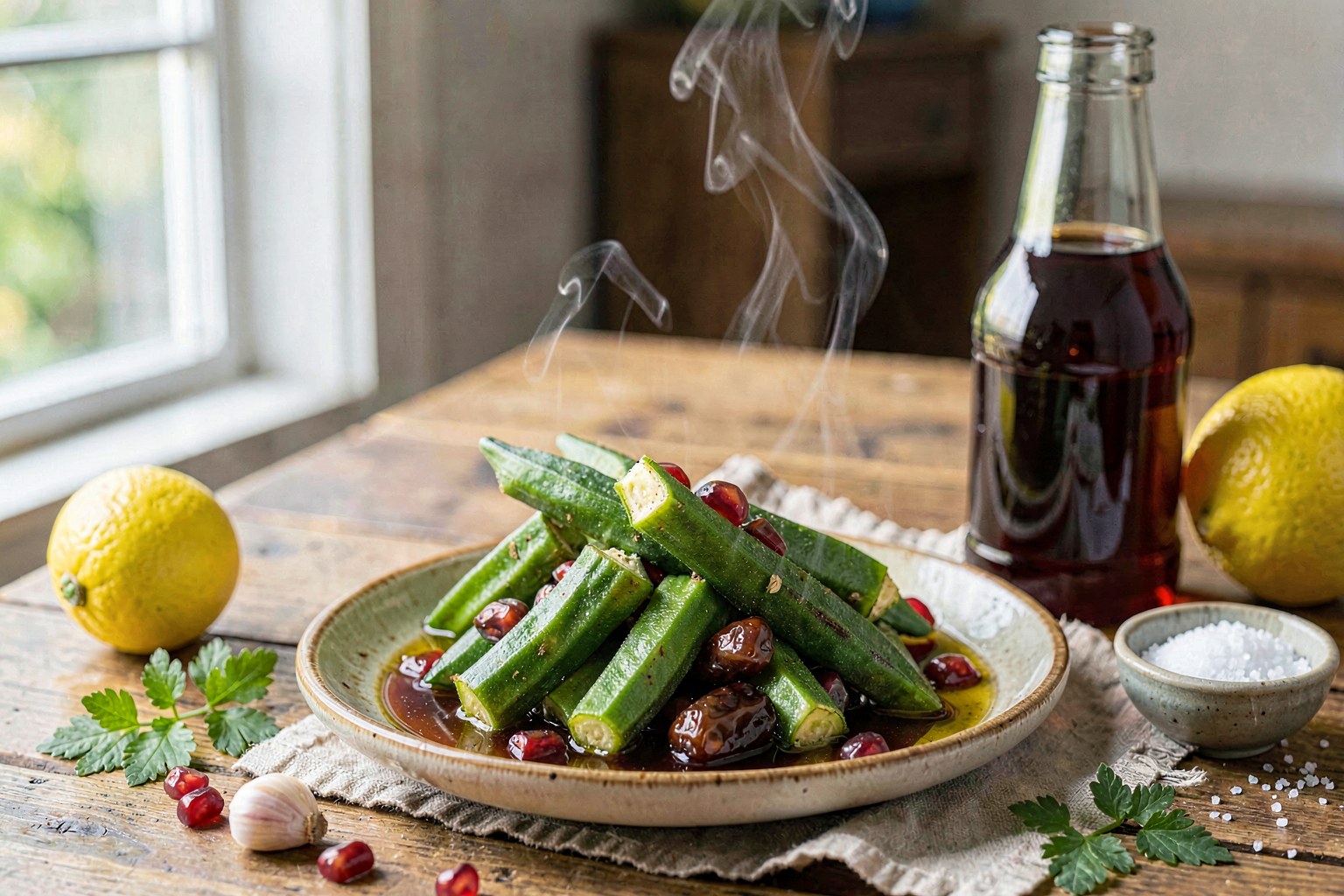
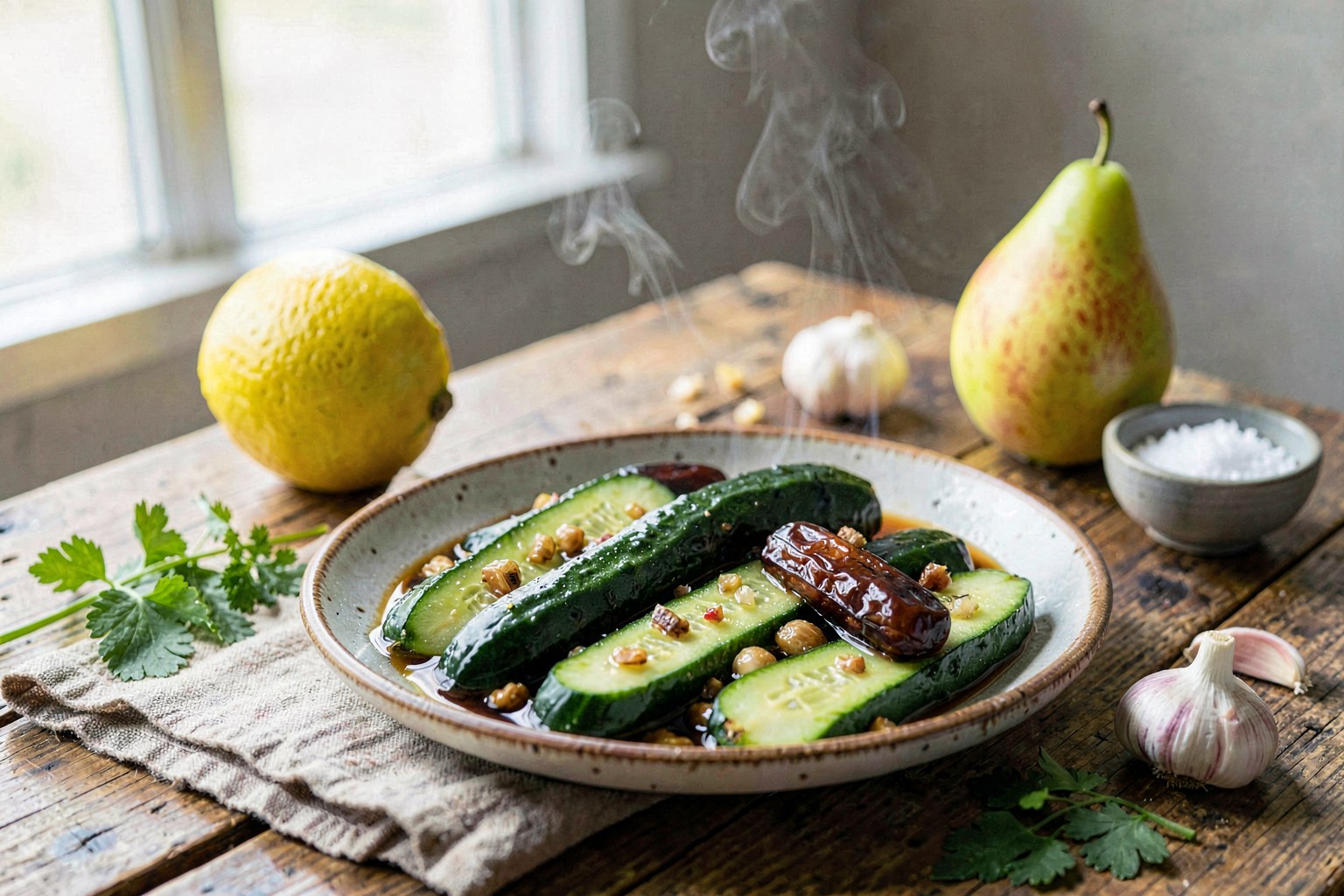
Aged Soy Brined Cucumber (Ganjang-oi Geotjeori)
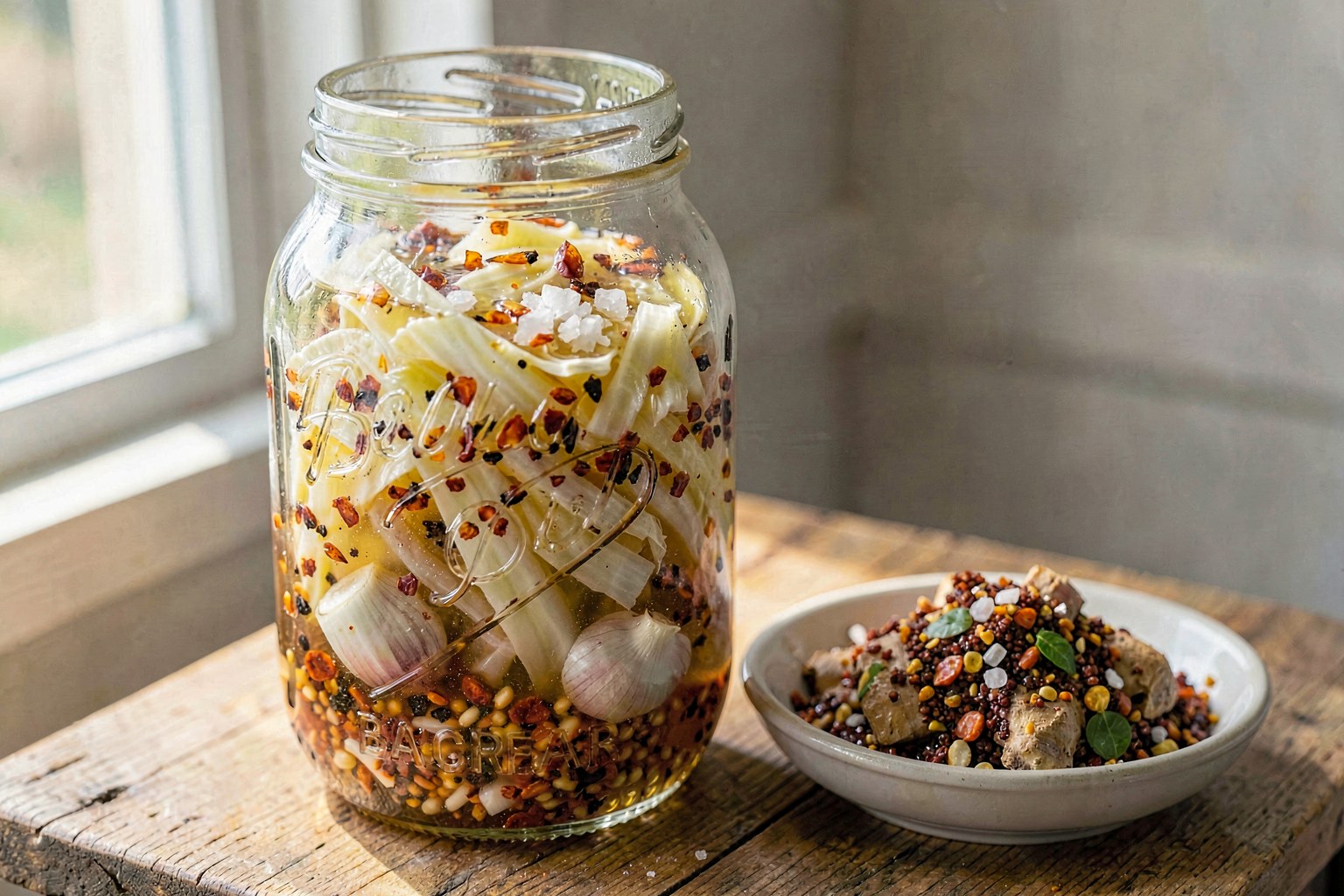
Crisp, farm-fresh cucumbers submerged in a savory, umami-rich brine made from aged, traditionally fermented soy sauce and fresh aromatics. This dish delivers a punch of salty depth without refined sugar, relying on the natural sweetness of ripe fruit and the complexity of slow-cured fermentation.
A little context
Rooted in the Korean banchan tradition of preserving seasonal vegetables in soy sauce (ganjang), this version honors the ancestral method of salting and brining while strictly adhering to modern longevity standards. Traditional recipes often add corn syrup or white sugar to balance the salt; we replace this with the natural fructose of whole dates and ripe Asian pear to maintain the flavor profile without spiking insulin. We also ensure the soy sauce is fermented without wheat or additives, respecting the purity of the fermentation process.
The longevity story
This recipe leverages the polyphenols found in aged soy sauce and fresh garlic to support cardiovascular health and reduce oxidative stress. Cucumbers provide hydration and silica for connective tissue, while the fermentation process introduces beneficial probiotics that support gut microbiome diversity. By omitting refined sugars and seed oils, we preserve the anti-inflammatory profile of the dish, ensuring the sodium is balanced by the potassium in the fresh produce.
Method
- 01
Prepare the Brine
In a medium bowl, whisk together the organic soy sauce, filtered water, and minced dates until the dates begin to soften and dissolve slightly. Add the grated Asian pear, minced garlic, julienned ginger, sliced scallions, and chili peppers. Stir in the extra-virgin olive oil last to emulsify slightly.
- 02
Salting the Cucumbers
Place the cucumber half-moons in a colander. Toss with 1 teaspoon of coarse sea salt. Let them sit for 20 minutes to draw out excess water. This step ensures the cucumbers remain crisp and allows the brine to penetrate effectively rather than watering down the sauce.
- 03
Rinse and Dry
Give the cucumbers a quick rinse under cold water to remove excess surface salt, then pat them thoroughly dry with a clean kitchen towel. Excess moisture will dilute the brine and shorten the shelf life.
- 04
Pack the Jar
Tightly pack the cucumber slices into your clean glass jar, alternating layers of cucumber with the remaining aromatics (if any were set aside). Ensure the jar is packed snugly but without crushing the vegetables.
- 05
Submerge and Seal
Pour the brine mixture over the cucumbers, ensuring they are completely covered. If necessary, use a small glass weight or a clean stone to keep the vegetables submerged below the liquid line. Seal the jar tightly.
- 06
Rest and Ferment
Let the jar sit at room temperature for 2 hours to kickstart the flavor infusion, then transfer to the refrigerator. While it can be eaten immediately, the flavors meld best after 24 hours. The cucumbers will turn a deep amber color and retain a satisfying crunch.
Nutrition facts
Per serving · 1 of 4- — Saturated
- 1 g
- — Polyunsaturated
- 1 g
- Carbohydrates
- 13 g
- — Fiber
- 2 g
- — Sugars
- 8 g
- Cholesterol
- 0 mg
- Sodium
- 3434 mg
- Potassium
- 371 mg
Estimated from USDA FoodData Central for matched ingredients (60% ingredient coverage). Values vary with brand, preparation, and exact measurements.
Pro tips
- ✦Source 'koji-fermented' soy sauce or tamari; avoid products with 'hydrolyzed vegetable protein' or added glucose syrup.
- ✦Choose cucumbers that are firm with no soft spots; Persian cucumbers are ideal because their skin is thin and doesn't require peeling.
- ✦For maximum polyphenol retention, do not overcook the aromatics; the garlic and ginger should be raw in the brine.
- ✦If the cucumbers float, add a small piece of clean, sterilized grape leaf or tea bag (tannins help keep them crisp) to weigh them down.
- ✦Serve chilled for the best texture contrast against warm grains or proteins.
Shop this recipe
As an Amazon Associate we earn from qualifying purchases.
Substitutions
- Asian pear → firm green apple (Granny Smith) (Provides similar enzymatic tenderizing and tart sweetness)
- Medjool dates → 1 tsp pure maple syrup or monk fruit syrup (Use sparingly to avoid high glycemic load; dates provide better fiber)
- fresh red chili → 1 tsp organic Gochugaru (Korean red pepper flakes) (Ensure the flakes are free of corn oil or anti-caking agents)
Storage
Store in the refrigerator in an airtight glass container for up to 10 days. The brine will continue to ferment slowly; taste daily. Discard if the texture becomes mushy or the smell turns foul.
What to serve with it
- Grilled wild-caught salmon or mackerel
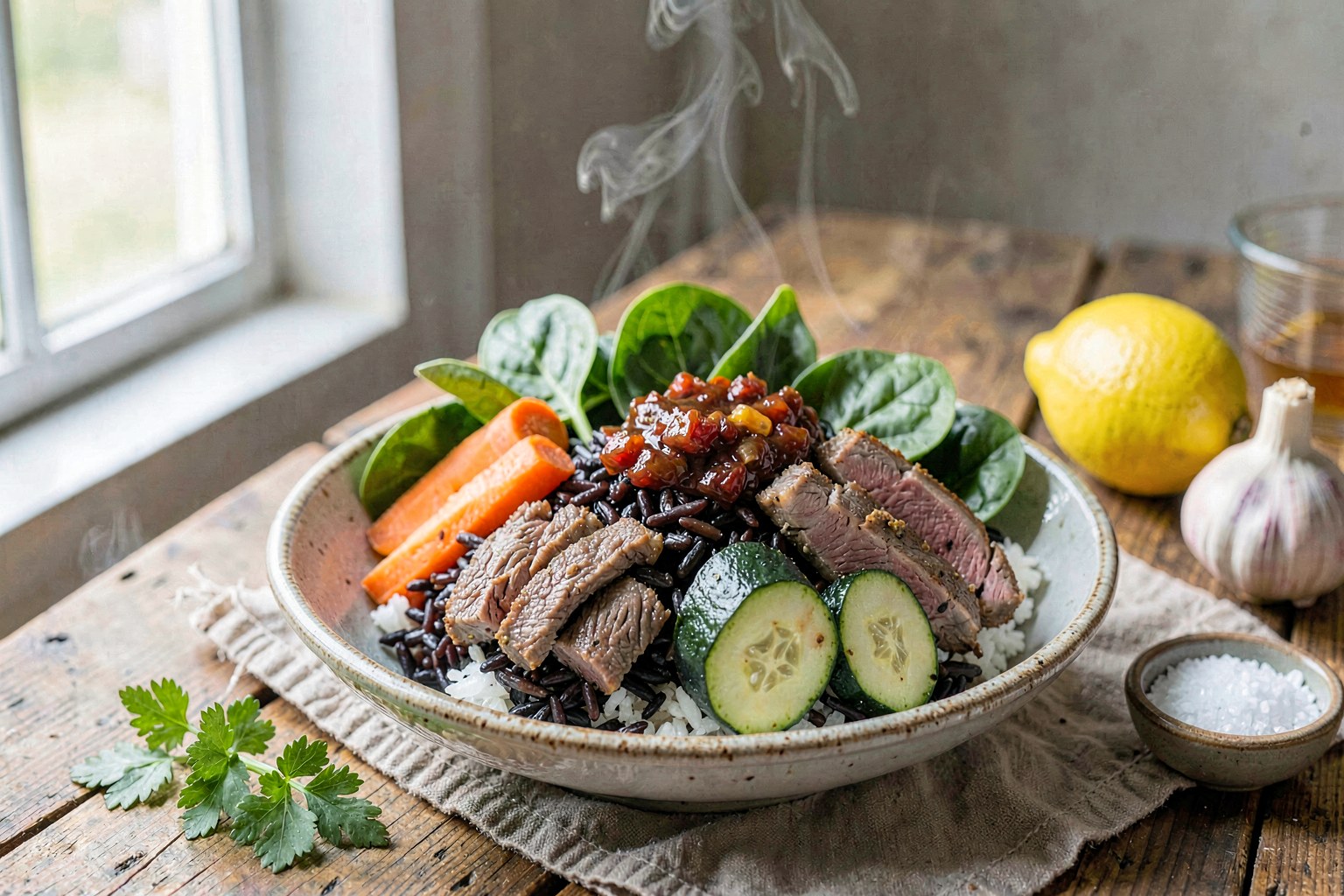
- Steamed short-grain brown rice or quinoa
- Hot green tea (sencha or matcha) to cut the salt
- Unsweetened kombucha with ginger flavor
FAQ
Is this safe to eat if it's not fully fermented for weeks?+
Yes, this is a 'quick pickle' style (geotjeori). The high salt and acid environment of the soy sauce and vinegar-like fermentation of the soy creates a safe environment for short-term storage in the fridge. It is not a long-term lacto-ferment like kimchi.
Can I use regular soy sauce?+
Regular soy sauce often contains wheat and added sugar. For a Blueprint-aligned, gluten-free version, use a certified gluten-free tamari or coconut aminos that lists only soybeans, salt, water, and fermentation agents.
Share this recipe
Notes from the community
Sign in to leave a note.
No notes yet — be the first.
You might also like