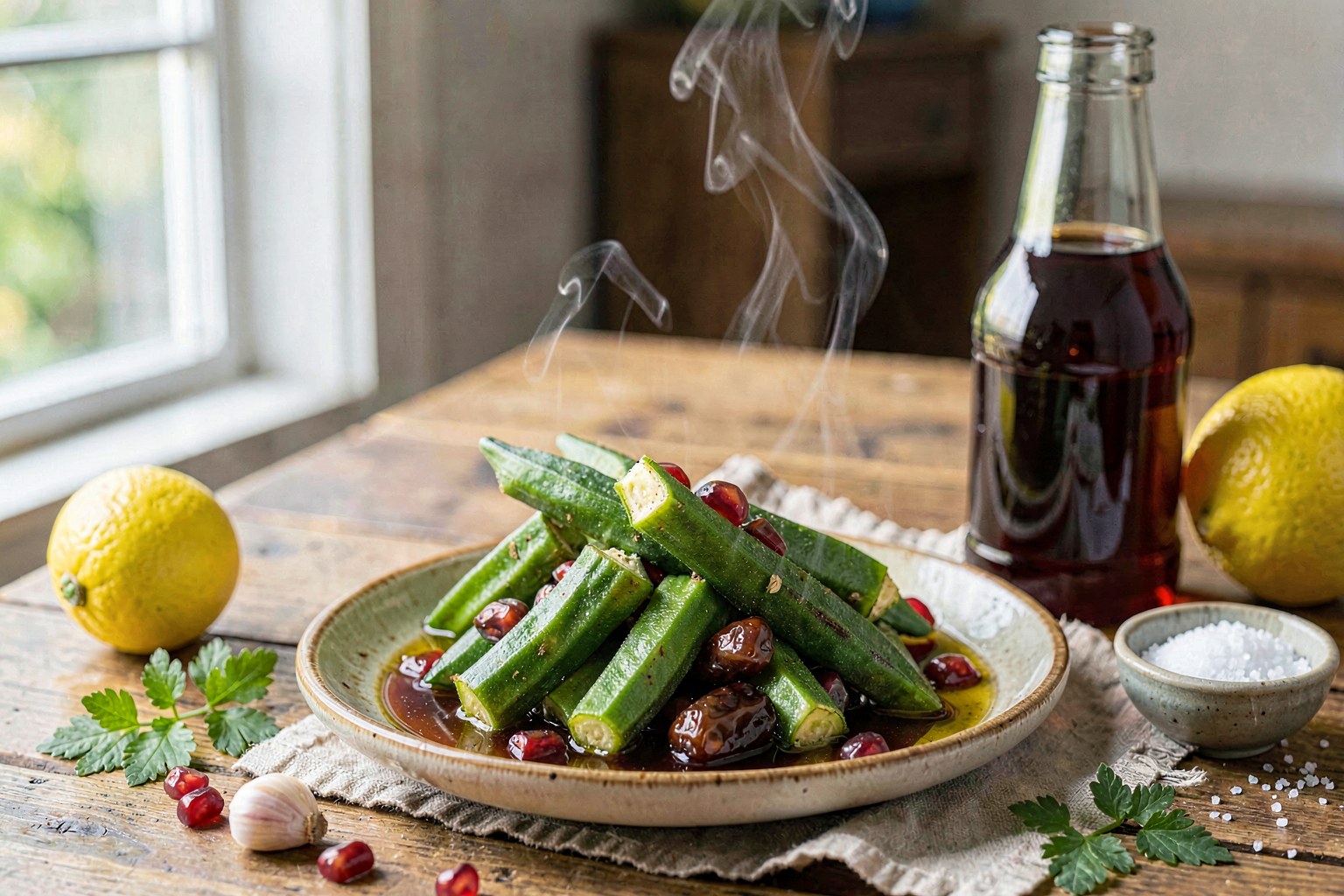
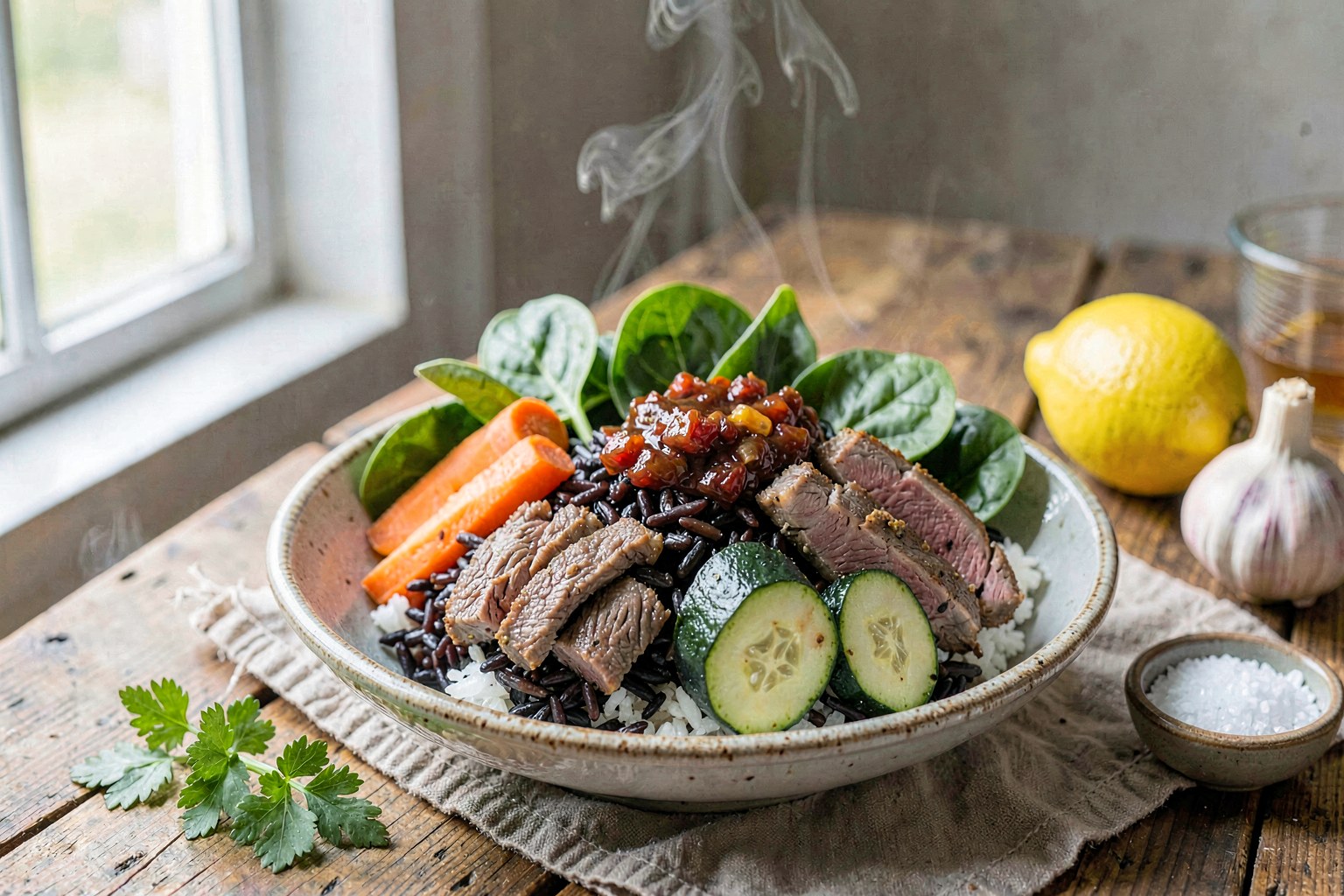
Longevity Bibimbap with Grass-Fed Beef & Fermented Gochujang
A vibrant, nutrient-dense rice bowl featuring black rice, grass-fed beef, and five seasonal vegetables seasoned with a homemade fermented chili paste. This dish honors the Korean tradition of balance while prioritizing anti-inflammatory fats and polyphenol-rich ingredients for sustained energy.
A little context
Bibimbap means 'mixed rice' and represents the harmony of five colors and elements. We honor this by keeping the vegetable variety intact but swapping traditional sugar-laden gochujang for a date-sweetened version and replacing seed oils with avocado oil and extra-virgin olive oil. The result is a dish that respects the tradition's spirit while aligning with modern longevity science.
The longevity story
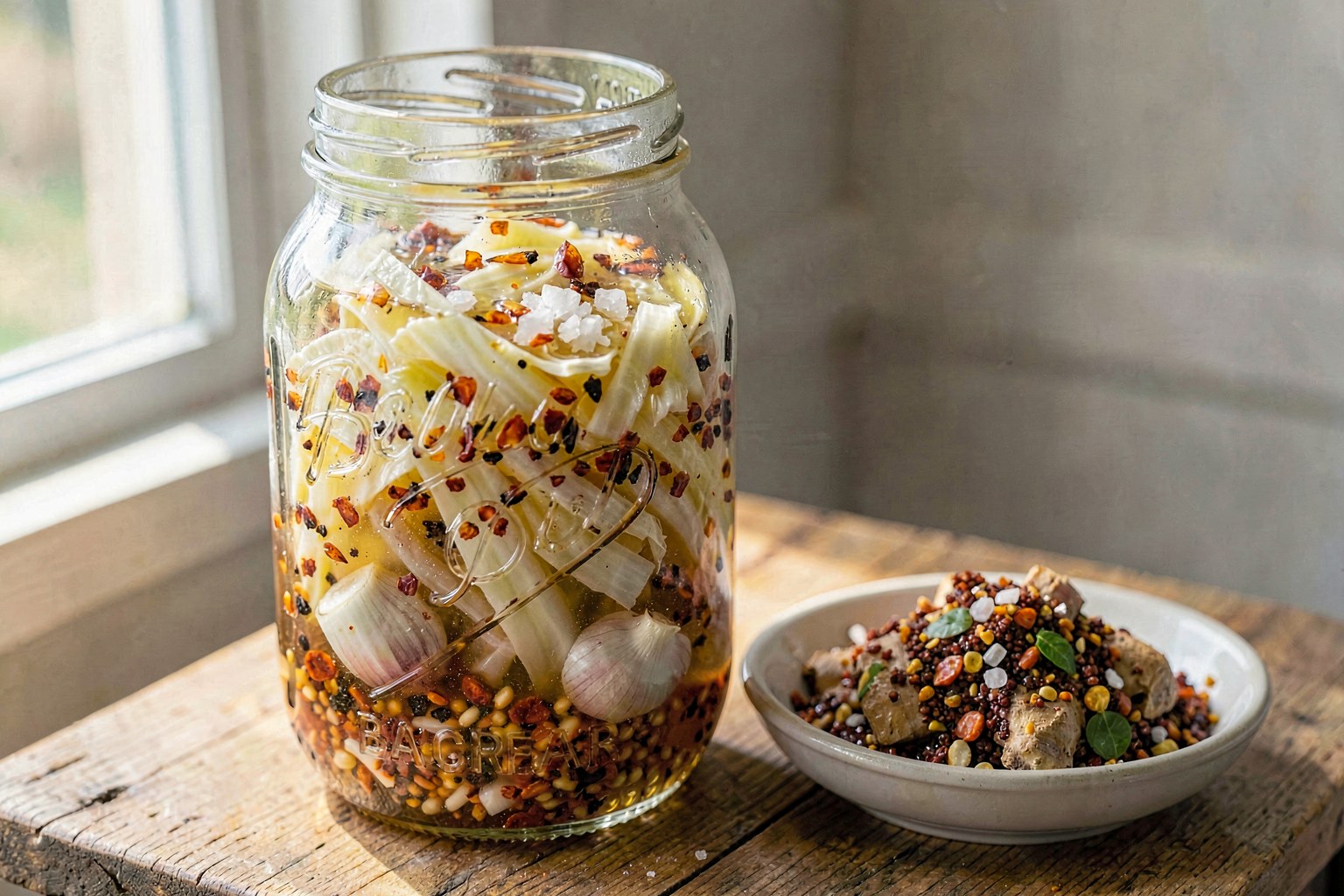
Black rice provides anthocyanins and fiber, stabilizing blood sugar better than white rice. Grass-fed beef offers conjugated linoleic acid (CLA) and omega-3s absent in grain-fed meat. The homemade gochujang uses date syrup and organic miso for fermentation benefits without refined sugar or processed additives. Fermented kimchi adds live probiotics essential for gut microbiome diversity.
Method
- 01
Cook the Black Rice
Rinse 300 g black rice until water is clear. Combine with 600 ml water in a heavy pot. Bring to a boil, reduce heat to low, cover, and simmer for 40 minutes. Turn off heat and let steam with lid on for 10 minutes. Fluff with a fork.
- 02
- 03
Prepare Spinach
Blanch 300 g spinach in boiling water for 30 seconds. Drain immediately and rinse under cold water. Squeeze out excess moisture firmly. Toss with 1 tsp EVOO and a pinch of sea salt.
- 04
Sauté Vegetables
Using a clean skillet over medium-high heat with 1 tbsp avocado oil, sauté carrots for 3 minutes. Remove. Repeat with zucchini, then mushrooms, then bean sprouts (blanch sprouts for 1 min first). Season each batch lightly with salt.
- 05
Cook the Beef
Heat 1 tbsp avocado oil in the cast-iron skillet until shimmering. Sear 400 g grass-fed beef slices for 1-2 minutes per side until just cooked. Do not overcook. Remove and slice into bite-sized pieces.
- 06
Cook the Eggs
Fry 4 pasture-raised eggs in a separate pan using 1 tsp avocado oil or ghee. Aim for set whites and runny yolks. Alternatively, soft-boil for 6 minutes.
- 07
Assemble Bowls
Divide warm rice among 4 bowls. Arrange vegetables and beef in separate sections on top of the rice. Top each with an egg and a generous scoop of kimchi.
- 08
Serve
Drizzle the Gochujang sauce over the bowls just before eating. Sprinkle with toasted sesame seeds. Mix thoroughly at the table to combine the rice, sauce, and toppings.
Nutrition facts
Per serving · 1 of 4- — Saturated
- 8 g
- — Polyunsaturated
- 8 g
- Carbohydrates
- 93 g
- — Fiber
- 15 g
- — Sugars
- 18 g
- Cholesterol
- 105 mg
- Sodium
- 1263 mg
- Potassium
- 1956 mg
Estimated from USDA FoodData Central for matched ingredients (76% ingredient coverage). Values vary with brand, preparation, and exact measurements.
Pro tips
- ✦Source black rice from a specialty grocer to ensure it is not bleached or processed; it should look deep purple-black.
- ✦When squeezing spinach, use a clean kitchen towel to get it bone dry so the sauce doesn't slide off.
- ✦Make the Gochujang sauce 2 days ahead; fermentation flavors deepen in the fridge.
- ✦Use a cast-iron skillet for the beef to get a proper sear without needing seed oils.
- ✦If you cannot find grass-fed beef, wild-caught salmon is an excellent high-omega-3 substitute.
Shop this recipe
As an Amazon Associate we earn from qualifying purchases.
Substitutions
- grass-fed beef → wild-caught salmon or sardines (cook fish gently; add at the end)
- black rice → cauliflower rice or quinoa (for lower carb or gluten-free needs (quinoa is naturally GF))
- date syrup → pure maple syrup (use sparingly to maintain low glycemic index)
Storage
Store components separately in glass containers. Rice and veggies last 3 days. Sauce lasts 5 days. Do not freeze cooked rice as texture degrades; freeze meat and sauce separately up to 2 months.
What to serve with it
- Hot green tea (barley tea is traditional and caffeine-free)
- Sparkling water with fresh lemon
- Unsweetened kombucha
- Dry red wine (Pinot Noir) if alcohol is consumed
FAQ
Why black rice instead of white?+
Black rice contains significantly more anthocyanins and fiber, aligning with Blueprint longevity goals by reducing glycemic load.
Can I use regular soy sauce?+
Regular soy sauce often contains wheat and preservatives. Tamari or coconut aminos ensure a cleaner, gluten-free profile.
Is sesame oil allowed?+
We omit toasted sesame oil to avoid seed oils. The EVOO and avocado oil provide healthy fats, while the miso and gochugaru provide the umami depth.
Share this recipe
Notes from the community
Sign in to leave a note.
No notes yet — be the first.
You might also like