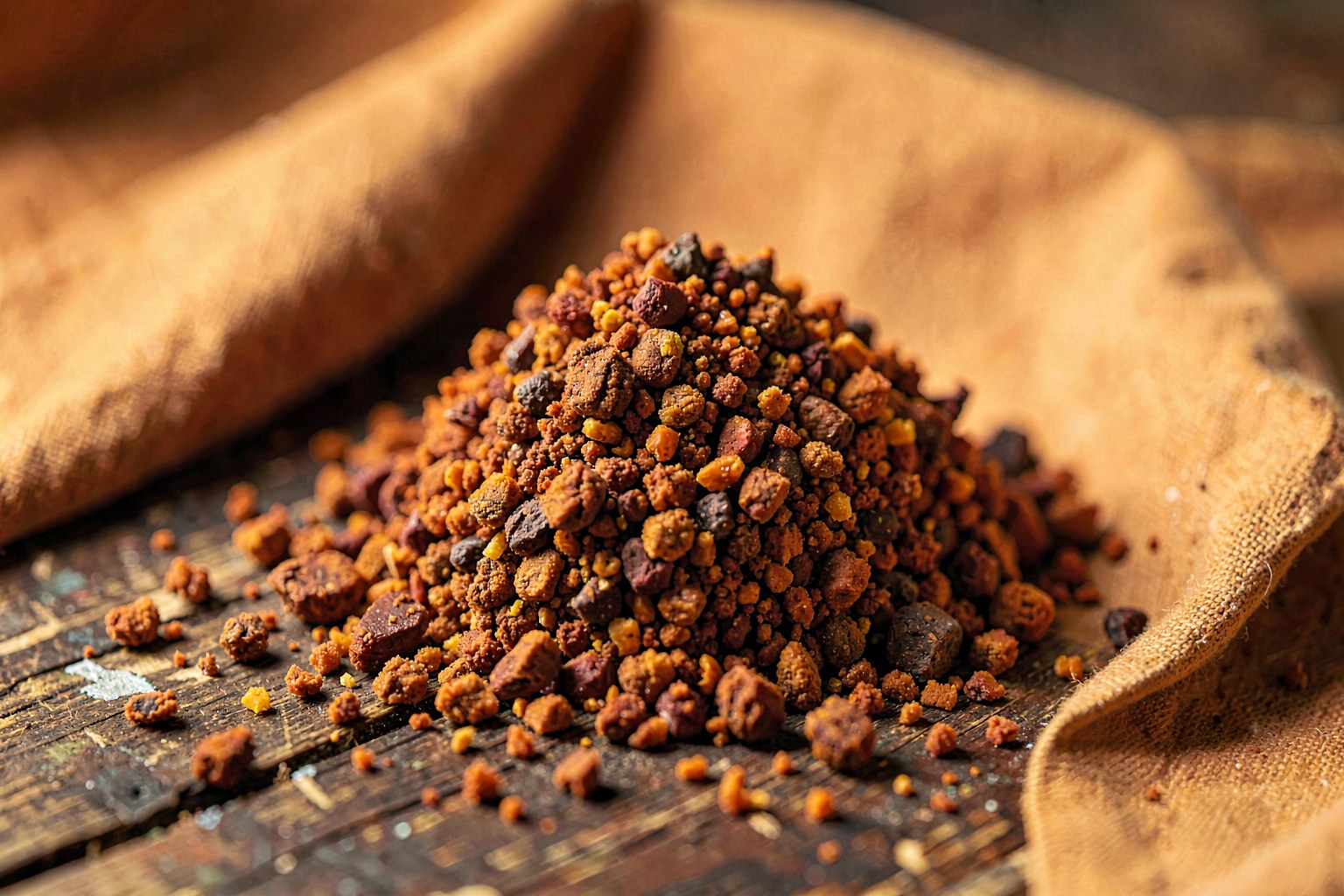
Gochugaru
Gochugaru is a coarse, sun-dried Korean red pepper flake that delivers a distinct smoky sweetness and moderate heat essential to Korean cuisine.
What it is
Gochugaru is made from specific varieties of Korean red peppers (Capsicum annuum) that are sun-dried and ground into a coarse, flaky texture rather than a fine powder. This unique processing method preserves the pepper's natural sugars and imparts a subtle smokiness, distinguishing it from standard chili powders. The flakes range in color from vibrant orange-red to deep crimson, indicating the ripeness of the peppers and the intensity of the flavor. The flavor profile is complex: it offers a mild to medium heat level (typically 1,000–2,000 Scoville units) that builds slowly, accompanied by a fruity, earthy sweetness. Unlike cayenne or paprika, which can be one-dimensional in heat or color, gochugaru provides significant body and a rich red hue to stews, marinades, and fermented pastes like gochujang. It is the backbone of kimchi, the primary heat source in tteokbokki, and a critical flavor layer in bibimbap and bulgogi marinades.
How to buy
When purchasing, prioritize texture and color. Authentic gochugaru should have a coarse, flaky appearance with visible seeds and skin, not a fine, dusty powder. The color should be a deep, vibrant red; if it looks dull, brownish, or orange, it is likely old or oxidized. Avoid packages that feel damp or clumpy, as moisture leads to mold and rapid degradation of flavor. Look for products labeled 'Sun-dried' (not 'flame-dried' or artificial smoke flavoring) and check the harvest date, as freshness is critical. While available in the international aisle of mainstream supermarkets, the best quality and variety (such as 'mild' vs. 'hot' or 'flaky' vs. 'powdered') are found in Korean or Asian grocery stores. Reputable brands include Chung Jung One, Sempio, and Daesang, but local bulk bins in Korean markets often offer the freshest stock.
Storage
Store gochugaru in an airtight container in a cool, dark pantry for up to six months, though it will retain peak flavor for only three months. For longer storage, keep the container in the refrigerator or freezer to prevent the volatile oils from evaporating and the color from fading. Signs of spoilage include a rancid or musty smell, a loss of vibrant red color, or the presence of any moisture/mold. If the heat feels flat or the aroma is weak, the spice has likely exceeded its prime.
How to use
Gochugaru is versatile: it can be used dry in spice blends or rehydrated in liquids to form the base of stews and soups. For kimchi, it is mixed directly with salted vegetables to draw out moisture and create a brine. When cooking, add it early in the sautéing process to bloom the flavors in oil, or stir it into broths like doenjang-jjigae to distribute the heat evenly. Be careful not to burn the flakes, as this creates a bitter taste; cook over medium heat rather than high. Start with conservative amounts, as the heat can intensify as the dish simmers. A general rule is one to two teaspoons per serving for a mild kick, increasing to a tablespoon for spicy stews. Avoid substituting fine red pepper powders (like cayenne) 1:1, as they will make the dish overly spicy and lack the necessary texture and sweetness.
Where it comes from
Originating in the Joseon Dynasty after the introduction of chili peppers to Korea from the Americas, gochugaru has evolved from a luxury import to a national staple. It is indispensable to the fermentation process of kimchi, the country's most famous dish, where its antimicrobial properties and flavor profile are crucial for preservation and taste. The ingredient symbolizes the Korean culinary balance of heat, sweetness, and umami, serving as the primary heat source in the vast majority of traditional Korean savory dishes.
Substitutions
- Aleppo pepper — Offers a similar fruity heat and coarse texture, but lacks the specific smoky sweetness; adjust with a pinch of smoked paprika if needed.
- Paprika mixed with cayenne and a drop of liquid smoke — A pantry workaround to mimic the color and heat, though it will lack the authentic texture and depth of the Korean pepper.