Ganjang Kimchi: Red Cabbage & Garlic Ferment
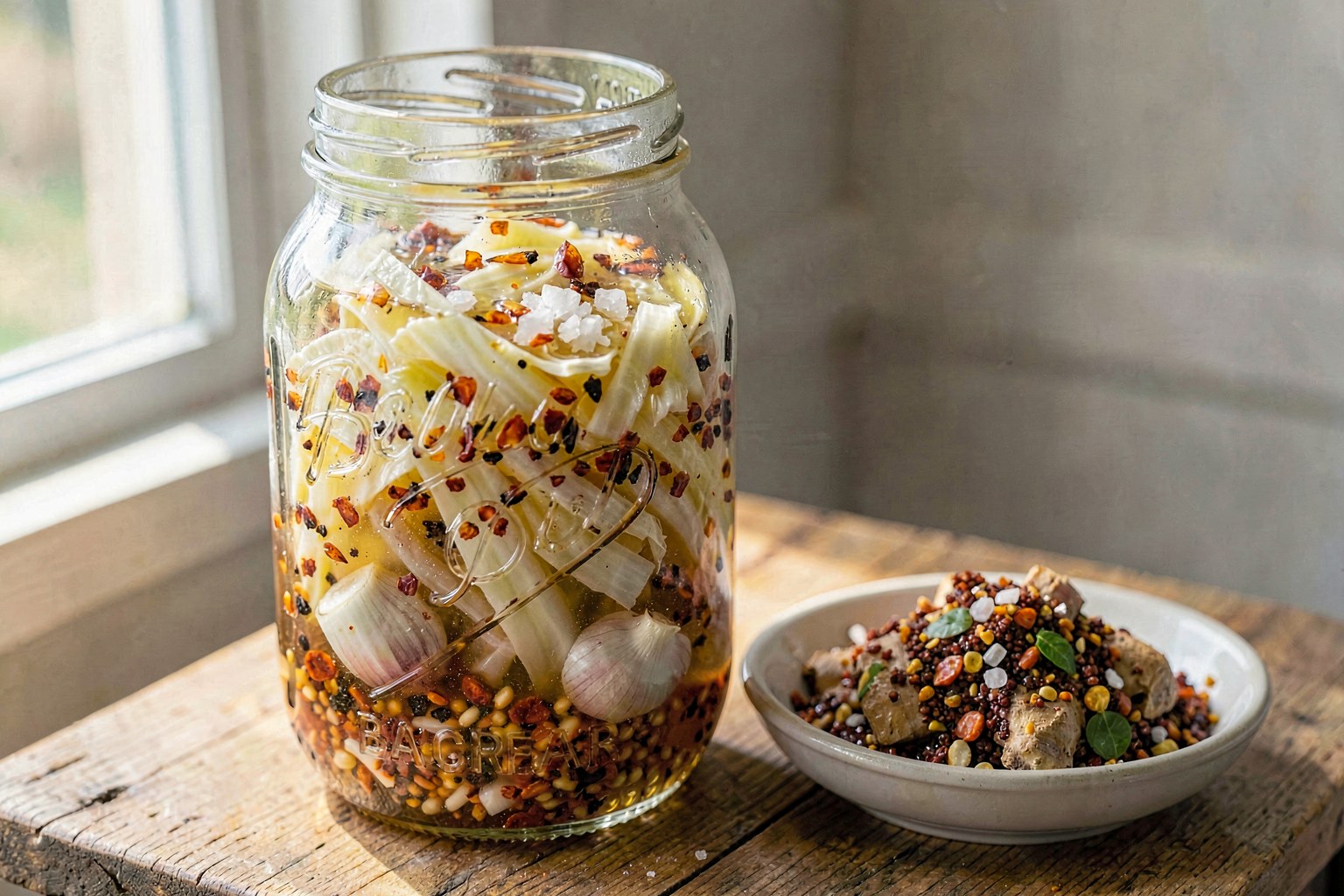
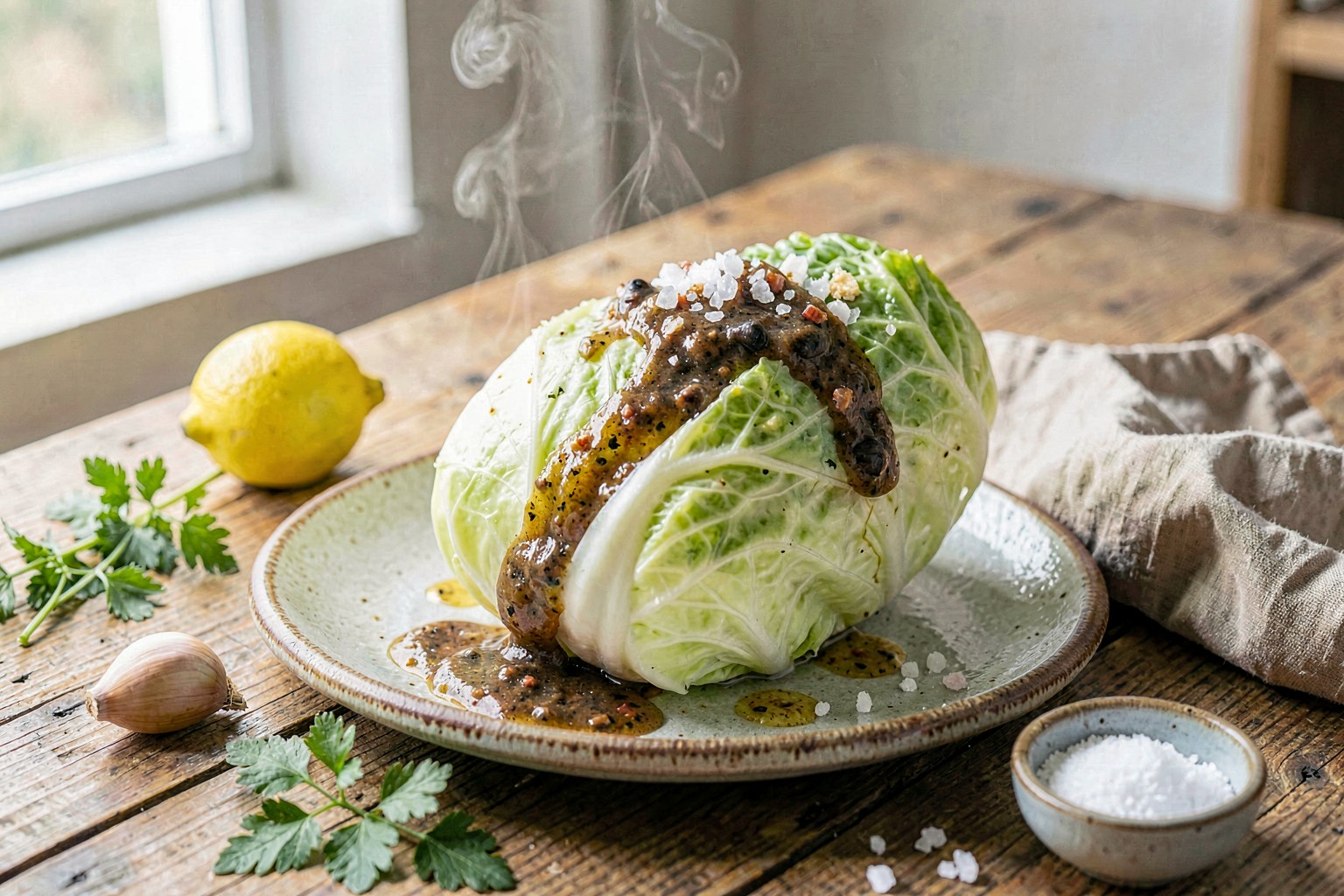
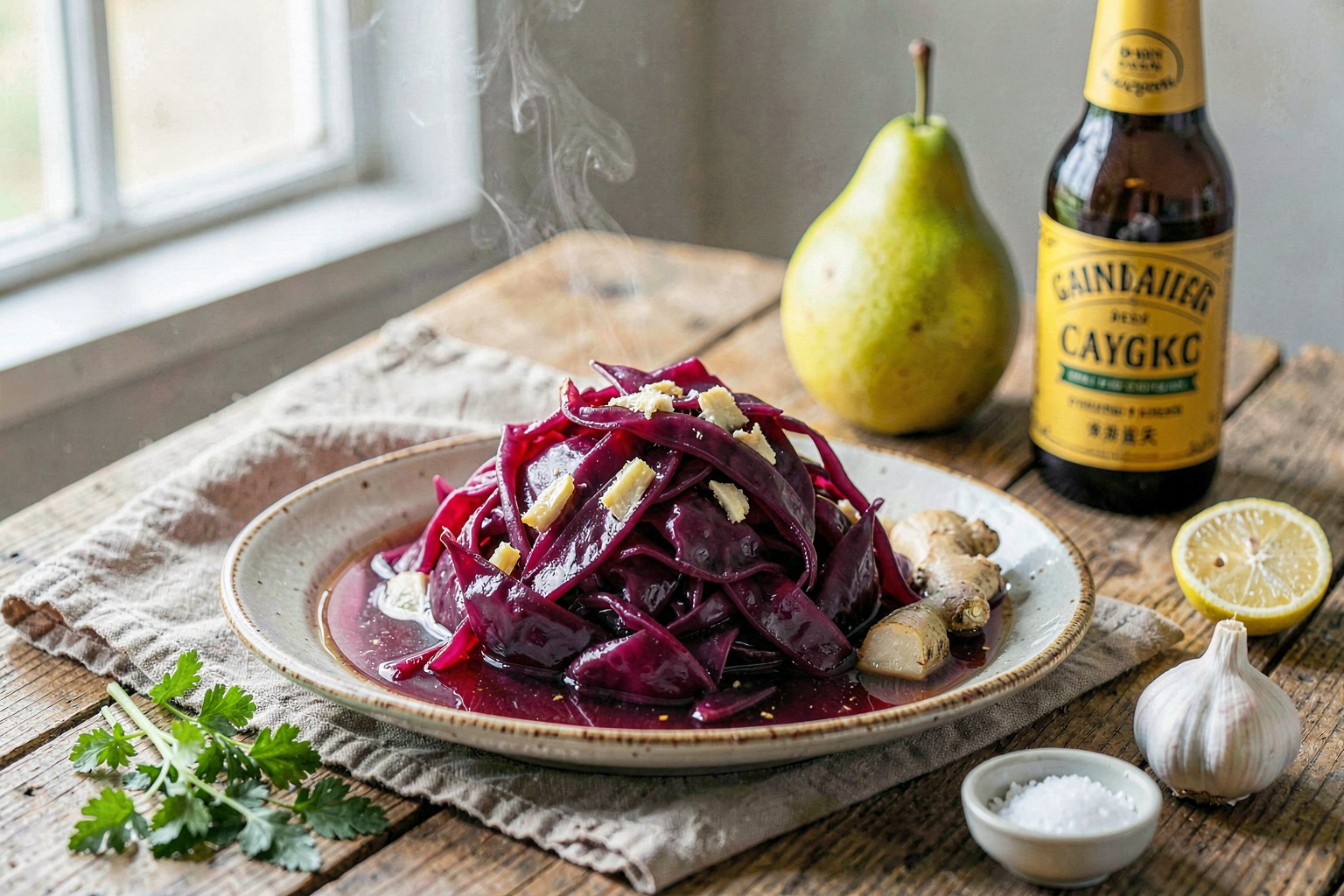
A tangy, probiotic-rich banchan where crisp red cabbage is macerated in a savory brine of organic soy sauce, fresh garlic, and ginger instead of traditional chili powder. This version delivers a deep, umami-forward crunch without refined sugars or seed oils, relying on the natural sweetness of ripe Asian pear and the probiotic power of wild fermentation.
A little context
Rooted in the Korean tradition of making 'ganjang geotjeori' (soy sauce fresh kimchi), this recipe honors the season of early autumn when cabbage is sweetest. We have stripped away the traditional mirin or refined sugar often added to balance the salt, replacing it with the enzymatic sweetness of whole Asian pear and a touch of raw honey for those who need a slight lift, ensuring the fermentation remains clean and aligned with longevity protocols.
The longevity story
This ferment is a powerhouse of gut health, driven by Lactobacillus bacteria that thrive in the brine, breaking down cabbage fibers into bioavailable nutrients. Red cabbage provides high levels of anthocyanins, potent polyphenols that support vascular health and reduce systemic inflammation. The garlic and ginger contribute allicin and gingerol, compounds known for their antimicrobial and anti-inflammatory properties, while the organic soy sauce offers a concentrated source of amino acids without the added sugars found in commercial versions.
Method
- 01
Prepare the vegetables
Wash and thoroughly dry the red cabbage and daikon radish. Slice the cabbage into thin 3mm ribbons and julienne the daikon. Place them in a large, non-reactive bowl.
- 02
Salt maceration
Sprinkle the sea salt evenly over the vegetables. Massage firmly with clean hands for 3–5 minutes until the cabbage begins to wilt and release its own juices. Let sit for 20 minutes.
- 03
Make the brine paste
While the cabbage salts, combine the Asian pear, minced garlic, grated ginger, soy sauce, filtered water, and optional honey in a food processor. Blend until completely smooth, scraping down the sides to ensure no chunks remain.
- 04
Combine and massage
Pour the brine paste over the salted vegetables. Massage thoroughly again for 2 minutes to ensure every ribbon is coated in the paste and the liquid level rises.
- 05
Pack the jar
Tightly pack the mixture into the clean glass jar, pressing down firmly with a spoon or your fist to eliminate air pockets. The vegetables must be completely submerged under the liquid. If the liquid doesn't fully cover them, add a splash of filtered water mixed with a pinch of sea salt.
- 06
Ferment
Place a fermentation weight on top to keep the cabbage submerged. Seal the jar loosely to allow gas to escape. Leave at room temperature (18–22°C / 65–72°F) for 2–3 days, checking daily to ensure no mold forms and pressing down if the cabbage rises.
- 07
Taste and store
After 48 hours, taste a piece. It should be tangy, crunchy, and savory. Once it reaches your desired level of sourness, seal the jar tightly and move it to the refrigerator. The cold slows fermentation, preserving the crunch and probiotics.
Nutrition facts
Per serving · 1 of 4- — Saturated
- 0 g
- — Polyunsaturated
- 0 g
- Carbohydrates
- 18 g
- — Fiber
- 5 g
- — Sugars
- 11 g
- Cholesterol
- 0 mg
- Sodium
- 3156 mg
- Potassium
- 598 mg
Estimated from USDA FoodData Central for matched ingredients (67% ingredient coverage). Values vary with brand, preparation, and exact measurements.
Pro tips
- ✦Sourcing: Look for organic red cabbage with tight, heavy heads; avoid any with soft spots or yellowing leaves, as these indicate age and reduced nutrient density.
- ✦Submersion is critical: If vegetables float above the brine, they will oxidize and turn brown. Always use a weight to keep them fully submerged.
- ✦Temperature control: Fermentation happens faster in warm kitchens. If your kitchen is above 24°C (75°F), check the jar after 24 hours to prevent over-fermentation.
- ✦Flavor depth: Letting the garlic and ginger sit in the soy sauce for 10 minutes before blending helps mellow the raw bite and meld the flavors.
Shop this recipe
As an Amazon Associate we earn from qualifying purchases.
Substitutions
- Asian pear → green apple or ripe bosc pear (ensure the fruit is very ripe and sweet to provide necessary natural sugars for fermentation)
- daikon radish → carrots or turnips (carrots add a subtle sweetness; turnips offer a sharper, peppery crunch)
- raw honey → monk fruit syrup or date syrup (use sparingly if the fruit isn't sweet enough; avoid if strict low-glycemic)
Storage
Refrigerate in the glass jar for up to 3 weeks. The flavor continues to develop, becoming more sour and complex over time. Do not freeze, as this destroys the probiotic bacteria and softens the texture.
What to serve with it
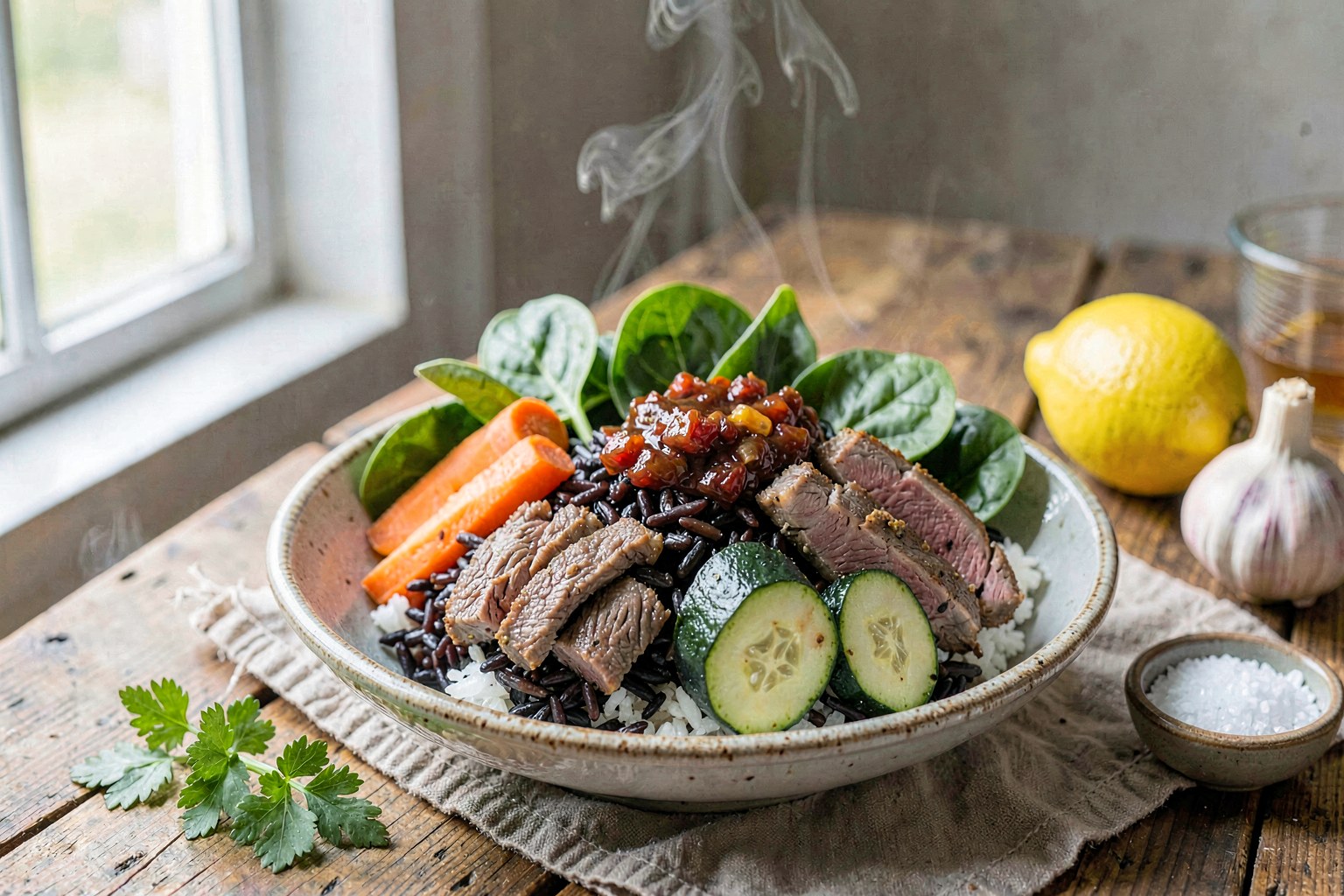
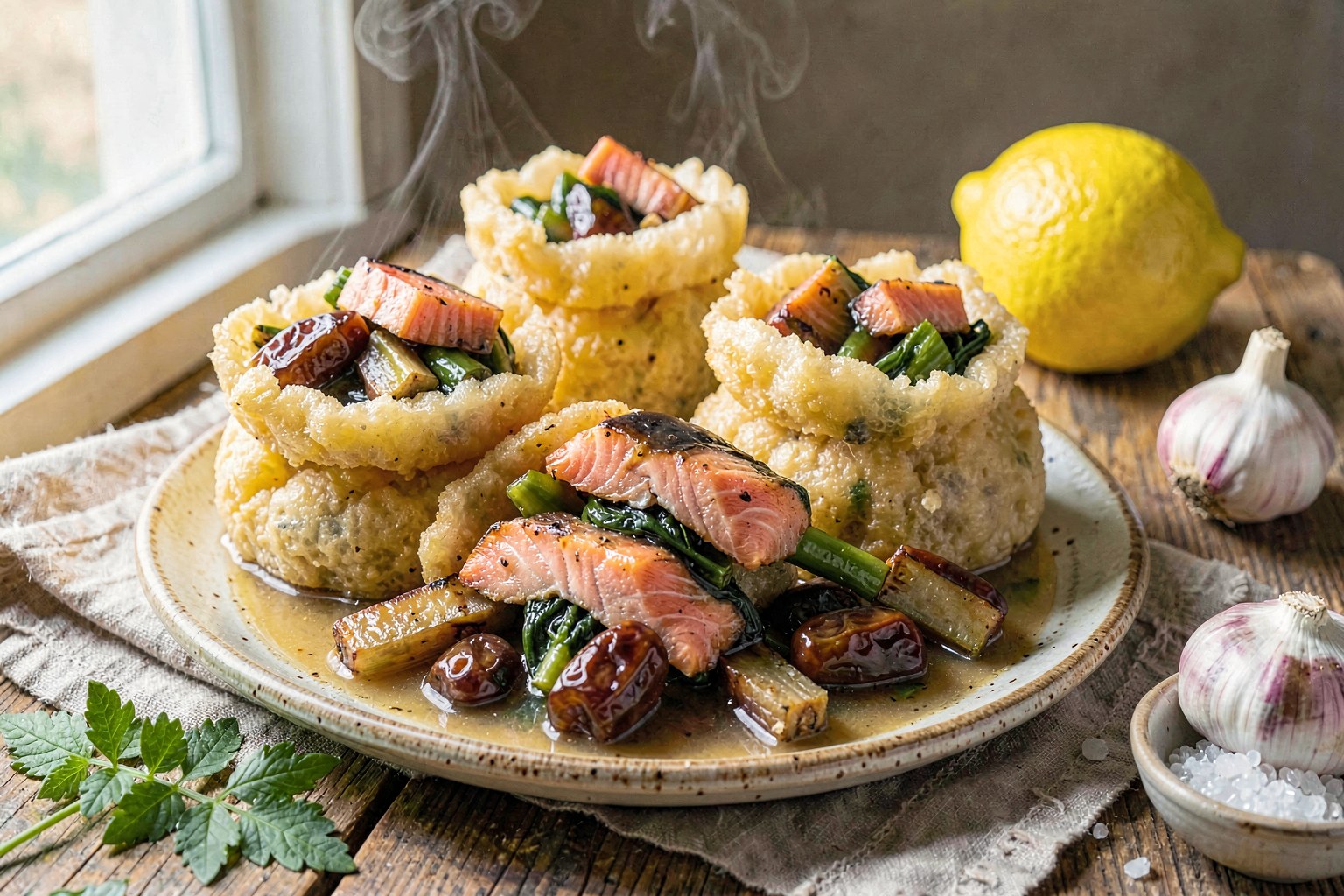
- Serve as a side to grilled wild-caught salmon or grass-fed beef.
- Pair with a cup of hot green tea (matcha or sencha) to complement the umami.
- Excellent alongside a bowl of brown rice or quinoa for a complete, gut-friendly meal.
- A glass of dry, low-sugar sparkling water with a wedge of lemon cuts through the saltiness.
FAQ
Is this recipe gluten-free?+
Only if you use certified gluten-free tamari or coconut aminos instead of standard soy sauce, which contains wheat. The rest of the ingredients are naturally gluten-free.
Why is there white foam on top?+
Small white bubbles or a thin white film (Kahm yeast) can sometimes appear. It is generally harmless. Just stir it back in or skim it off. If it smells rotten or has fuzzy colored mold, discard the batch.
Can I eat this immediately?+
Yes, you can eat it right after step 6 as a fresh salad, but the probiotic benefits and complex sour flavor develop fully after 2–3 days of fermentation.
Share this recipe
Notes from the community
Sign in to leave a note.
No notes yet — be the first.
You might also like