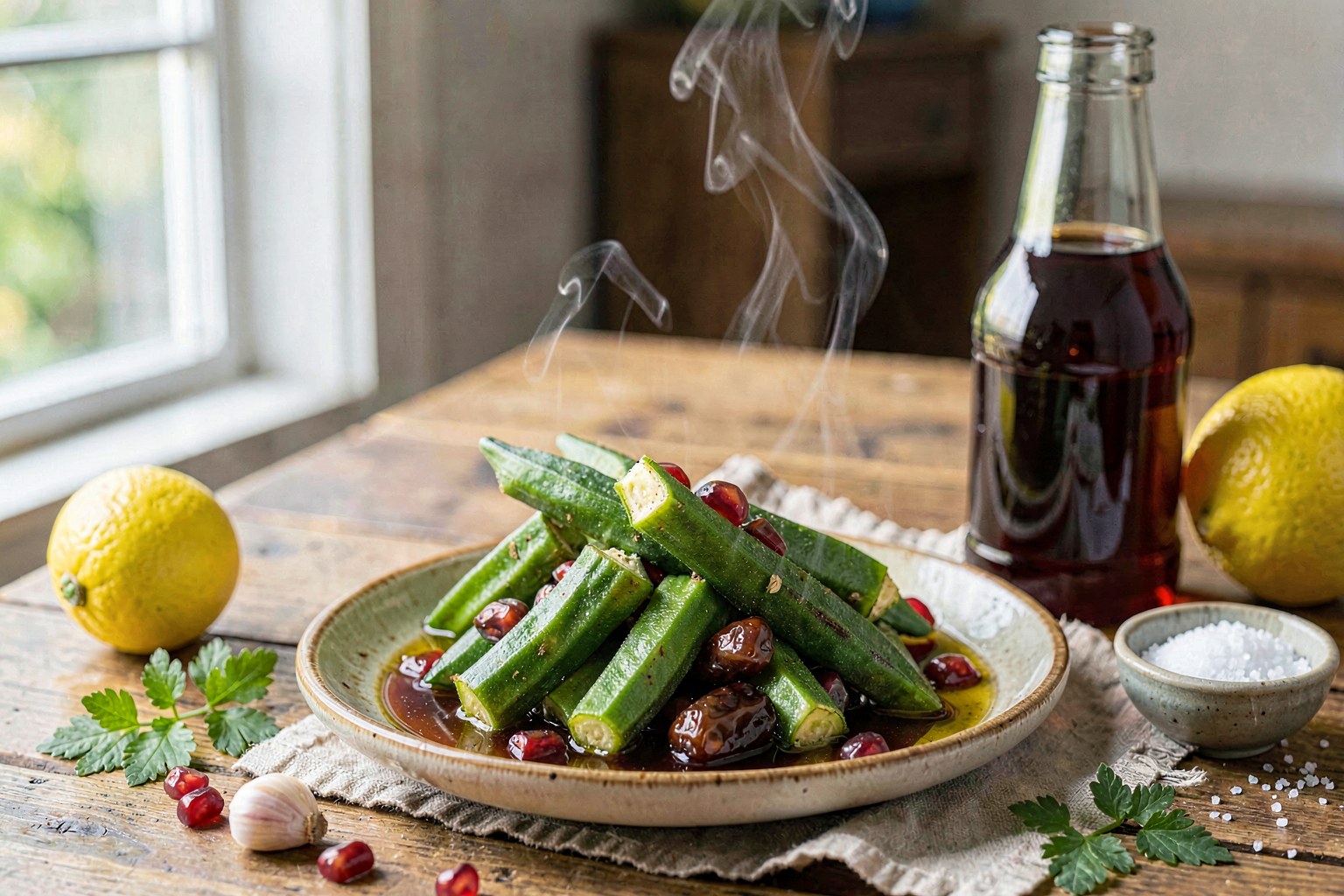
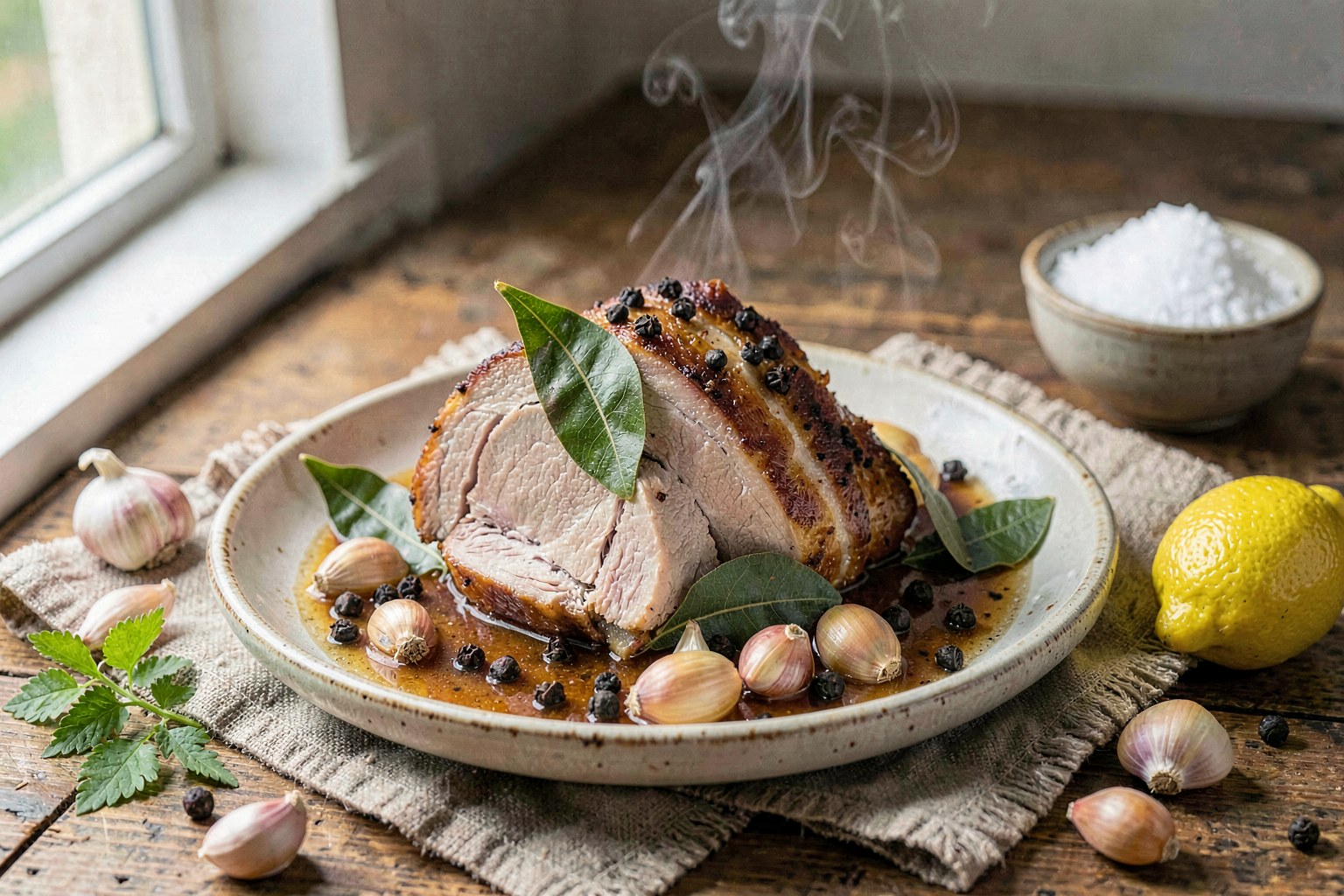
Ayurvedic Modern Mango Pickle with Wild Salmon
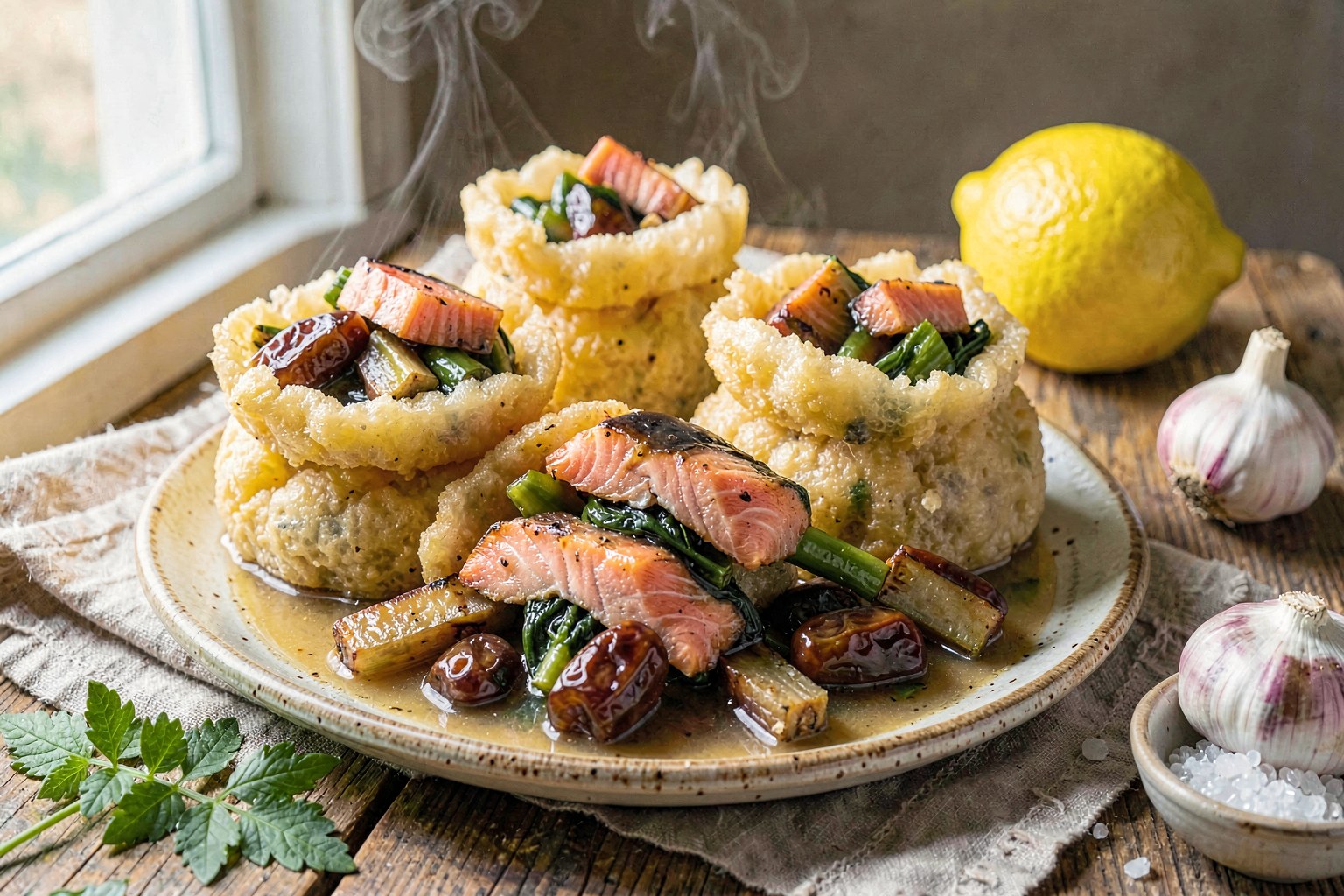
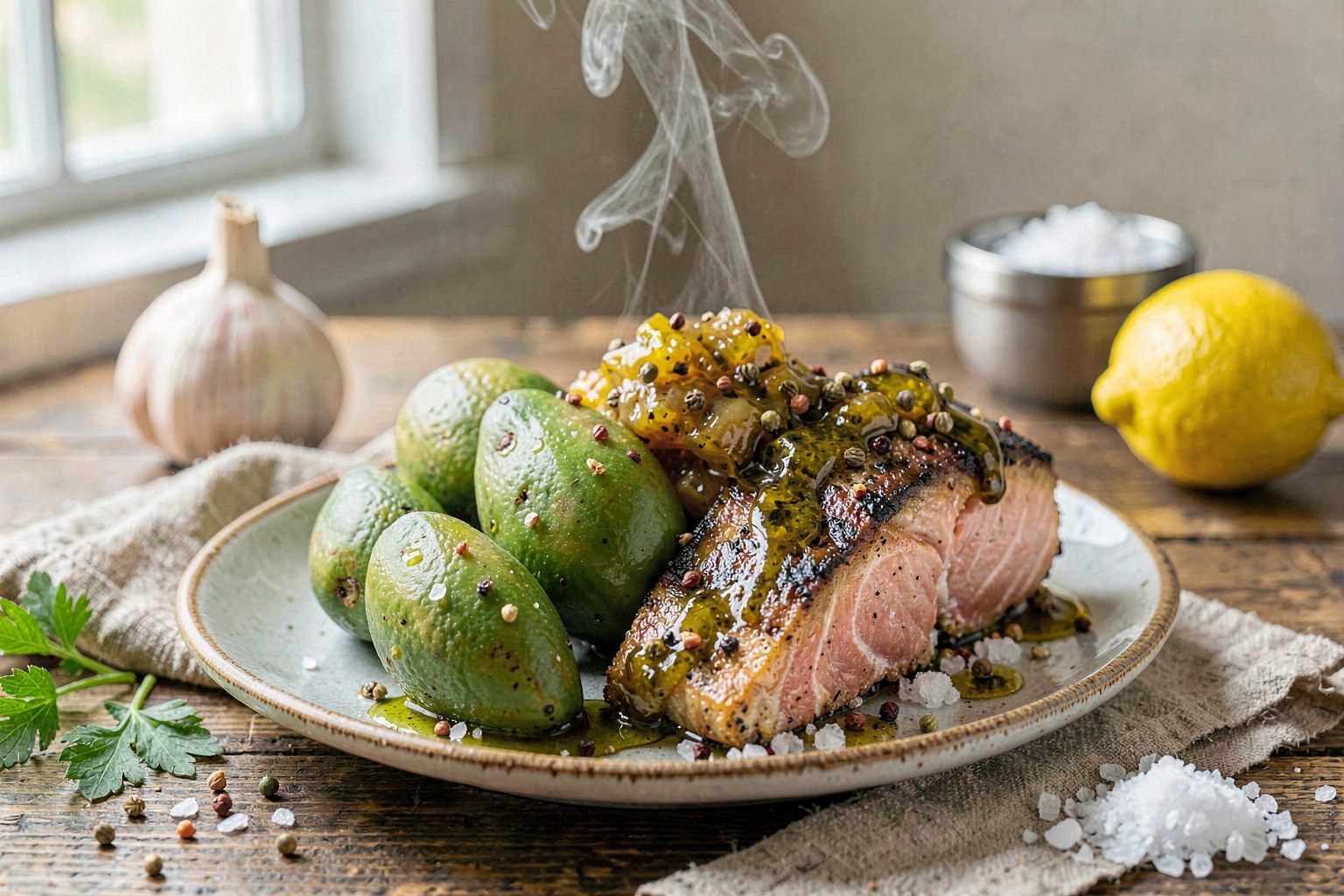
Tart, unripe green mangoes cured in salt and extra-virgin olive oil with warming spices, served alongside seared wild-caught salmon. This dish delivers a complex, umami-rich punch without refined sugar or seed oils, designed to support digestion and immunity.
A little context
Traditional Indian achar relies on mustard oil and jaggery for preservation and sweetness. We honor the spice profile—fenugreek, mustard seed, turmeric—while swapping seed oils for polyphenol-rich olive oil and omitting jaggery entirely. The salt-cure method respects the original preservation technique, ensuring the mangoes retain their crunch and digestive benefits without refined sugar.
The longevity story
This recipe centers on the polyphenol density of extra-virgin olive oil and the curcumin in turmeric, both potent anti-inflammatory agents. Fenugreek and mustard seeds provide prebiotic fiber and digestive enzymes, while the wild-caught salmon delivers high-quality omega-3 fatty acids (EPA/DHA) essential for cellular health. The fermentation aspect of the pickle introduces beneficial bacteria that support gut microbiome diversity, aiding in nutrient absorption from the salmon.
Method
- 01
Cure the mangoes
In a large bowl, toss the diced green mangoes with the coarse sea salt. Let sit at room temperature for 30 minutes to draw out moisture and soften the fibers slightly.
- 02
Prepare the spice oil
While mangoes cure, heat the 60 ml olive oil in a small saucepan over medium-low heat. Add mustard seeds and fenugreek seeds. Cook until they begin to sputter (approx. 2 minutes) to release essential oils.
- 03
Bloom the spices
Add the turmeric, dried red chilies, grated ginger, and minced garlic to the hot oil. Stir constantly for 1 minute until fragrant. Do not burn the garlic. Remove from heat immediately.
- 04
Combine pickle
Drain any excess liquid from the salted mangoes. Pour the hot spiced oil mixture over the mangoes and toss thoroughly to coat every piece. Transfer to the glass jar.
- 05
Rest the pickle
Let the pickle sit at room temperature for 1 hour to meld flavors, then refrigerate. Ideally, make this 24 hours ahead, but it is ready to serve after the initial hour.
- 06
Sear the salmon
Pat the wild-caught salmon fillets dry. Season lightly with sea salt. Heat 1 tbsp olive oil in the cast-iron skillet over medium-high heat until shimmering.
- 07
Cook the fish
Place salmon skin-side down in the skillet. Press gently to ensure even contact. Cook for 4-5 minutes until skin is crispy. Flip and cook for another 2-3 minutes until just opaque in the center.
- 08
Plate and serve
Divide the salmon among plates. Top generously with the mango pickle. Drizzle any remaining oil from the pickle jar over the fish. Serve immediately while warm.
Nutrition facts
Per serving · 1 of 4- — Saturated
- 7 g
- — Polyunsaturated
- 5 g
- Carbohydrates
- 7 g
- — Fiber
- 5 g
- — Sugars
- 1 g
- Cholesterol
- 77 mg
- Sodium
- 3547 mg
- Potassium
- 660 mg
Estimated from USDA FoodData Central for matched ingredients (83% ingredient coverage). Values vary with brand, preparation, and exact measurements.
Pro tips
- ✦Select green mangoes that are hard and green; if they yield to pressure, they are too ripe and will turn mushy during curing.
- ✦For the highest polyphenol count, look for EVOO labeled 'high polyphenol' or 'early harvest' from your local grocer.
- ✦Crush the fenugreek seeds lightly in a mortar just before cooking to avoid bitterness from over-extraction.
- ✦Make the pickle 24 hours in advance for deeper flavor development; the salt continues to break down the mango fibers overnight.
- ✦If you have a fermentation crock, let the pickle ferment for 5 days in a cool dark place for a true probiotic boost.
Shop this recipe
As an Amazon Associate we earn from qualifying purchases.
Substitutions
- wild-caught sockeye salmon → wild-caught Arctic char or rainbow trout (similar omega-3 profile and fat content for searing)
- extra-virgin olive oil → pastured ghee (traditional Ayurvedic fat, rich in butyrate, contains trace dairy)
- green mangoes → firm green papaya (similar texture and neutral taste for pickling)
Storage
Store the pickle in a sealed glass jar in the refrigerator for up to 2 weeks. The salmon is best eaten fresh but can be stored in the fridge for 1 day. Do not freeze the pickle as texture will soften upon thawing.
What to serve with it
- Steamed cauliflower rice or quinoa
- Side of steamed broccoli with lemon
- Warm green tea or hibiscus tea
- Sparkling water with fresh lime wedge
FAQ
Why not use mustard oil?+
Mustard oil is traditional but contains erucic acid and is often refined. We use EVOO for its proven polyphenol density and heart-health benefits aligned with longevity protocols.
Can I add sugar to balance the tartness?+
No. The recipe relies on the natural acidity of the mango and the salt to create balance. Adding sugar spikes insulin and defeats the gut-health purpose of the pickle.
Is this too spicy?+
The heat comes from the dried chilies. You can remove the seeds from the chilies before adding them to the oil to reduce the capsaicin heat while keeping the flavor.
Share this recipe
Notes from the community
Sign in to leave a note.
No notes yet — be the first.
You might also like