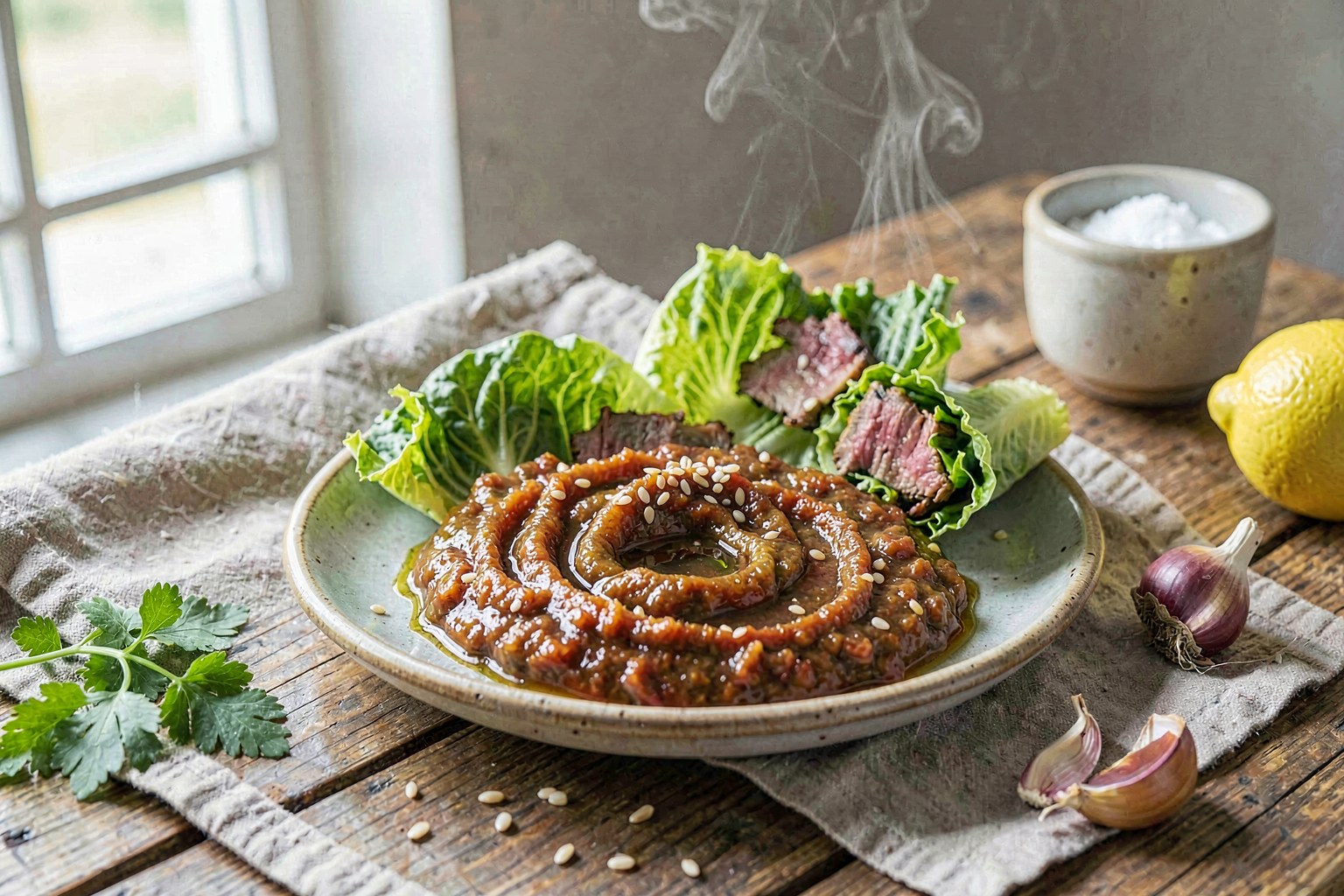
Farm-Fresh Ssamjang & Grass-Fed Beef Wraps
A vibrant, fermented dipping paste reimagined for longevity, served alongside quick-grilled grass-fed beef and crisp lettuce wraps. This version swaps refined sugar for date syrup and seed oils for extra-virgin olive oil while preserving the deep umami of traditional soybean and chili pastes.
A little context
Ssamjang is the heart of Korean Banchan culture, designed to be scooped into lettuce leaves with rice and meat. We honor this tradition by keeping the fermentation base intact but modernizing the sweetener and fat profile to remove inflammatory triggers. Traditional recipes often rely on corn syrup and sesame oil; here we use date syrup and EVOO to maintain the texture and flavor without the metabolic cost.
The longevity story
The core of this dish lies in the fermentation of Doenjang and Gochujang, which provide probiotics and bioactive peptides that support gut microbiome diversity. Extra-virgin olive oil introduces oleocanthal, a potent anti-inflammatory polyphenol, while garlic and ginger contribute allicin and gingerols to reduce oxidative stress. The grass-fed beef ensures a favorable omega-3 to omega-6 ratio, aligning with metabolic health goals.
Method
- 01
Toast the seeds
Heat a small dry pan over medium heat. Add sesame seeds and toast for 2-3 minutes until fragrant and lightly golden. Transfer to a bowl to cool immediately to prevent burning.
- 02
Prep the aromatics
Using the stone mortar, pound the garlic and ginger into a paste. Mix in the scallion whites. This releases the enzymatic compounds more effectively than chopping.
- 03
- 04
Rest the paste
Let the Ssamjang sit for 15 minutes at room temperature. This allows the flavors to meld and the garlic allicin to develop fully.
- 05
Season the beef
Pat the beef slices dry. Season lightly with sea salt. Do not add oil to the meat yet; the pan will be hot enough to sear without sticking.
- 06
Sear the beef
Heat the cast-iron skillet over high heat until smoking. Add the beef in a single layer. Sear for 45 seconds per side until browned but still pink inside. Remove and rest.
- 07
Warm the lettuce
Quickly blanch the lettuce leaves in hot water for 5 seconds or warm them over the pan heat for 10 seconds. This softens them for wrapping without losing crunch.
- 08
Assemble and serve
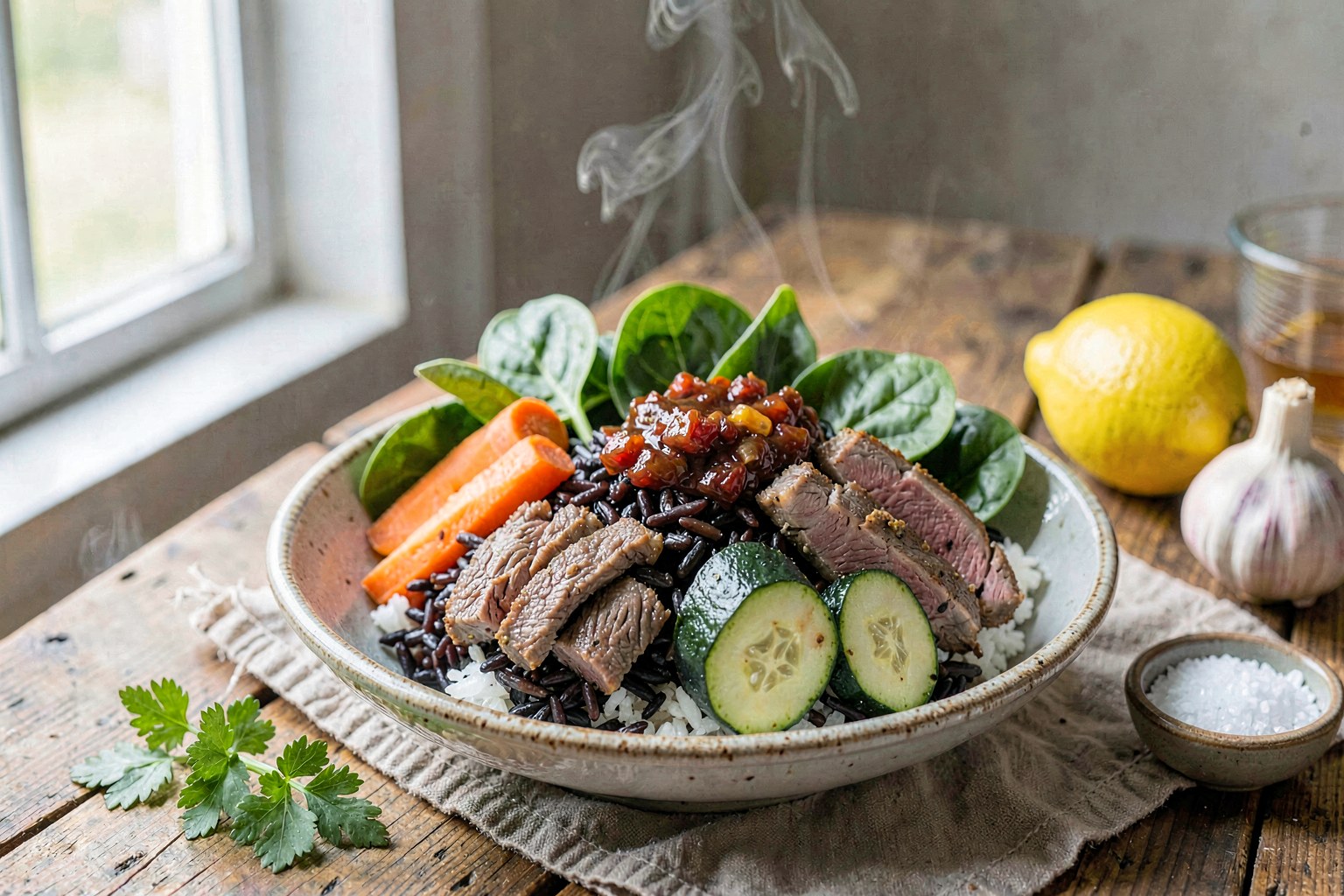
Place beef and cucumber on a lettuce leaf. Dollop 1 tablespoon of Ssamjang on top. Garnish with remaining sesame seeds and scallion greens. Serve immediately.
Nutrition facts
Per serving · 1 of 4- — Saturated
- 7 g
- — Polyunsaturated
- 2 g
- Carbohydrates
- 7 g
- — Fiber
- 1 g
- — Sugars
- 5 g
- Cholesterol
- 103 mg
- Sodium
- 452 mg
- Potassium
- 448 mg
Estimated from USDA FoodData Central for matched ingredients (36% ingredient coverage). Values vary with brand, preparation, and exact measurements.
Pro tips
- ✦Source Doenjang and Gochujang from Korean grocers but check labels for hidden sugar or canola oil.
- ✦If the paste is too thick, thin it with a splash of rice vinegar instead of water to maintain acidity.
- ✦Grass-fed beef cooks faster than grain-fed; do not overcook or it will become tough.
- ✦Toasting sesame seeds in a dry pan prevents the high heat of oil from degrading their nutrients.
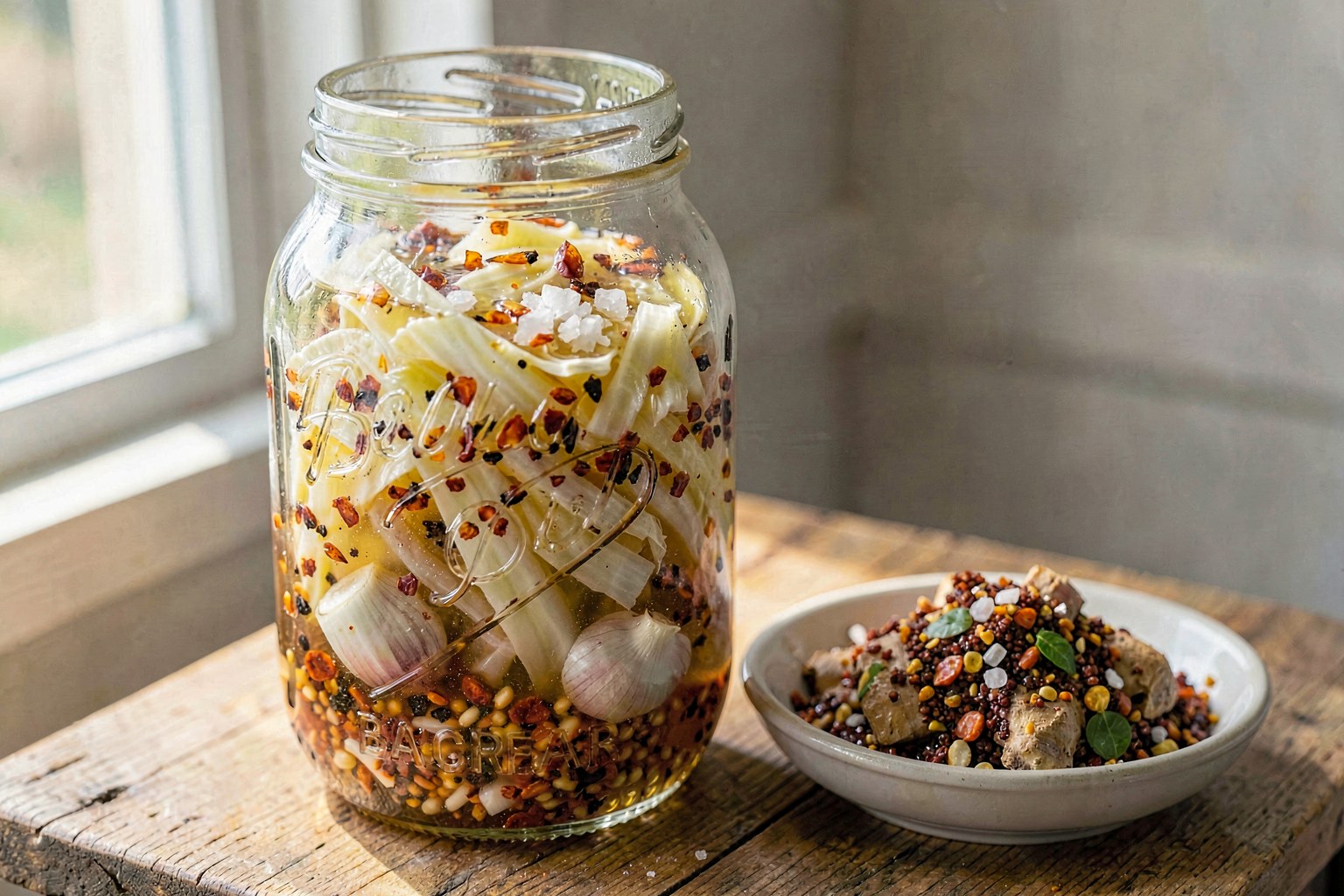
- ✦Store leftover Ssamjang in a glass jar with a layer of EVOO on top to prevent oxidation.
Shop this recipe
As an Amazon Associate we earn from qualifying purchases.
Substitutions
- grass-fed beef → pasture-raised chicken thigh (slice thinly and adjust cook time to 2 minutes per side)
- date syrup → monk fruit sweetener (use 1:1 ratio if liquid, or adjust for sweetness intensity)
- butter lettuce → perilla leaves (traditional Korean leaf with a stronger, herbal flavor profile)
Storage
Ssamjang keeps in the fridge for 5 days in a sealed glass jar. Beef should be consumed fresh or reheated gently to avoid drying out.
What to serve with it
- Green tea (unsweetened) to complement the umami
- Sparkling water with lemon to cut the richness
- Dry red wine (low sugar) pairs well with the beef
- Fermented kimchi on the side for extra probiotics
FAQ
Why use EVOO instead of sesame oil?+
Sesame oil is high in omega-6 fatty acids which can be inflammatory in excess. EVOO provides monounsaturated fats and polyphenols. We use toasted seeds for the sesame flavor without the oil load.
Can I make this vegan?+
Yes, simply omit the beef and serve with grilled mushrooms or tofu. Ensure your pastes are certified vegan as some traditional recipes use fish sauce.
Is this safe for gluten-free diets?+
Traditional soy pastes contain wheat. You must verify your Doenjang and Gochujang are made with soybeans only or use certified gluten-free tamari-based versions.
Share this recipe
Notes from the community
Sign in to leave a note.
No notes yet — be the first.
You might also like