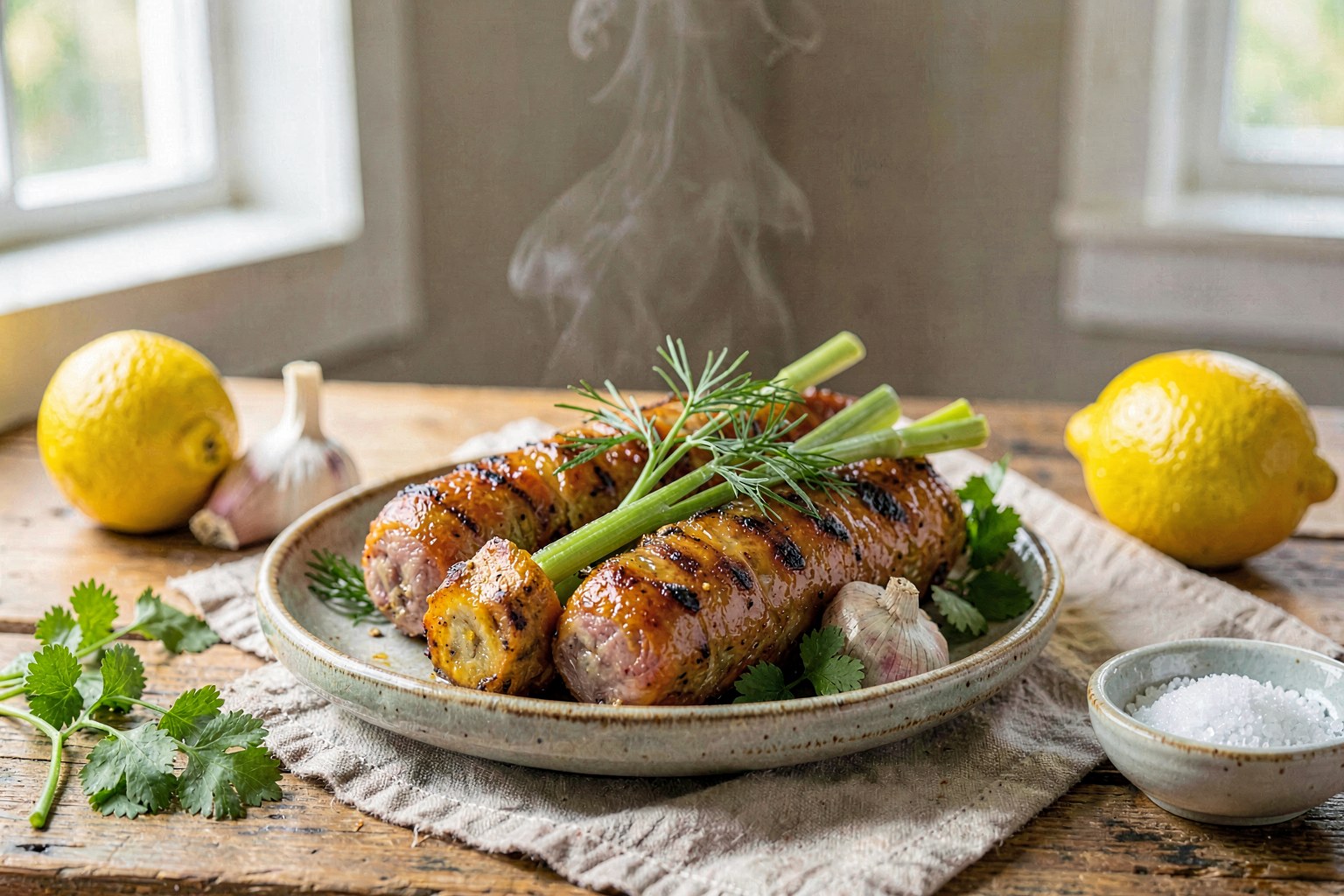
Sai Krob (Northern Thai Herb Pork Sausage)
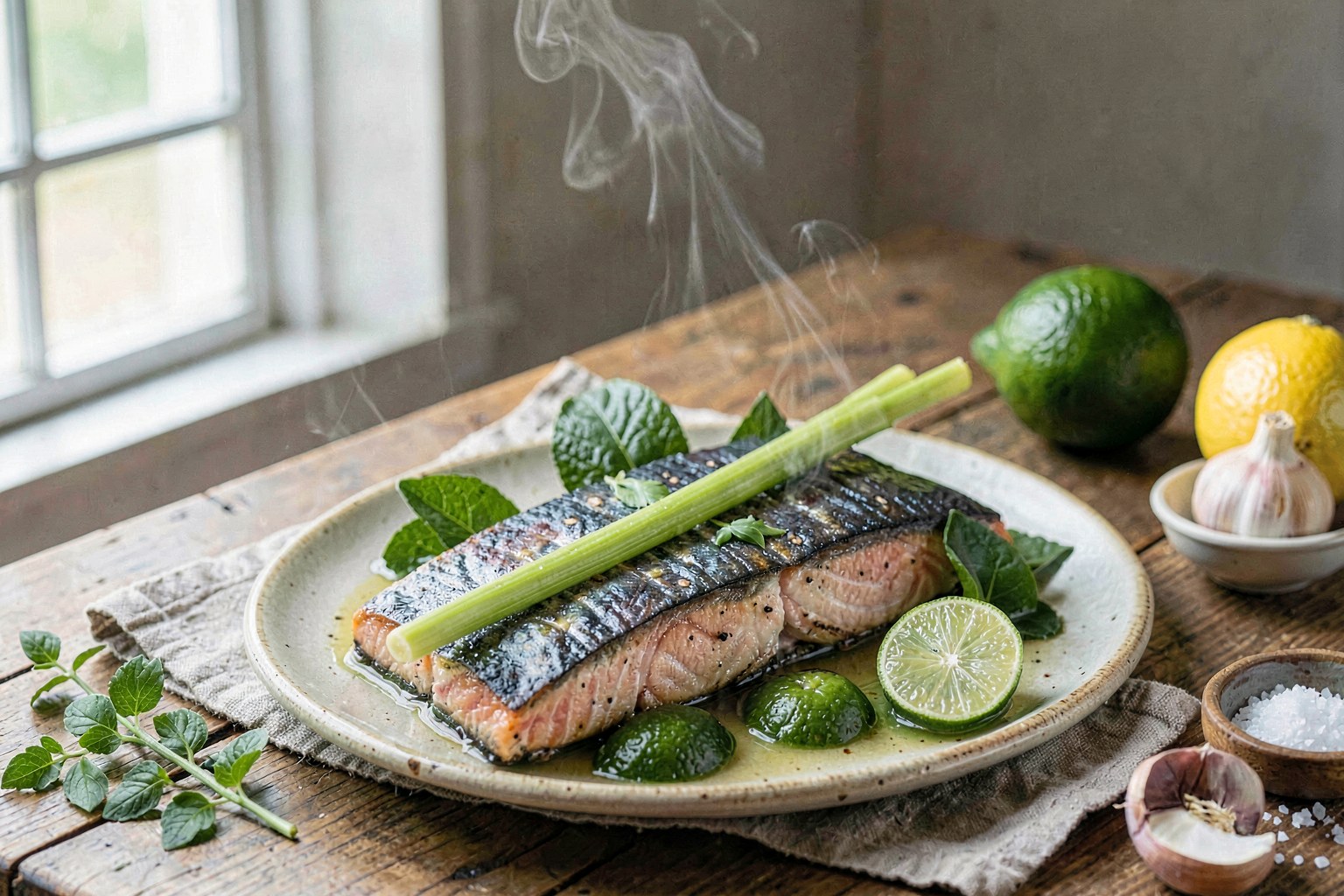
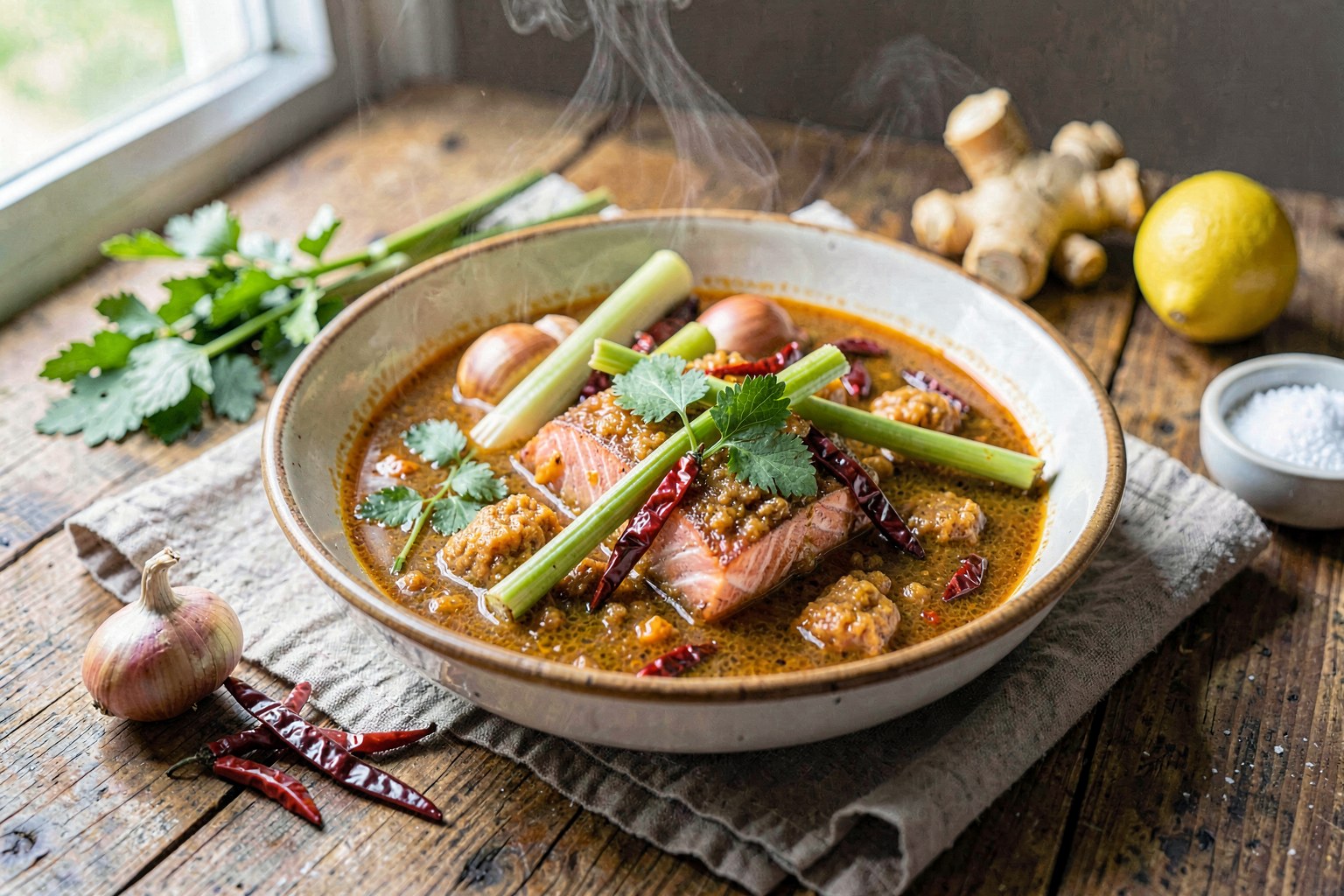
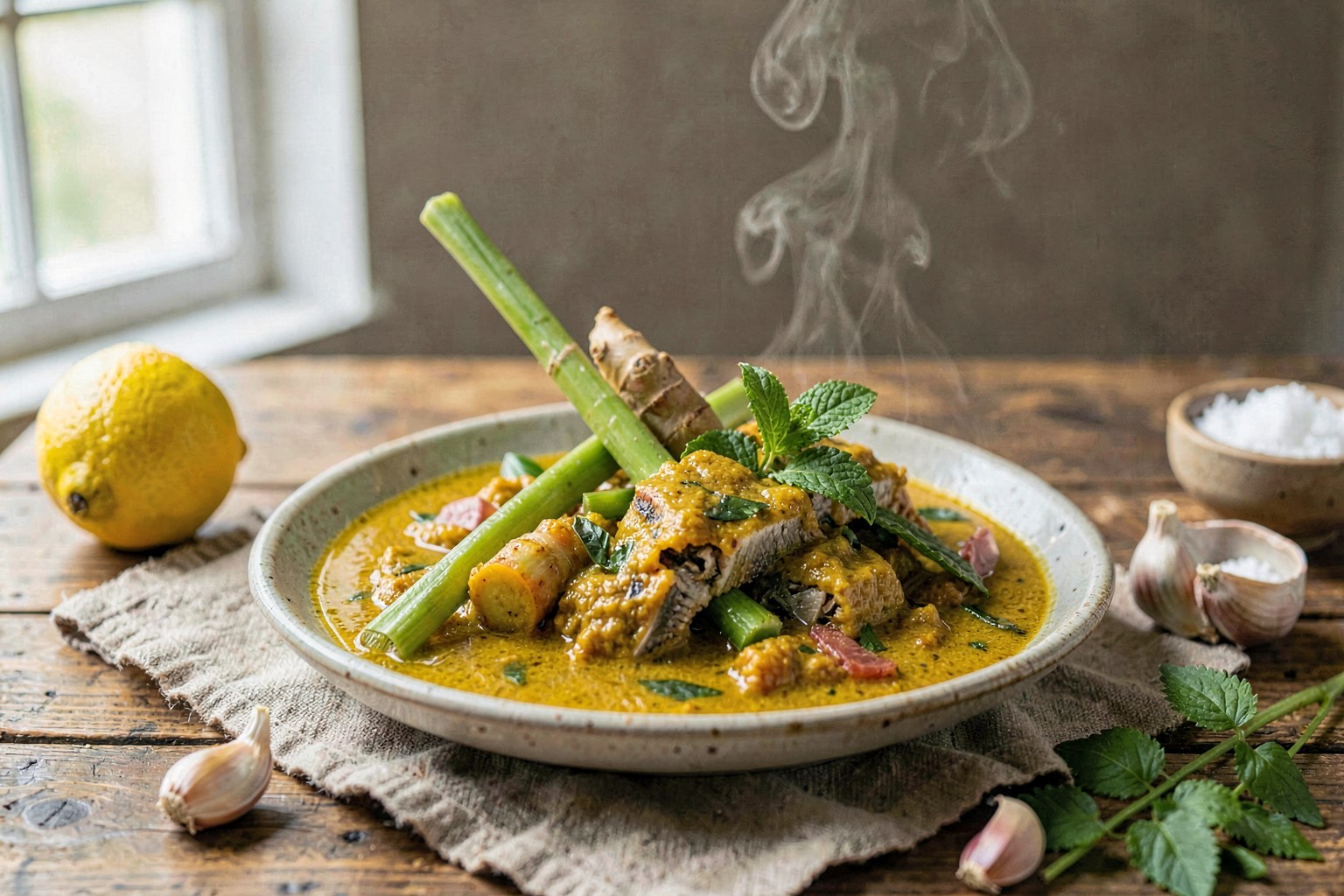
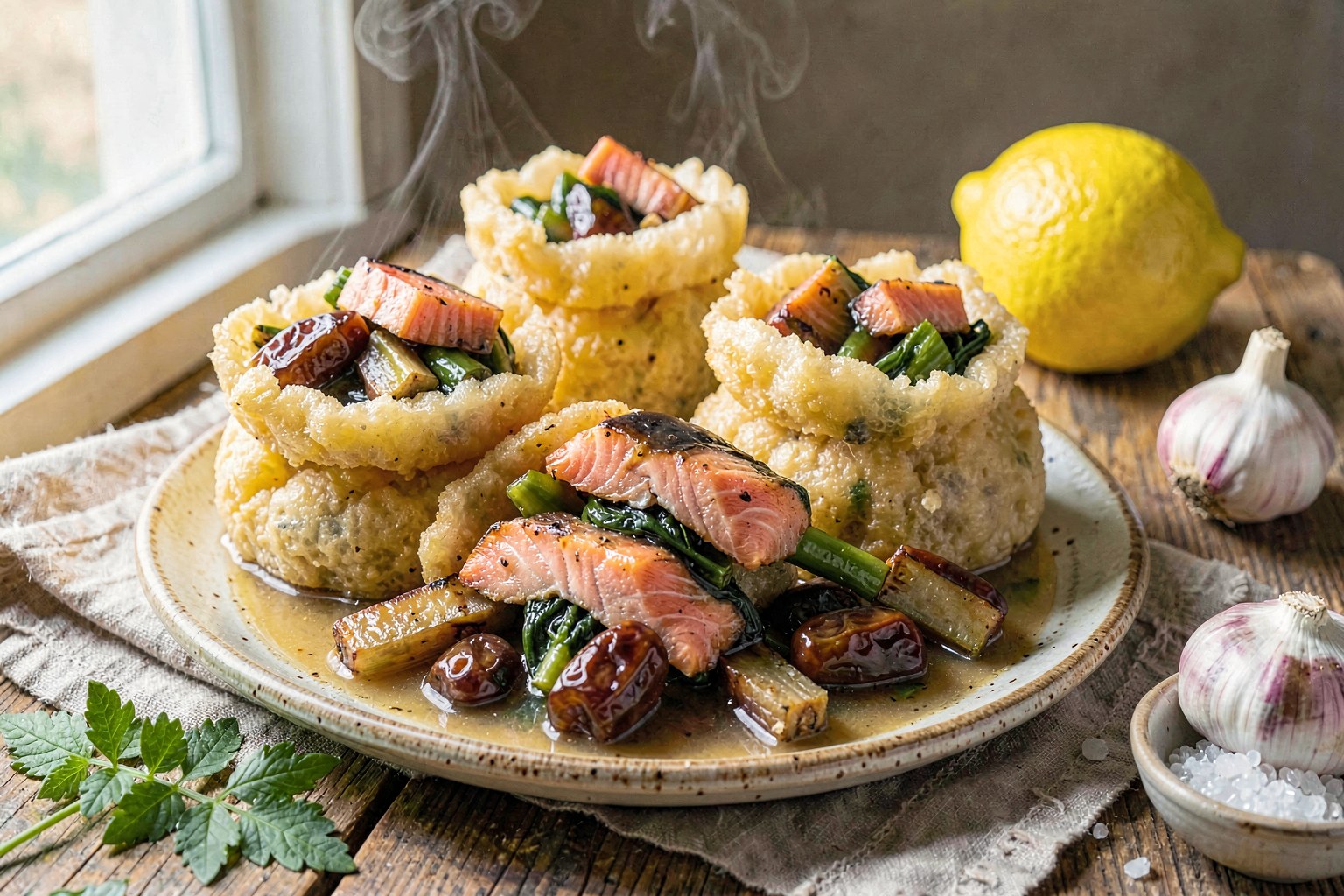
A vibrant Northern Thai sausage loaded with turmeric, lemongrass, and fresh dill, pan-seared to a crispy exterior without seed oils. This dish balances the umami of fermented fish sauce with the sweetness of date syrup, delivering a protein-rich, polyphenol-dense dinner.
A little context
Originating from the Lanna Kingdom in Northern Thailand, traditional Sai Oua or Sai Krob often relies on palm sugar and deep-frying in refined oils. We honor the herb-forward soul of the dish by using whole date syrup for sweetness and searing in avocado oil to preserve the integrity of the fats while reducing inflammatory load.
The longevity story
The massive herb load delivers significant polyphenols: turmeric offers curcumin for inflammation modulation, while garlic and shallots provide allicin for cardiovascular support. Fermented fish sauce introduces glutamates and trace minerals without the added sugar found in commercial versions. Pasture-raised pork ensures a better fatty acid profile compared to conventional grain-fed options.
Method
- 01
Prepare the spice paste
In a mortar and pestle, pound the garlic, shallots, lemongrass, galangal, and turmeric into a rough paste. Add the chilies and pound until combined. This mechanical bruising releases essential oils that a blender cannot.
- 02
Mix the sausage
In a large bowl, combine the ground pork, spice paste, kaffir lime leaves, cilantro, dill, fish sauce, and date syrup. Mix thoroughly by hand for 3 minutes until the mixture becomes sticky. This protein binding ensures the sausages hold their shape.
- 03
Rest the mixture
Cover the bowl and refrigerate for at least 30 minutes. This allows the salt in the fish sauce to cure the meat slightly and the flavors to meld.
- 04
Form the sausages
Wet your hands lightly with water. Divide the mixture into 8 equal portions (approx 60g each). Roll them into firm logs about 10 cm (4 inches) long and 2 cm (3/4 inch) thick.
- 05
Preheat the pan
Heat the cast-iron skillet over medium heat. Add the avocado oil and swirl to coat. The oil should shimmer but not smoke.
- 06
Sear the sausages
Place sausages in the pan, leaving space between them. Cook for 5-6 minutes per side, turning occasionally, until deeply browned and the internal temperature reaches 71°C (160°F).
- 07
Rest and serve
Remove from heat and let rest for 5 minutes before serving. This retains the juices within the meat structure.
Nutrition facts
Per serving · 1 of 4- — Saturated
- 19 g
- — Polyunsaturated
- 8 g
- Carbohydrates
- 10 g
- — Fiber
- 3 g
- — Sugars
- 1 g
- Cholesterol
- 113 mg
- Sodium
- 1915 mg
- Potassium
- 536 mg
Estimated from USDA FoodData Central for matched ingredients (62% ingredient coverage). Values vary with brand, preparation, and exact measurements.
Pro tips
- ✦Source organic kaffir lime leaves if possible, as citrus skins can hold pesticide residue.
- ✦If the mixture is too sticky to handle, chill it for another 15 minutes or wet your hands with cold water.
- ✦For a traditional touch, wrap each sausage in a banana leaf before searing to steam the interior before crisping the exterior.
- ✦Do not skip the resting step after mixing; it improves texture significantly.
Shop this recipe
As an Amazon Associate we earn from qualifying purchases.
Substitutions
- pasture-raised ground pork → ground beef (grass-fed) or ground turkey (organic) (beef will be richer, turkey leaner; adjust oil if using turkey)
- date syrup → monk fruit syrup or 1 tsp raw honey (honey adds more glycemic load; dates are lower GI)
- fresh dill → extra cilantro or Thai basil (dill is non-traditional but adds polyphenol variety)
Storage
Refrigerate in a glass container for up to 3 days. Can be frozen raw for up to 3 months; thaw overnight in fridge before cooking.
What to serve with it
- Sticky brown rice (glutinous rice)
- Fresh cucumber slices and raw cabbage leaves for dipping
- Green tea or unsweetened kombucha
- Dry red wine (low sulfite)
FAQ
Can I use regular fish sauce?+
Many commercial brands add sugar. Check the label; it should only contain anchovies, salt, and water.
Why use avocado oil instead of coconut oil?+
Coconut oil solidifies quickly at room temperature, making serving harder. Avocado oil stays liquid and has a higher smoke point for searing.
Is this safe to eat if slightly pink?+
No. Pork must reach 71°C (160°F) internally to ensure safety. Use a meat thermometer.
Share this recipe
Notes from the community
Sign in to leave a note.
No notes yet — be the first.
You might also like