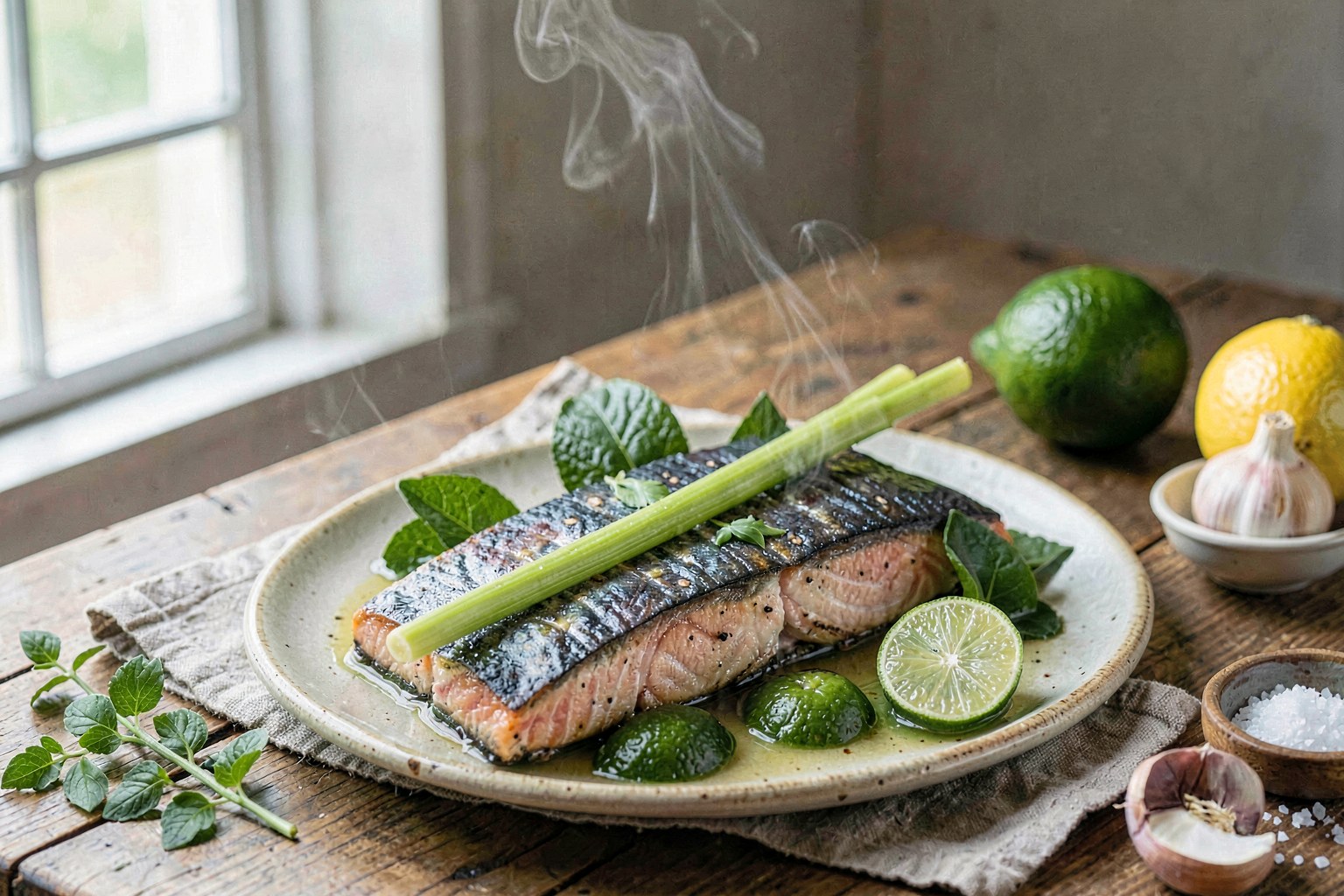
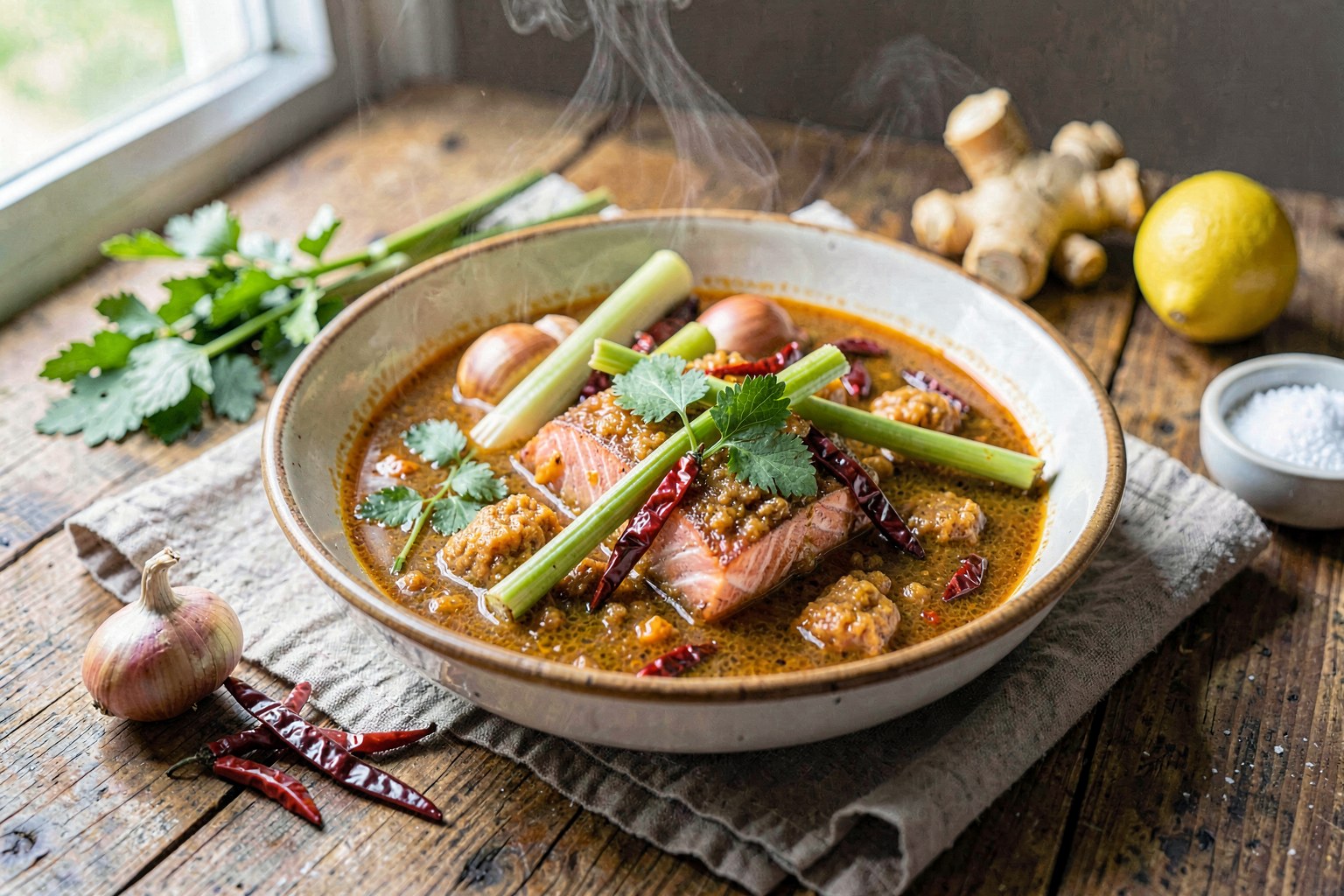
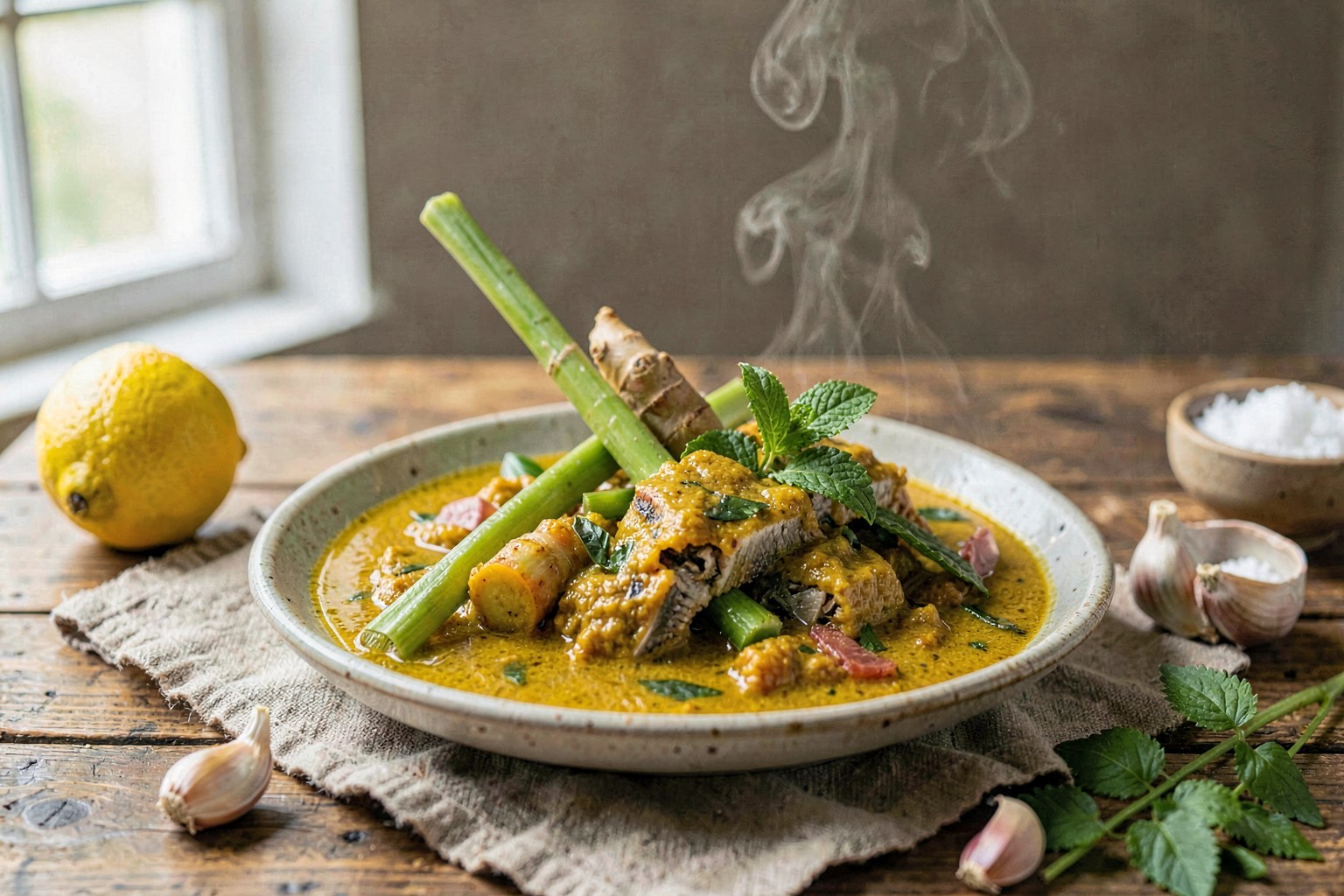
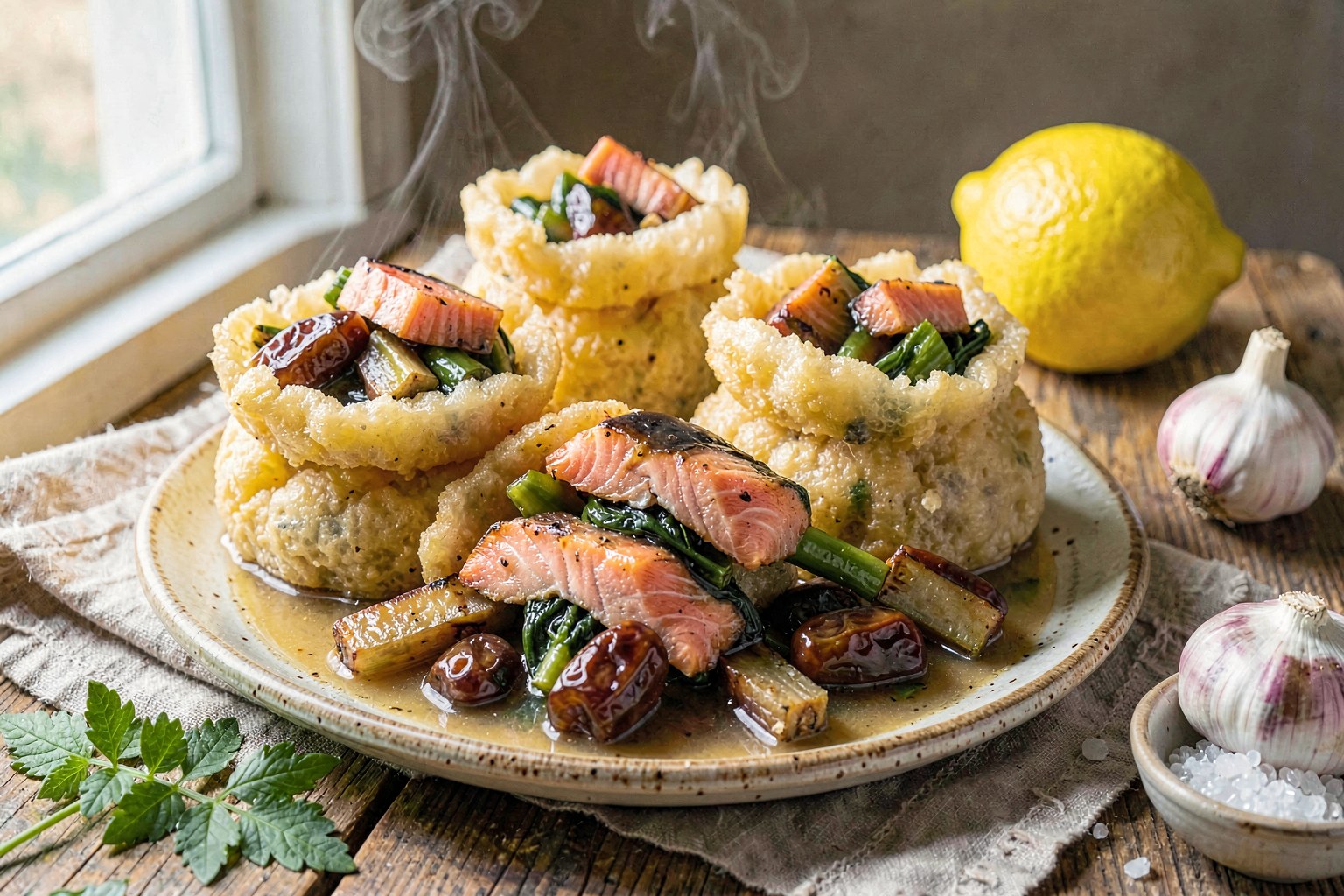
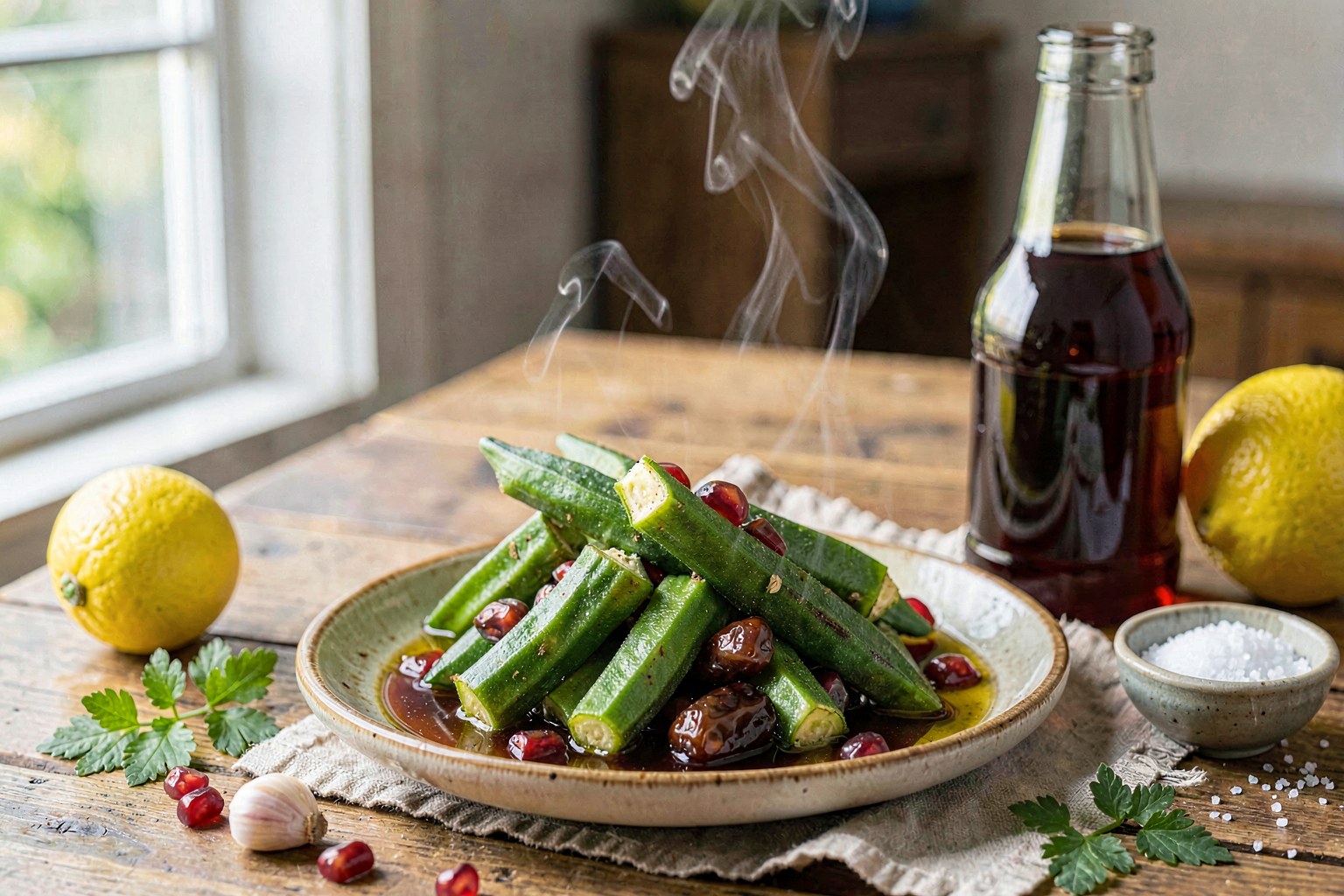
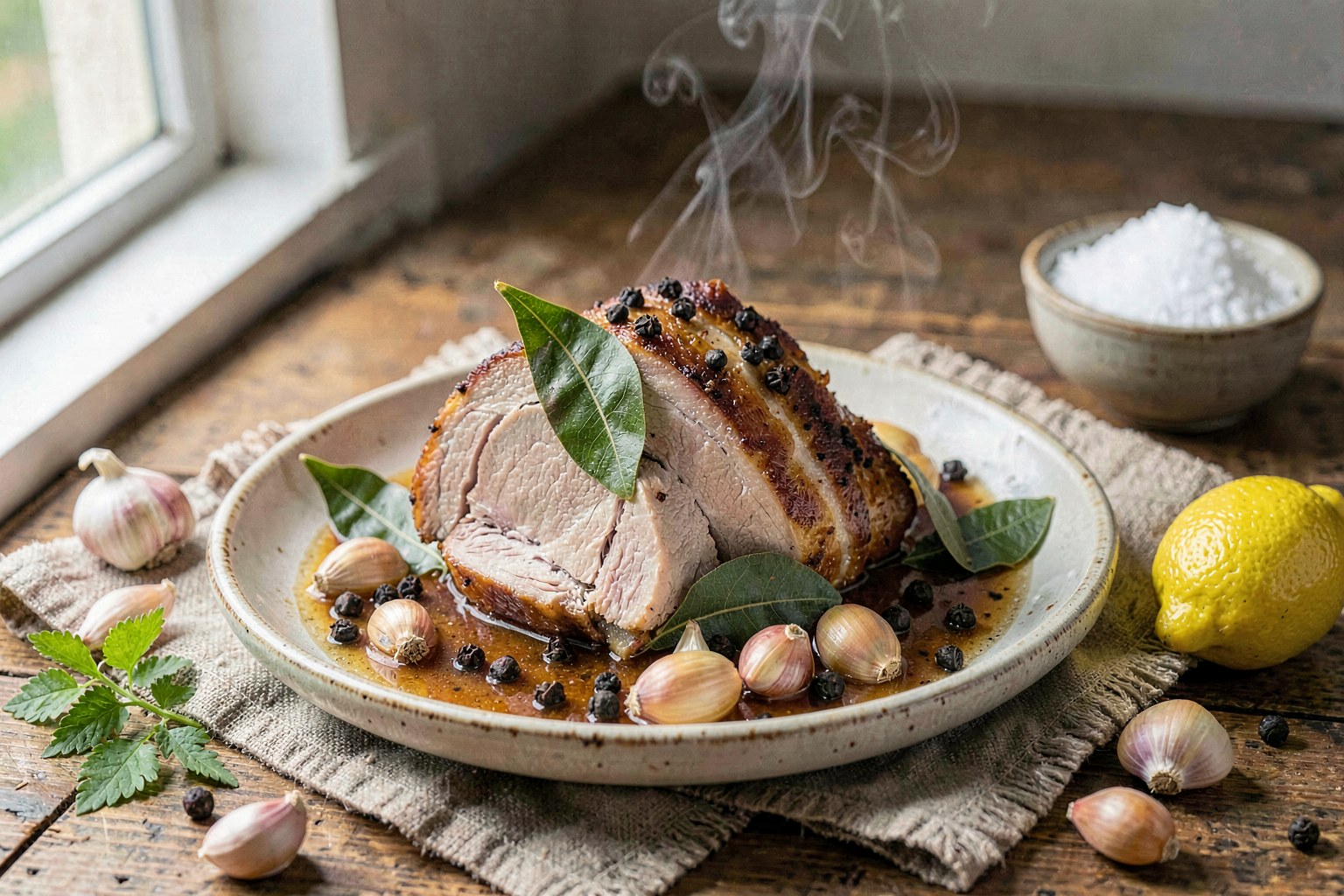
Sai Ouan: Northern Thai Fermented Pork & Herb Sausage
This farm-fresh interpretation of Northern Thailand's iconic Sai Ouan swaps traditional pork fat for high-quality pasture-raised pork shoulder and eliminates refined sugar and seed oils. The result is a deeply aromatic, slightly tangy sausage packed with fresh lemongrass, kaffir lime, galangal, and mint, grilled to a crisp exterior while remaining juicy inside.
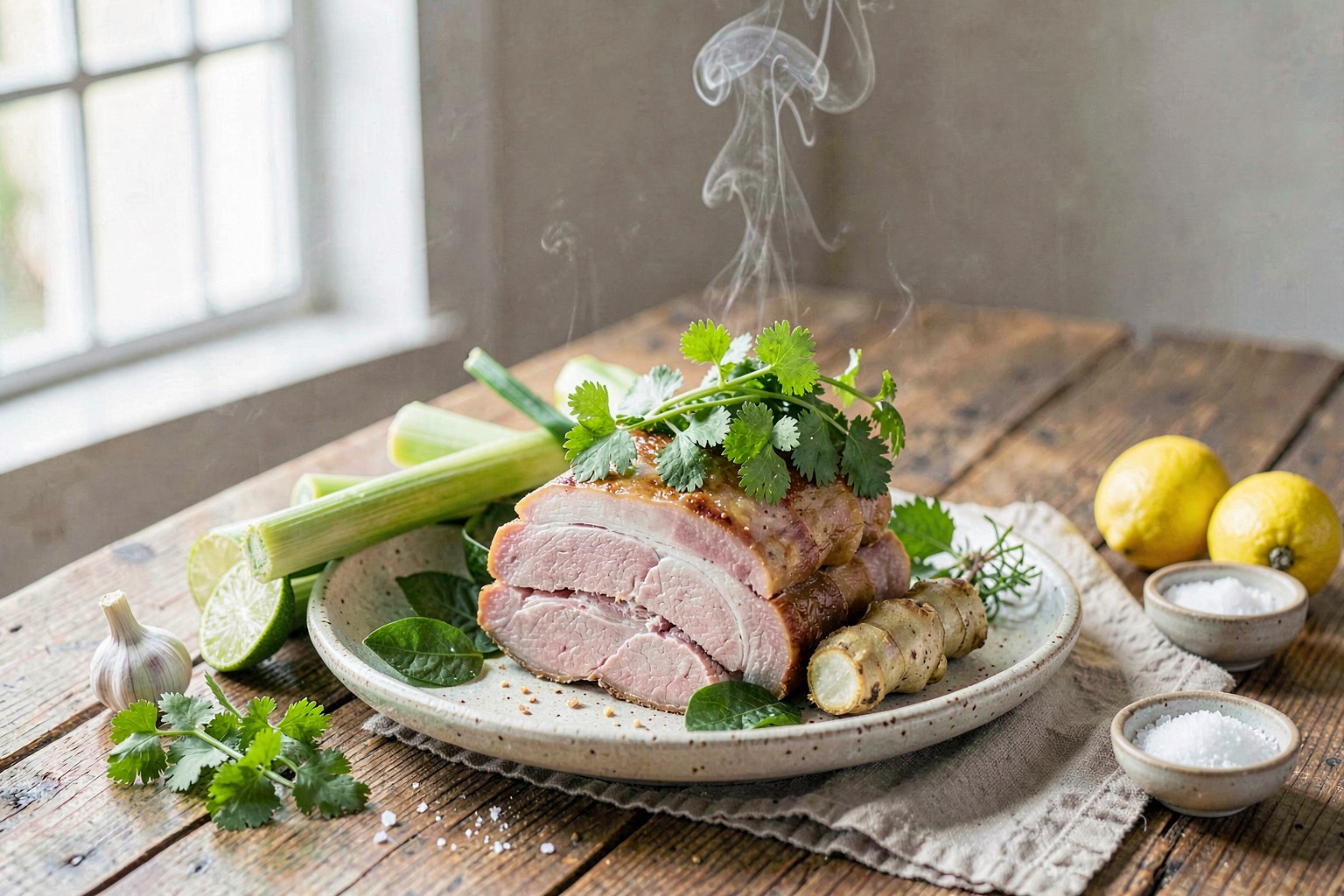
A little context
Sai Ouan is a staple of Lanna cuisine, traditionally made with coarsely ground pork, fermented rice (khao jao), and a complex blend of fresh herbs. We honor this tradition by using a natural fermentation starter (whey or back-slop) instead of commercial preservatives and replacing the traditional palm sugar or refined sugar with the subtle sweetness of whole Medjool dates. We also strictly avoid the seed oils often used in modern adaptations, relying instead on the pork's own rendered fat and a touch of extra-virgin olive oil for the initial bind.
The longevity story
The fermentation process introduces beneficial lactobacilli, supporting the gut microbiome and enhancing nutrient absorption. The generous use of fresh herbs like turmeric, galangal, and lemongrass delivers potent curcuminoids and gingerols, powerful compounds with documented anti-inflammatory and antioxidant properties. By using pasture-raised pork, we ensure a superior fatty acid profile rich in omega-3s and CLA, while the absence of refined sugar prevents insulin spikes and glycation, aligning with longevity-focused eating.
Method
- 01
Prepare the Aromatics
In a large mortar and pestle, pound the white peppercorns, garlic, and galangal into a coarse paste. Add the turmeric, lemongrass, and cilantro roots, pounding until fragrant and well-combined. Transfer this aromatic paste to a large mixing bowl.
- 02
Grind the Pork
If using a grinder, pulse the cold, cubed pork shoulder until coarsely ground (do not over-process). If using a food processor, pulse in small batches until the meat resembles coarse breadcrumbs. Add the ground pork to the bowl with the aromatic paste.
- 03
Mix and Bind
Add the date paste, sea salt, whey, and extra-virgin olive oil to the meat mixture. Using clean hands, mix vigorously for 3-4 minutes until the mixture becomes sticky and emulsified. This step is crucial for the sausages to hold their shape.
- 04
Fold in Fresh Herbs
Gently fold in the sliced kaffir lime leaves and chopped fresh mint. Avoid over-mixing at this stage to keep the mint bright and distinct.
- 05
Ferment and Rest
Cover the bowl tightly with plastic wrap and let it rest at room temperature for 1 hour to allow the fermentation starter to activate and the flavors to meld. The mixture should smell slightly tangy and aromatic, not sour or spoiled.
- 06
Shape the Sausages
Wet your hands with a little water or olive oil. Take handfuls of the mixture and roll them into logs about 15 cm (6 inches) long and 2.5 cm (1 inch) thick. Place them on a plate or tray lined with parchment paper.
- 07
Rest Before Cooking
Let the shaped sausages rest for another 15 minutes. This helps the proteins set, ensuring they don't fall apart on the grill.
- 08
Sear the Sausages
Heat a heavy cast-iron skillet or grill pan over medium-high heat. No additional oil is needed as the pork fat will render. Place the sausages in the pan, leaving space between them. Sear for 5 minutes, turning occasionally, until all sides are deeply browned and crisp.
- 09
Finish Cooking
Reduce heat to medium-low. Continue cooking for another 10-12 minutes, turning frequently, until the internal temperature reaches 71°C (160°F) and the casing is fully rendered and slightly crispy. The juices should run clear.
- 10
Serve
Remove from heat and let rest for 5 minutes. Serve immediately with fresh cucumber slices, sliced red chilies, and a side of sticky rice (if gluten-free rice is used) or a simple green salad.
Nutrition facts
Per serving · 1 of 4- — Saturated
- 5 g
- — Polyunsaturated
- 2 g
- Carbohydrates
- 15 g
- — Fiber
- 4 g
- — Sugars
- 1 g
- Cholesterol
- 114 mg
- Sodium
- 1121 mg
- Potassium
- 1154 mg
Estimated from USDA FoodData Central for matched ingredients (75% ingredient coverage). Values vary with brand, preparation, and exact measurements.
Pro tips
- ✦Sourcing matters: Look for pork shoulder with a bright pink hue and firm fat; avoid meat that looks grey or has a 'wet' texture, which indicates poor handling.
- ✦Temperature control: Keep your meat cold (near 4°C/40°F) while grinding to prevent the fat from smearing, which ruins the texture.
- ✦The 'sticky' test: When mixing, the meat should stick to your hand when you lift it; if it falls off, mix a few more minutes to activate the myosin proteins.
- ✦Freshness check: If the fermentation smell is overly sour or ammonia-like after the 1-hour rest, discard the batch; it should smell earthy and herbaceous.
- ✦Herb timing: Never cook the fresh mint and lime leaves with the meat; adding them after the initial mix preserves their volatile polyphenols.
Shop this recipe
As an Amazon Associate we earn from qualifying purchases.
Substitutions
- pasture-raised pork shoulder → grass-fed beef chuck (80/20 fat ratio) (Will result in a richer, beefier flavor; adjust salt slightly as beef is naturally saltier.)
- whey starter → 1/4 cup of unflavored, unsweetened kefir or yogurt (Strain the yogurt through a cheesecloth for 30 minutes to extract the liquid whey if you don't have it ready.)
- kaffir lime leaves → zest of 2 organic limes + 1 tsp fresh lime juice (Fresh leaves provide a unique floral note that zest cannot fully replicate, but this is a viable substitute in a pinch.)
Storage
Store in an airtight glass container in the refrigerator for up to 3 days. The flavors will deepen over time. Can be frozen raw (uncooked) for up to 2 months; thaw in the fridge overnight before shaping and cooking.
What to serve with it
- Serve with a side of steamed jasmine rice (organic) or a fresh cucumber salad with rice vinegar.
- Pair with a glass of cold-brew green tea or a small glass of dry, natural red wine like Pinot Noir.
- Accompany with a fermented vegetable side like kimchi or sauerkraut to boost the gut-health benefits.
FAQ
Can I make this without fermentation? I'm worried about the bacteria.+
Yes, you can skip the 1-hour room temperature rest and cook immediately. The flavor will be less tangy and more purely meat-and-herb forward, but it is still safe and delicious.
Why doesn't this recipe use rice flour or breadcrumbs?+
Traditional Sai Ouan often uses fermented rice, but we omit it to keep the dish grain-free and low-glycemic. The pork fat and date paste provide enough binding and moisture.
How do I know if the pork is pasture-raised?+
Look for labels like 'Certified Humane', 'Animal Welfare Approved', or buy directly from a local farmer. Pasture-raised pork will have a deeper red color and firmer fat compared to grain-fed.
Share this recipe
Notes from the community
Sign in to leave a note.
No notes yet — be the first.
You might also like